
Polyimide Tape Dielectric Strength: What Engineers Should Check
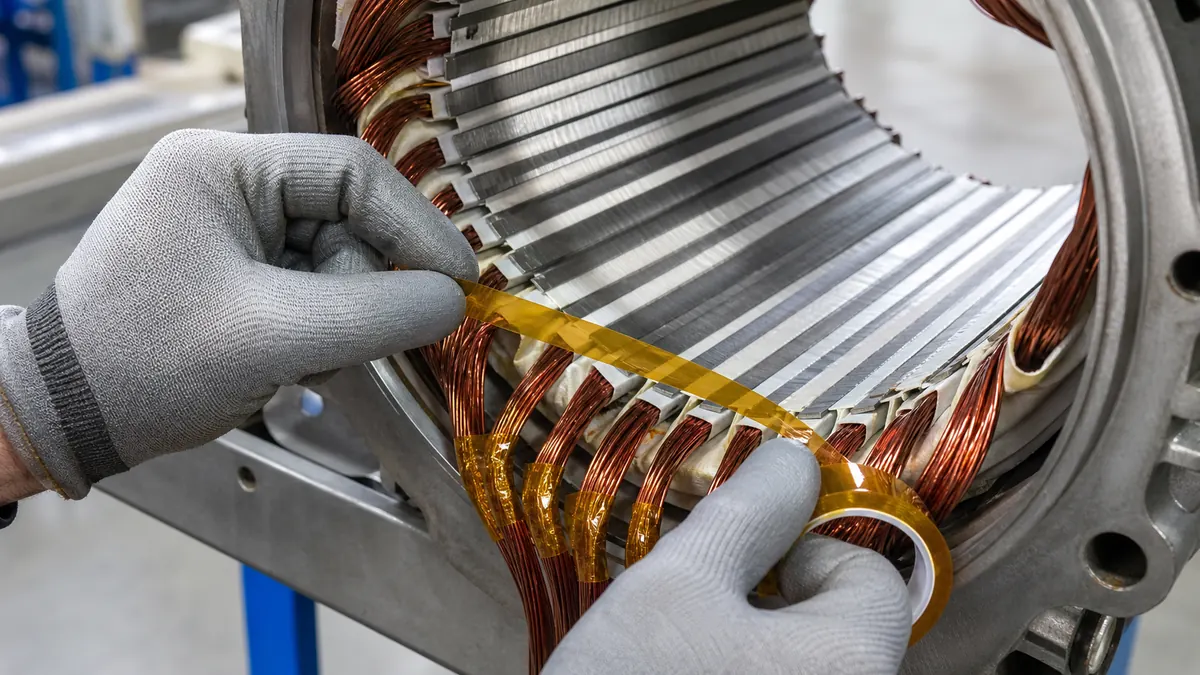
Polyimide Tape Dielectric Strength Explained
Polyimide tape dielectric strength describes how an insulating tape resists electrical breakdown under defined test conditions. It is not the same as operating voltage, and it should not be used as a stand-alone approval value. Engineers must consider tape thickness, electrode geometry, conditioning, temperature, humidity, defects, overlaps, creepage distance, and the complete insulation system.
Quick Answer
Compare dielectric data only when the units, specimen thickness, test method, voltage ramp, environment, and failure criteria are known. For a real assembly, validate the finished insulation design rather than multiplying a laboratory dielectric-strength value by tape thickness and treating the result as a safe operating voltage.
Dielectric Strength vs Breakdown Voltage
| Term | Meaning | Common mistake |
|---|---|---|
| Dielectric strength | Electrical stress at breakdown, often normalized by thickness | Using it directly as an operating-voltage rating |
| Breakdown voltage | Voltage at which a specific specimen fails under the test | Comparing specimens with different thicknesses or conditions |
| Working voltage | Voltage allowed by the equipment design and applicable standard | Deriving it from one material value alone |
| Insulation resistance | Resistance to leakage current under stated conditions | Confusing it with breakdown performance |
Factors That Affect Electrical Performance
Backing and Total Construction
The polyimide film is the primary dielectric backing, while the adhesive, interfaces, air pockets, edges, and contamination influence the finished tape. A thicker specimen may withstand a higher absolute voltage, but performance is not always perfectly linear with thickness.
Temperature and Thermal Aging
Electrical insulation is often exposed to heat from motors, transformers, soldering, batteries, or power electronics. Thermal aging can change the adhesive, interfaces, and mechanical condition. Use data relevant to the expected temperature and duration rather than relying only on room-temperature tests.
Humidity and Contamination
Moisture, conductive dust, flux, metal particles, oil, and processing residues can create leakage paths. Cleanliness and edge design may be as important as the nominal dielectric value of the tape.
Application Defects
Wrinkles, folds, bubbles, insufficient overlap, cuts, stretched areas, and exposed edges reduce insulation reliability. Die-cut parts require controlled dimensions and placement. Wrapped coils require consistent tension and overlap.
How to Evaluate Polyimide Tape for Insulation
- Define operating voltage, transient conditions, temperature range, environment, and service life.
- Identify the applicable equipment and insulation-system standards.
- Review the tested dielectric strength and breakdown voltage of the exact tape construction.
- Specify thickness, overlap, number of layers, edge distance, and placement tolerance.
- Build representative assemblies using production tools and operators.
- Test after thermal, humidity, vibration, or chemical conditioning where relevant.
- Document the approved tape model, lot, drawing, and process settings.
Application Examples
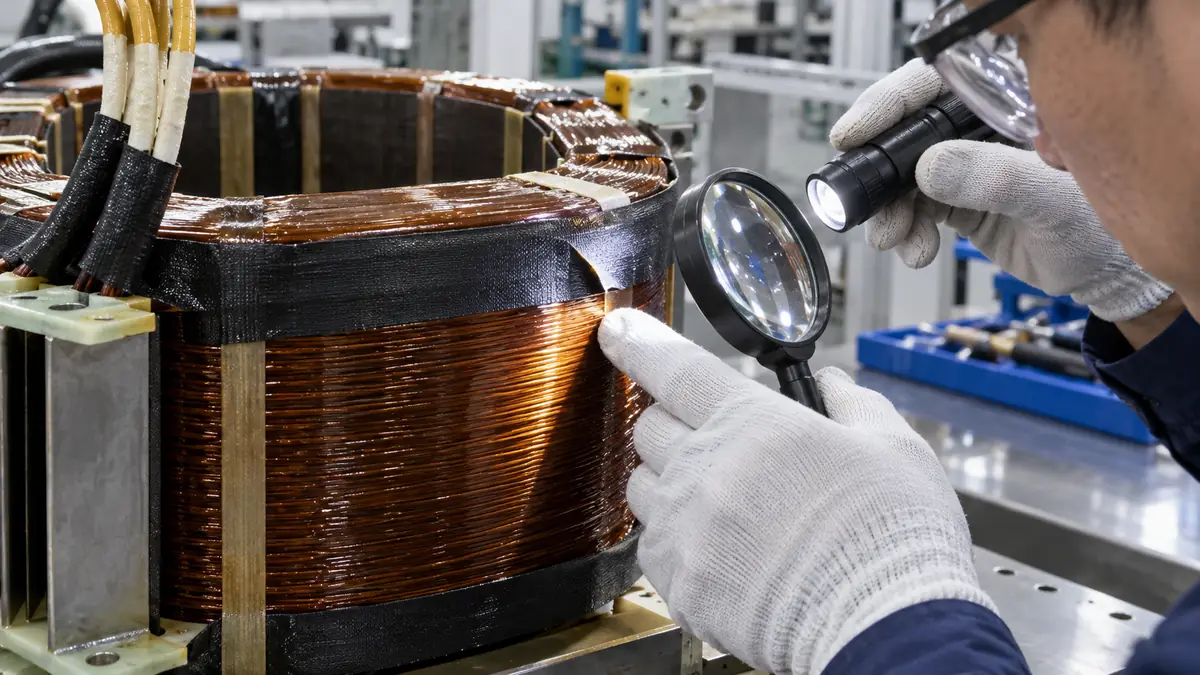
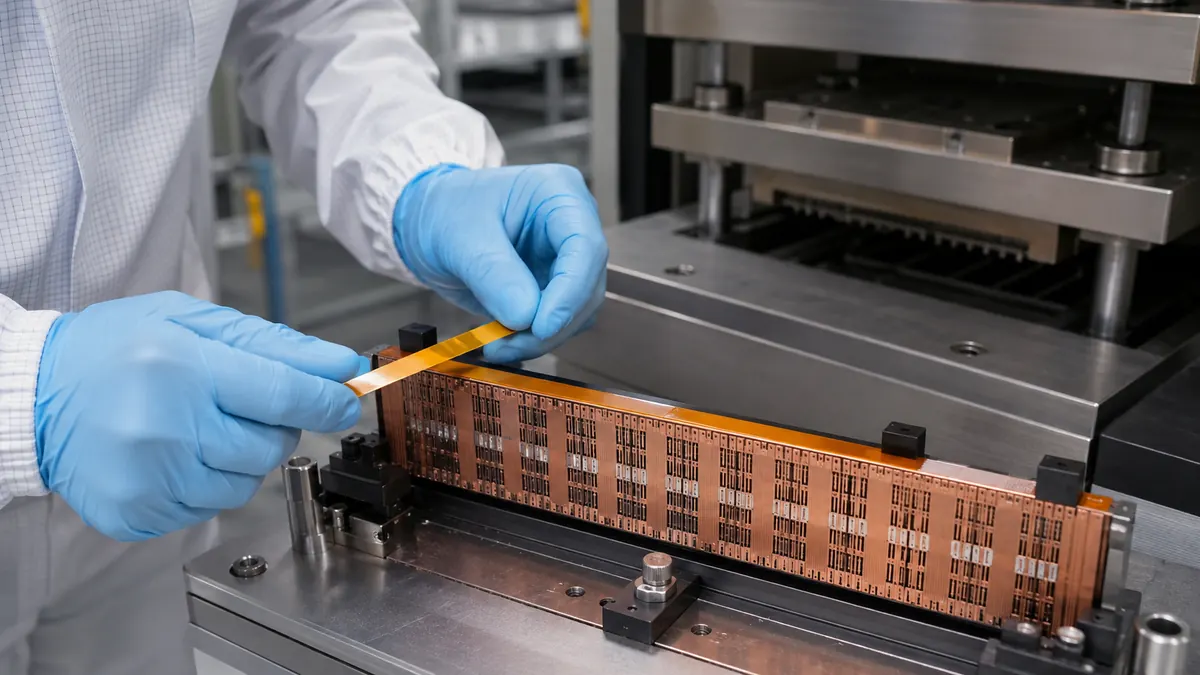
Motor and transformer windings require attention to thermal class, varnish compatibility, winding tension, and mechanical movement. PCB and electronic assemblies may require precise masking and insulation around terminals or conductive areas. Battery packs add concerns such as tight space, vibration, sharp edges, and location-specific dielectric requirements. See our polyimide tape for lithium battery insulation guide and polyimide tape product range.
Data to Request From a Supplier
- Film, adhesive type, and total thickness
- Breakdown voltage and dielectric strength
- Test method, specimen preparation, and conditioning
- Temperature and humidity during testing
- Typical versus guaranteed values
- Storage conditions and shelf life
- Available widths, liners, and die-cut tolerances
Frequently Asked Questions
Is dielectric strength the maximum safe voltage?
No. It is a material test result under defined conditions. Safe working voltage must be determined by the complete equipment design and relevant standards.
Does adding two tape layers double the voltage rating?
Not automatically. Overlaps, trapped air, edge geometry, defects, pressure, and assembly conditions affect multilayer performance. Test the actual layered construction.
Can film data represent finished adhesive tape?
No. Film data is useful background information, but a finished tape includes adhesive and interfaces. Use test data for the exact tape construction.
Conclusion
Polyimide tape dielectric strength is one input to insulation design, not a complete design rule. JIAO TAO TAO can provide custom widths, rolls, liner-backed materials, and die-cut parts for application testing when you share the electrical, thermal, dimensional, and production requirements.
Polyimide Tape vs Polyester Tape: Which One Should You Use?
Polyimide Tape Residue: Causes, Prevention and Clean Removal
Related Article

Need help choosing the right industrial tape?
Send us your application details, including temperature, surface material, size, quantity and current problem. Our team will help recommend a suitable tape material or custom die-cut solution.

simon@jiaotaotao.com


+86-136 1277 5969

+86-136 1277 5969
