
Butyl Flashing Tape Corners: Folds, Laps and Sample Checks
Butyl flashing tape corners need a detail that follows the shape without leaving a tunnel, wrinkle or open path for water. Start with a sound, supported surface, then choose a fold or a lapped arrangement that the actual tape can form. Confirm the overlap and drainage sequence for the project; there is no universal lap size for every tape, backing and corner.
This guide focuses on planning and checking corner samples. For the basic material types and uses, see the JIAOTAOTAO butyl seal tape overview.
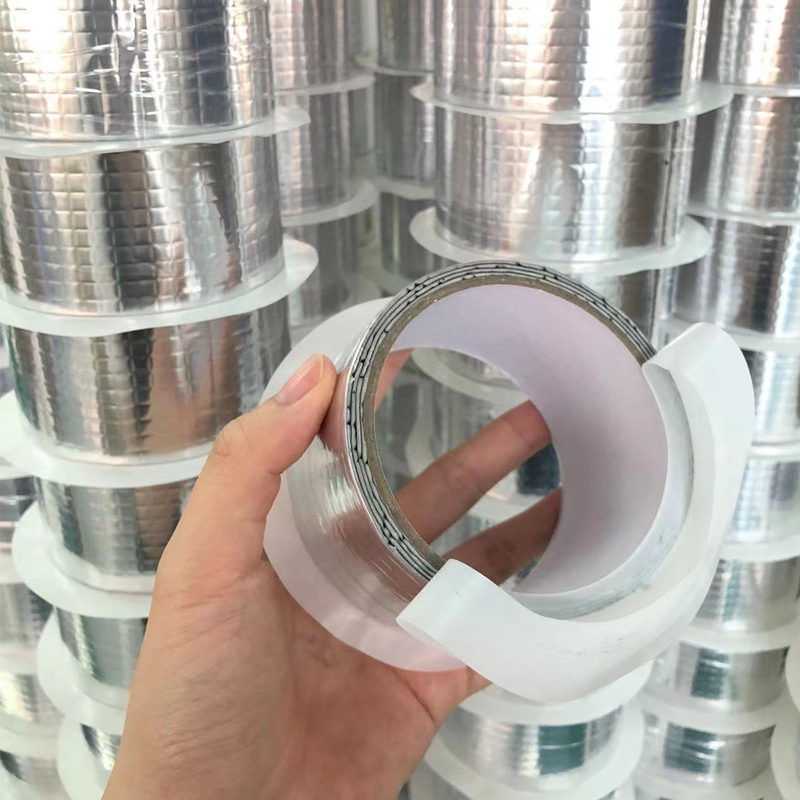
1. Map the corner before cutting tape
Mark whether the joint turns inward, wraps around an outside edge or meets another plane. A simple bend along one straight edge is a different problem from a junction where several surfaces meet. Sketch the direction water is expected to travel, and identify where the flashing connects to the rest of the assembly.
Check what is underneath the tape. Loose coatings, dirt, dampness, sharp projections and unsupported voids can undermine a neat-looking application. Repair an unsuitable substrate before covering it. Tape should not be expected to hold a loose panel in place or supply the support missing from the corner.
Also record the anticipated joint movement and the adjacent materials. Adhesive flexibility alone does not establish movement capacity for a complete tape, lap and substrate assembly.
2. Decide between a fold and separate lapped pieces
For a straightforward corner, a controlled fold may allow continuous coverage across the change in direction. Dry-position the liner-covered strip first. Check that it can reach both surfaces without stretching the backing, bridging across the inside bend or pulling away at the outside edge. Confirm the intended technique on the actual construction before application.
A more complex corner may need separate pieces or a purpose-made detail. Plan where those pieces meet before cutting. Each relief cut and termination creates another edge to assess. Do not leave a cut ending at the point where water collects, then assume another strip placed nearby closes the path.
Arrange laps to shed water in the direction required by the assembly detail. Confirm the overlap dimensions and any sealant or primer with the specified product and substrate requirements. A lap dimension from a different flashing system is not approval for the JIAOTAOTAO sample.
3. Prepare and apply without hiding defects
Use a surface preparation method compatible with the substrate and finish. If a primer is proposed, establish which primer, where it is needed and when it can be covered. Adding an unverified cleaner or primer can introduce a compatibility problem rather than solve one.
Expose only the liner area you can control, position the tape and apply the specified pressure so it contacts the surface through the bend. Use an appropriate tool where the detail requires it. Watch for trapped folds, raised lap edges and fishmouths: small tent-shaped openings at an edge. Stop and correct an unsuitable detail rather than pressing its visible edge flat while leaving a channel behind it.
4. Build a corner sample that represents the job
A flat peel sample is useful for screening adhesion, but it does not reproduce corner geometry. Make the trial with the intended substrate finish, backing, tape width and proposed joints. If the finish or tape construction changes, review whether the trial still applies.
- Document the dry layout. Photograph the fold, lap positions, terminations and water direction before exposing adhesive.
- Record application conditions. Identify the tape batch, surface preparation, primer if used, temperature and pressure method.
- Check contact. Inspect the inside bend or outside edge, cuts and every lap. Note wrinkles, gaps and unsupported areas.
- Assess service conditions. Agree appropriate conditioning and a project-relevant water-shedding check. If movement is expected, have the responsible designer define what the sample must reproduce.
- Inspect again. Look for edge lift, backing damage, changes around folds and any water path. Agree acceptance before repeating the detail on the job.
A successful sample supports that particular combination and detail. It does not establish a certification, a guaranteed service life or suitability for every roof and joint.
5. Set the boundary of the repair
Check the current JIAOTAOTAO foil-faced butyl tape construction as a starting point, then discuss whether it suits the intended corner. Product-category wording alone cannot confirm a complete building-envelope or roof detail. A flexible adhesive does not make every facing suitable for stretching over a complex shape.
This is a sealing-detail evaluation, not a method for structural bonding or load-bearing repair. Resolve movement or loss of support through the appropriate repair procedure before selecting a sealing material.
6. Frequently asked questions
Can one strip go around any corner?
No. A straight change in direction and a junction between several planes impose different demands. Test whether the chosen backing can form the detail without bridging, tearing or leaving open edges. Some corners need a different piece layout or a specifically designed component.
How much should butyl flashing tape overlap?
Use the overlap specified for the exact product and assembly detail. Confirm the water direction, substrate and installation method as well. A number copied from another tape or a generic product page does not validate your corner sample.
Can extra pressure fix a fishmouth?
Pressure is part of achieving contact, but it cannot validate a poorly fitting layout. Check whether a channel remains behind the edge or the backing is under tension. Revise and retest the detail if it will not stay fully contacted.
Does a thicker butyl layer solve joint movement?
Not automatically. Movement involves the substrate, facing, adhesive, lap and termination together. Define the expected movement and assess the complete detail. Do not select thickness alone as evidence of structural strength or movement accommodation.
7. Send a corner drawing with the inquiry
Send JIAOTAOTAO photographs and a dimensioned sketch showing the corner, available contact area, substrate and coating, expected water direction and movement. Include application conditions, exposure, proposed lap arrangement and quantity. State what would count as an acceptable sample result.
Ask JIAOTAOTAO about a butyl tape corner sample before fixing the final detail. That information makes it possible to discuss a candidate construction without guessing an overlap, service life or application approval.
PE Protective Film Removal Time: Plan the Full Exposure
Related Article

Need help choosing the right industrial tape?
Send us your application details, including temperature, surface material, size, quantity and current problem. Our team will help recommend a suitable tape material or custom die-cut solution.

simon@jiaotaotao.com


+86-136 1277 5969


+86-136 1277 5969
