
Best Heat Resistant Tape for Sublimation Heat Press
Best Heat Resistant Tape for Sublimation Heat Press
The best heat resistant tape for sublimation heat press is a tape that keeps transfer paper firmly positioned during heating without shrinking, melting, staining the substrate or leaving excessive adhesive residue.
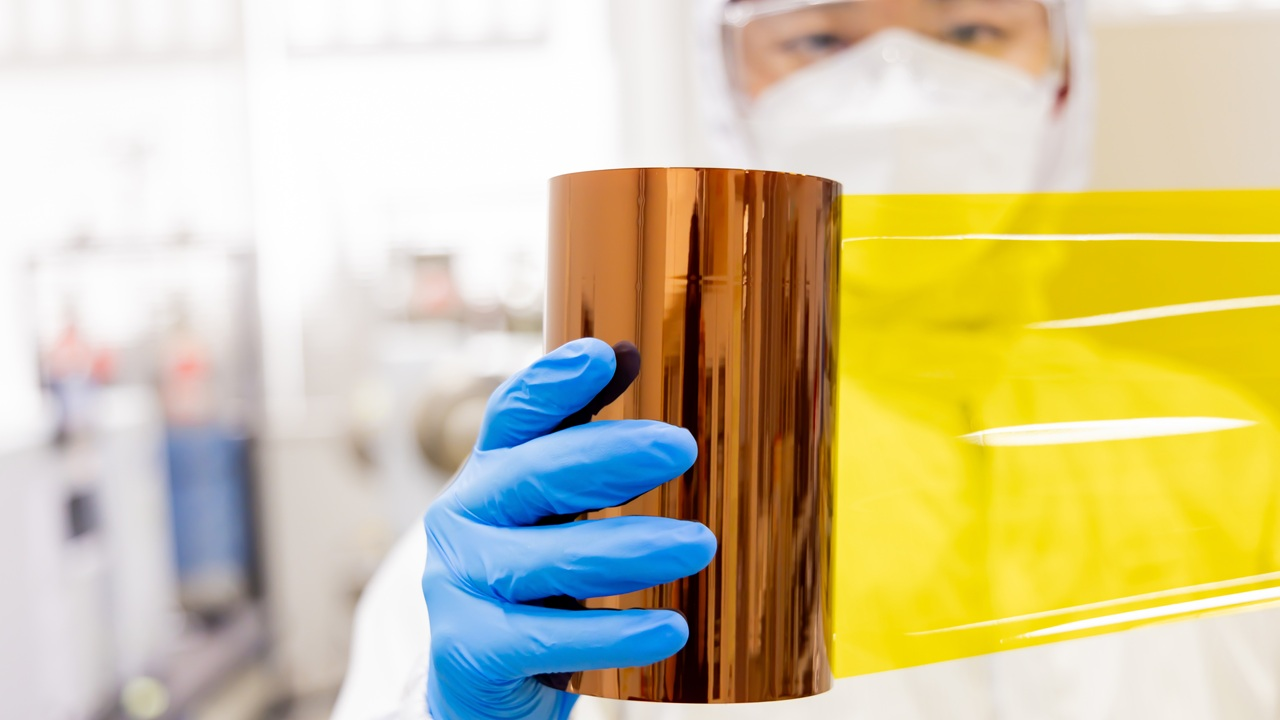
For most standard tumbler, mug and heat-transfer applications, PET silicone high temperature tape provides a practical balance of heat resistance, adhesion, dimensional stability and cost. Polyimide tape may be preferred when the process requires higher thermal resistance or longer exposure to elevated temperatures.
The correct choice depends on your heat press temperature, heating time, substrate, transfer-paper size, surface coating and production method.
What Tape Is Best for Sublimation Heat Press?
There is no single tape that is automatically best for every sublimation process.
For most commercial sublimation applications, the tape should provide four essential properties:
- Reliable adhesion during heating
- Resistance to the actual heat-transfer temperature
- Dimensional stability without excessive shrinking or curling
- Clean removal after the transfer process
Two materials are commonly considered:
- PET silicone tape for standard sublimation and heat-transfer applications
- Polyimide tape for higher-temperature or more demanding thermal processes
For tumblers, mugs, coated metal products and general heat-transfer printing, PET silicone tape is often a cost-effective solution when the selected grade is validated for the actual process temperature.
Why Is Heat Resistant Tape Needed for Sublimation?
Sublimation transfers an image from printed transfer paper to a coated product using heat and pressure.
During this process, the transfer paper must remain tightly aligned with the substrate.
Even a small movement can cause:
- Ghosting
- Double images
- Blurred edges
- Misaligned graphics
- Uneven color transfer
Heat-resistant tape holds the transfer paper in the correct position before and during heating.
Unlike ordinary office or packaging tape, a properly selected sublimation heat tape is designed to tolerate elevated temperatures without excessive adhesive softening or backing deformation.
Common Applications of Sublimation Heat Tape
Sublimation Tumblers
Heat-resistant tape is commonly used to secure printed transfer paper around stainless steel sublimation tumblers.
The tape helps keep the seam and edges tight while the tumbler is processed in a tumbler press or suitable heating system.
Sublimation Mugs
For ceramic mugs, tape holds the printed transfer paper against the coated mug surface before the product enters a mug press.
Proper positioning helps reduce image movement and misalignment.
Travel Cups and Bottles
Curved and cylindrical products often require several tape strips to keep transfer paper tightly positioned around the surface.
Metal Photo Panels
Heat-resistant tape can secure transfer sheets to coated aluminum panels and other sublimation-ready metal substrates.
Keychains and Small Sublimation Blanks
Narrow tape is useful for positioning small transfer-paper pieces on keychains, ornaments, tags and other compact products.
Heat Transfer Crafts
Heat-resistant tape can also be used in selected craft processes where printed transfer material must remain stable during heating.
Why PET Silicone Tape Is Suitable for Sublimation
PET high temperature tape is typically made from a polyester film backing combined with a heat-resistant pressure-sensitive adhesive, commonly silicone.
| Property | Benefit for Sublimation |
|---|---|
| PET polyester backing | Provides dimensional stability during heat-transfer processing |
| Silicone adhesive | Maintains adhesion during elevated-temperature processing |
| Thin construction | Helps reduce unnecessary thickness around transfer-paper edges |
| Flexible film | Suitable for curved surfaces such as mugs and tumblers |
| Available narrow widths | Allows precise placement around small transfer areas |
| Clean-removal potential | Can reduce adhesive residue when used within validated conditions |
Typical PET Silicone High Temperature Tape Specifications
Specifications vary according to product construction and adhesive formulation. The following values are typical reference specifications for selected PET silicone high-temperature tapes.
| Property | Typical Specification |
|---|---|
| Backing material | PET polyester film |
| Adhesive | Silicone pressure-sensitive adhesive |
| Common color | Green |
| Typical continuous temperature | Up to approximately 180°C for selected grades |
| Typical short-term temperature | Up to approximately 230°C for selected grades |
| Common roll length | 33 m / 108 ft |
| Common widths | 10 mm, 15 mm, 30 mm and custom widths |
| Adhesive type | High-temperature silicone adhesive |
These values are general references rather than specifications for every PET tape.
The exact tape grade should always be checked against the actual heat press temperature, dwell time, pressure and substrate.
PET Silicone Tape vs Polyimide Tape for Sublimation
| Comparison | PET Silicone Tape | Polyimide Tape |
|---|---|---|
| Backing material | PET polyester film | Polyimide film |
| Heat capability | Suitable for many standard sublimation processes | Suitable for higher-temperature processes |
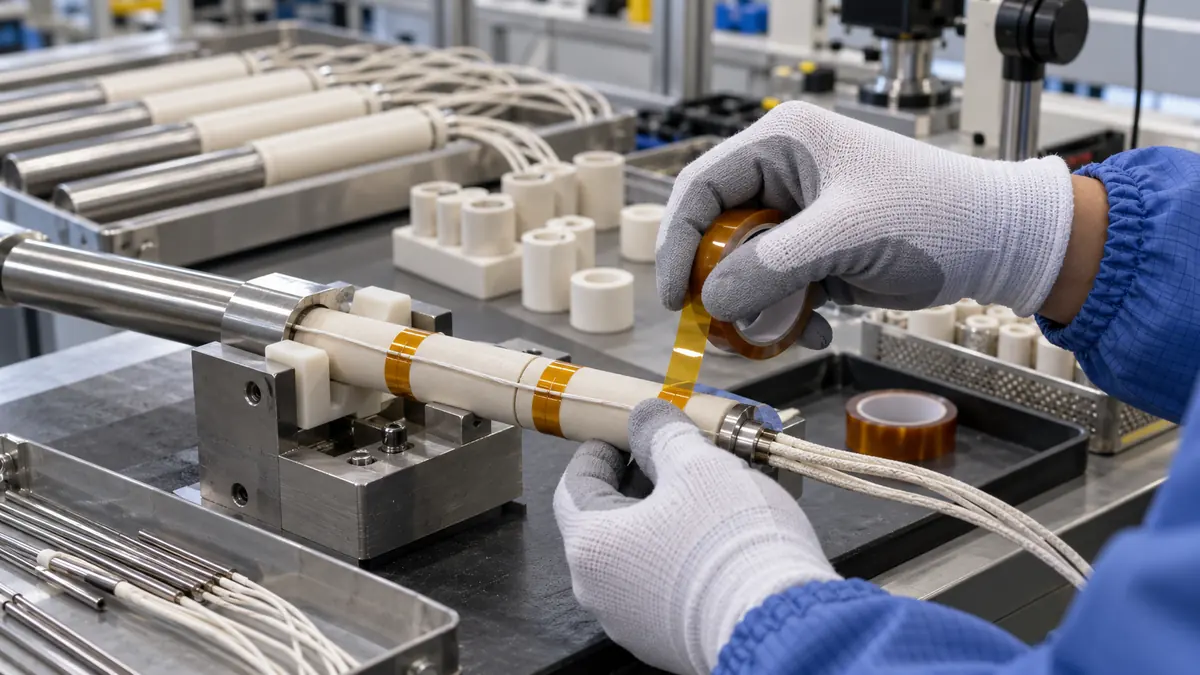
| Typical color | Green | Amber |
| Cost | Generally more economical | Generally higher |
| Typical application | Tumblers, mugs, transfer paper and general heat-transfer work | Higher-temperature and demanding thermal applications |
| Electrical insulation | Suitable for general industrial protection | Excellent for demanding electrical insulation applications |
For standard sublimation temperatures, PET silicone tape can often provide a more economical solution.
Polyimide tape is better suited when the process requires greater thermal stability or higher temperature resistance.
The final selection should be based on actual process testing rather than tape color alone.
How to Choose Heat Resistant Tape for Tumblers
1. Confirm the Actual Heating Temperature
Check the real process temperature rather than relying only on the machine setting.
The tape must remain stable for the complete heating cycle.
2. Confirm the Heating Time
A short heat-press cycle and a longer tumbler-heating process create different thermal stresses on the tape.
A tape that performs well during short exposure may behave differently during longer heating.
3. Check the Tumbler Surface
Adhesion can vary depending on the coating and surface finish of the tumbler.
Testing should be performed on the actual product whenever possible.
4. Select the Correct Tape Width
Common narrow widths such as 10 mm and 15 mm are useful for precise transfer paper positioning.
Wider tape may provide additional holding force for larger transfer sheets.
5. Check for Adhesive Residue
Residue should be evaluated after the complete heating and cooling cycle.
6. Evaluate Tape Marks
Excessive tape thickness, overlap or pressure may create visible lines around the transfer area.
Use only the amount of tape required to hold the transfer paper securely.
How to Use Heat Resistant Tape for Sublimation
- Clean the substrate. Remove oil, dust, moisture and fingerprints from the mug, tumbler or coated surface.
- Position the transfer paper. Align the printed design accurately with the product.
- Secure the main seam. Apply heat-resistant tape to prevent the transfer paper from shifting.
- Secure additional edges. Add tape to the upper, lower or curved areas when necessary.
- Check paper contact. Make sure the transfer paper remains tight against the substrate.
- Run the heat-transfer process. Follow the validated time, temperature and pressure requirements.
- Remove the product safely. Follow the appropriate cooling and handling procedure.
- Remove tape and transfer paper. Peel carefully to avoid shifting the transfer paper while the process is being completed.
- Inspect the finished product. Check for ghosting, tape marks, residue and color defects.
Best Tape Placement for Tumbler Sublimation
Correct tape placement is important because the goal is to prevent transfer paper movement while using as little unnecessary tape as possible.
Recommended practices include:
- Secure the main transfer-paper seam first
- Keep the paper tight around the tumbler
- Add strips near the top and bottom when required
- Use extra tape on tapered or curved sections
- Avoid excessive overlap
- Avoid covering critical printed areas unnecessarily
- Check every paper edge before heating
Common Sublimation Tape Problems and Solutions
| Problem | Possible Cause | Recommended Action |
|---|---|---|
| Ghosting or double image | Transfer paper moved during heating or removal | Secure critical edges more firmly with heat-resistant tape |
| Tape lifts during heating | Insufficient adhesion or contaminated surface | Clean the surface and test a suitable silicone adhesive tape |
| Tape shrinks | Backing is unsuitable for the actual process temperature | Use a higher-temperature tape construction |
| Adhesive residue | Excessive heat, long exposure or incompatible adhesive | Review temperature, dwell time and tape grade |
| Visible tape marks | Excessive tape thickness, pressure or overlap | Use thinner tape and reduce unnecessary overlap |
| Transfer paper lifts at the edge | Insufficient tape coverage | Add narrow tape strips to critical edges |
| Image is misaligned | Paper was not secured before pressing | Align and tape the design before starting the heat cycle |
Why Does Sublimation Heat Tape Leave Residue?
Adhesive residue can occur when the selected tape does not match the actual processing conditions.
Common causes include:
- Temperature above the tape's validated range
- Heating time longer than recommended
- Repeated heating cycles
- Excessive heat press pressure
- Incompatibility between adhesive and substrate coating
- Leaving the tape on the hot product too long
- Using a general-purpose tape instead of a heat-resistant grade
Always test the tape using the actual sublimation blank, heating equipment, temperature and dwell time before large-scale production.
Can Normal Tape Be Used for Sublimation?
Ordinary office tape, packaging tape and many general-purpose adhesive tapes are not designed for sublimation heat.
They may:
- Soften
- Melt
- Shrink
- Discolor
- Lose adhesion
- Leave adhesive residue
For reliable production, use tape designed and validated for elevated temperature processing.
Heat Resistant Tape for Commercial Sublimation Production
Commercial sublimation businesses should evaluate more than the purchase price of each roll.
Important production factors include:
- Consistent adhesive performance
- Stable width and thickness
- Easy unwinding
- Clean cutting
- Low residue
- Consistent heat resistance
- Availability of custom widths
- Reliable large-volume supply
- OEM and private-label packaging
A slightly cheaper tape that frequently lifts, leaves residue or causes ghosting can create higher production costs through rework and rejected products.
How to Test Sublimation Heat Tape Before Bulk Purchasing
- Select the actual sublimation blank. Use your production tumbler, mug or coated product.
- Apply the real transfer paper. Use the same paper and ink system used in production.
- Apply the tape. Test the intended width and placement method.
- Run the normal heat cycle. Use your real temperature, pressure and time.
- Remove the tape. Check whether it tears, shrinks or leaves residue.
- Inspect the image. Look for ghosting, discoloration and tape marks.
- Repeat the test. Confirm consistent performance across multiple products.
Heat Resistant Sublimation Tape Manufacturer
JIAO TAO TAO is an industrial adhesive tape manufacturer based in Dongguan, Guangdong, China.
Established in 2009, the company operates a 6,000 m² production facility with coating, slitting, rewinding, cutting, online testing and custom converting capabilities.
PET silicone high-temperature tape can be supplied for:
- Sublimation tumblers
- Ceramic mugs
- Heat press transfer paper
- Metal photo panels
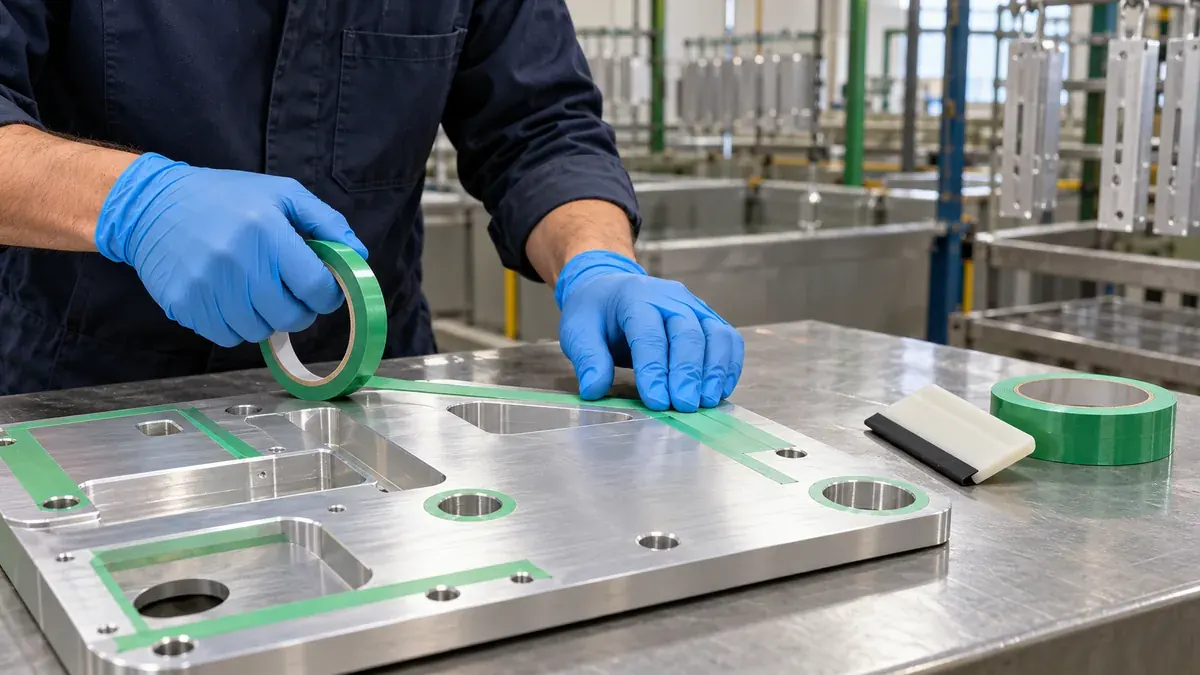
- Powder coating masking
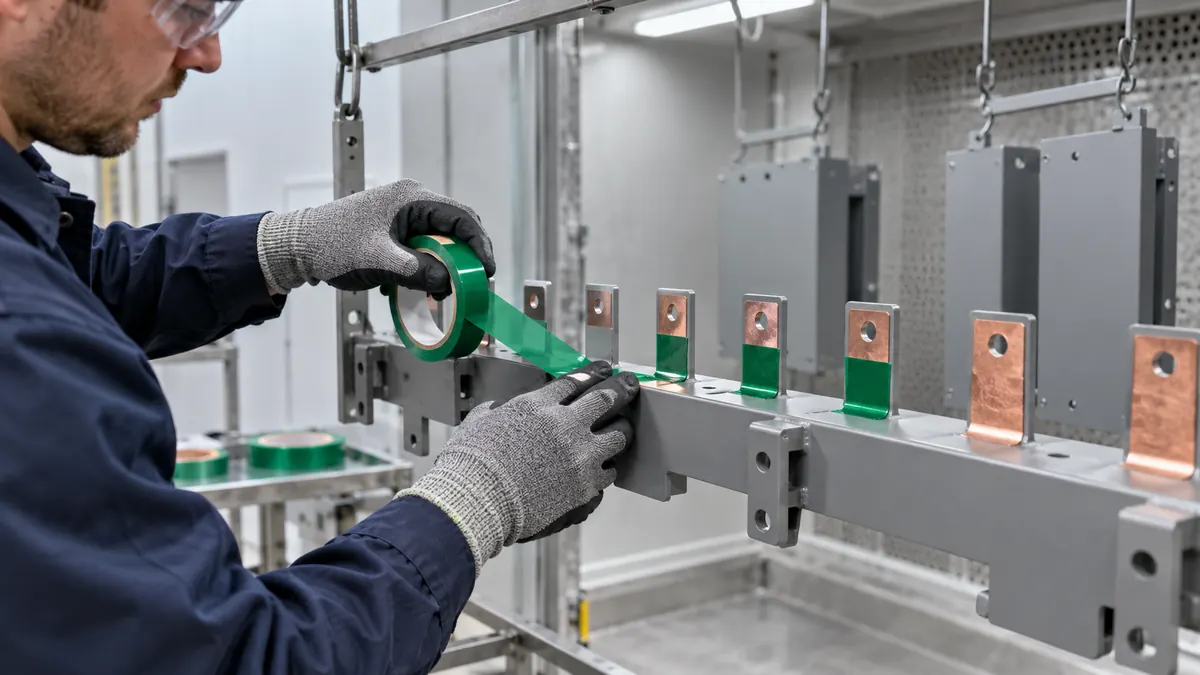
- PCB protection
- Industrial high-temperature masking
Available services include:
- Custom tape widths
- 10 mm, 15 mm and 30 mm common widths
- 33 m / 108 ft roll lengths
- Green PET silicone tape
- Custom slitting
- OEM packaging
- Private-label service
- Sample testing support
Learn more about PET silicone high temperature tape , read our guide to high temperature tape for powder coating , or send your sublimation tape requirements .
Frequently Asked Questions
What is the best heat resistant tape for sublimation?
PET silicone tape is a practical choice for many standard sublimation applications because it combines heat resistance, stable adhesion and dimensional stability. Polyimide tape may be preferred for higher-temperature processes.
Can heat resistant tape be used on tumblers?
Yes. Heat-resistant tape is widely used to hold transfer paper around sublimation tumblers during heating.
Can heat tape be used on mugs?
Yes. It can hold printed transfer paper in position on ceramic sublimation mugs before heat pressing.
Can I use ordinary masking tape for sublimation?
Ordinary masking tape may shrink, discolor or lose adhesion at sublimation temperatures. A heat-resistant tape designed for thermal processing is the safer choice.
Why does sublimation tape leave residue?
Residue can result from excessive temperature, long heating time, incompatible adhesive or interaction with the substrate coating.
Why does my sublimation image have ghosting?
Ghosting commonly occurs when transfer paper moves during heating or removal. Secure the paper firmly using suitable heat-resistant tape.
Is PET tape better than Kapton tape for sublimation?
PET silicone tape is often more economical and sufficient for standard sublimation processes. Polyimide tape offers higher thermal resistance for more demanding applications.
What width of sublimation tape should I use?
10 mm and 15 mm widths are useful for precise positioning on mugs and tumblers. Wider tape can provide additional holding force for larger transfer sheets.
How long should heat tape stay on a sublimation product?
The tape should remain in place only for the validated production process. Removal timing depends on the substrate, transfer method and cooling procedure.
High Temperature Tape for Powder Coating Masking
High Temperature Tape for SMT Reflow & Wave Soldering
Related Article
Need help choosing the right industrial tape?
Send us your application details, including temperature, surface material, size, quantity and current problem. Our team will help recommend a suitable tape material or custom die-cut solution.

simon@jiaotaotao.com


+86-136 1277 5969

+86-136 1277 5969
