
White Masking Tape Guide
Table of Contents
White Masking Guide
Direct Answer
White masking refers to a category of pressure-sensitive masking tapes made with paper backing and adhesive coatings, designed for surface protection, paint masking, and light-duty insulation. It is widely used due to its clean removal, conformability, and controlled adhesion across industrial substrates.
Learn how white masking tape works, including specifications, adhesive types, and how to select the right masking tape for industrial masking and insulation applications.
Quick Facts
Material type: Crepe paper / flatback paper
Adhesive system: Rubber-based or acrylic
Temperature resistance: 60°C – 120°C
Dielectric strength: 2–5 kV
Core uses: Surface masking, painting, labeling, insulation

What is White Masking
White masking tape is a single-sided adhesive tape composed of a paper backing (typically crepe paper) coated with pressure-sensitive adhesive. It is designed for temporary adhesion, allowing easy removal without residue.
The crepe structure enables flexibility and conformability, allowing the tape to adapt to irregular surfaces. This makes it suitable for industrial masking, painting, and light-duty electrical insulation.
Explore product details:
white masking tape for industrial painting and surface protection
Why White Masking is Used for Industrial Applications
High dielectric strength
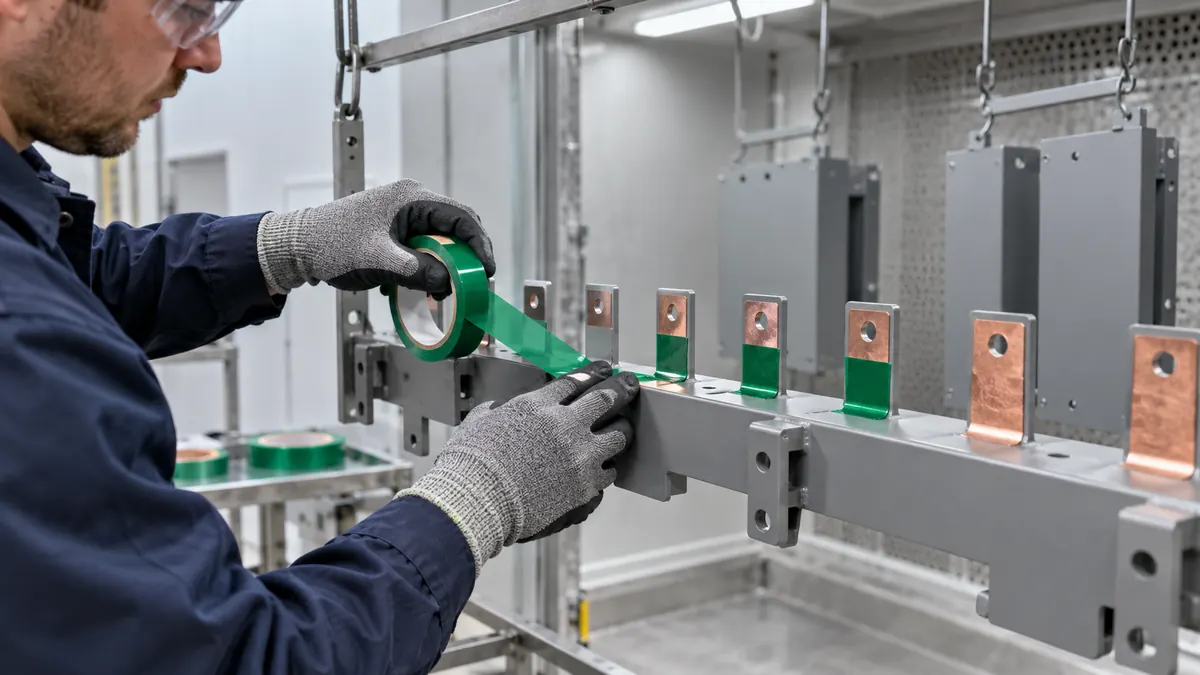
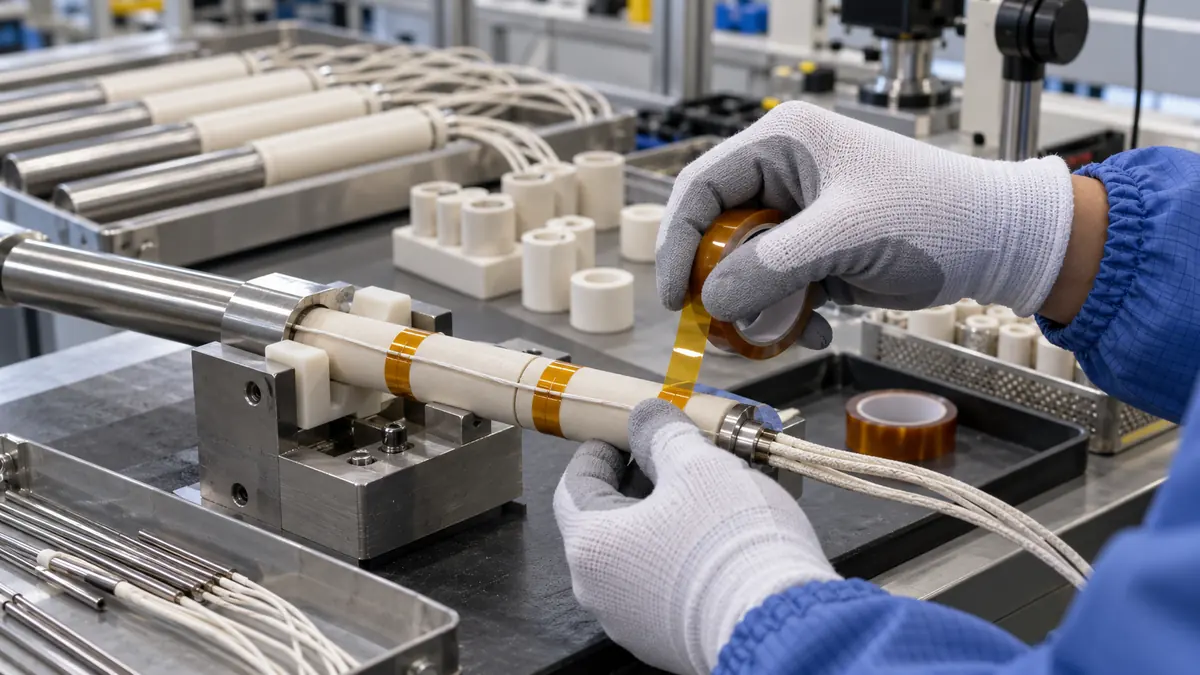
Although not designed for high-voltage systems, white masking tape provides basic electrical insulation for low-voltage applications such as wire bundling and temporary protection.
Excellent heat resistance
Depending on adhesive type, masking tapes can withstand temperatures up to 120°C, making them suitable for automotive painting and baking processes.
Chemical stability & solvent resistance
Masking tape resists mild solvents and paints, ensuring clean removal without adhesive residue after processing.
Mechanical durability
The paper backing offers sufficient strength for masking while maintaining tearability, improving efficiency in manual application and die-cutting processes.

Key Types of White Masking
- General-purpose masking tape – for standard industrial masking
- High-temperature masking tape – for automotive and oven curing
- Fine line masking tape – for precision painting applications
- Low-residue masking tape – designed for clean removal
Factors That Affect White Masking Performance
- Thickness: Impacts durability and tear resistance
- Backing material quality: Affects conformability and strength
- Adhesive type: Rubber offers quick tack; acrylic offers durability
- Temperature rating: Critical for paint curing processes
White Masking Specifications and Technical Data
| Parameter | Typical Value |
|---|---|
| Thickness | 0.12 mm – 0.18 mm |
| Adhesive Type | Rubber-based / Acrylic |
| Temperature Resistance | 60°C – 120°C |
| Tensile Strength | 30–80 N/25mm |
| Dielectric Strength | 2–5 kV |
| Elongation | 5% – 10% |
Reference standards:
ASTM International standards
UL certification guidelines
Industrial Applications of White Masking
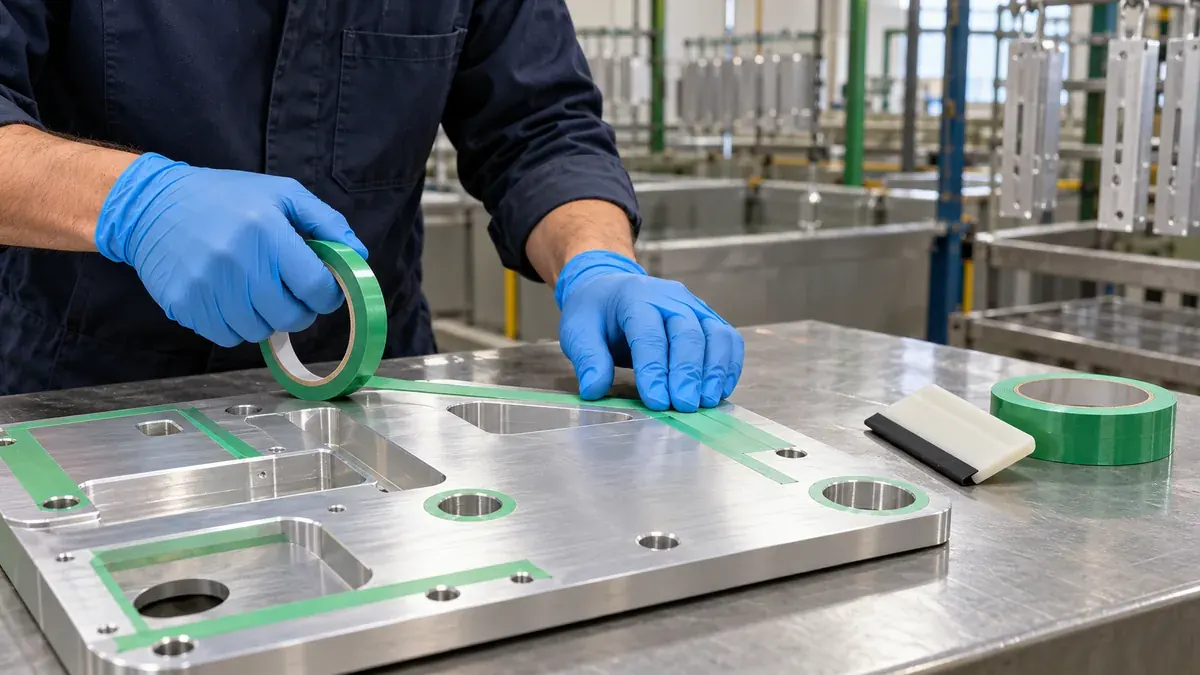
- Automotive painting: Protects surfaces during spray and bake cycles
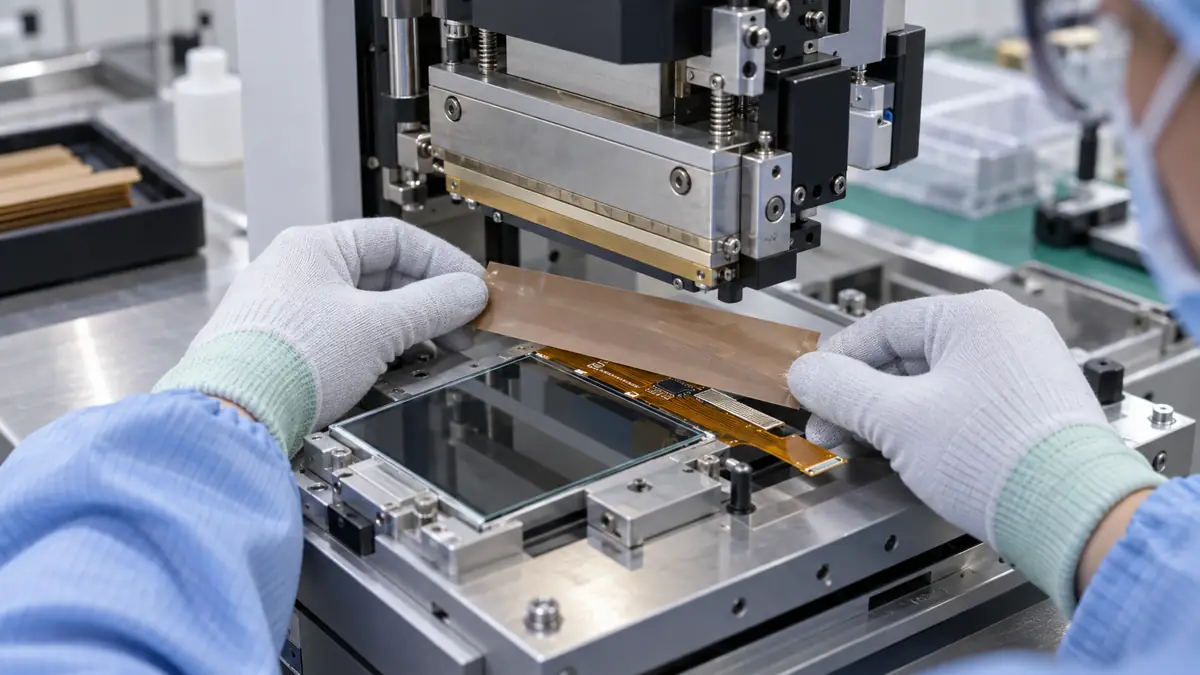
- Electronics manufacturing: Used for temporary insulation and labeling
- Construction finishing: Ensures clean paint edges and surface protection
- Industrial packaging: Used for bundling and temporary holding

How to Choose the Right White Masking
Step 1: Confirm operating temperature
Ensure compatibility with curing or processing temperatures.
Step 2: Choose backing thickness
Thicker tapes provide better durability in demanding environments.
Step 3: Select adhesive type
Rubber adhesive for quick bonding; acrylic for long-term stability.
Step 4: Evaluate manufacturer certifications
Check compliance with ISO, RoHS, and industrial standards.
Where to Buy High-Quality White Masking
Reliable suppliers should provide:
- Bulk purchasing for industrial supply chains
- Custom width and die-cutting capabilities
- OEM manufacturing support
- Global export and logistics solutions
Product sourcing:
white masking tape for industrial masking applications
Additional solutions:
industrial adhesive tape manufacturer solutions
high temperature masking tape supplier
FAQ (People Also Ask)
Is white masking tape heat resistant?
White masking tape can withstand temperatures between 60°C and 120°C depending on adhesive formulation. High-temperature variants are designed for automotive and industrial paint curing processes.
Can white masking tape be used for electrical insulation?
It provides basic insulation for low-voltage applications but is not suitable for high-voltage environments. It is commonly used for temporary protection and wire identification.
Does masking tape leave residue?
High-quality masking tape is designed for residue-free removal. Performance depends on surface type, temperature exposure, and duration of application.
What is the difference between rubber and acrylic adhesive?
Rubber adhesive provides strong initial tack, while acrylic adhesive offers better temperature resistance and long-term stability.
Can masking tape be customized?
Yes, masking tape can be customized in width, length, and die-cut shapes to meet OEM manufacturing requirements.
What industries use white masking tape?
Industries include automotive, construction, electronics, and general manufacturing for masking, protection, and labeling purposes.
How long can masking tape stay applied?
Application duration varies. Standard masking tape is designed for short-term use, typically 1–7 days, depending on environmental conditions and adhesive type.
Conclusion & Industrial CTA
White masking plays a critical role in industrial surface protection, painting, and temporary insulation. Its combination of controlled adhesion, clean removal, and conformability makes it a standard solution across manufacturing sectors.
For industrial procurement, OEM customization, and bulk supply:
Request a Quote:
https://www.clothadhesive.com/
Cable Harness Tape Guide
Double Sided Foam Tape Manufacturers Guide
Related Article
Need help choosing the right industrial tape?
Send us your application details, including temperature, surface material, size, quantity and current problem. Our team will help recommend a suitable tape material or custom die-cut solution.

simon@jiaotaotao.com


+86-136 1277 5969


+86-136 1277 5969
