What Is Polyimide Tape? Properties, Uses and Selection Guide
What Is Polyimide Tape? Properties, Uses and Selection Guide
Polyimide tape is a high-temperature adhesive tape made from a thin polyimide film coated with pressure-sensitive adhesive, usually silicone. It is widely used for PCB solder masking, electrical insulation, lithium battery protection, transformer manufacturing, powder coating and high-temperature industrial processing.
Compared with ordinary PVC electrical tape, polyimide tape provides better heat resistance, dielectric strength, dimensional stability and chemical resistance. It is also commonly referred to in the market as Kapton tape.
What Is Polyimide Tape Made Of?
Polyimide tape normally consists of two functional layers: a polyimide film backing and a pressure-sensitive adhesive.
| Component | Function | Typical Characteristics |
|---|---|---|
| Polyimide film | Provides mechanical and electrical performance | Heat resistant, thin, flexible and dimensionally stable |
| Silicone adhesive | Bonds the tape to metal, PCB, plastic and electrical components | High-temperature resistance and generally clean removal |
| Acrylic adhesive | Used for selected bonding and insulation requirements | Strong bonding and good aging resistance |
Silicone adhesive is the most common choice for high-temperature polyimide tape because it maintains adhesion during soldering, heat pressing and thermal processing. Actual performance depends on the adhesive formulation, total thickness, dwell time, surface condition and operating temperature.
Key Properties of Polyimide Tape
1. High-Temperature Resistance
Polyimide film retains its physical and electrical properties at temperatures far above those tolerated by common plastic films. Many silicone-adhesive polyimide tapes are designed for continuous operating temperatures up to approximately 260°C.
Short-term temperature resistance may be higher, but the suitable limit must be confirmed according to the adhesive system, application time, pressure and substrate.
2. Electrical Insulation
Polyimide tape combines a thin profile with strong dielectric performance. It is widely used to insulate transformers, motors, coils, battery components, flexible circuits and electronic assemblies.
3. Dimensional Stability
The tape resists shrinking and deformation during heating. This is important in PCB masking, SMT reflow, wave soldering and other processes where the masking line must remain accurate.
4. Chemical and Solvent Resistance
Polyimide film withstands many chemicals, oils and solvents encountered in electronics and industrial manufacturing. Compatibility testing is still recommended when the tape will contact aggressive chemicals for an extended period.
5. Clean Masking Performance
A properly selected polyimide tape can be removed after high-temperature processing without tearing or leaving excessive adhesive residue. Clean-removal performance depends on temperature, heating time, surface cleanliness and removal method.
Typical Polyimide Tape Specifications
Specifications vary by manufacturer and product grade. The following ranges are commonly used for industrial polyimide adhesive tape.
| Property | Typical Range |
|---|---|
| Backing material | Polyimide film |
| Adhesive | Silicone or acrylic |
| Film thickness | Approximately 0.025–0.050 mm |
| Total thickness | Approximately 0.035–0.100 mm |
| Common roll length | 33 m |
| Available widths | Approximately 3–500 mm or custom slit widths |
| Typical continuous temperature | Approximately −73°C to 260°C, depending on grade |
| Short-term peak temperature | Up to approximately 400°C for selected short processes |
| Common colors | Amber, black, green and red |
Buyers should not select polyimide tape using temperature resistance alone. Adhesion, dielectric requirements, thickness, residue control and processing time must also be evaluated.
What Is Polyimide Tape Used For?
PCB Solder Masking
Polyimide tape is commonly applied over PCB gold fingers, connectors, contacts and sensitive areas before wave soldering, reflow soldering or tin plating. It protects the covered area from solder, heat and process contamination.
SMT Reflow and Electronics Assembly
Electronics manufacturers use polyimide tape to temporarily hold components, protect terminals and mask areas exposed to elevated temperatures during SMT processing.
Lithium Battery Insulation
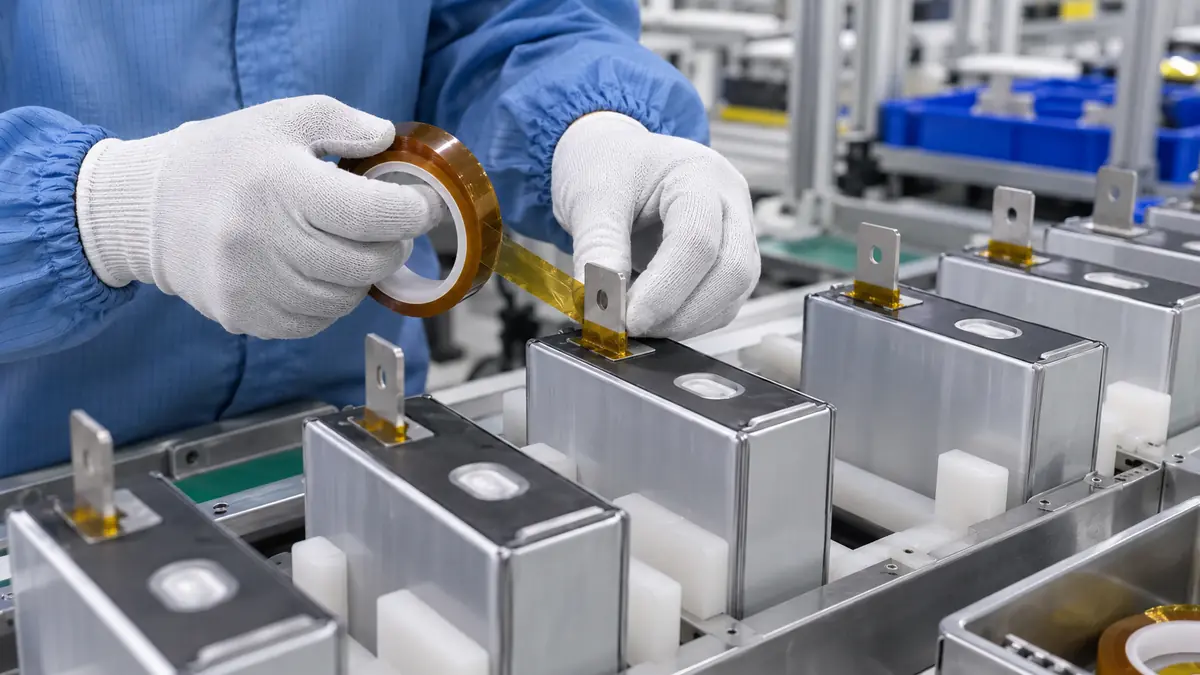
Thin polyimide tape can provide electrical insulation between battery cells, tabs, metal housings and internal components. Flame-retardant, antistatic or custom die-cut versions may be required for specific battery designs.
Transformer and Motor Insulation
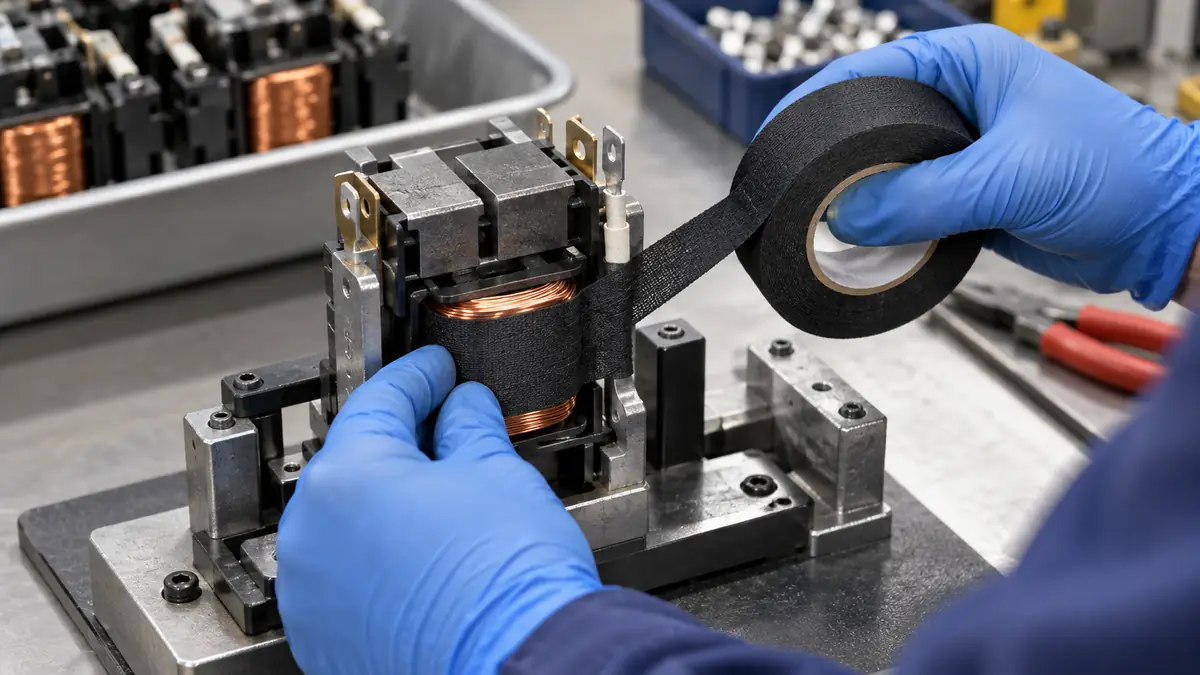
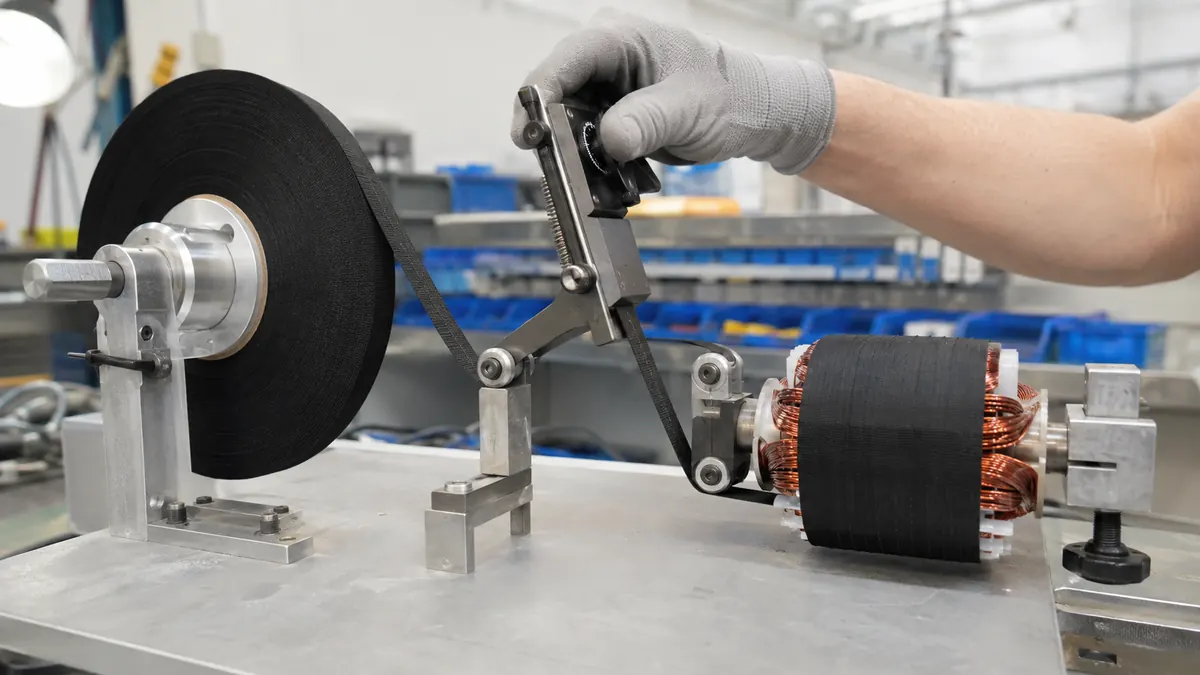
The tape is used for coil wrapping, layer insulation, lead fixation and electrical protection in transformers, motors, generators and other electromagnetic components.
Flexible Printed Circuits
Polyimide tape can be used for temporary fixation, reinforcement, insulation and protection of flexible printed circuits during assembly and processing.
Powder Coating and High-Temperature Painting
Metal processors use polyimide tape to mask threaded holes, contacts, edges and precision areas before powder coating, baking and industrial painting.
3D Printing
Polyimide tape may be applied to a heated 3D printer bed to create a smooth printing surface and improve adhesion for selected filament materials.
Sublimation and Heat Transfer
Narrow polyimide tape can hold transfer paper in position on mugs, tumblers, plates and other substrates during heat pressing. The correct tape should resist heat without staining the transferred design.
Polyimide Tape vs Ordinary Electrical Tape
| Feature | Polyimide Tape | Common PVC Electrical Tape |
|---|---|---|
| Primary backing | Polyimide film | PVC film |
| Temperature capability | Suitable for high-temperature processing | Better suited to general wiring temperatures |
| Thickness | Very thin | Usually thicker and softer |
| Dimensional stability | High | May soften or deform under elevated heat |
| Typical applications | PCB, batteries, motors, reflow and industrial masking | Wire bundling, repair and general electrical insulation |
Polyimide tape is normally the better choice for precision insulation and high-temperature processes. PVC electrical tape remains suitable for flexible wire wrapping and general electrical maintenance where extreme heat resistance is not required.
Read the complete comparison: Kapton Tape vs Electrical Tape .
Polyimide Tape vs PET High-Temperature Tape
| Comparison | Polyimide Tape | PET High-Temperature Tape |
|---|---|---|
| Backing material | Polyimide film | Polyester film |
| Temperature resistance | Higher temperature capability | Suitable for many medium and high-temperature processes |
| Typical color | Amber, black, green or red | Commonly green, blue, transparent or other colors |
| Typical use | PCB, battery insulation, motors and high-temperature electronics | Powder coating, sublimation, spray masking and general protection |
| Cost | Generally higher | Generally more economical |
Polyimide tape is generally preferred when the application requires higher thermal resistance or demanding electrical insulation. PET tape can be a more economical choice for powder coating, heat transfer and medium-temperature masking applications.
How to Choose the Correct Polyimide Tape
Confirm the Actual Process Temperature
Record both the normal operating temperature and the highest short-term temperature. Also determine how long the tape remains exposed to heat. A tape that survives a short thermal cycle may not be suitable for continuous high-temperature operation.
Identify the Surface Material
Adhesion can differ on stainless steel, aluminum, copper, PCB laminate, glass, coated metal and engineering plastic. Testing on the actual substrate is recommended.
Select the Appropriate Thickness
Thin tape is suitable for precise masking and applications with limited space. Thicker constructions may provide improved mechanical protection, but they can be less conformable around small components.
Check Residue Requirements
For PCB masking, powder coating and temporary protection, removal cleanliness is critical. Test the tape using the actual heating cycle before mass production.
Determine Electrical Requirements
For insulation applications, confirm dielectric strength, insulation class, surface resistance and flame-retardant requirements.
Choose Standard or ESD Polyimide Tape
Standard polyimide tape provides electrical insulation. ESD polyimide tape is designed for applications that require controlled surface resistance and static protection, such as sensitive electronic component assembly.
Consider Custom Converting
Polyimide tape can be supplied as standard rolls, narrow slit rolls, sheets, discs, washers and custom die-cut parts. Custom converting can reduce installation time, material waste and placement errors.
Why Does Polyimide Tape Sometimes Leave Residue?
Adhesive residue is not always caused by poor tape quality. Common causes include excessive temperature, heating for longer than the recommended duration, contaminated surfaces, unsuitable adhesive formulation and incorrect removal conditions.
- The actual temperature exceeds the recommended limit.
- The tape remains on the surface for too long.
- The substrate contains oil, dust or processing chemicals.
- The selected adhesive does not match the application.
- The tape is removed at an unsuitable temperature or angle.
- Excessive application pressure causes adhesive displacement.
Before approving a tape for production, test it using the complete manufacturing cycle, including surface cleaning, application pressure, heating time, cooling time and removal angle.
Standard, Double-Sided and ESD Polyimide Tape
Single-Sided Polyimide Tape
Single-sided polyimide tape is the most common construction. It is widely used for masking, insulation, protection and temporary fixation.
Double-Sided Polyimide Tape
Double-sided polyimide tape is coated with adhesive on both sides. It is used for high-temperature component bonding, FPC assembly, insulation and electronic manufacturing.
ESD Polyimide Tape
ESD polyimide tape combines heat resistance with controlled antistatic performance. Typical surface resistance can range from approximately 106 to 109 ohms, depending on product design.
Flame-Retardant Polyimide Tape
Flame-retardant grades are designed for electrical and electronic applications where additional fire-performance requirements apply. Certification and test methods should be confirmed for each product.
Polyimide Tape Manufacturer and Custom Converting
JIAO TAO TAO is an industrial adhesive tape manufacturer based in Dongguan, Guangdong, China. Established in 2009, the company operates a 6,000 m² production facility with coating, slitting, rewinding, cutting, online testing and custom converting capabilities.
Polyimide tape is available in standard and customized constructions for PCB manufacturing, electronics assembly, batteries, transformers, motors, powder coating and other high-temperature applications.
Available services include:
- Custom tape width and roll length
- Single-sided and double-sided constructions
- Standard, antistatic and flame-retardant grades
- Custom die-cut shapes and precision parts
- Sample testing and application recommendations
- OEM packaging and private-label services
View our single-sided polyimide tape or send your application requirements for a suitable product recommendation.
Frequently Asked Questions
Is polyimide tape the same as Kapton tape?
Polyimide tape is the general product category. Kapton is a well-known polyimide film trade name, and the term Kapton tape is often used commercially to describe polyimide adhesive tape.
How much temperature can polyimide tape withstand?
Many industrial silicone-adhesive polyimide tapes are designed for continuous temperatures up to approximately 260°C. Selected products may tolerate higher short-term temperatures, depending on adhesive, construction, exposure time and test method.
Does polyimide tape conduct electricity?
Standard polyimide film is electrically insulating. Specialized antistatic or ESD grades are available when controlled surface resistance is required.
Can polyimide tape be used on a PCB?
Yes. It is commonly used for PCB gold finger protection, solder masking, SMT reflow, wave soldering, component protection and temporary fixation.
Can polyimide tape be removed without residue?
A suitable silicone-adhesive grade can normally be removed cleanly when used within its recommended temperature and time limits. Production testing is recommended because results vary by substrate and process.
Can polyimide tape be custom die-cut?
Yes. It can be converted into discs, rings, washers, sheets, tabs and other custom shapes for batteries, electronics and industrial assembly.
What adhesive is commonly used on polyimide tape?
Silicone pressure-sensitive adhesive is the most common choice for high-temperature polyimide tape. Acrylic adhesive may also be used for selected bonding and insulation requirements.
What information should I provide when requesting polyimide tape?
Provide the operating temperature, heating duration, substrate material, required thickness, width, roll length, residue requirement, electrical requirements and estimated order quantity.
Acetate Cloth Tape for Solenoid Coil Wrapping
Different Types of Fiber Glass Tape and Their Industrial Applications
Related Article
Need help choosing the right industrial tape?
Send us your application details, including temperature, surface material, size, quantity and current problem. Our team will help recommend a suitable tape material or custom die-cut solution.