
PET High Temperature Tape for Electronics Assembly
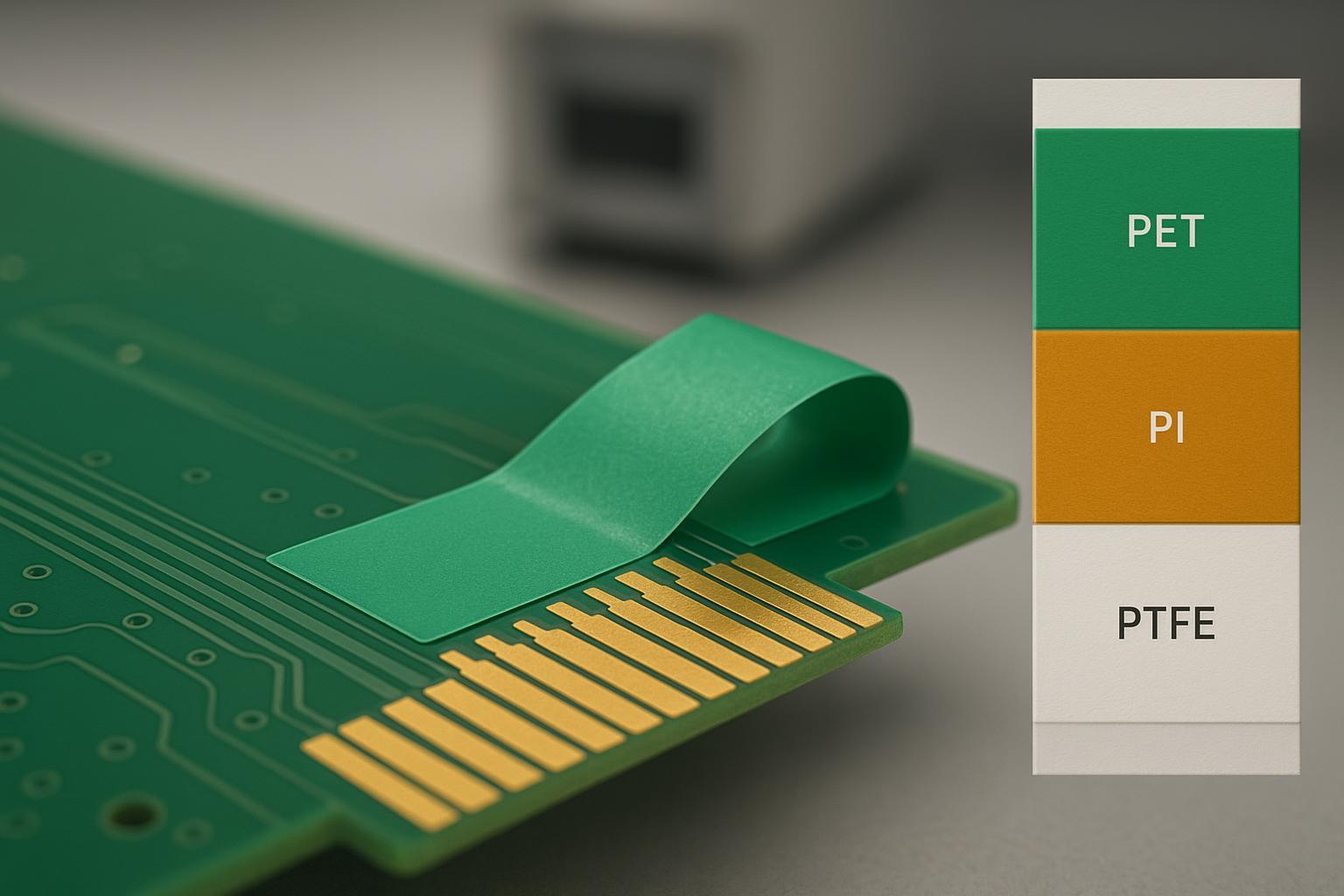
Polyester Film Tape Selection Guide
PET High Temperature Tape for Electronics Assembly
PET high temperature tape is a polyester film tape used for masking, temporary fixing, electrical insulation and process protection under moderate-to-high heat. It is commonly selected for PCB masking, electronics assembly, powder coating, oven bake, plating, anodizing and clean-removal applications. Compared with polyimide tape, PET tape is usually more economical for moderate heat processes, but it should not be used for direct soldering or reflow peak zones unless tested and approved.
Direct Answer
PET high temperature tape is best used for moderate heat masking, clean-removal protection, insulation and temporary fixation. It is a good choice when the process temperature is lower than direct soldering or reflow peak conditions. For higher heat exposure, polyimide tape is usually safer; for non-stick and chemical-release surfaces, PTFE tape may be more suitable.
- Use PET high temperature tape for PCB masking, powder coating, oven bake protection and electronics assembly.
- Choose silicone adhesive when clean removal after heat exposure is important.
- Confirm acrylic adhesive only when the supplier provides suitable technical data for the process.
- Use polyimide tape instead of PET for direct soldering or reflow peak zones.
- Request samples and test the tape on the real substrate before bulk order.
What Is PET High Temperature Tape?
PET high temperature tape is made with polyester film as the backing and a heat-resistant adhesive system coated on one side. It is used when a process needs masking, insulation, color identification, surface protection or temporary holding under controlled heat.
For B2B sourcing, PET high temperature tape should be selected by backing thickness, adhesive type, color, roll width, length, temperature requirement, clean-removal need and custom converting method. The final approval should be based on sample testing under the buyer's actual process conditions.
PET High Temperature Tape Specification Guide
PET high temperature tape is available in different colors, thicknesses, widths, roll lengths and adhesive systems. The following table summarizes the key points buyers should confirm before ordering.
| Selection Item | Recommended Check | Why It Matters |
|---|---|---|
| Backing Material | PET / polyester film | Provides dimensional stability, insulation and process masking support. |
| Adhesive System | Silicone adhesive or acrylic adhesive option | Silicone adhesive is commonly selected for high-temperature clean removal. |
| Thickness | Confirm with supplier; custom options available | Affects flexibility, edge masking, insulation and handling strength. |
| Width and Length | Custom slit width; 33m, 66m or custom roll length | Helps match masking area, fixture size and production handling. |
| Color | Green, amber, blue, red, transparent or custom color | Color helps process identification and visual inspection. |
| Temperature Requirement | Depends on material, thickness and adhesive type | Must be tested against the actual heat profile before mass production. |
| Custom Converting | Slitting, sheets, liner, kiss-cut and die-cut parts | Improves assembly speed and placement consistency in production. |
Where PET High Temperature Tape Is Used
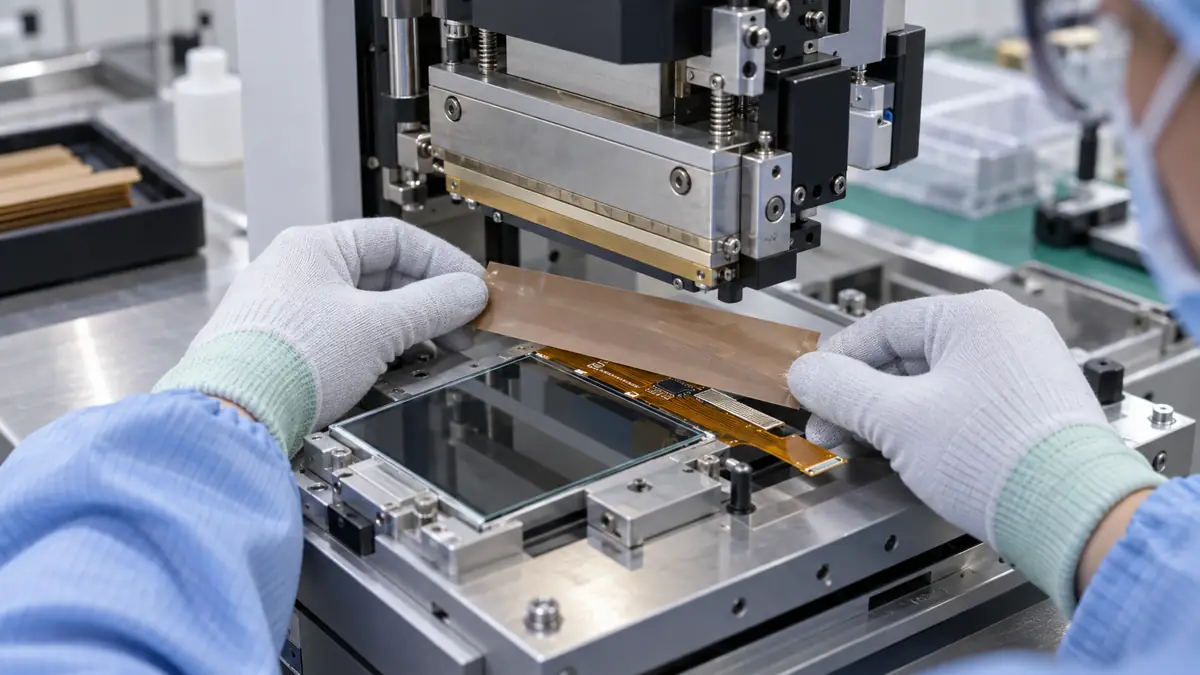
PET high temperature tape is commonly used in electronics manufacturing, powder coating, surface treatment, insulation and industrial masking. It works best when the process needs clean removal, visible masking lines and moderate heat resistance.
| Application | How PET Tape Helps | Buyer Note |
|---|---|---|
| PCB masking | Masks connectors, gold fingers and selected areas during controlled heat or coating steps. | For direct soldering or peak reflow, consider polyimide tape instead. |
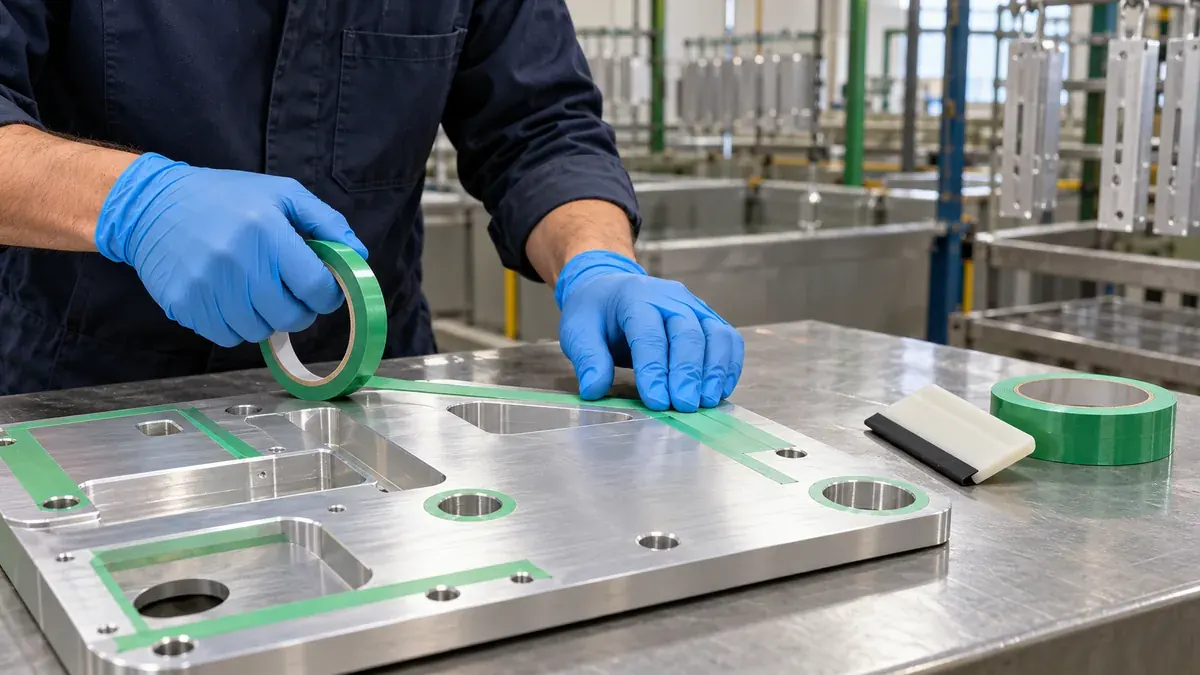
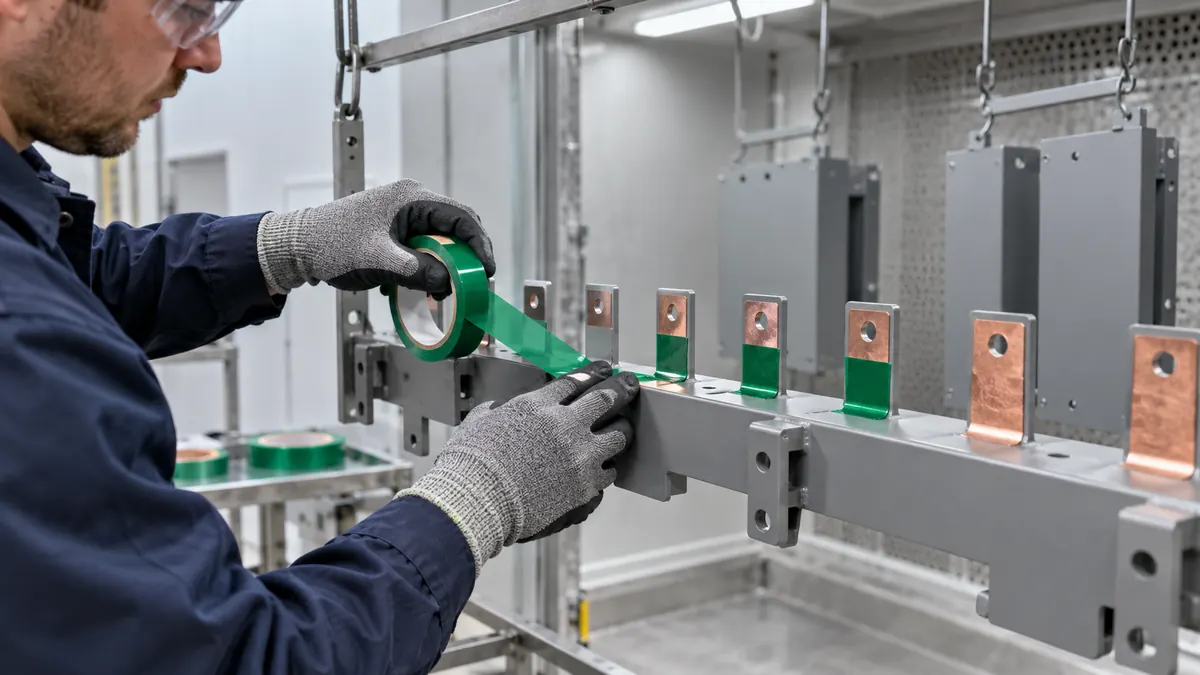
| Powder coating masking | Protects areas that should remain coating-free and supports clean edge removal. | Test removal after the actual curing profile. |
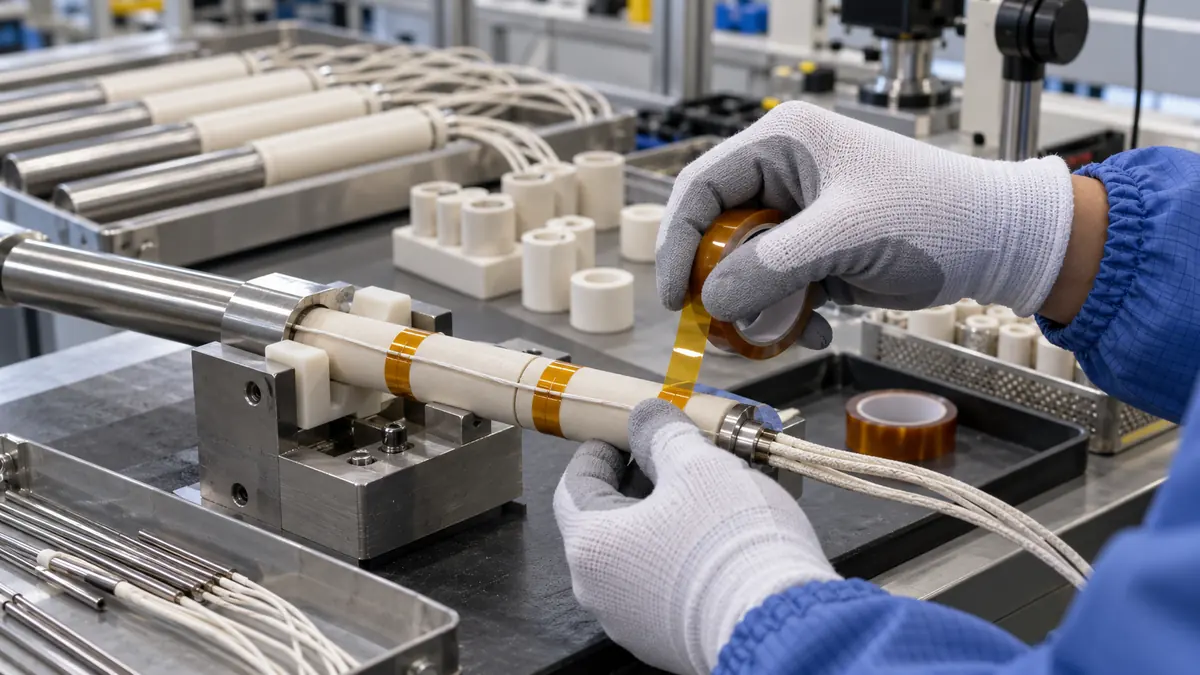
| Electronics assembly | Provides temporary fixing, insulation, surface protection and color identification. | Confirm adhesive residue behavior after heat exposure. |
| Oven bake protection | Protects fixtures, labels or selected surfaces during medium-temperature bake cycles. | Depends on dwell time, peak temperature and substrate surface. |
| Plating and anodizing masking | Helps protect specific surfaces during industrial treatment processes. | Check chemical exposure and adhesive compatibility before order. |
For related material options, compare polyester tape, polyimide tape, and PTFE tape.
PET vs PI vs PTFE Tape
PET, PI and PTFE tapes are often compared because they can all be used in heat-related processes. The correct choice depends on process temperature, masking edge requirement, clean removal, chemical exposure and whether a non-stick surface is needed.
| Tape Family | Best Use | Selection Note |
|---|---|---|
| PET High Temperature Tape | Moderate heat masking, PCB protection, powder coating, oven bake and clean-removal applications. | Good balance of cost, handling and masking edge performance. |
| Polyimide Tape | Higher-temperature masking, soldering environments and electrical insulation. | Choose when PET does not provide enough thermal headroom. |
| PTFE Tape | Non-stick, release, sliding, chemical resistance and heat-related surface protection. | Choose when release and low friction are more important than sharp masking edges. |
Silicone Adhesive vs Acrylic Adhesive
The adhesive system often decides whether PET high temperature tape removes cleanly after heat exposure. Silicone adhesive is commonly selected for high-temperature masking because it can maintain more stable adhesion during heating and removal. Acrylic adhesive may be suitable for specific applications, but it should be approved with technical data and sample testing before bulk use.
Silicone Adhesive PET Tape
Recommended for heat masking, clean removal, oven bake protection and processes where residue control is important.
Acrylic Adhesive PET Tape
Can be used for selected bonding or protection tasks, but heat exposure and residue behavior should be verified before approval.
How to Choose the Right PET High Temperature Tape
Buyers should select PET high temperature tape according to the real production profile instead of choosing only by color or thickness. The most important factors are peak temperature, dwell time, substrate surface, required masking edge, adhesive residue risk and whether custom shapes are needed.
- Confirm the process temperature: Record peak temperature and dwell time before selecting PET, PI or PTFE.
- Check the substrate: Test adhesion on metal, PCB, plastic, coating or treated surface before bulk order.
- Choose the adhesive: Use silicone adhesive for heat masking and clean-removal requirements.
- Decide the format: Use slit rolls for standard masking and die-cut parts for repeatable production placement.
- Test before approval: Run sample testing for clean removal, edge definition, residue and shrinkage.
Custom Slitting and Die-Cut Options
PET high temperature tape can be converted into narrow rolls, wide rolls, sheets, masking dots, tabs, insulation pieces and kiss-cut parts on release liner. Custom converting helps improve placement speed, reduce waste and keep masking dimensions consistent during production.
- Custom roll width and roll length
- Color options for process identification
- Release liner and easy-peel tab options
- Kiss-cut or die-cut masking shapes
- Packaging and labeling for export orders
- Sample testing before bulk production
For shaped production parts, review our custom die-cut adhesive tape solutions.
Frequently Asked Questions
What is PET high temperature tape used for?
PET high temperature tape is used for PCB masking, powder coating masking, electronics assembly, oven bake protection, insulation, plating masking and temporary process protection.
Is PET high temperature tape the same as polyimide tape?
No. PET tape uses polyester film, while polyimide tape uses PI film. PET is often selected for moderate heat and clean-removal masking, while polyimide tape is usually better for higher-temperature soldering environments.
What temperature can PET high temperature tape withstand?
The suitable temperature depends on PET film thickness, adhesive type, dwell time and substrate surface. Buyers should confirm technical data and test samples under the actual process profile before bulk order.
Is silicone adhesive better than acrylic adhesive for PET high temperature tape?
Silicone adhesive is commonly preferred for high-temperature masking and clean removal. Acrylic adhesive may be used for selected applications, but heat exposure and residue behavior should be tested first.
Can PET high temperature tape be used for PCB masking?
Yes. PET high temperature tape can be used for PCB masking in moderate heat or coating processes. For direct soldering or reflow peak zones, polyimide tape is usually a safer choice.
Can PET tape be used for reflow soldering?
PET tape is generally not recommended for direct reflow peak zones. If used near a reflow process, it should only be approved after thermal-gradient testing confirms no shrinkage, lifting or residue.
Can PET high temperature tape be die-cut?
Yes. PET high temperature tape can be slit, sheeted, kiss-cut or die-cut into custom masking parts, tabs and insulation shapes for production assembly.
What information is needed for a PET tape quotation?
Buyers should provide application, process temperature, dwell time, substrate material, tape color, thickness, width, roll length, quantity and whether die-cutting is required.
Request PET High Temperature Tape Samples or Quotation
If your project requires PET high temperature tape for PCB masking, powder coating, electronics assembly, oven bake protection or custom die-cut masking parts, JIAO TAO TAO can help review material, adhesive system, thickness, width, color, roll length, liner and sample requirements.
battery tape|How to Choose the Right Adhesive Tape for Automotive Battery Assembly|jiao tao tao tapes
Which clear adhesive tape does not yellow with age?
Related Article
Need help choosing the right industrial tape?
Send us your application details, including temperature, surface material, size, quantity and current problem. Our team will help recommend a suitable tape material or custom die-cut solution.

simon@jiaotaotao.com


+86-136 1277 5969


+86-136 1277 5969
