
Polyimide Tape Thickness: How to Choose the Right Construction
Polyimide Tape Thickness: A Practical Selection Guide
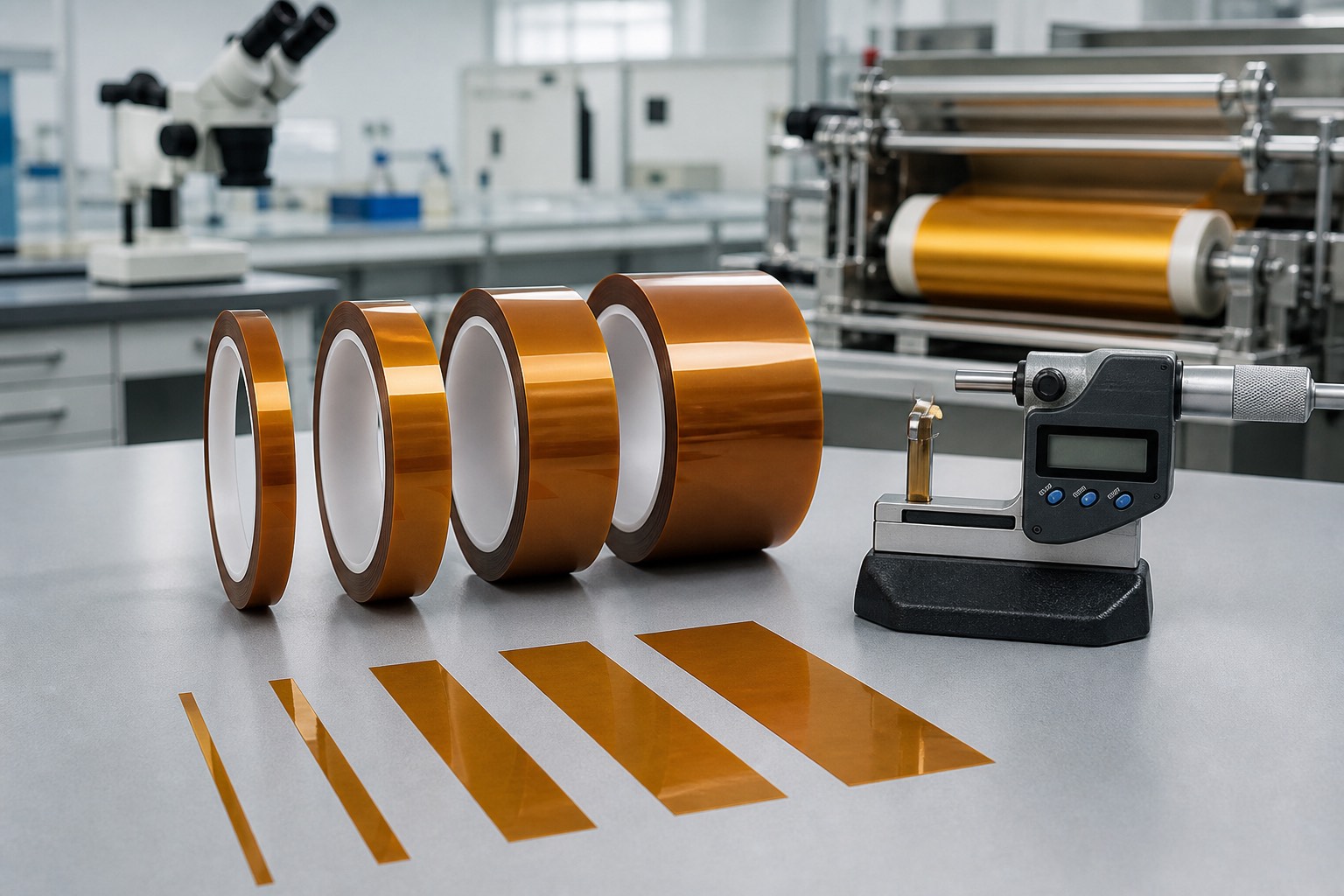
Polyimide tape thickness should be selected from the complete construction, not from the film alone. A specification may list backing thickness, adhesive thickness, and total tape thickness as separate values. For engineers and industrial buyers, the correct choice depends on conformability, dielectric spacing, puncture resistance, edge profile, winding build, masking accuracy, and the converting process.
Quick Answer
Thin polyimide tape is useful where low profile, flexibility, and precise masking are priorities. A thicker construction can provide more mechanical protection and a more substantial insulation barrier, but it also creates a higher edge and may be harder to wrap around small radii. Always compare total thickness under the same test and measurement conditions.
Film Thickness, Adhesive Thickness and Total Thickness
The polyimide film provides the primary mechanical and electrical backing. The pressure-sensitive adhesive allows the tape to wet the surface and remain positioned. Total thickness combines both layers, but some data sheets exclude a release liner. Buyers should therefore request a clear construction table rather than comparing one unlabeled number.
| Specification | What it describes | Why it matters |
|---|---|---|
| Film thickness | Polyimide backing only | Flexibility, tensile behavior and dielectric spacing |
| Adhesive thickness | Pressure-sensitive adhesive coating | Surface wet-out, adhesion and gap filling |
| Total thickness | Film plus adhesive | Finished profile, winding build and die-cut stack height |
| Liner thickness | Removable release liner | Handling and converting, not final installed thickness |
How Thickness Changes Tape Performance
Conformability and Small-Radius Wrapping
A thinner tape generally follows curves, coil windings, cable shapes, and component edges more easily. Excessive tension can still cause lifting, so application pressure and overlap must be controlled. Thicker tape may resist wrinkling on flat surfaces but can create spring-back on a tight radius.
Mechanical Protection
Additional backing thickness can improve resistance to handling damage and puncture in some assemblies. It does not automatically guarantee better abrasion life because edge exposure, contact pressure, vibration, and the underlying surface also affect durability.
Electrical Insulation
Greater dielectric spacing may help an insulation design, but dielectric strength is not calculated from thickness alone. Engineers should review the tested tape value, the test method, conditioning, electrode arrangement, and the complete insulation system. Read our polyimide tape product range when comparing constructions.
Masking Edge and Coating Build
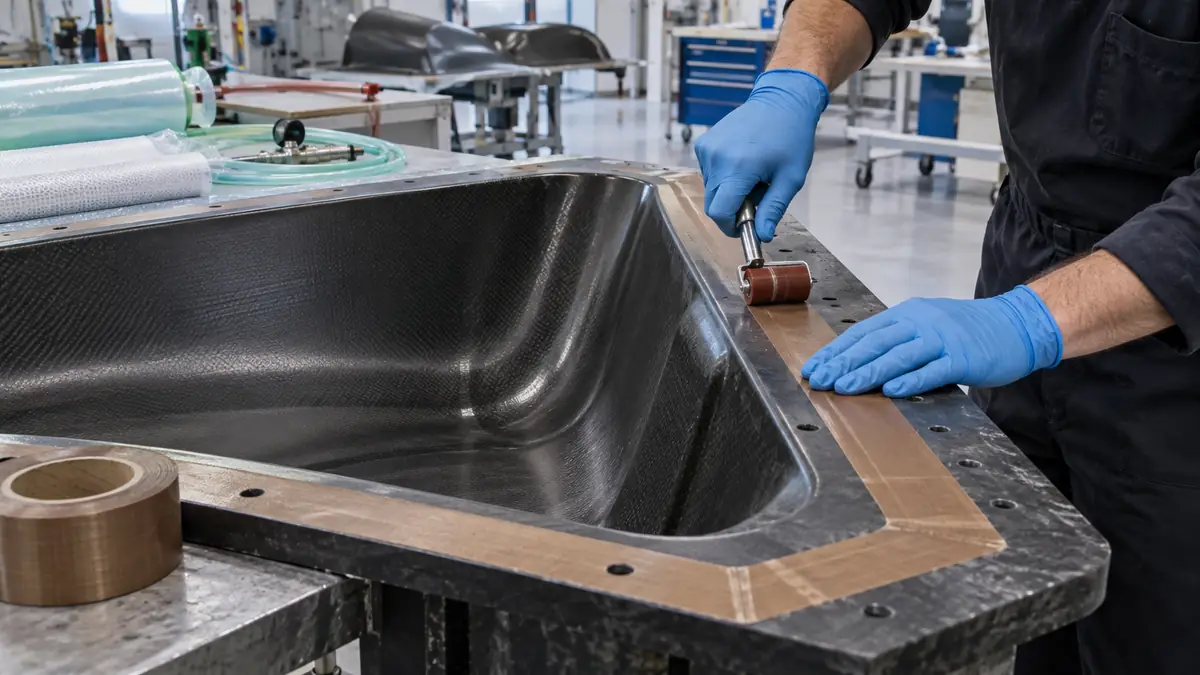
For PCB soldering, powder coating, or other masking operations, total thickness affects the step at the tape edge. A higher profile may influence coating accumulation. A thinner edge can support precise masking, provided that the tape remains stable through the full thermal cycle.
Application-Based Selection
- PCB masking: prioritize clean edges, dimensional stability, and residue-controlled removal.
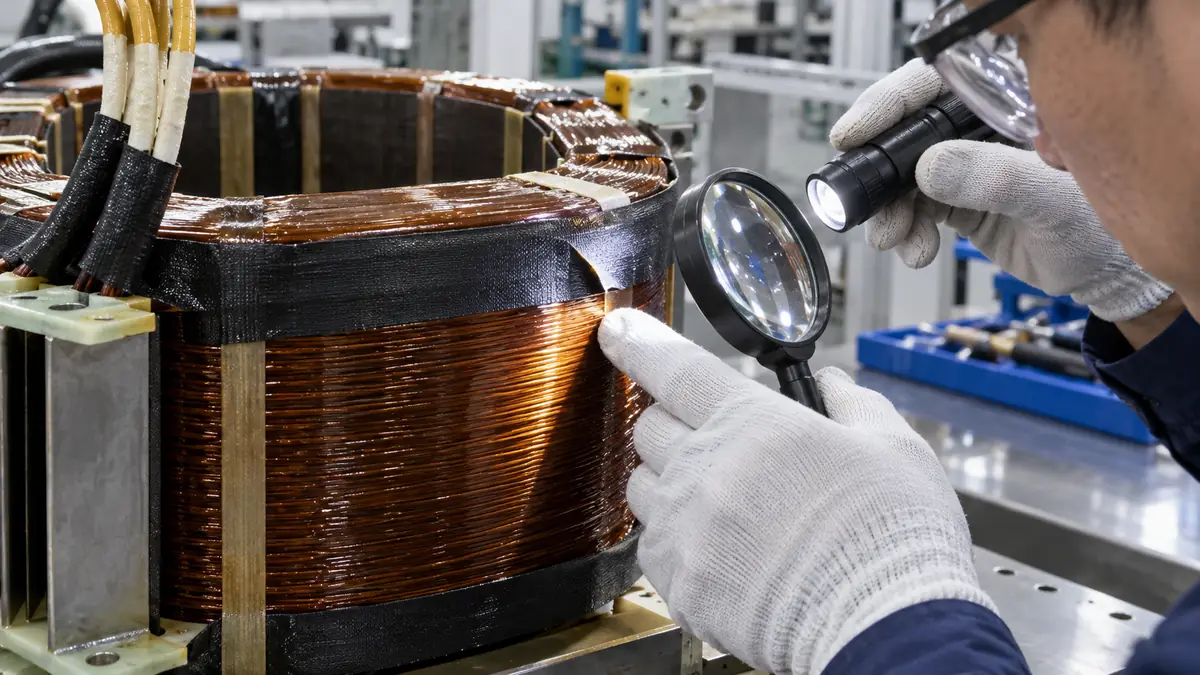
- Motor and transformer insulation: consider winding build, overlap, varnish compatibility, and electrical validation.
- Battery assembly: check space limitations, edge coverage, puncture risk, and die-cut tolerances.
- Die-cut components: specify total caliper, liner, roll direction, tolerance, and part geometry.
- Powder coating: evaluate edge height, oven profile, surface condition, and removal temperature.
How to Specify Polyimide Tape Thickness
- State whether the value means film thickness or total thickness.
- Use one unit consistently and record the conversion when using micrometres and mils.
- Identify the adhesive chemistry and coating construction.
- Include the release liner separately for die-cut or sheeted parts.
- Set a realistic tolerance instead of treating a nominal value as exact.
- Approve a production sample on the actual substrate and process.
Common Purchasing Mistakes
Frequent errors include comparing film thickness from one supplier with total thickness from another, ignoring the liner in a converted part, selecting the thickest option without checking flexibility, and approving a sample without measuring the final stack. A clear drawing and technical data sheet prevent most misunderstandings.
Frequently Asked Questions
What is the standard thickness of polyimide tape?
There is no single standard thickness. Manufacturers offer multiple film and adhesive constructions. The appropriate value depends on masking, insulation, mechanical protection, available space, and converting requirements.
Is thicker polyimide tape always better?
No. Thicker tape may add mechanical protection and profile, while thinner tape may conform better and occupy less space. Performance must be matched to the assembly.
Should I specify film thickness or total thickness?
Specify both whenever possible. Total thickness controls installed profile, while the separate film and adhesive values explain the construction.
Conclusion
The best polyimide tape thickness is the one that satisfies the electrical, mechanical, dimensional, and processing requirements of the real assembly. Send JIAO TAO TAO your substrate, temperature profile, target thickness, dimensions, tolerance, and annual quantity to request a suitable sample.
Polyimide Tape Residue: Causes, Prevention and Clean Removal
PTFE Tape for Vacuum Packaging Machine Sealing Bars
Related Article

Need help choosing the right industrial tape?
Send us your application details, including temperature, surface material, size, quantity and current problem. Our team will help recommend a suitable tape material or custom die-cut solution.

simon@jiaotaotao.com


+86-136 1277 5969


+86-136 1277 5969
