
pcb masking Explained:How to Choose the Right PCB Masking Tape
PCB Masking Explained: How High-Temperature Tape Protects Circuit Boards
In PCB manufacturing, processes such as wave soldering, conformal coating, electroplating, and powder coating expose circuit boards to extreme heat and chemicals. Without proper protection, sensitive areas like gold fingers, connectors, and contact pads can be damaged.
This is where PCB masking becomes critical. Using high-temperature masking tapes—especially polyimide (Kapton) tape—manufacturers can protect sensitive components, ensure process accuracy, and reduce production defects.
This guide provides a complete overview of pcb masking Explained, including masking tape types, specifications, real industrial applications, and a step-by-step tape selection process for procurement teams and electronics factories.
Table of Contents
What Is PCB Masking?
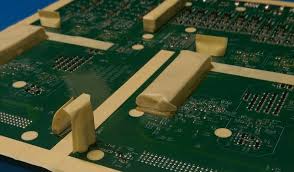
PCB masking refers to the temporary protection of selected areas on a printed circuit board during manufacturing processes. Masking materials prevent solder, coating, plating, or chemicals from reaching sensitive areas.
The most widely used masking material is polyimide high-temperature tape, which combines excellent thermal stability with strong electrical insulation.
Polyimide tape is made from polyimide film coated with silicone adhesive and can withstand continuous temperatures up to approximately 260°C without leaving adhesive residue. :contentReference[oaicite:0]{index=0}
Because of these properties, it has become the standard masking solution in industries such as:
- PCB manufacturing
- SMT assembly lines
- Electronics production
- Battery manufacturing
- Aerospace electronics
Types of PCB Masking Tapes
Different production processes require different masking materials. Common PCB masking tapes include:
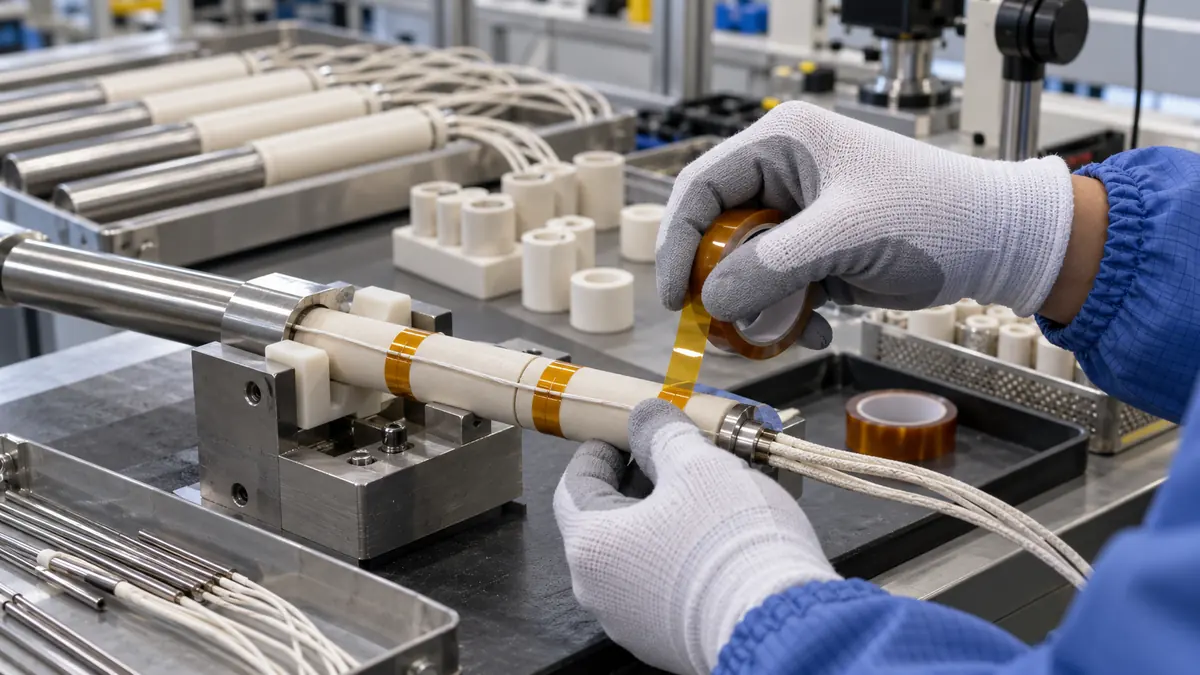
1. Polyimide (Kapton) Tape
- Temperature resistance up to 260°C
- Excellent dielectric insulation
- Residue-free removal
- Ideal for SMT soldering and wave soldering

- JIAOTAOTAO® Keptone Tape for High Temperature Electrical Insulation
2. Polyester (PET) Masking Tape
- Cost-effective masking solution
- Typical temperature resistance 150-200°C
- Common in powder coating lines

- PET Silicone High-Temperature Adhesive Tape, Green/Transparent/Blue/Red Colors, Temperature Resistance 180-200°C, 0.05mm Thickness, 1250mm Width, 33m or 66m Length
3. Silicone Rubber Masking Tape
- Reusable masking
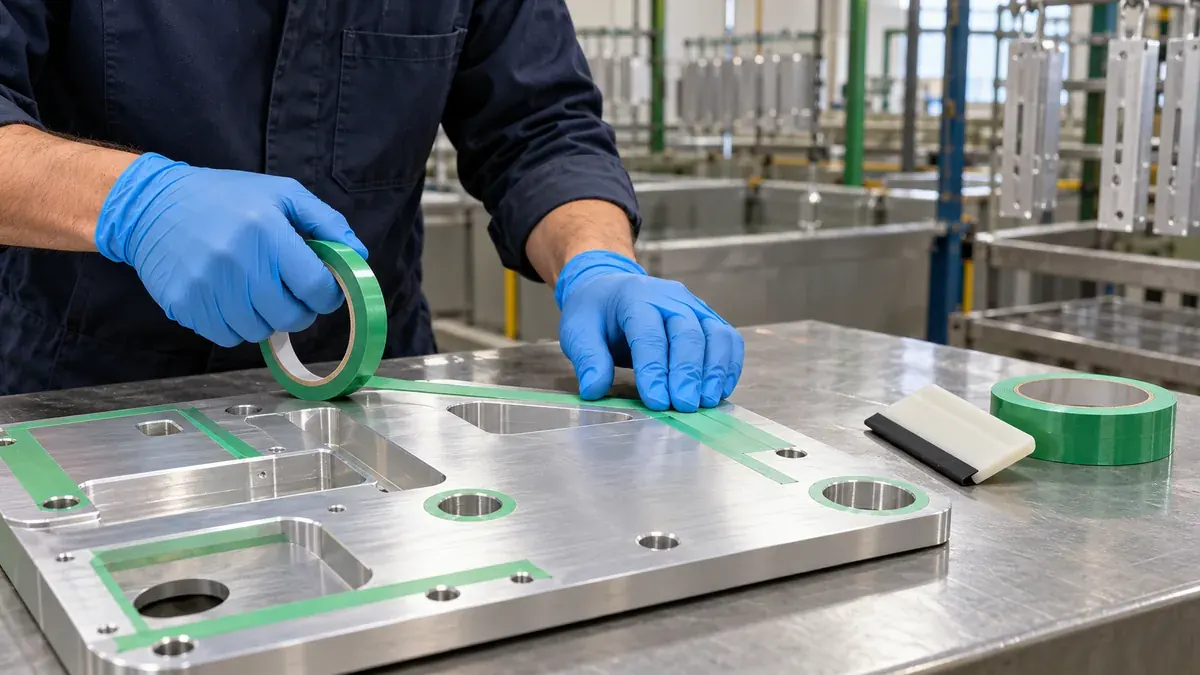
- Used in powder coating and plating processes

Among these options, polyimide tape remains the most reliable solution for PCB masking due to its combination of heat resistance, dimensional stability, and insulation performance.
Typical PCB Masking Tape Specifications
When selecting masking tapes, procurement engineers focus on measurable parameters. Typical polyimide masking tape specifications include:
| Parameter | Typical Range |
|---|---|
| Base Material | Polyimide Film (PI) |
| Total Thickness | 0.025 mm – 0.125 mm |
| Adhesion Strength | ≥6 N / 25mm |
| Tensile Strength | ≥120 N / 25mm |
| Dielectric Strength | ≈6.5 kV |
| Temperature Resistance | -73°C to 260°C |
| Standard Roll Length | 33 m / 66 m |
Industrial polyimide tapes offer high electrical insulation and can maintain stable performance even under extreme thermal environments. :contentReference[oaicite:1]{index=1}
View detailed product specifications here:
PCB Manufacturing Applications
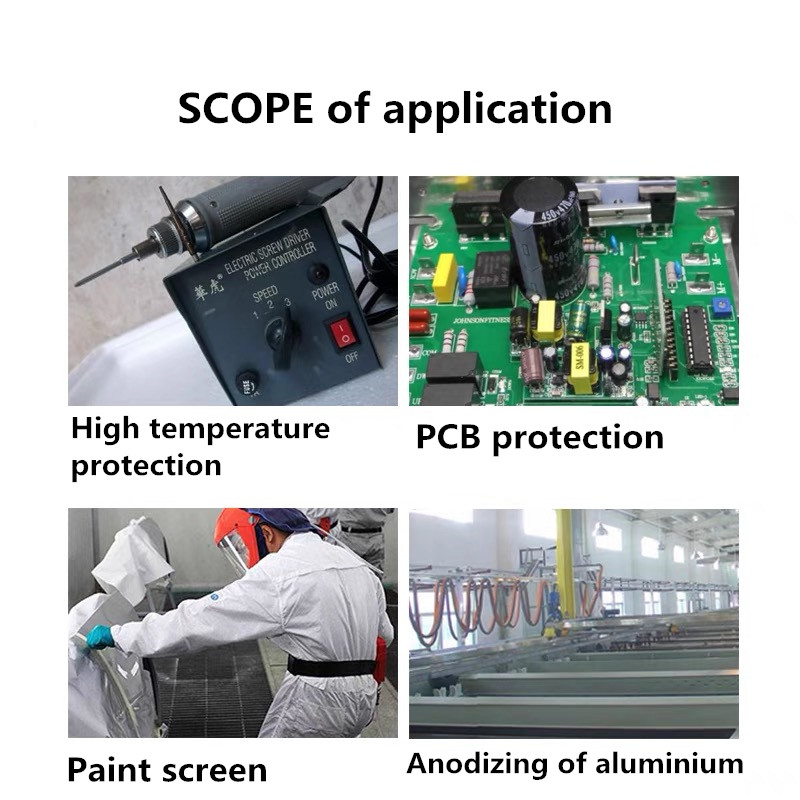
PCB masking tapes are used in multiple production stages:
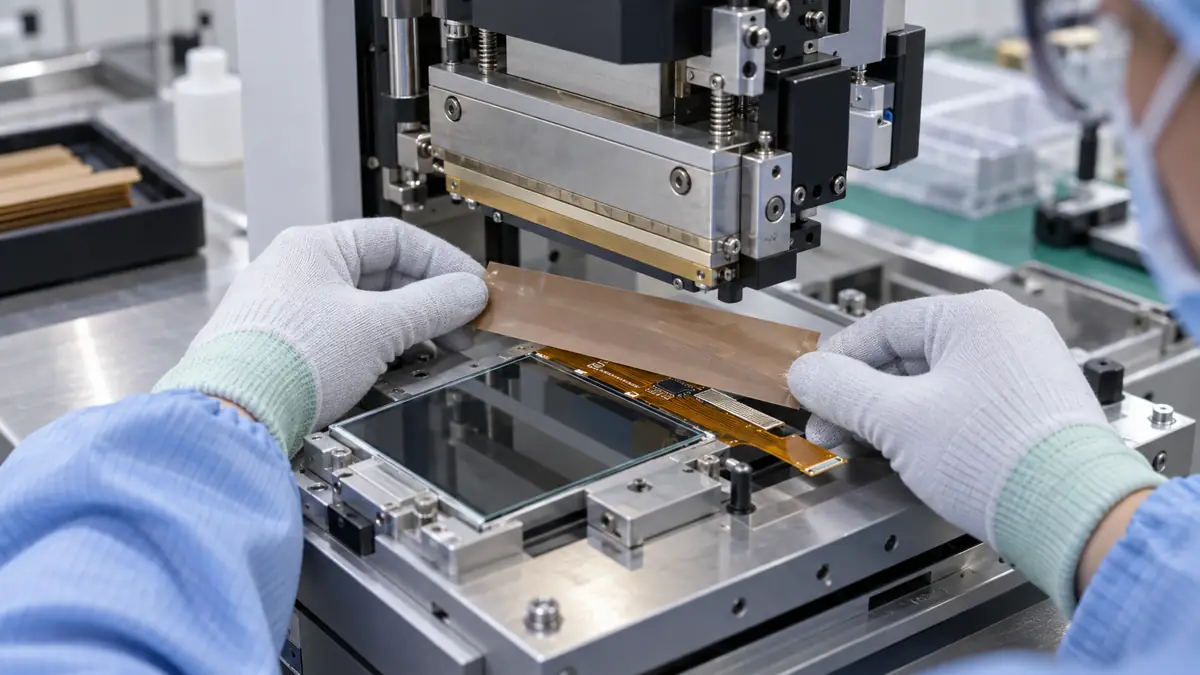
- Wave soldering masking – protects connectors and sockets
- Gold finger protection – prevents contamination during plating
- SMT soldering – shields temperature-sensitive components
- Conformal coating masking – keeps connectors clean
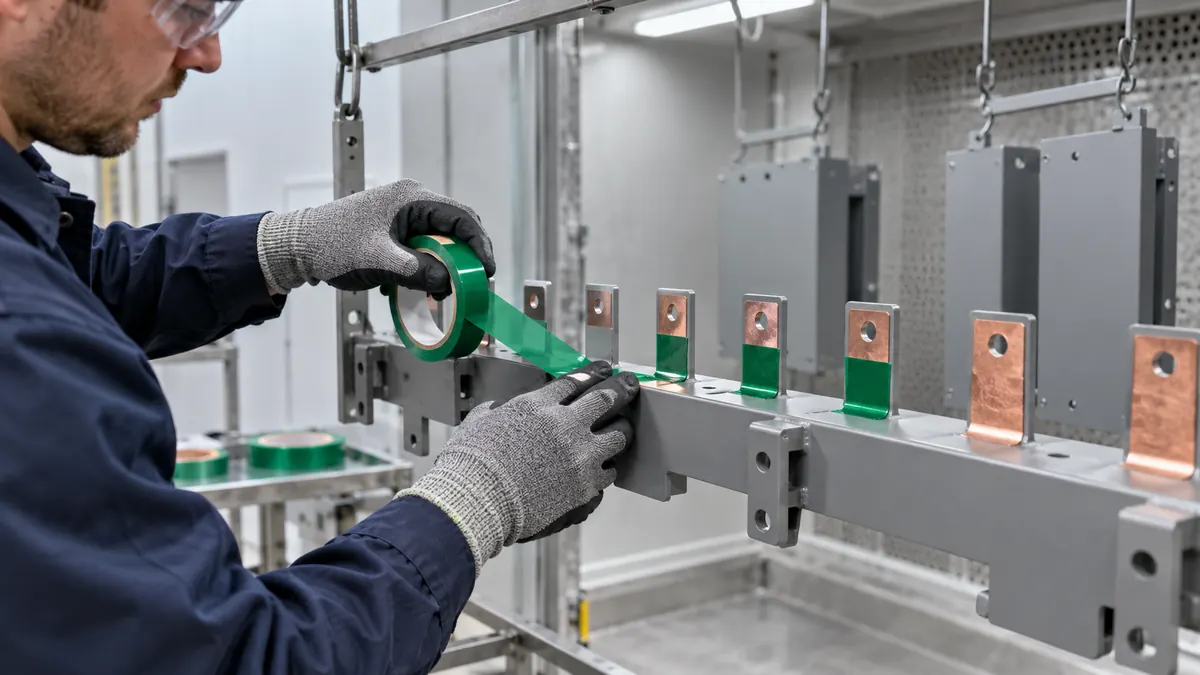
- Powder coating and painting – protects electronic contact areas
- Battery insulation – used in lithium battery assembly
Accurate masking improves product yield and reduces costly rework during mass production.
How to Choose the Right PCB Masking Tape
聚酰亚胺胶带:推荐 聚酰亚胺胶带:平替 JIAOTAOTAO® Keptone Tape for High Temperature Electrical Insulation
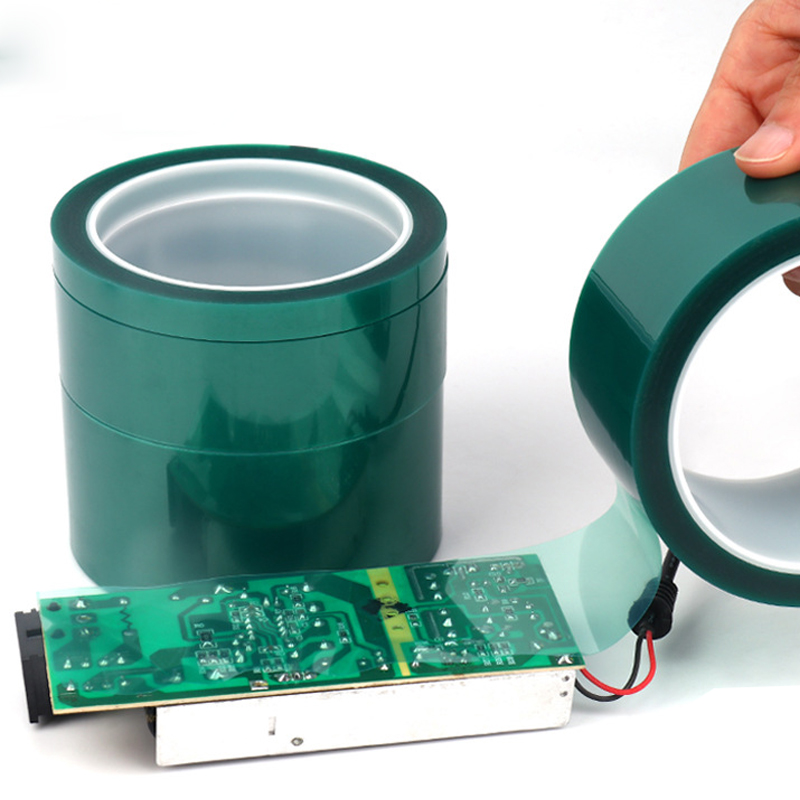 PET Silicone High-Temperature Adhesive Tape, Green/Transparent/Blue/Red Colors, Temperature Resistance 180-200°C, 0.05mm Thickness, 1250mm Width, 33m or 66m Length
For procurement engineers and process engineers, selecting the correct masking tape requires evaluating several factors:
Step 1: Identify Maximum Process Temperature
Wave soldering may reach 260°C, requiring polyimide masking tape.
Step 2: Determine Masking Duration
Short exposure vs long-term heat exposure may require different adhesives.
Step 3: Evaluate Electrical Insulation
High dielectric strength is essential for PCB protection.
Step 4: Choose Thickness
Thin tapes (0.03-0.05 mm) are ideal for precision masking.
Step 5: Consider Custom Die-Cut Shapes
Large PCB factories often require custom die-cut masking shapes for automation.
Working with a professional industrial tape manufacturer ensures stable supply, consistent quality, and customization options.
FAQ About PCB Masking
What tape is best for PCB masking?
Polyimide (Kapton) tape is widely considered the best option because it can withstand temperatures up to around 260°C while maintaining strong insulation properties.
Will masking tape leave adhesive residue?
High-quality polyimide masking tapes use silicone adhesive designed for clean removal even after exposure to high temperatures.
What thickness is recommended for PCB masking?
Common masking thickness ranges from 0.025 mm to 0.125 mm depending on the level of protection required.
Can masking tape be customized for PCB production?
Yes. Many manufacturers provide die-cut masking shapes, custom widths, and bulk roll options to match automated production lines.
Summary
PCB masking is essential for protecting critical areas during electronic manufacturing processes. Choosing the correct high-temperature tape improves production efficiency, reduces defects, and ensures consistent product quality.
If your factory requires high-temperature polyimide masking tape, bulk supply, or customized die-cut solutions, contact us for professional support.
Official Website: www.clothadhesive.com
WhatsApp: +86-13612775969
Email: simon@jiaotaotao.com

Dongguan JIAOTAOTAO New Materials Co., Ltd.
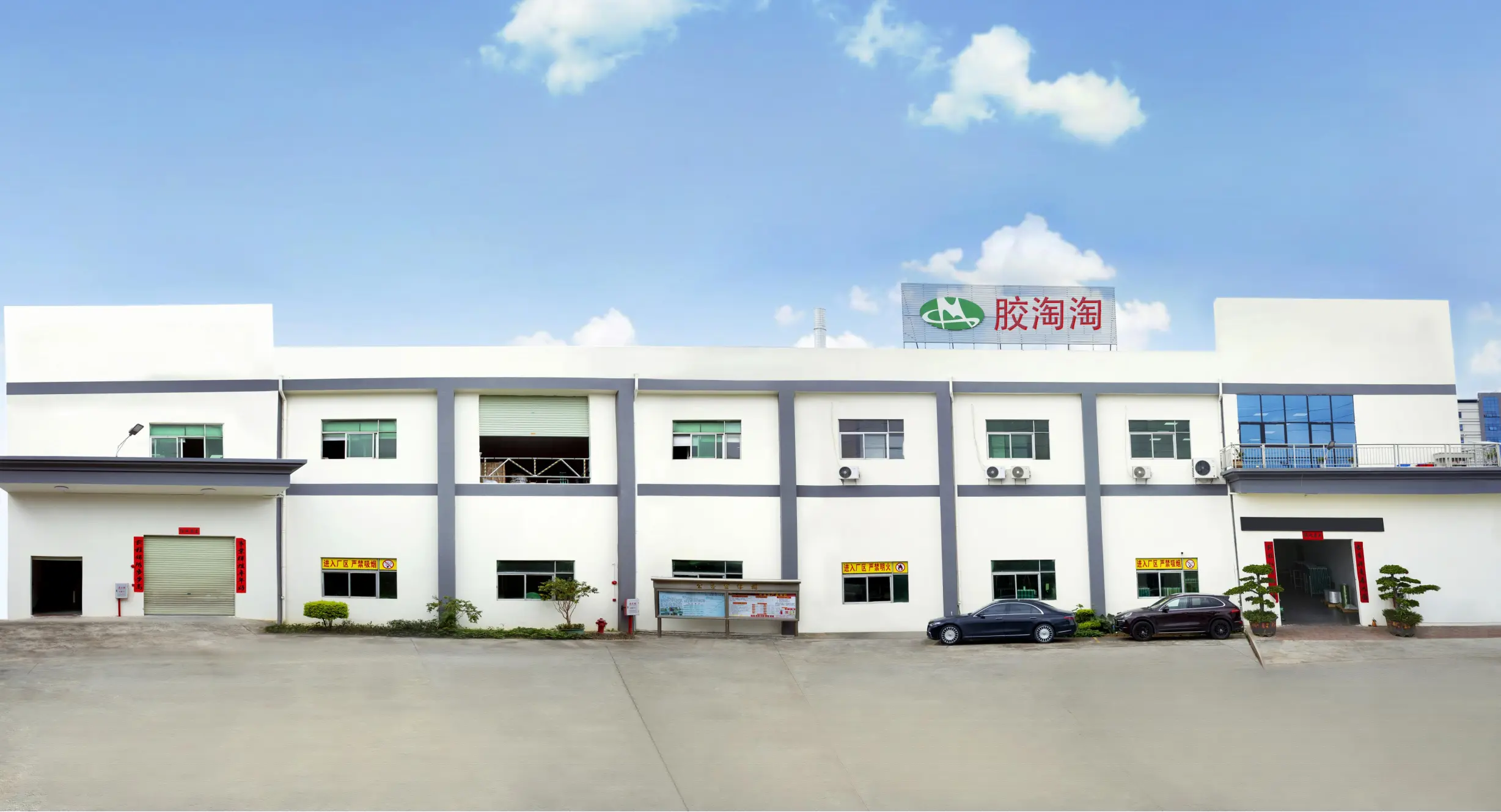
JIAOTAOTAO is a professional industrial tape manufacturer, founded in 2009.
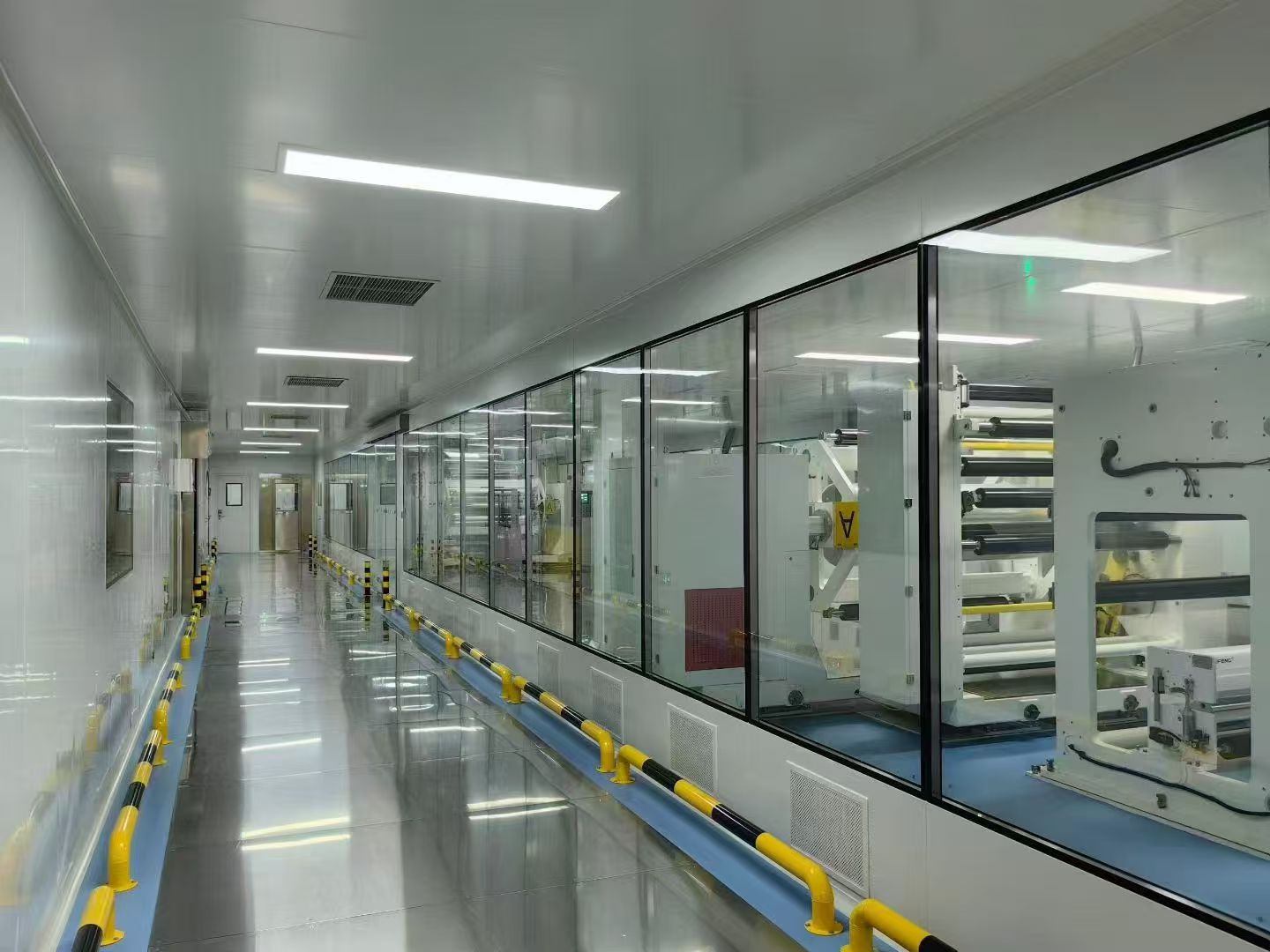
It boasts independent research and development technologies, imported coating equipment production lines plus dust-free production workshops, more than 100 R&D patents, 3 production bases, a factory area of over 8,000 square meters, and a staff size of more than 500.
From production to sales, we support bulk purchasing, customization, and die-cutting, and can provide tailor-made perfect solutions for your production and usage scenarios.
With 16 years of manufacturing experience, we have solved the production problems related to the use of tapes in industrial production for more than 100 enterprises.
We can ship globally (with complete export qualifications). Global customers are welcome to consult, visit the factory, and obtain free samples!
Electrical Tape: What Should Be Noted When Using Electrical Tape?
blue painters tape|Bulk Purchase and Customization
Related Article
Need help choosing the right industrial tape?
Send us your application details, including temperature, surface material, size, quantity and current problem. Our team will help recommend a suitable tape material or custom die-cut solution.

simon@jiaotaotao.com


+86-136 1277 5969

+86-136 1277 5969
