
Industrial Painting Processes Drive New Requirements for Masking Tape Applications

Masking Tape for Painting in Industrial Coating and Surface Protection
Industry Background
Across industrial coating and finishing environments, masking tape for painting has become a foundational consumable supporting accuracy, efficiency, and surface integrity. From manual spray booths to semi-automated coating lines, masking tape for painting plays a critical role in defining paint edges, protecting adjacent substrates, and maintaining consistency across batch operations. As coating processes expand beyond basic architectural painting into precision-driven industrial applications, the functional expectations placed on masking materials continue to rise. This shift reflects broader changes in industrial production, where surface quality, rework reduction, and process stability are increasingly prioritized across multiple sectors.
Industry demand changes
Evolving Application Requirements in Industrial Painting
Industrial demand for masking materials is no longer limited to temporary surface coverage. Painting workshops and finishing facilities require solutions that align with faster cycle times, diversified substrates, and stricter surface quality controls. Painter’s masking tape is now expected to perform reliably across metal, plastic, composite, and coated surfaces without compromising adhesion or removal characteristics.
In automotive painting environments, automotive masking tape demand reflects the need for precision under complex geometries and multi-layer coating systems. Similarly, construction finishing and industrial maintenance sectors increasingly emphasize clean paint separation and reduced post-removal cleanup. These evolving requirements signal a transition from general-purpose masking solutions toward more application-specific material selection strategies.
Industry development direction
Material development within masking systems is progressing toward performance stability rather than aesthetic differentiation. High temperature masking tape is gaining broader attention in industrial spray processes where elevated curing temperatures or infrared drying systems are applied. At the same time, residue free masking tape reflects a material direction focused on adhesive formulations that maintain bonding strength during application while enabling clean removal after extended dwell periods.
Backing materials and adhesive systems are also being optimized to support surface protection tape functions, allowing masking products to serve dual roles in both paint definition and temporary surface safeguarding. These technical directions emphasize compatibility with industrial coatings, controlled adhesion balance, and resistance to environmental stress during painting operations.
Impact on the manufacturing end
For manufacturers and suppliers, these shifts in application expectations translate into greater emphasis on process consistency and material traceability. Masking tape production increasingly aligns with standardized performance parameters rather than single-use specifications. From coating line compatibility to packaging formats suited for industrial environments, manufacturers must consider how masking materials integrate seamlessly into downstream painting workflows.
Suppliers serving industrial clients also face heightened requirements for batch stability and application predictability. As masking tape for painting becomes embedded within quality-controlled processes, deviations in adhesive performance or backing behavior can directly impact production efficiency. This dynamic encourages closer alignment between material formulation, production control, and end-use application conditions.
Application Area Expansion
-
Automotive Painting Lines: automotive masking tape supports precise paint separation in multi-coat vehicle finishing processes
-
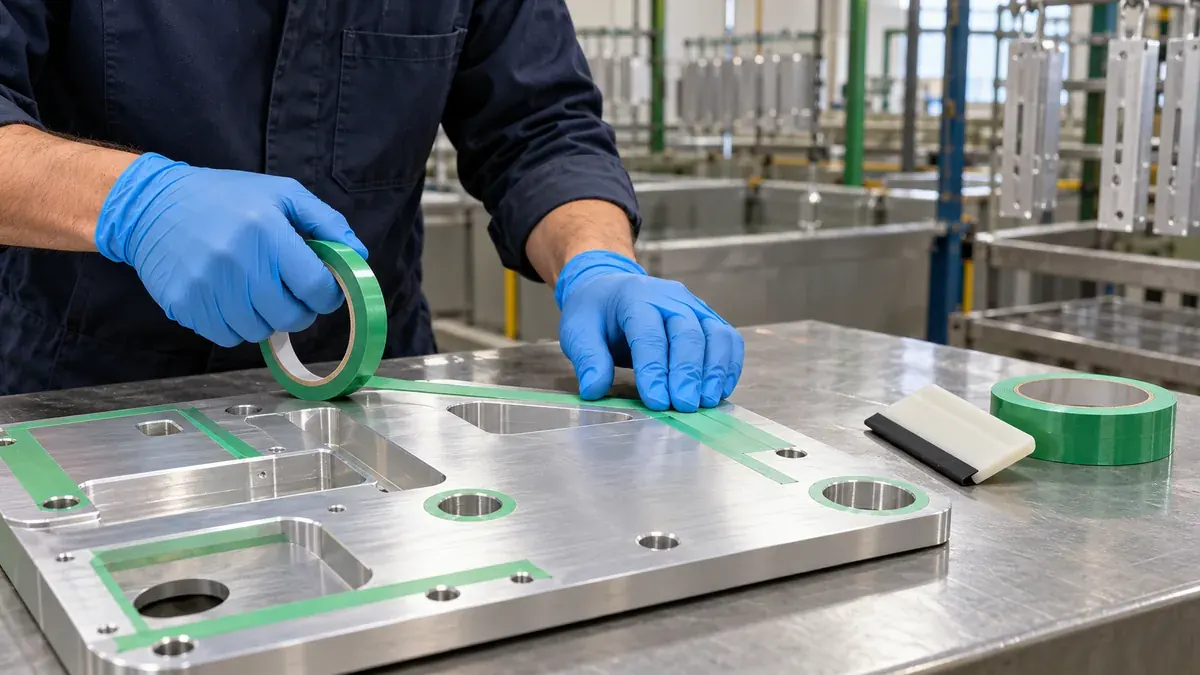
Industrial Equipment Coating: masking tape for painting protects machined surfaces during heavy-duty spray applications
-
Construction Finishing: painter’s masking tape enables clean edge definition on mixed-material building surfaces
-
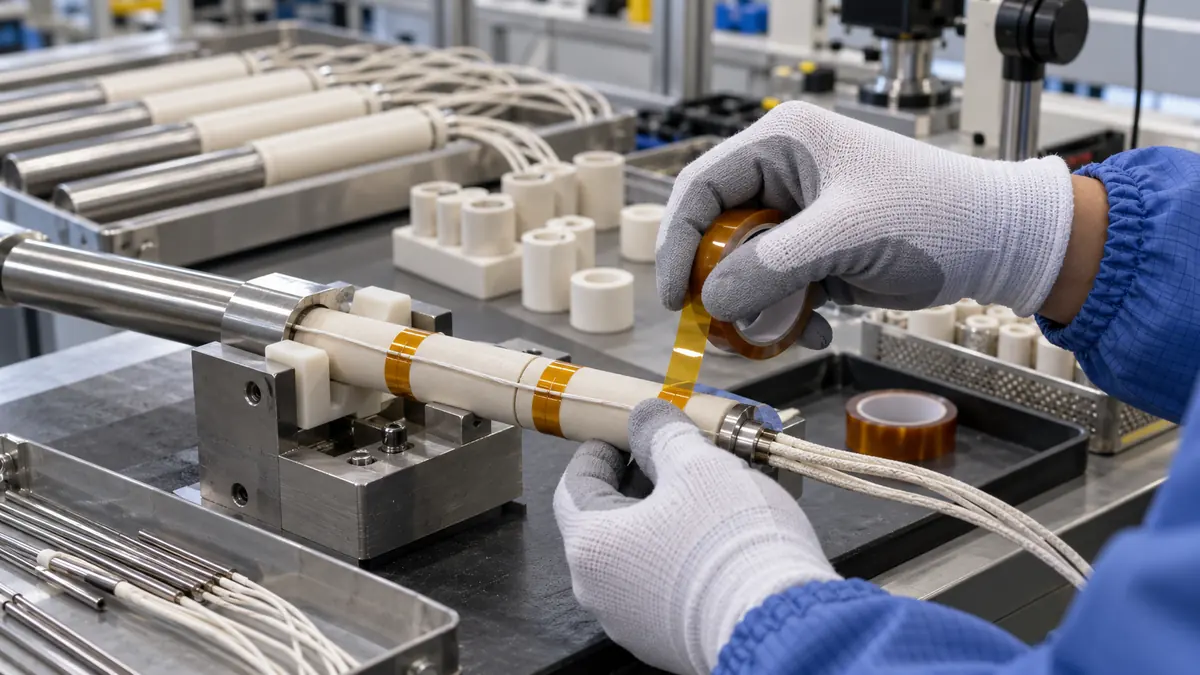
Electronics Housing Coating: high temperature masking tape withstands curing cycles during enclosure painting
-
Maintenance and Repair Operations: residue free masking tape reduces surface cleanup after repainting tasks
-
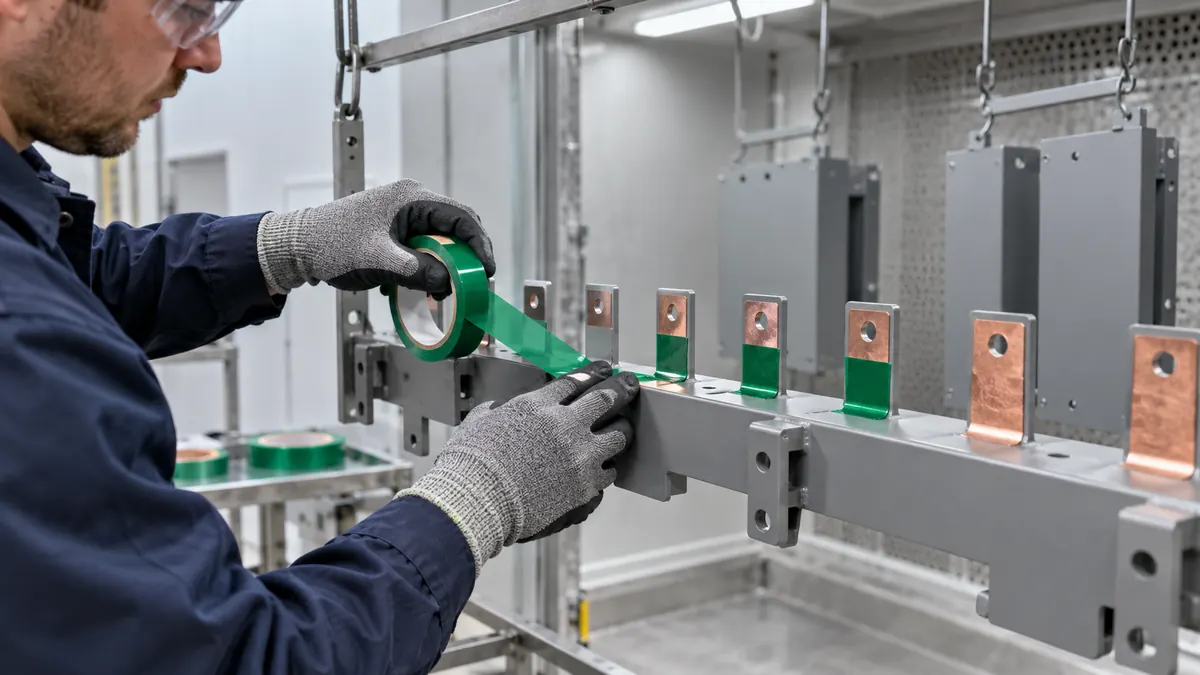
Temporary Surface Shielding: surface protection tape assists in preventing overspray damage during industrial painting
Through these expanding application areas, masking tape for painting continues to evolve as a process-critical material rather than a simple accessory. Its role within industrial painting ecosystems reflects broader trends toward precision, efficiency, and material compatibility across global manufacturing and finishing industries.
Kapton Tape Solutions for High-Temperature Manufacturing in India
Kapton Tape Datasheet: Key Specifications and Technical Properties
Related Article
Need help choosing the right industrial tape?
Send us your application details, including temperature, surface material, size, quantity and current problem. Our team will help recommend a suitable tape material or custom die-cut solution.

simon@jiaotaotao.com


+86-136 1277 5969


+86-136 1277 5969
