
Kapton vs Other Insulation Materials
Kapton vs Other Insulation Materials
Trying to choose between Kapton and other insulation materials (like fiberglass, Teflon, or mica)? Many engineers pick the wrong material due to unclear performance comparisons, leading to higher costs and poor application results. This guide compares Kapton to common insulation materials to help you make the right choice.
Table of Contents
- What Is Kapton Insulation? (Definition)
- Types of Competing Insulation Materials (Classification)
- Performance Specs Comparison & Data Source (Parameters)
- Best Applications for Each Material (Applications)
- How to Select Between Kapton & Alternatives (Selection Steps)
- FAQs About Kapton vs Other Insulation (FAQ)
- Summary & Contact Information (Summary + CTA)
- About Dongguan JIAOTAOTAO New Materials Co., Ltd.
What Is Kapton Insulation?
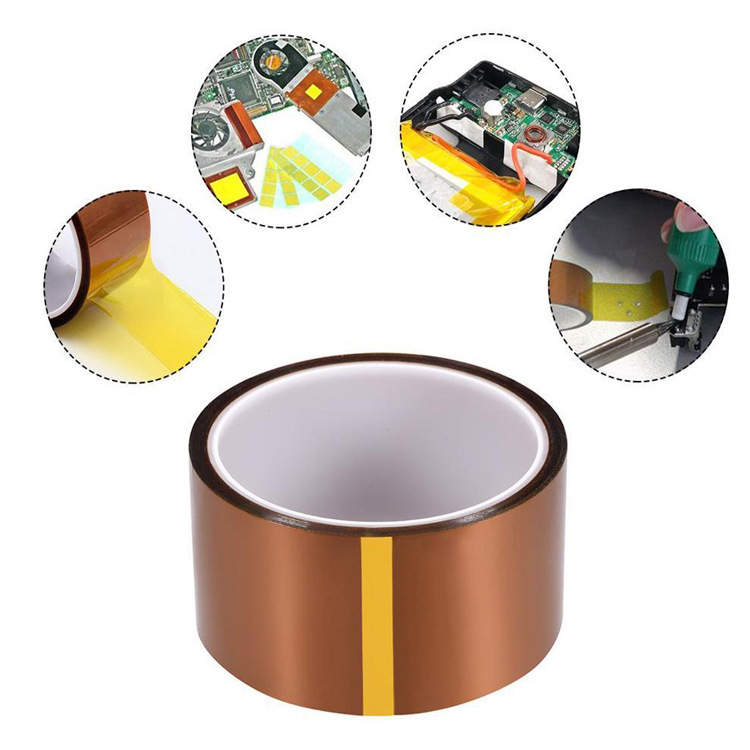
Kapton insulation refers to polyimide-based materials (film/tape) designed for high-temperature electrical and thermal insulation. It combines extreme heat resistance, chemical stability, and flexibility—properties that set it apart from traditional insulation materials like fiberglass, Teflon (PTFE), and mica.

Types of Competing Insulation Materials (Classification)
The main alternatives to Kapton for high-temp insulation:
- Fiberglass Insulation: Glass fiber-based, low-cost, heat-resistant up to 500°C (but brittle).
- Teflon (PTFE) Insulation: Chemical-resistant, heat-resistant up to 260°C (poor mechanical strength).
- Mica Insulation: Mineral-based, heat-resistant up to 800°C (rigid, low flexibility).
- Ceramic Fiber Insulation: High-heat (1200°C+), but heavy and non-flexible.
Performance Specs Comparison & Data Source (Parameters + Data Source)
Performance comparison of Kapton vs alternative insulation materials (Data Source: Industrial Insulation Handbook 2026):
| Parameter | Kapton | Fiberglass | Teflon (PTFE) | Mica |
|---|---|---|---|---|
| Continuous Temp Range | -269°C to 260°C | -50°C to 500°C | -200°C to 260°C | -20°C to 800°C |
| Flexibility | Excellent | Poor (brittle) | Good | Very Poor |
| Chemical Resistance | Excellent | Moderate | Excellent | Moderate |
| Dielectric Strength | 7000 V/mil | 3000 V/mil | 5000 V/mil | 4000 V/mil |
| Weight (g/m², 0.1mm) | 140 | 200 | 220 | 350 |
| Cost (USD/m²) | $8-15 | $1-3 | $5-10 | $4-8 |
Best Applications for Each Material (Applications)
Optimal use cases for Kapton vs alternatives:
- Kapton: Flexible electronics, EV battery insulation, aerospace wiring (needs flexibility + high temp).
- Fiberglass: Industrial furnace liners, static high-heat insulation (low cost + extreme temp).
- Teflon: Chemical processing equipment, corrosive environment insulation (chemical resistance).
- Mica: High-heat industrial ovens, rigid electrical components (ultra-high temp + rigidity).
How to Select Between Kapton & Alternatives (Selection Steps)
Follow these steps to choose the right insulation material:
- Evaluate flexibility needs: Choose Kapton if flexibility/bendability is required (e.g., wiring).
- Confirm temperature range: Mica/fiberglass for >500°C; Kapton/Teflon for <260°C.
- Check chemical exposure: Teflon/Kapton for corrosive chemicals; fiberglass/mica for neutral environments.
- Balance cost vs performance: Kapton for high-performance applications; fiberglass for low-cost static use.
- Verify weight constraints: Kapton for lightweight applications (e.g., aerospace/automotive).
FAQs About Kapton vs Other Insulation (FAQ)
Q: Is Kapton better than Teflon for high-temp insulation?
A: Kapton has better mechanical strength and lower weight; Teflon is better for extreme chemical exposure. (Source: Industrial Insulation Handbook)
Q: Why choose Kapton over fiberglass for electronics?
A: Fiberglass is brittle and can shed fibers (damaging electronics), while Kapton is flexible and fiber-free. (Source: IEEE Electronics Standards)
Q: Is Kapton worth the higher cost vs mica?
A: Yes, if flexibility is needed—mica is rigid and cannot be used for wiring/flexible components. (Source: JIAOTAOTAO Application Data)
Summary & Contact Information (Summary + CTA)
Kapton outperforms other insulation materials in flexibility, weight, and electrical insulation—making it ideal for high-performance, flexible applications. While fiberglass/mica are cheaper for static high-heat use, Kapton is the best choice for electronics, aerospace, and EV industries.
If you need help selecting the right insulation material or custom Kapton solutions, contact us today:
- Official Website: www.clothadhesive.com
- WhatsApp: +86-13612775969
- Email: simon@jiaotaotao.com
Dongguan JIAOTAOTAO New Materials Co., Ltd.
JIAOTAOTAO is a professional industrial tape manufacturer, founded in 2009. It boasts independent research and development technologies, imported coating equipment production lines plus dust-free production workshops, more than 100 R&D patents, 3 production bases, a factory area of over 8,000 square meters, and a staff size of more than 500. From production to sales, we support bulk purchasing, customization, and die-cutting, and can provide tailor-made perfect solutions for your production and usage scenarios. With 16 years of manufacturing experience, we have solved the production problems related to the use of tapes in industrial production for more than 100 enterprises. We can ship globally (with complete export qualifications). Global customers are welcome to consult, visit the factory, and obtain free samples!

Kapton: Top High-Temp Insulation
DuPont Kapton Film Types Overview
Related Article
Need help choosing the right industrial tape?
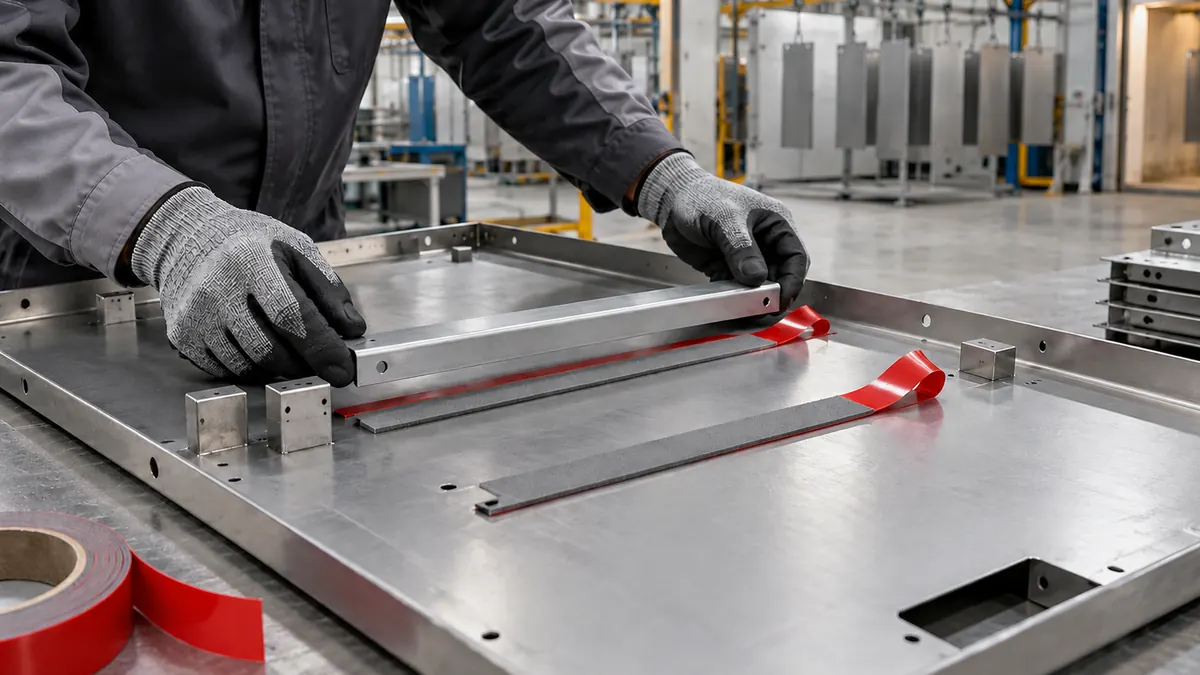
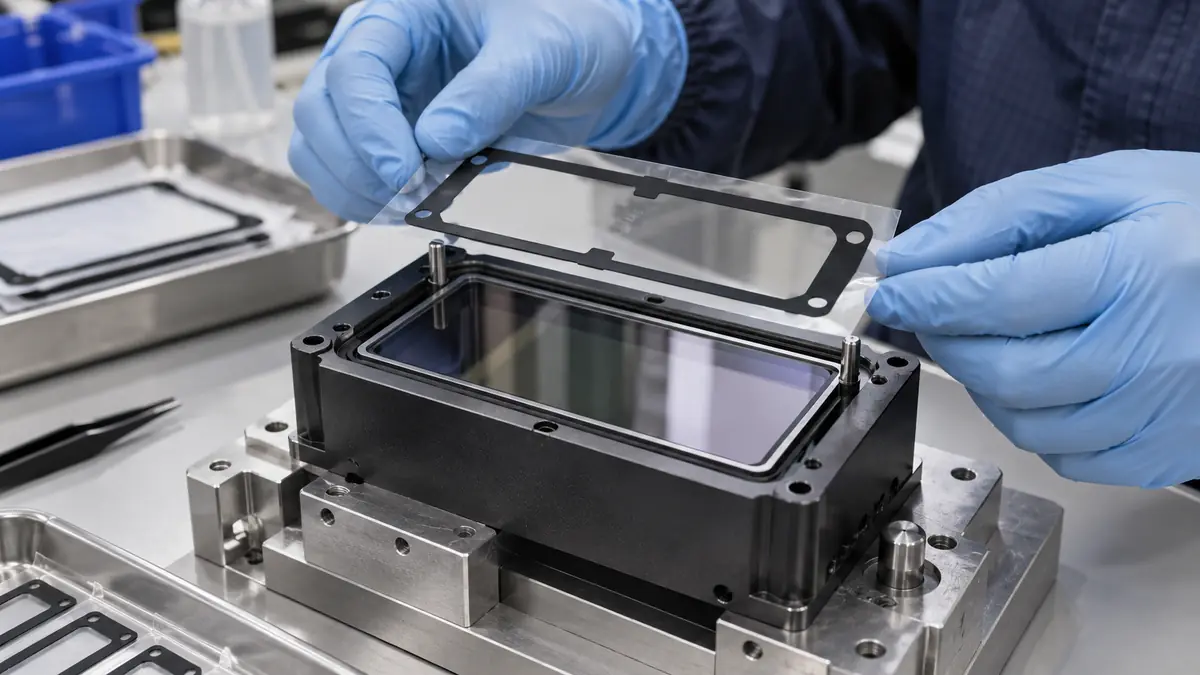
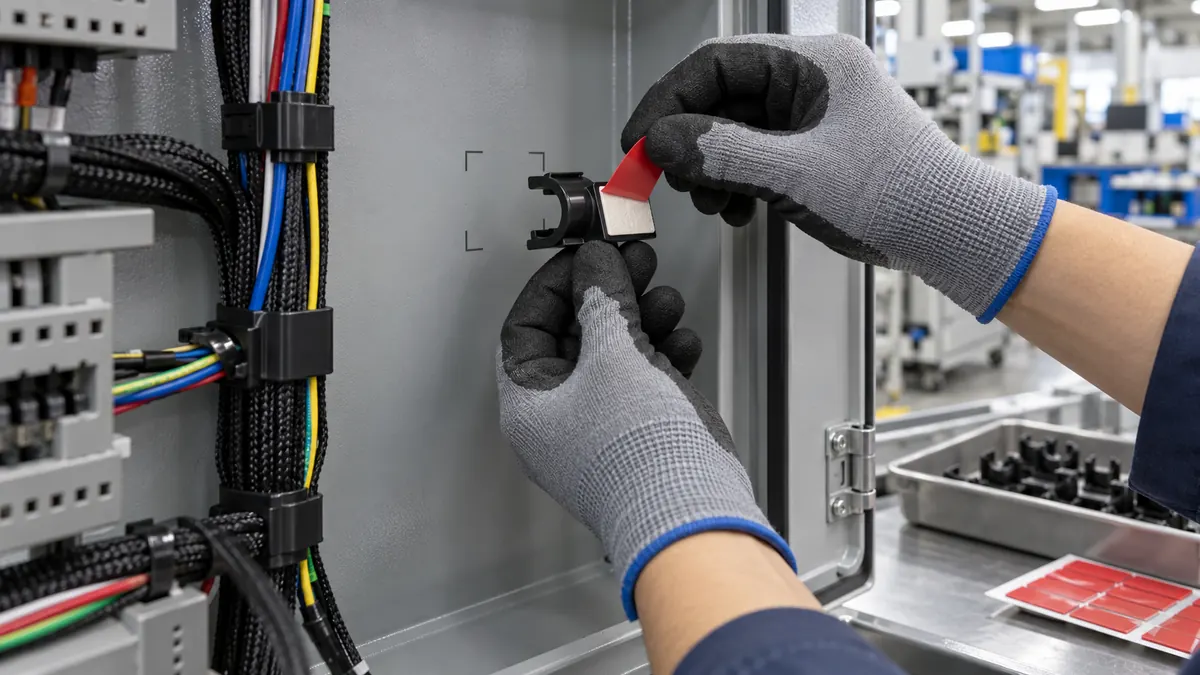
Send us your application details, including temperature, surface material, size, quantity and current problem. Our team will help recommend a suitable tape material or custom die-cut solution.

simon@jiaotaotao.com


+86-136 1277 5969

+86-136 1277 5969
