
is masking tape the same as painters tape

Is Masking Tape the Same as Painters Tape? A Complete Guide to Masking Tape
Introduction: The Common Confusion Between Masking Tape and Painters Tape
Walk into any hardware or craft store, and you’ll probably spot two nearly identical rolls: masking tape and painters tape. Many DIYers, hobbyists, and even casual users assume they’re interchangeable—after all, both are used to “mask” areas and create clean lines. But is masking tape the same as painters tape? The short answer is no. While they serve a similar purpose and look alike, they’re designed for distinct tasks—and masking tape is the more versatile, all-purpose option. In this blog, we’ll break down their differences, shine a light on the unsung hero (masking tape), and help you pick the right tape for your next project.
What Is Masking Tape? Core Features & History
Definition & Key Components
Masking tape is a pressure-sensitive tape made mostly of thin, easy-to-tearcrepe paper backing coated with a removable pressure-sensitive adhesive. It comes in various widths, from narrow ½-inch rolls for detailed work to wide 2-inch rolls for large-scale masking. Unlike specialized tapes, masking tape is built for multi-purpose use—making it a staple in homes, offices, workshops, and industries everywhere.
A Brief History of Masking Tape
Masking tape was invented in 1925 by 3M’s Richard Gurley Drew, who noticed autobody workers struggling with traditional tape that peeled off fresh paint when removed. Drew’s solution? A tape with a gentler adhesive, made to mask areas during painting without damaging surfaces. Originally created for automotive and industrial use, masking tape quickly became a household must-have thanks to its versatility.
Core Features of Masking Tape
- Crepe Paper Backing: Its wrinkled design lets the tape stretch slightly, conforming to curved or uneven surfaces—perfect for masking around corners, pipes, or furniture edges.
- Removable Adhesive: Most masking tapes have a medium-tack adhesive that sticks firmly enough to stay put during painting or labeling, but peels off cleanly from most surfaces (as long as you remove it promptly).
- Multi-Surface Compatibility: It works on wood, metal, glass, plastic, drywall, and paper—making it ideal for DIY projects, painting, labeling, bundling, and even quick temporary repairs.
- Affordability: Compared to painters tape, masking tape is much cheaper—making it a budget-friendly choice for large projects or everyday use.
What Is Painters Tape? A Specialized Variant
Painters tape (also called “painter’s masking tape”) is a specialized type of masking tape made specifically for painting—especially for creating sharp, clean edges without paint bleeding or surface damage. It uses a similar crepe paper backing but has a low-tack adhesive that’s gentler on delicate surfaces like fresh paint, wallpaper, or wood trim.
Unlike general-purpose masking tape, painters tape is often treated with a water-resistant coating to stop paint seepage, and it comes in colors (like blue or green) to set it apart from regular masking tape. Its only job is painting, so it lacks masking tape’s versatility.
Key Differences: Masking Tape vs. Painters Tape (Parameter Table)
To clear up any confusion, here’s a detailed table comparing the two tapes—with a focus on masking tape’s unique advantages:
| Parameter | Masking Tape | Painters Tape |
|---|---|---|
| Backing Material | Crepe paper (standard); some industrial variants use plastic/metal foil | Crepe paper (treated with water-resistant coating) |
| Adhesive Tack | Medium-tack (firm hold, removable when prompt) | Low-tack (gentle, designed for delicate surfaces) |
| Paint Seepage Resistance | Basic (may bleed slightly with thick paint) | High (water-resistant coating prevents bleeding) |
| Surface Compatibility | Versatile (wood, metal, glass, plastic, drywall, paper) | Specialized (delicate surfaces: fresh paint, wallpaper, trim) |
| Temperature Resistance | Up to 149°C (for high-temperature variants); standard up to 80°C | Low (up to 60°C; not suitable for high-heat projects) |
| Price | Affordable (budget-friendly for large projects) | Expensive (2-3x the cost of masking tape) |
| Primary Use | Multi-purpose: painting, labeling, bundling, masking, temporary repairs | Specialized: painting (clean edges on delicate surfaces) |
| Removability | Clean removal (when removed within 24-48 hours); may leave residue if left too long | Clean removal (even after 7-14 days; designed for painting projects) |
Pros & Cons Comparison: Masking Tape vs. Painters Tape
Masking Tape: Pros & Cons
Pros
- Versatility: Its biggest perk—works for painting, labeling, bundling, masking, and even quick fixes (like securing loose wires or covering small spills).
- Affordability: Perfect for large projects (like painting a room) or everyday use where cost matters.
- Conformability: Its crepe paper backing fits curved and uneven surfaces better than most painters tape.
- Strong Hold: The medium-tack adhesive stays in place during heavy painting or industrial tasks, so it won’t slip.
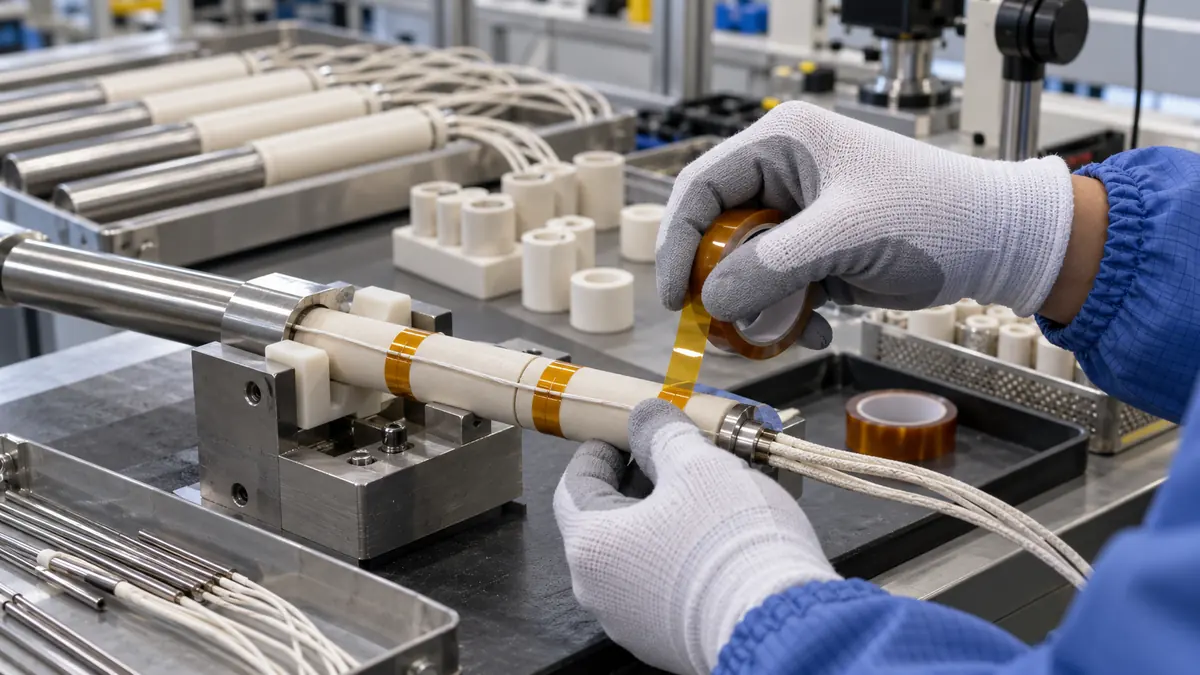
- Heat Resistance: Industrial variants can handle high temperatures (up to 149°C), making them great for automotive or baking projects.
Cons
- Paint Bleeding: Basic masking tape may let paint seep through edges, leading to less sharp lines (though this rarely matters for non-professional projects).
- Residue Risk: Leave it on surfaces for more than 48 hours, and it may leave sticky residue—especially on delicate surfaces like wallpaper.
- Not for Delicate Surfaces: The medium-tack adhesive can peel off fresh paint or damage thin wallpaper if you don’t remove it promptly.
Painters Tape: Pros & Cons
Pros
- Clean Edges: The water-resistant coating stops paint bleeding, creating sharp, professional-looking lines.
- Gentle on Delicate Surfaces: The low-tack adhesive won’t damage fresh paint, wallpaper, or wood trim—even if left on for a week or more.
- No Residue: It’s designed to peel off cleanly without leaving sticky residue, even after extended use.
Cons
- Limited Versatility: Only useful for painting—it won’t work well for labeling, bundling, or temporary repairs.
- Expensive: Much costlier than masking tape, making it impractical for large projects or everyday use.
- Weak Hold: The low-tack adhesive may slip during heavy painting or on rough surfaces (like unprimed drywall).
- Poor Heat Resistance: Can’t handle high temperatures, so it’s not good for industrial or automotive projects.
Applicable Scenarios Comparison: Masking Tape vs. Painters Tape
Knowing the pros and cons of each tape is key, but figuring out exactly when to use them will save you time, money, and frustration—directly matching their unique strengths and weaknesses we covered earlier. Below is a clear breakdown of their most common uses, with a focus on where masking tape really shines.
Masking Tape: Ideal Scenarios
- DIY Home Projects (Non-Delicate Surfaces): Perfect for painting primed drywall, older painted walls, wooden cabinets, metal furniture frames, and non-fresh trim—avoiding the residue and peeling risks we noted as masking tape’s main cons. It’s great for masking baseboards, window frames, and door edges during room renovations, thanks to its strong hold and crepe paper backing’s conformability.
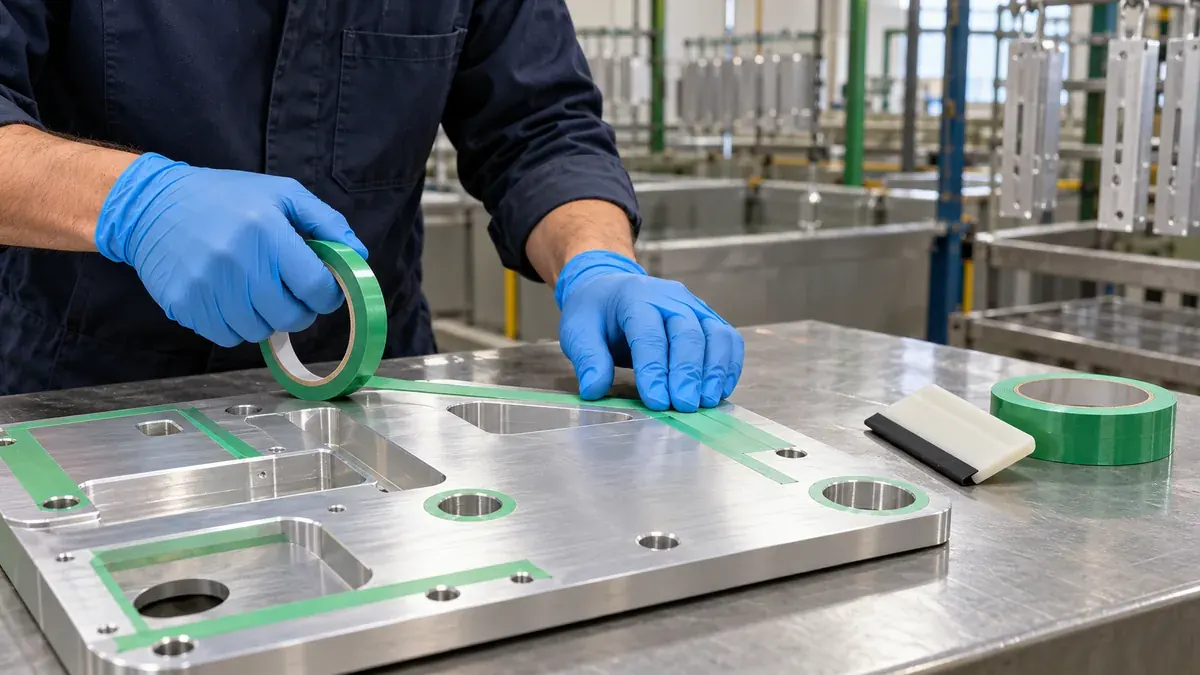
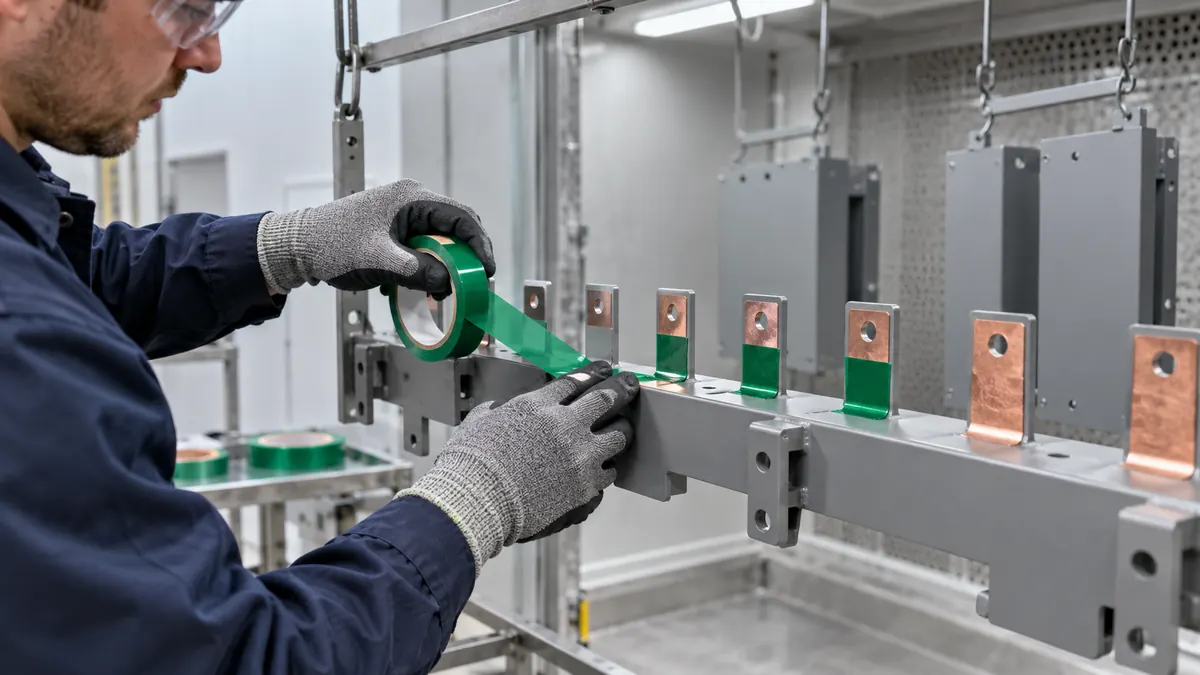
- Industrial & Automotive Tasks: Industrial-grade masking tape is built for high-heat environments, making it ideal for automotive painting, powder coating, and metal fabrication. It stands up to solvents and high temperatures (up to 149°C) without losing adhesion—leveraging its superior heat resistance, a big advantage over painters tape.
- Everyday Household & Office Use: Beyond painting, masking tape’s versatility takes center stage here—it’s perfect for labeling toolboxes, storage containers, and files; bundling cords, wires, and small items; and making quick temporary repairs (like securing loose hinges or covering minor scratches).
- Creative Painting & Craft Projects: As we highlighted in our previous blog Masking Tape Painting | 8 Creative Ideas for Beginners Painting Inspiration, masking tape is great for creating geometric patterns, stencils, and texture on canvases, paper, or wooden crafts. Its easy-to-tear design lets you make custom shapes freely, and its medium-tack adhesive won’t damage art surfaces.
- Large-Scale Masking: Thanks to its affordability—a major plus over pricey painters tape—masking tape is the top pick for large projects like painting garages, basements, or exterior siding. Using painters tape for these jobs would skyrocket your costs.
Painters Tape: Ideal Scenarios
- Professional Painting Projects (Delicate Surfaces): Painters tape is a must here—ideal for freshly painted walls (less than 7 days old), wallpaper, veneer, or soft wood trim. It fixes the problem where masking tape’s medium-tack adhesive might peel or damage surfaces (a key con of masking tape), while using its main strength: being gentle on sensitive areas.
- Precision Edge Work: When sharp, flawless lines are non-negotiable—like painting accent walls next to ceilings, touching up trim around windows, or creating professional stripes—painters tape’s water-resistant coating stops paint bleeding, giving you a polished finish.
- Long-Term Masking During Painting: If you need to leave tape up for more than 48 hours (like applying multiple paint coats over several days), painters tape’s low-tack adhesive peels off cleanly without residue—unlike masking tape, which may leave stickiness if left too long.
- Delicate Craft Surfaces: For crafts using thin paper, delicate fabrics, or finished wood (where even a little residue is a problem), painters tape’s gentle adhesive holds items securely without causing damage.
Expert Opinion: When to Choose Which Tape?
To get a pro’s take, we talked to Sarah Johnson, a professional painter and DIY expert with over 15 years of experience in home renovation and industrial painting. Here’s what she shared:
“I see so many people overspend on painters tape when masking tape would work just fine. Masking tape is my go-to for 90% of projects—whether I’m painting a garage wall, labeling toolboxes, or bundling cords. It’s affordable, versatile, and holds up well to most painting tasks. Painters tape is only necessary if you’re working on delicate surfaces (like freshly painted trim or wallpaper) or need museum-worthy sharp edges. For everyday DIYers, masking tape is the better choice because it does more for less.”
Sarah also added a pro tip: “If you’re using masking tape for painting and want to stop bleeding, press the edges firmly with a putty knife to seal them—this works almost as well as painters tape without the extra cost.” For industrial or high-heat projects, she recommends specialized high-temperature masking tape (like 3M™ 2364) for its better heat resistance and adhesion.
Creative Uses of Masking Tape in Painting (Plus a Blog Recap)
While masking tape is great for basic masking, it’s also a creative tool for painters—especially beginners. If you’re looking for ideas to use masking tape in your next painting project, check out our previous blog: Masking Tape Painting | 8 Creative Ideas for Beginners Painting Inspiration. In that post, we share simple, actionable ideas like creating geometric patterns, ombre effects, and stencils with masking tape—perfect for adding personality to walls, canvases, or furniture.
Masking tape’s versatility shines in creative projects: its easy-to-tear design lets you make custom shapes, and its medium-tack adhesive won’t damage canvas or paper. Whether you’re a beginner or a seasoned painter, masking tape is a budget-friendly way to try new techniques—no expensive tools needed. For oil or watercolor projects, go for art-specific masking tape (like options from Marley or NEXUS) that’s gentle on paper and won’t leave residue.
FAQ: Common Questions About Masking Tape & Painters Tape
Q1: Can I use masking tape instead of painters tape for painting?
A: Yes! For most painting projects (like painting walls, furniture, or cabinets), masking tape works perfectly. You’ll only need painters tape if you’re working on delicate surfaces (fresh paint, wallpaper) or need ultra-sharp edges. Just remember to remove masking tape within 24-48 hours to avoid residue.
Q2: Will masking tape damage my walls?
A: It depends on the surface and how long you leave it on. Masking tape is safe for most painted walls, wood, and glass if you remove it promptly (within 24-48 hours). Avoid using it on delicate surfaces (like thin wallpaper or freshly painted walls under 7 days old) or leaving it up for more than 48 hours—this can cause peeling or residue. For sensitive surfaces, test a small, hidden area first.
Q3: Is masking tape waterproof?
A: Standard masking tape isn’t waterproof—it will absorb water and lose adhesion if it gets wet. However, some industrial variants (like those used for automotive painting) are water-resistant or waterproof. For outdoor painting or wet environments, look for water-resistant masking tape to keep it in place.
Q4: Why is painters tape more expensive than masking tape?
A: Painters tape costs more because it’s specialized: it has a low-tack adhesive (gentler on surfaces), a water-resistant coating (stops bleeding), and is made specifically for painting. Masking tape is a multi-purpose product with a simpler design, so it’s cheaper to make.
Q5: Can masking tape be used for automotive painting?
A: Yes, but you need industrial-grade masking tape made for automotive use. Standard masking tape can’t handle the high temperatures of automotive painting or the solvents in car paint. Look for masking tape that resists heat up to 149°C (like 3M™ 2364) for the best results.
Q6: How do I remove masking tape without leaving residue?
A: Pull the tape at a 45-degree angle, slowly and steadily. If residue remains, use a damp cloth or a little rubbing alcohol to wipe it away—avoid harsh chemicals, as they might damage surfaces. For the best results, remove masking tape within 24 hours of applying it.
Conclusion: Masking Tape – The Versatile Star
So, is masking tape the same as painters tape? No—but masking tape is the more versatile, cost-effective, and practical choice for most people. Painters tape is a specialized tool for specific painting tasks, but masking tape pulls double (or triple!) duty as a masking tool, labeling tape, bundling solution, and creative accessory.
Whether you’re a DIYer, a professional painter, or just someone who needs a reliable tape for everyday tasks, masking tape is a staple worth keeping in your toolbox. Its history of innovation (thanks to Richard Gurley Drew) and continued evolution (with industrial and high-temperature variants) make it a timeless tool that outperforms painters tape in versatility and value.
Next time you’re tempted to grab a roll of painters tape, ask yourself: Do I really need it? Chances are, masking tape will get the job done—and save you money in the process. And if you’re feeling creative, don’t forget to check out our previous blog for inspiration on using masking tape in your next painting project!
Which clear adhesive tape does not yellow with age?
Masking Tape Painting | 8 Creative Ideas for Beginners Painting Inspiration
Related Article
Need help choosing the right industrial tape?
Send us your application details, including temperature, surface material, size, quantity and current problem. Our team will help recommend a suitable tape material or custom die-cut solution.

simon@jiaotaotao.com


+86-136 1277 5969


+86-136 1277 5969
