
Global Adhesive Raw Material Price Update 2026: Impact on Tape Manufacturing & Supply Chain Stability
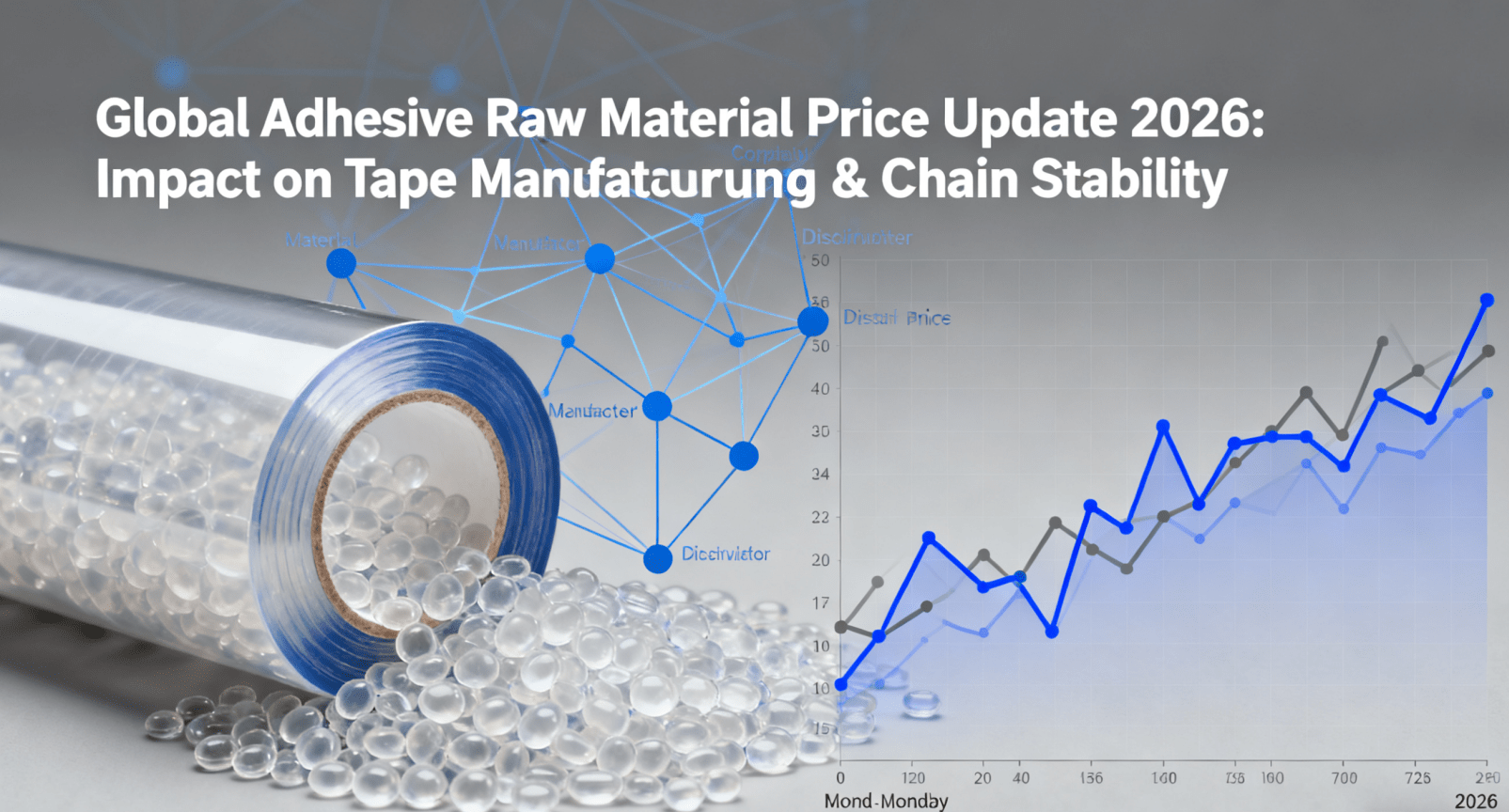
1. Introduction: Raw Material Volatility Enters a New Phase in 2026
As global manufacturing recovers from the disruptions experienced in 2024–2025, the adhesive tape industry enters 2026 with cautious optimism. While factory automation and supply chain diversification have helped stabilize some production capacity, raw material pricing remains one of the most influential factors shaping the cost of adhesive tapes worldwide.
Acrylic monomers, rubber-based chemicals, silicone resin, PET film, polyimide film, release liners, and hot-melt resins all experienced varying degrees of price fluctuation in the last quarter of 2025. These changes are expected to continue—if not intensify—in the first half of 2026.
For buyers, importers, and adhesives manufacturers, understanding these fluctuations is essential to planning procurement cycles, controlling inventory risks, and establishing effective pricing strategies.
2. Global Raw Material Price Trends: What Changed in Q4 2025 → Q1 2026
Across key adhesive raw materials, 2026 begins with mixed price movements. Below is a structured overview of the most relevant categories for adhesive tape production.
? Table 1 — Raw Material Price Movement Entering 2026
| Material Category | Q4 2025 Price Trend | Q1 2026 Expected Change | Key Drivers |
|---|---|---|---|
| Acrylic Adhesive Monomers | Stable → Slight rise | +2% to +4% | High shipping cost, upstream petrochemicals |
| Synthetic Rubber (Butyl, SIS, SBS) | Rising | +5% to +9% | Construction demand, chemical supply limits |
| Silicone Resin | Volatile | +3% to +7% | Tight supply from major producers |
| PET Film | Slight rise | +4% to +6% | Electronics and EV expansion |
| Polyimide Film | Increasing | +6% to +10% | PCB, semiconductor, EV battery |
| Hot Melt Resin | Stable | ±2% | Supply normalization |
| Release Paper / Liner | Rising | +3% to +5% | Paper pulp cost, processing cost |
| Packaging Materials | Rising | +4% | Carton & paper core cost |
The most notable increases are seen in rubber-based materials, polyimide film, and silicone resins, which directly influence the cost of waterproofing tapes, high-temperature tapes, and double-sided foam tapes.
3. How Each Key Raw Material Affects Tape Prices
3.1 Acrylic Adhesive Cost Impact
Acrylic adhesive is the backbone of many industrial tapes:
-
PET high-temperature tape
-
PVC warning tape
-
BOPP packaging tape
-
Carpet tape
-
Foam tape
Even small changes in acrylic monomer pricing can influence mass-production items, especially packaging tapes and general-purpose industrial tapes.
2026 Impact:
Manufacturers are preparing for moderate but continuous cost pressure, especially from Q2 onward.
3.2 Synthetic Rubber: The Most Sensitive Category in 2026
Butyl rubber, SIS, and SBS are directly used in:
-
Butyl sealing tapes
-
Waterproof membrane tapes
-
Double-sided bonding tapes
-
Masking tapes
-
Automotive sound-damping tapes
With construction activities rising globally, rubber adhesive costs are expected to remain elevated for most of 2026.
This category will impact waterproofing tape prices the most.
3.3 Silicone Resin: High-Temperature Tapes Become More Expensive
Silicone adhesive is essential for:
-
Polyimide tape
-
Glass cloth tape
-
High-temperature masking tape
-
Transformer insulation tape
Due to increased use in the EV battery supply chain, silicone resin remains one of the most supply-constrained materials.
Manufacturers expect continuous price increases in 2026, particularly for silicone-based tape categories.
3.4 PET Film: Driven by Electronics & EV Battery Lines
PET film is used widely in:
-
PET green tape
-
Single-sided and double-sided PET tape
-
Electrical insulation tape
-
Labeling tapes
Demand from electronics and lithium battery separators is pushing prices upward.
Q1–Q2 2026 may see the steepest increases.
3.5 Polyimide (PI) Film: Consistent Upward Pressure
Polyimide film remains the highest-cost base material in the adhesive tape sector. Due to:
-
Semiconductor expansion
-
Enhanced PCB manufacturing capacity
-
EV battery micro-insulation
-
Space-grade insulation applications
Polyimide tape manufacturers anticipate substantial cost increases in 2026 unless global PI film production capacity increases—something unlikely in the short term.
4. Supply Chain Stability: Better Than 2024–25, but Still Not Fully Recovered
While overall production capacity has improved, several factors still affect reliability:
4.1 Shipping Routes Remain Unstable
Certain international shipping corridors—particularly those involving the Middle East or Africa—may still experience irregular delays or cost spikes.
4.2 Chemical Plants Running at Lower Utilization Rates
Some upstream chemical manufacturers continue to face:
-
Environmental regulations
-
Energy cost increases
-
Limited output capacity
This directly influences acrylic and rubber adhesive availability.
4.3 Increased Global Demand for Specialty Tapes
High-temperature and automotive adhesive tapes are becoming mainstream rather than niche, adding pressure on base materials.
4.4 Distributor Inventory Levels Still Low
Many overseas buyers reduced their inventory levels in 2024–25.
As demand increases in 2026, short-term shortages may occur.
5. Which Tape Categories Will Face the Largest Cost Increase in 2026?
High probability of price increases:
-
Polyimide high-temperature tape
-
PET high-temperature tape
-
Automotive-grade foam tape
-
Butyl waterproof sealing tape
-
Silicone adhesive insulation tape
Moderate probability:
-
PVC warning tape
-
BOPP packaging tape
-
Paper masking tape
Low or stable cost probability:
-
Hot melt tapes
-
General-purpose acrylic tapes
6. Supplier Strategies to Control Costs in 2026
Leading manufacturers are adopting multiple strategies:
✔ Automation upgrades
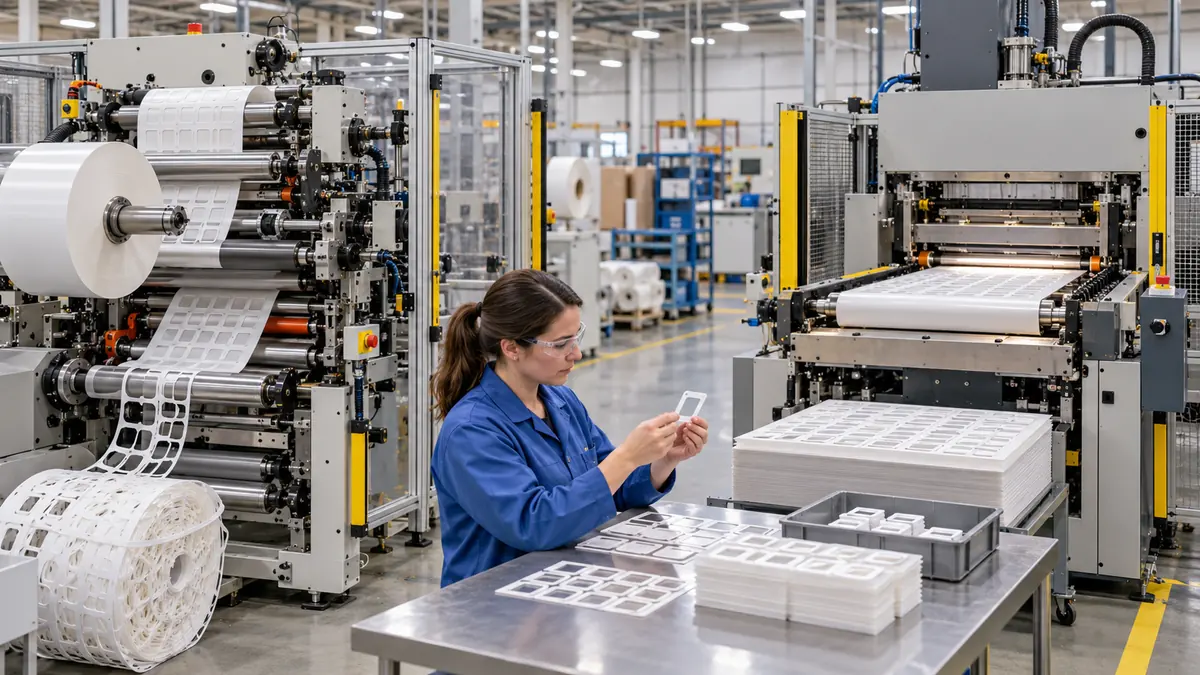
Reducing labor cost and improving consistency.
✔ Vertical integration
Producing adhesives and films internally to reduce outsourcing cost.
✔ Increasing capacity for PET/PI slitting and coating
This helps stabilize high-demand categories.
✔ Bulk purchasing of chemicals
Spreads out cost fluctuations across production cycles.
✔ Offering multi-category bundled quoting
Buyers ordering multiple tape categories achieve lower per-unit cost.
7. What Buyers Should Do to Protect Their Supply Chain in 2026
7.1 Lock-in prices early
Especially for:
-
Polyimide tape
-
PET tape
-
Automotive foam tape
-
Butyl waterproof tape
7.2 Build long-term relationships with scalable factories
Suppliers with full production lines (coating, slitting, die-cutting) offer:
-
Faster delivery
-
Lower risk
-
More stable pricing
7.3 Request updated technical datasheets
Ensure materials meet compliance for:
-
Electronics
-
Automotive
-
Construction
-
EU and US regulations
7.4 Increase safety stock for peak season
Particularly for waterproofing and construction tapes during Q2–Q3.
7.5 Compare cost-performance ratio (not only price)
High-quality tapes reduce failure rates and long-term cost.
8. Conclusion: Price Sensitivity Will Define 2026 Purchasing Strategies
Raw material cost fluctuations will remain a defining factor for adhesive tape manufacturers and importers throughout 2026. While automation and improved production capacity offer stability, upstream chemical prices—especially for rubber, silicone, PET, and PI—will continue to influence final tape pricing.
Buyers who plan strategically, secure long-term supply contracts, and cooperate with reliable manufacturers will be better protected against volatility and better positioned to respond to rising demand in the automotive, construction, and electronics sectors.
9. Contact for Quotation & Supply Chain Support
For stable, long-term sourcing of butyl tape, foam tape, PET high-temperature tape, polyimide tape, warning tape, masking tape, or custom adhesive solutions:
? Email: Jiaotaotao01@gmail.com
? WhatsApp / Phone: +86 136 1277 5969
? Website: clothadhesive.com
Polyimide Tape High Temperature – What Is It Used For?
Global Adhesive Tape Market Outlook 2026: A New Phase of High-Performance Materials & Industrial Upgrades
Related Article
Need help choosing the right industrial tape?
Send us your application details, including temperature, surface material, size, quantity and current problem. Our team will help recommend a suitable tape material or custom die-cut solution.

simon@jiaotaotao.com


+86-136 1277 5969


+86-136 1277 5969
