
How to Remove Tape Adhesive Without Damaging the Surface

How to Remove Tape Adhesive
The safest way to remove tape adhesive is to soften it first, then lift it gently, and clean the remaining film with a suitable solvent. In most cases, a combination of mild heat, a plastic scraper, and isopropyl alcohol works well without damaging the surface.

The most important rule is simple: always match the cleaning method to the surface. What works on glass or metal may damage plastic, painted panels, labels, or coated parts.
1. Before You Start
- Test any solvent on a small hidden area first
- Use a plastic scraper instead of a metal blade on delicate surfaces
- Work slowly and do not force dried adhesive off in one step
- Use a soft cloth so you do not scratch the surface during cleaning
2. What You May Need
- Hair dryer or low heat gun setting
- Plastic scraper or old plastic card
- Microfiber cloth
- Warm soapy water
- Isopropyl alcohol
- Mild adhesive remover suitable for the surface
3. Step-by-Step: How to Remove Tape Adhesive
Step 1: Soften the Adhesive
Apply mild heat for a few seconds to warm the residue. This usually makes the adhesive less brittle and easier to lift.
Step 2: Lift the Thick Residue
Use a plastic scraper, fingernail, or old plastic card to lift the softened adhesive gently. Do not press too hard.
Step 3: Wipe the Remaining Film
Apply a small amount of isopropyl alcohol or a surface-safe adhesive remover to a cloth, then wipe the remaining residue in small circular motions.
Step 4: Clean the Surface
After the adhesive is gone, clean the area with warm soapy water and dry it with a soft cloth.
4. Quick Reference by Surface Type
| Surface | Best First Step | What to Avoid |
|---|---|---|
| Glass | Mild heat + alcohol | Dry scraping with too much force |
| Metal | Mild heat + alcohol or adhesive remover | Abrasive pads that scratch finish |
| Plastic | Warm soapy water first, then gentle alcohol test | Strong solvents without testing |
| Painted surface | Low heat + soft cloth + gentle solvent test | Strong scraping or aggressive chemicals |
| Electronics housing | Soft cloth + light cleaner only | Heavy liquid application near openings |

5. What Not to Do
- Do not use a metal blade on soft plastic or painted surfaces
- Do not flood sensitive parts with solvent
- Do not use strong chemicals without testing first
- Do not rush dried residue removal by scraping too aggressively
6. How to Reduce Adhesive Residue Next Time
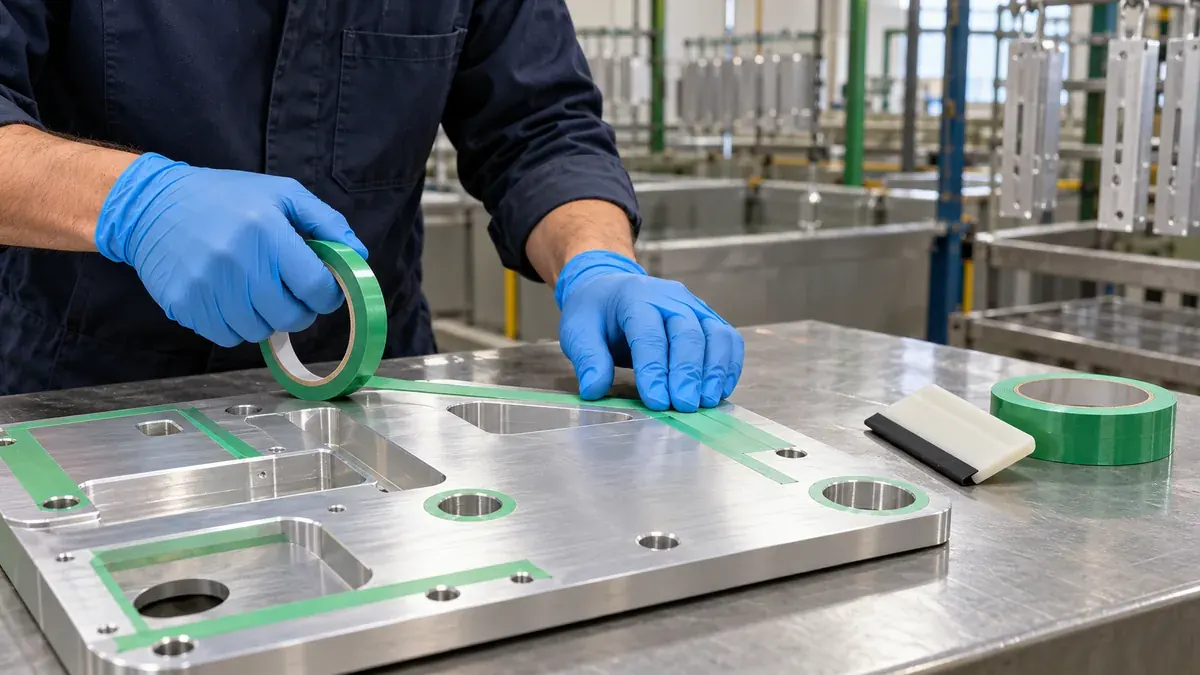
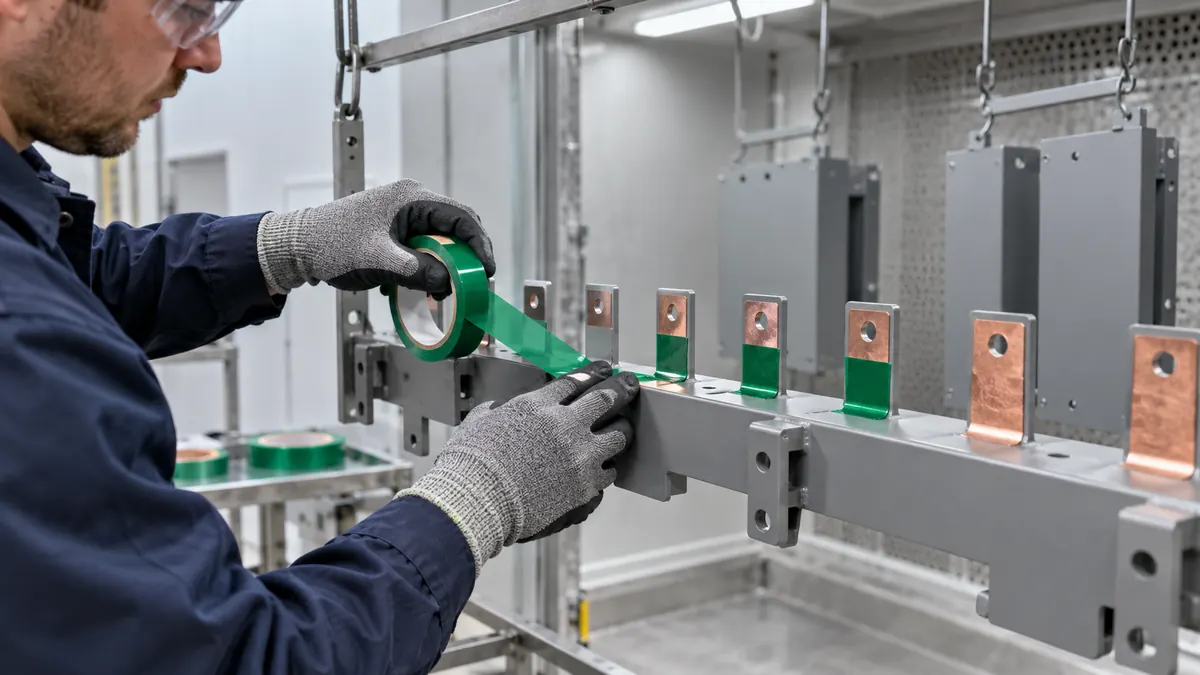
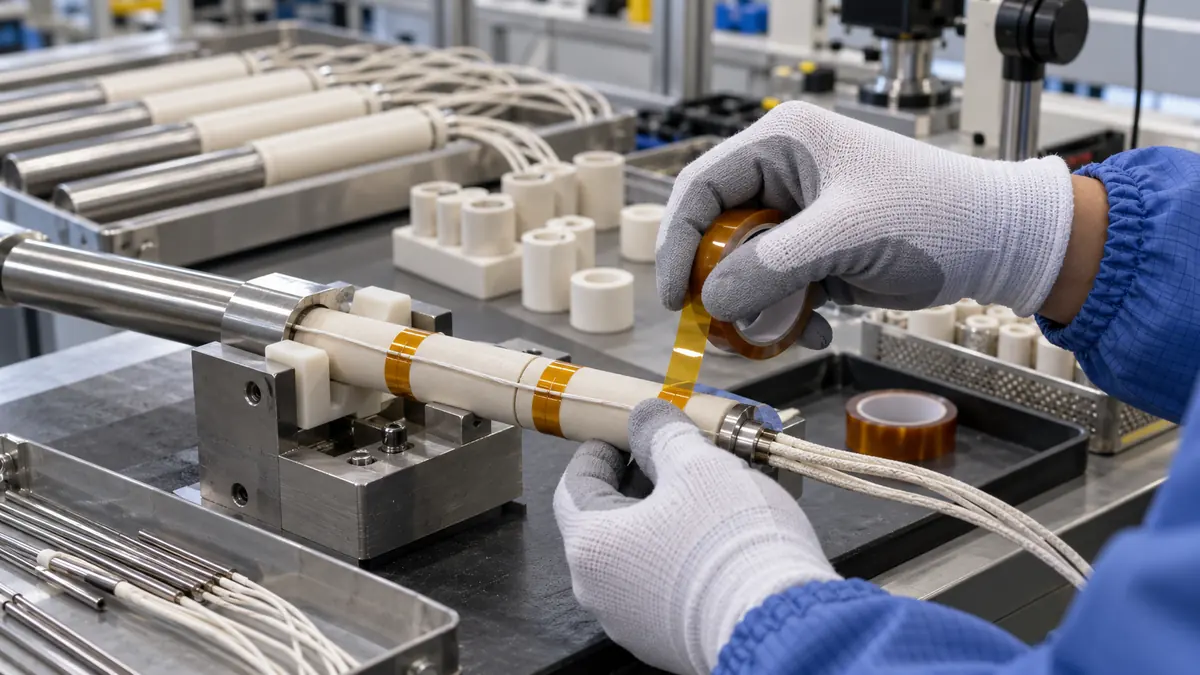
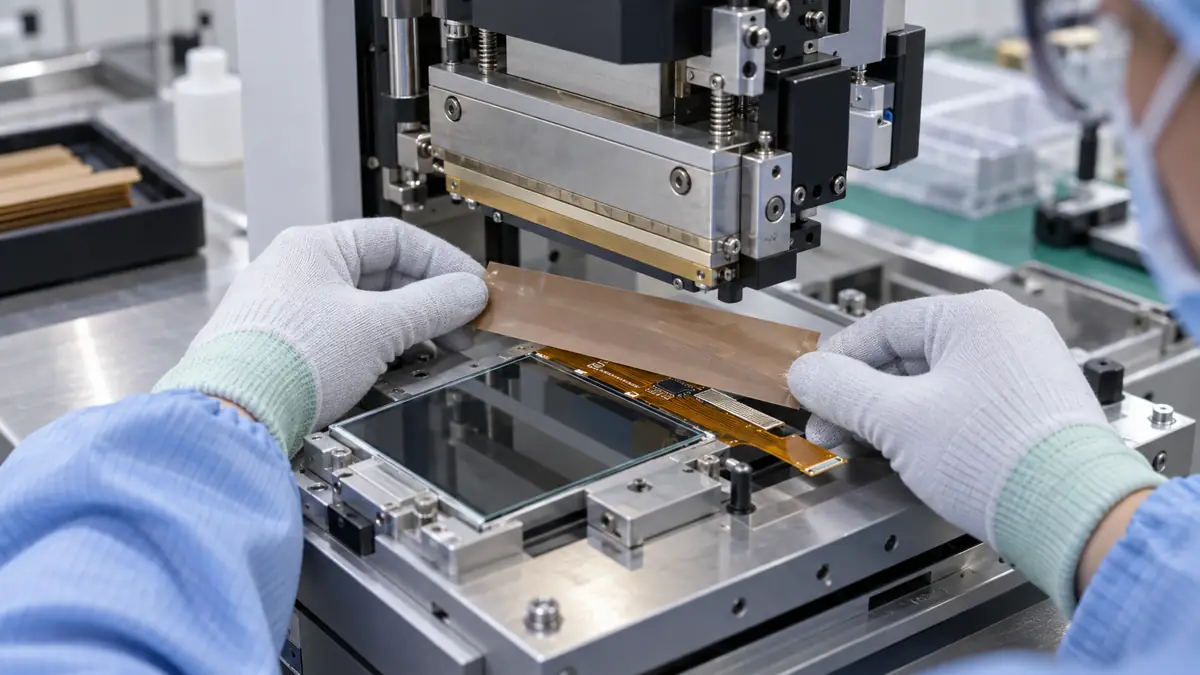
The easiest way to deal with tape adhesive is to prevent heavy residue in the first place. For temporary protection and cleaner removal, it is often better to choose tapes designed for clean removal instead of using general-purpose tapes beyond their intended use.
For example, your site’s Protective Film Tape is positioned for temporary surface protection and clean removal, while PET heat-resistant masking tape pages also emphasize clean removal and no-residue performance in process applications. :contentReference[oaicite:1]{index=1}
FAQ
What removes tape adhesive best?
For most surfaces, mild heat plus isopropyl alcohol is one of the most practical combinations. The heat softens the residue, and the alcohol helps wipe away the remaining film.
Can I remove tape adhesive without damaging paint?
Yes, but you need to be careful. Use low heat, a soft cloth, and test the cleaner first on a hidden area before treating the visible surface.
Why does tape leave residue?
Residue is more likely when the adhesive ages, gets too hot, stays on the surface too long, or when the tape is not matched to the application surface and environment.
Can water remove tape adhesive?
Warm soapy water can help on light residue, especially on smooth surfaces, but heavier adhesive usually needs heat and a suitable solvent to remove completely.
Conclusion
To remove tape adhesive safely, soften it first, lift it gently, and clean the remaining film with a surface-safe solvent. The right method depends on the material underneath, so always test first and avoid aggressive scraping. For future projects, using a cleaner-removal tape can save time and reduce cleanup work.
Looking for tape options with cleaner removal and better temporary protection? JIAO TAO TAO supports OEM/ODM supply, custom widths, thickness selection, die-cut conversion, and sample evaluation for protective film tape and process tapes designed for cleaner removal.
+86-13612775969
+86-13612775969
simon@jiaotaotao.com
Send Inquiry Online
How to Remove Double Adhesive Tape Without Damaging the Surface
What Is Foil Tape? Uses, Types and Industrial Applications
Related Article
Need help choosing the right industrial tape?
Send us your application details, including temperature, surface material, size, quantity and current problem. Our team will help recommend a suitable tape material or custom die-cut solution.

simon@jiaotaotao.com


+86-136 1277 5969

+86-136 1277 5969
