
Kapton Tape Solutions for High-Temperature Manufacturing in India

Kapton Tape Solutions for High-Temperature Manufacturing in India
Industry Background and Key Challenges
India’s industrial manufacturing sector has entered a phase of rapid expansion, particularly in electronics assembly, electrical equipment production, and advanced component manufacturing. As production volumes increase and process temperatures rise, manufacturers are facing growing challenges related to thermal stability, electrical insulation reliability, and process consistency.
In this context, kapton tape india has become a frequently referenced material category across industrial procurement and engineering discussions. High-temperature production environments—such as soldering, reflow processes, and electrical insulation operations—require materials that maintain performance without deformation, residue, or dielectric failure.
Common challenges include adhesive breakdown under heat, insulation materials losing dimensional stability, and masking materials contaminating sensitive electronic components. These issues directly affect yield rates, equipment uptime, and long-term product reliability.
Evolving Industry Requirements in India
Rising Process Temperatures and Automation
Indian electronics manufacturing is shifting toward higher-density PCB assemblies and automated production lines. This change increases demand for polyimide tape capable of withstanding sustained thermal exposure during automated soldering and component protection stages.
Compliance and Reliability Expectations
Export-oriented manufacturers must now meet stricter international standards for electrical insulation and material traceability. This drives demand for high temperature insulation tape solutions that offer consistent performance across large production batches.
Broader Application Diversity
Beyond electronics, Indian industries such as renewable energy equipment, automotive electrical systems, and industrial motors are increasingly incorporating electrical insulation tape designed for high-heat and high-voltage environments.
Technology and Material Development Directions
Focus on Polyimide Film Stability
The core direction of material development centers on enhanced polyimide tape film stability. Improvements target resistance to thermal aging, dimensional shrinkage, and mechanical stress during prolonged exposure to elevated temperatures.
Adhesive Performance Optimization
Another development direction is the refinement of silicone-based adhesive systems used in high temperature insulation tape. The goal is to achieve clean removal after heat cycles while maintaining secure adhesion during processing.
Process-Specific Functional Design
Material engineering increasingly emphasizes application-specific functionality. For example, PCB masking tape is being designed with precise thickness control and dielectric properties tailored to modern multilayer circuit boards.
These developments focus on adaptability rather than direct performance comparison, aligning materials with evolving industrial process requirements.
Impact on Manufacturers and Suppliers
From a manufacturer and supplier perspective, the growing relevance of kapton tape india introduces several operational considerations.
Production Consistency and Quality Control
Suppliers must ensure stable material properties across different production lots. Variations in thickness, adhesive behavior, or thermal resistance can disrupt downstream manufacturing processes.
Supply Chain Responsiveness
Indian manufacturers often operate under tight production schedules. This places pressure on suppliers of electronics manufacturing materials to maintain reliable inventory planning and technical documentation support.
Technical Support Expectations
Manufacturers increasingly expect suppliers to understand application conditions, including temperature ranges, dwell times, and electrical stress levels. This trend elevates the importance of application-oriented material knowledge rather than generic product supply.
Expanding Application Areas
The application scope for kapton-based materials continues to widen across Indian industries:
-
PCB masking tape for wave soldering and reflow protection in electronics manufacturing
-
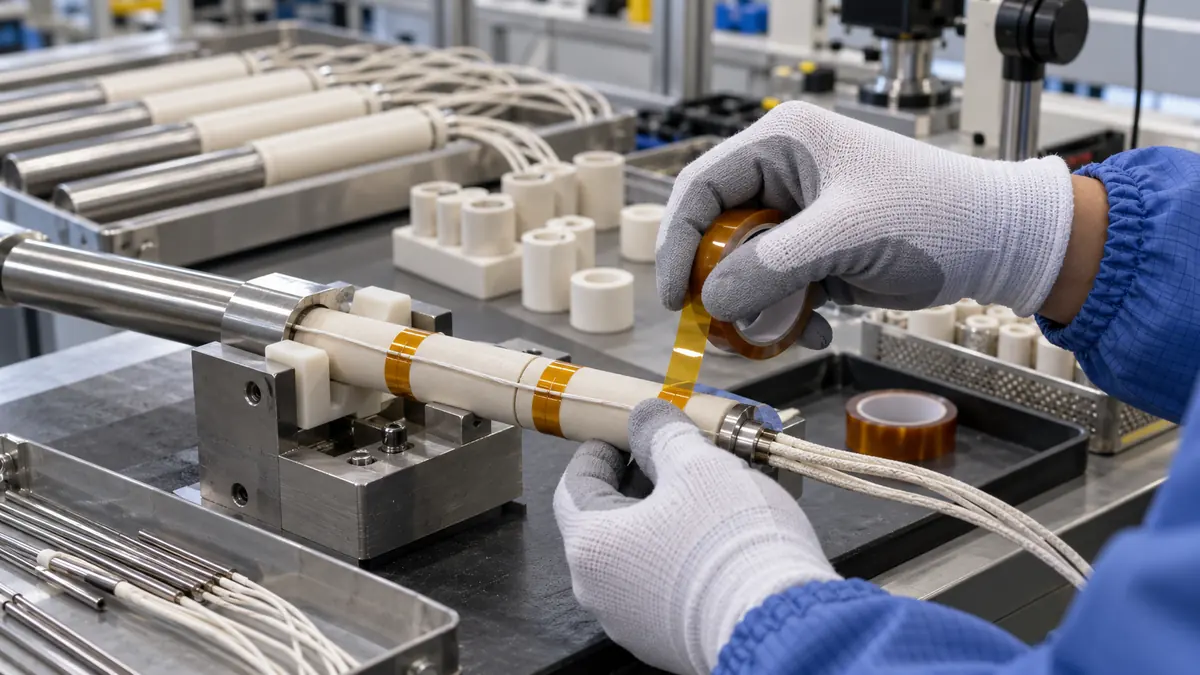
Electrical insulation tape used in transformers, motors, and coil wrapping
-
High temperature insulation tape for lithium battery assembly and energy storage systems
-
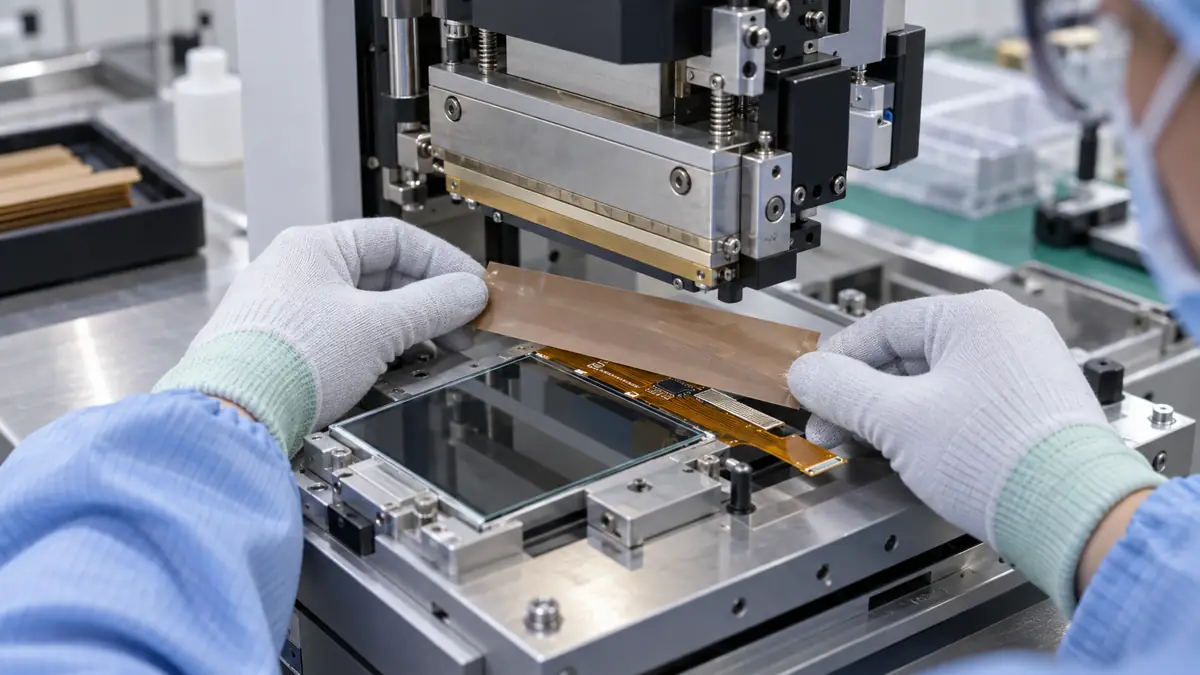
Polyimide tape in flexible circuit fabrication and sensor production
-
Electronics manufacturing materials supporting LED, semiconductor, and control module assembly
Each application reflects increasing technical demands on thermal endurance, electrical insulation, and process reliability.
Conclusion: Industry-Level Material Alignment
As India strengthens its position as a global manufacturing hub, material selection is becoming a strategic factor rather than a procurement afterthought. The growing attention to kapton tape india reflects a broader industry shift toward materials that align with high-temperature, high-reliability production environments.
Rather than focusing on individual products or suppliers, manufacturers are prioritizing solution-oriented material frameworks that support scalable production, regulatory compliance, and long-term operational stability. This trend is expected to continue as Indian industries advance toward higher-value manufacturing and global supply chain integration.


DIY Tape | Why Green PET High-Temperature Tape Is Taking the Craft World by Storm
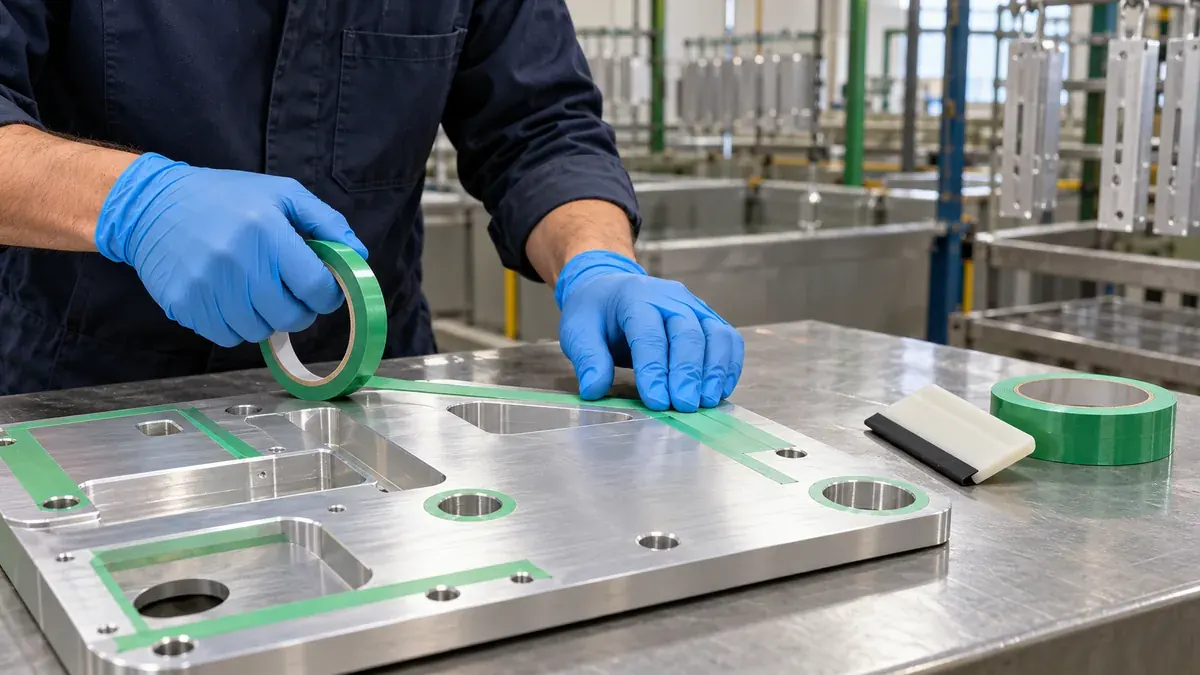
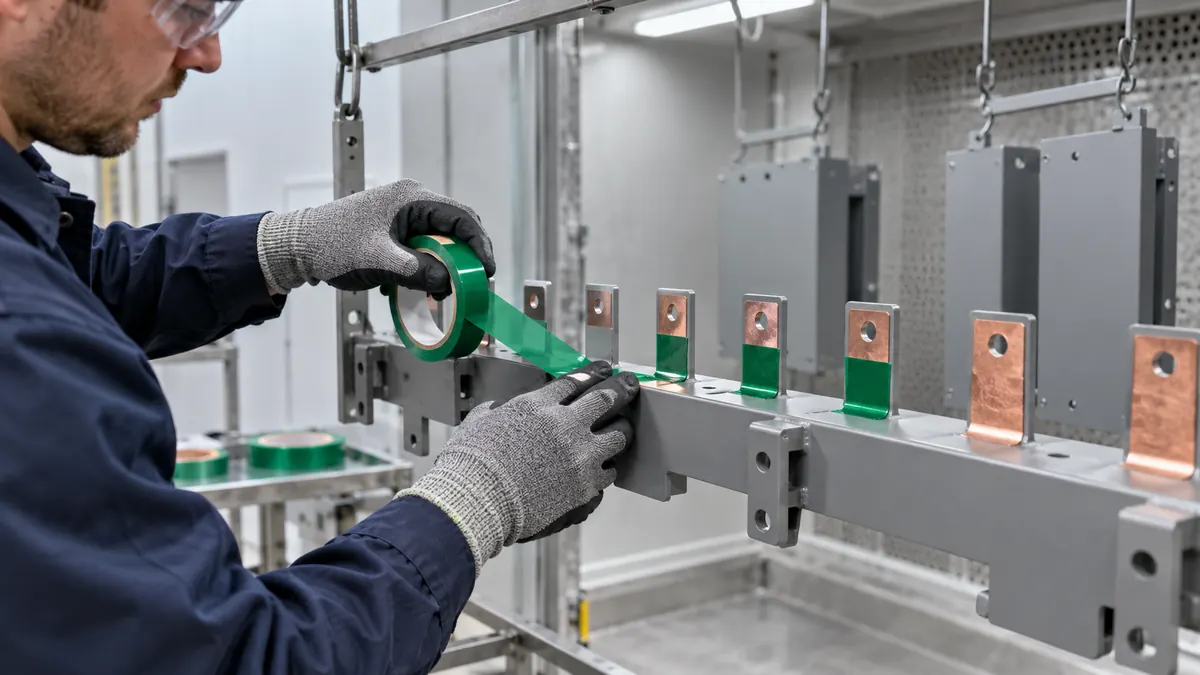
Industrial Painting Processes Drive New Requirements for Masking Tape Applications
Related Article
Need help choosing the right industrial tape?
Send us your application details, including temperature, surface material, size, quantity and current problem. Our team will help recommend a suitable tape material or custom die-cut solution.

simon@jiaotaotao.com


+86-136 1277 5969


+86-136 1277 5969
