
High Heat Tape for Powder Coating Beginner Guide
High Heat Tape for Powder Coating Beginner Guide
High heat tape for powder coating is used to protect selected areas of a part before spraying and curing. If you are new to powder coating, this guide will explain what this tape does, why polyester tape is often used, how to apply it correctly, and what beginner mistakes to avoid. The goal is simple: cleaner masking lines, less rework, and a more reliable coating result.
What Is High Heat Tape for Powder Coating?
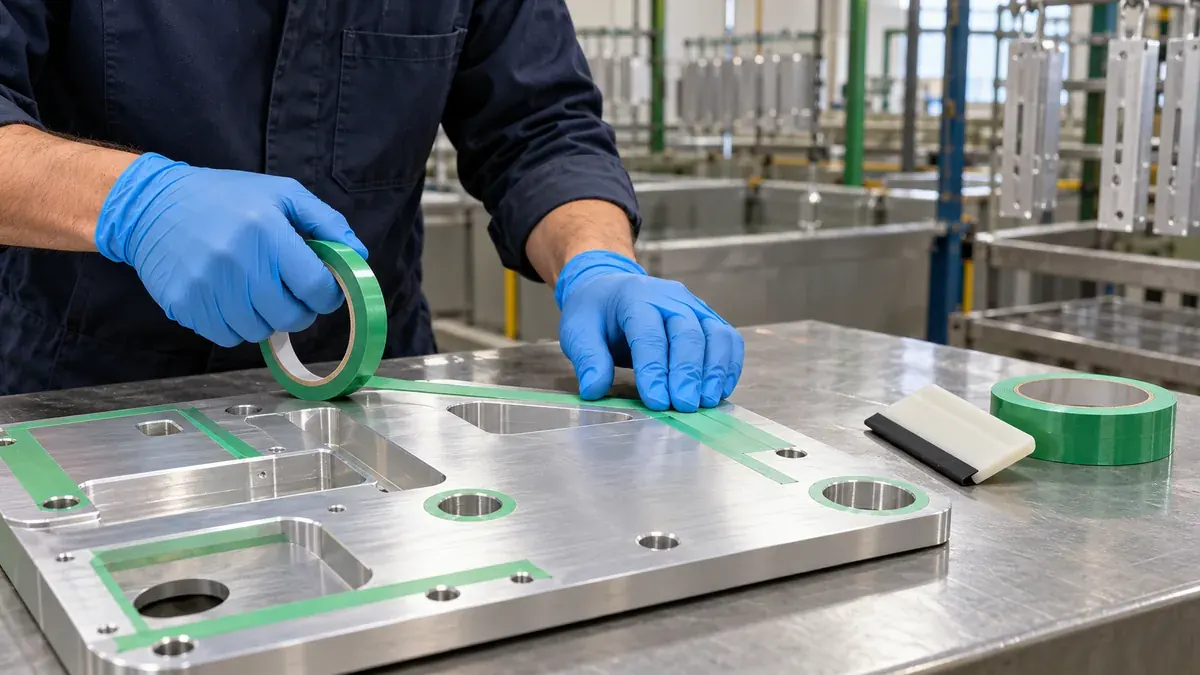
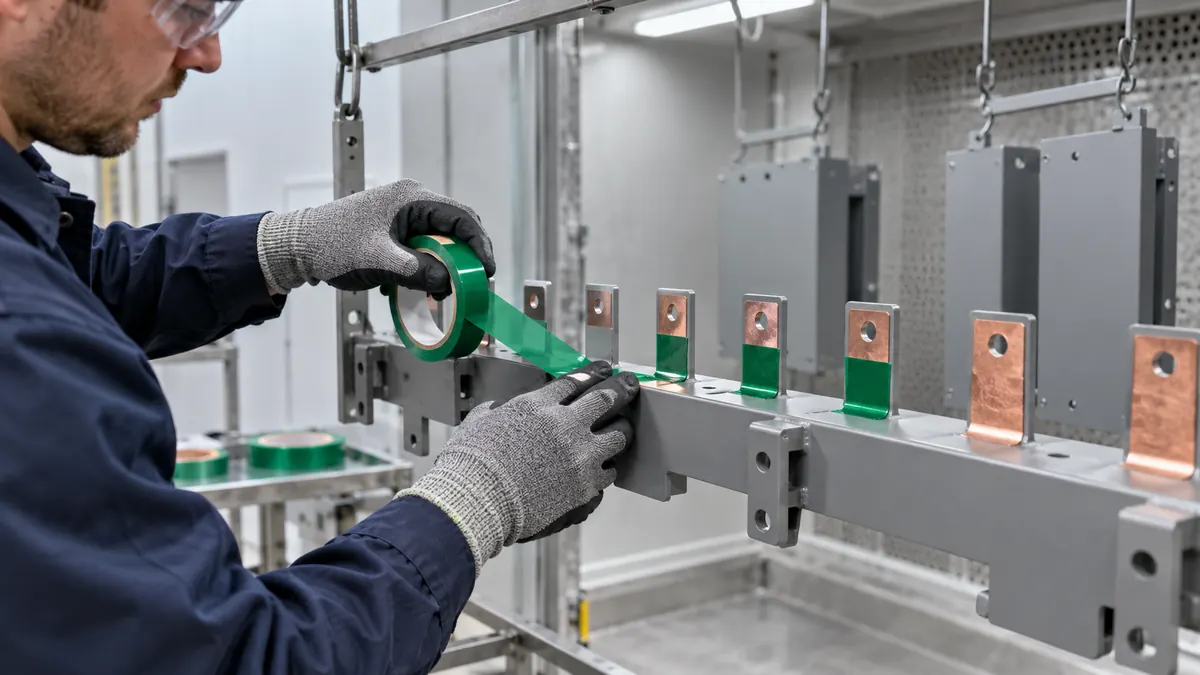
High heat tape for powder coating is a masking tape that stays in place during coating application and oven curing. It is used to cover areas that should not receive powder, such as threads, contact points, sealing surfaces, labels, or functional zones. After the coating process is complete, the tape is removed to reveal a clean, uncoated area. For beginners, the main idea is easy to understand: the tape acts like a temporary barrier that helps control exactly where the powder goes.
In practice, powder coating creates more stress on masking tape than many people expect. The tape must hold its shape under heat, maintain a clear masking edge, and come off without creating a mess. If the tape shrinks, lifts, or leaves residue, the final coating can look uneven or require extra cleanup. That is why the tape choice matters even in simple jobs.
Why Polyester Tape Is Commonly Used
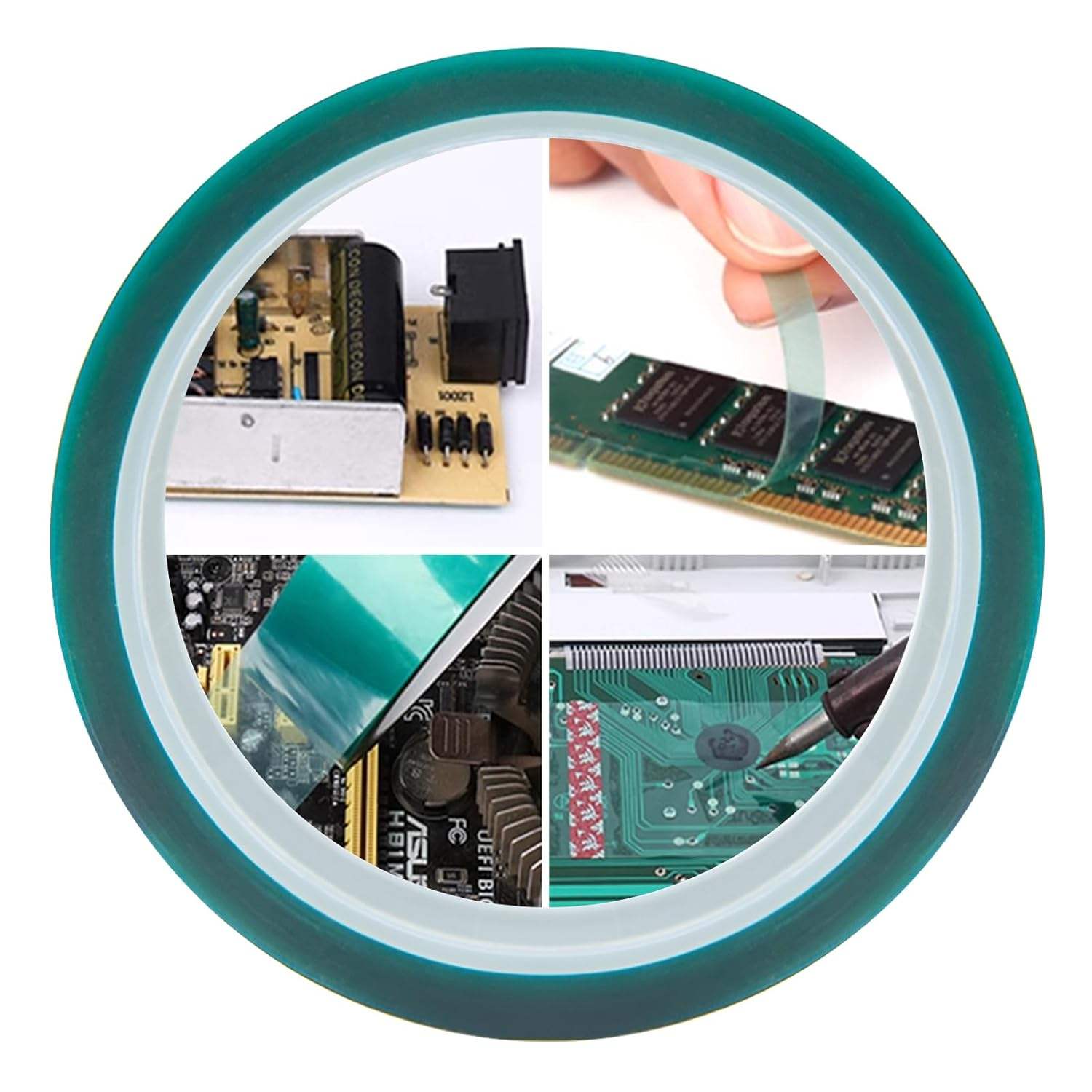
Polyester tape is commonly used because polyester film, also called PET film, offers a useful mix of heat resistance, electrical insulation, chemical resistance, and mechanical strength. These features help the tape perform better in industrial environments than ordinary low-temperature masking materials. In simple terms, polyester tape is made for jobs where heat and process stability matter.
Another reason beginners often start with polyester tape is that it is widely used across multiple industries, including electronics, electrical engineering, automobiles, powder coating, and PCB manufacturing. That broad use shows it is a proven material family rather than a niche product. For a beginner, that makes it a safer and more practical starting point when learning powder coating masking basics.
How to Use It Step by Step
Before applying the tape, make sure the surface is clean and dry. Dust, oil, or residue can reduce adhesion and make the tape lift during spraying or curing. Once the surface is ready, apply the tape carefully to the area that must stay free from coating. Press it down evenly along the full length, especially at the edges, because edge sealing is one of the most important parts of successful masking.
After the tape is applied, inspect the placement before coating starts. Check for bubbles, loose corners, or sections that do not follow the surface cleanly. During spraying and curing, the tape should stay stable and continue protecting the masked zone. Once the part has completed its process and reached a safe removal stage, peel the tape away in a controlled way. A clean removal with a sharp masking line is usually the sign that the tape and application method were both suitable.
For beginners, it helps to think of the process as three steps: clean surface, careful placement, controlled removal. Mastering these basics will solve many common masking problems before they start.
Common Beginner Mistakes to Avoid
One common mistake is using general-purpose tape instead of a tape designed for heat and industrial masking. Basic tapes may look similar at first, but they can fail quickly during powder coating. Another common mistake is poor surface preparation. Even a good tape may underperform if the part is oily, dusty, or damp when the tape is applied. Beginners also sometimes rush the placement step, leaving small gaps or loose edges that allow powder to reach protected areas.
A second group of mistakes comes from handling. Stretching the tape too much during application can affect how it sits on the surface. Using the wrong width for a tight curve or narrow detail can also reduce masking accuracy. Finally, some users judge tape quality only by heat resistance, but that is not enough. Good powder coating masking also depends on clean removal, edge control, and fit with the part shape.
How to Choose the Right Tape
If you are new to this process, start by asking three basic questions. First, how much heat will the part see during curing? Second, which areas must remain free from coating? Third, how precise does the masking edge need to be? These questions help narrow down the right tape type and format. A flat, simple part may work well with standard roll widths, while tighter details may need narrower tape or custom masking formats.
In many beginner-friendly cases, polyester tape is a practical starting point because it is designed for demanding industrial conditions and is already widely used in powder coating and other technical sectors. The right tape is not always the most expensive one. It is the one that matches the part, the process, and the masking goal without creating unnecessary cleanup or defects.
Easy rule to remember: For beginners, a good powder coating masking result usually comes from the right material plus careful application, not from heat resistance alone.
Summary
High heat tape for powder coating helps beginners control where powder goes and protect critical surfaces during curing. For many entry-level and industrial uses, polyester tape is a strong option because PET film offers heat resistance, electrical insulation, chemical resistance, and mechanical strength. If you are just getting started, focus on clean surface preparation, careful tape placement, and choosing a tape that fits the actual coating process. Those basics will do more for your results than simply choosing a tape based on a heat claim.
Explore Polyester Tape Options
Want to learn more about high heat tape for powder coating? Browse polyester tape options to compare product types for masking, insulation, and other industrial uses.
View Polyester Tape Category Visit Official Website
Contact: simon@jiaotaotao.com
High Temperature Tape for Powder Coating Solutions
High Temp Tape for Powder Coating Explained
Related Article
Need help choosing the right industrial tape?
Send us your application details, including temperature, surface material, size, quantity and current problem. Our team will help recommend a suitable tape material or custom die-cut solution.

simon@jiaotaotao.com


+86-136 1277 5969


+86-136 1277 5969
