
High Heat Masking Tape: Your Go - To for Heat - Resistant Applications
author: HUANG
2025-03-17
High Heat Masking Tape: Your Go - To for Heat - Resistant Applications
In the dynamic world of manufacturing, DIY projects, and industrial processes, the demand for materials that can endure harsh conditions is on the rise. Among these essential items is high heat masking tape, a product designed to meet the challenges of high - temperature environments. This blog post will explore what high heat masking tape is, its benefits, applications, and how to choose the right one for
you needs.

What Exactly is High Heat Masking Tape?
The Composition Breakdown
High heat masking tape is a specialized adhesive tape engineered to withstand elevated temperatures. It typically consists of two main components: a backing material and an adhesive. The backing material is selected for its heat - resistant properties. Common materials include fiberglass, which offers excellent strength and can endure extremely high temperatures, and polyester, known for its flexibility and good heat tolerance. The adhesive used is also formulated to maintain its stickiness and integrity under high heat. Special heat - resistant adhesives, such as silicone - based ones, are often employed to ensure the tape stays firmly in place.
Differentiating from Standard Masking Tapes
Standard masking tapes are great for everyday use at normal room temperatures. They usually have a paper backing and a basic adhesive. However, when exposed to high heat, they quickly become ineffective. They may start to peel off, leave behind a sticky residue, or even degrade and pose a safety hazard. High heat masking tape, on the other hand, is built to handle temperatures ranging from 200°F to well over 1000°F, depending on the specific product. This significant temperature tolerance sets it apart and makes it suitable for a wide range of high - heat applications.
The Advantages of High Heat Masking Tape
Exceptional Heat Resistance
The most prominent advantage of high heat masking tape is its ability to resist heat. In industrial settings like metal foundries, where molten metals are processed at extremely high temperatures, this tape can be used to mask areas that need protection. For example, when applying a heat - resistant coating to metal molds, high heat masking tape ensures that the coating only adheres to the desired areas, while the masked parts remain unaffected by the high - temperature application process.
Strong and Durable Adhesion
Despite the intense heat, high heat masking tape maintains a strong adhesive bond. This is crucial in applications where the tape needs to stay in place for an extended period. In the automotive industry, during the painting and curing of engine components, which are exposed to high under - hood temperatures, the tape holds firmly, preventing paint from reaching areas that should remain unpainted.
Clean Removal
Another key benefit is clean removal. After the high - heat process is complete, high heat masking tape can be removed without leaving any residue on the surface. This is especially important in industries such as electronics, where any adhesive residue left on circuit boards or components could interfere with their performance. When used during soldering processes that involve high temperatures, the tape can be cleanly removed, ensuring the integrity of the electronics.
Versatility in Use
High heat masking tape comes in a variety of widths and thicknesses, making it suitable for different applications. Whether you need to mask a narrow gap in a high - temperature furnace or cover a large surface area during a heat - treating process, there's a high heat masking tape option available. It can also be used on various surfaces, including metal, ceramic, and some plastics, providing flexibility in usage.
Applications of High Heat Masking Tape
Industrial Applications
Automotive Manufacturing
In automotive manufacturing, high heat masking tape is used extensively. It is used to mask areas during the painting and curing of engine parts, exhaust systems, and brake components. These parts are often exposed to high temperatures during normal operation, and the tape ensures that the paint or coating applied can withstand these conditions.
Aerospace Industry
The aerospace industry relies on high heat masking tape for numerous applications. From masking parts during the painting and finishing of aircraft exteriors to protecting sensitive components during the curing of composite materials in high - temperature autoclaves, this tape plays a crucial role in maintaining the quality and safety of aerospace products.
Electronics Production
During electronics production, high heat masking tape is used in soldering processes. It can be used to mask areas on circuit boards that should not be exposed to the high temperatures of the soldering iron or reflow oven. This helps protect delicate components from heat damage and ensures the proper functioning of the final product.
DIY and Hobbyist Applications
Model Building
For hobbyists who build scale models, such as model cars or airplanes, high heat masking tape can be used during painting and finishing processes. If you're using a heat gun to shape plastic parts or cure paint, the tape can protect other parts of the model from the heat, ensuring a clean and professional finish.
Home Renovation
In home renovation projects, when refinishing furniture using high - temperature paint or stain - curing techniques, high heat masking tape can be used to protect hardware, edges, or adjacent surfaces that should not be affected by the heat or the finish.
How to Select the Right High Heat Masking Tape
Temperature Rating Consideration
The first and most important factor to consider when choosing high heat masking tape is its temperature rating. You must select a tape that can withstand the maximum temperature of your application. If you're working in an industrial oven that reaches 500°F, choose a tape with a temperature rating of at least 500°F or higher.
Adhesive Type Evaluation
There are different types of adhesives used in high heat masking tape, such as acrylic, silicone, and rubber - based adhesives. Acrylic adhesives offer good adhesion on a variety of surfaces and are resistant to chemicals. Silicone adhesives are renowned for their outstanding heat resistance and are often the go - to for high - temperature applications. Rubber - based adhesives may be more suitable for applications where quick adhesion and easy removal are required.
Backing Material Assessment
The backing material of the tape significantly impacts its performance. Fiberglass - backed tapes are extremely strong and heat - resistant, making them ideal for heavy - duty industrial applications. Polyester - backed tapes are more flexible and can be used on curved surfaces. Paper - backed tapes, while less heat - resistant than fiberglass or polyester, can still be suitable for applications with moderate heat requirements.
Width and Thickness Selection
Choose the width and thickness of the tape based on your specific application. For narrow seams or small areas, a narrow - width tape may be sufficient. For larger surface areas, a wider tape will be more efficient. The thickness of the tape can also affect its performance. Thicker tapes may offer better protection but may be less flexible.
In conclusion, high heat masking tape is an essential tool in many industries and DIY projects. Its unique combination of heat resistance, strong adhesion, clean removal, and versatility makes it a valuable asset. By understanding its features and knowing how to choose the right tape for your needs, you can ensure the success of your projects and the quality of your end products.r
Automotive Two Sided Tape for Industrial Assembly
High Temp Masking Tape: An Indispensable Tool in High - Heat Environments
Related Article
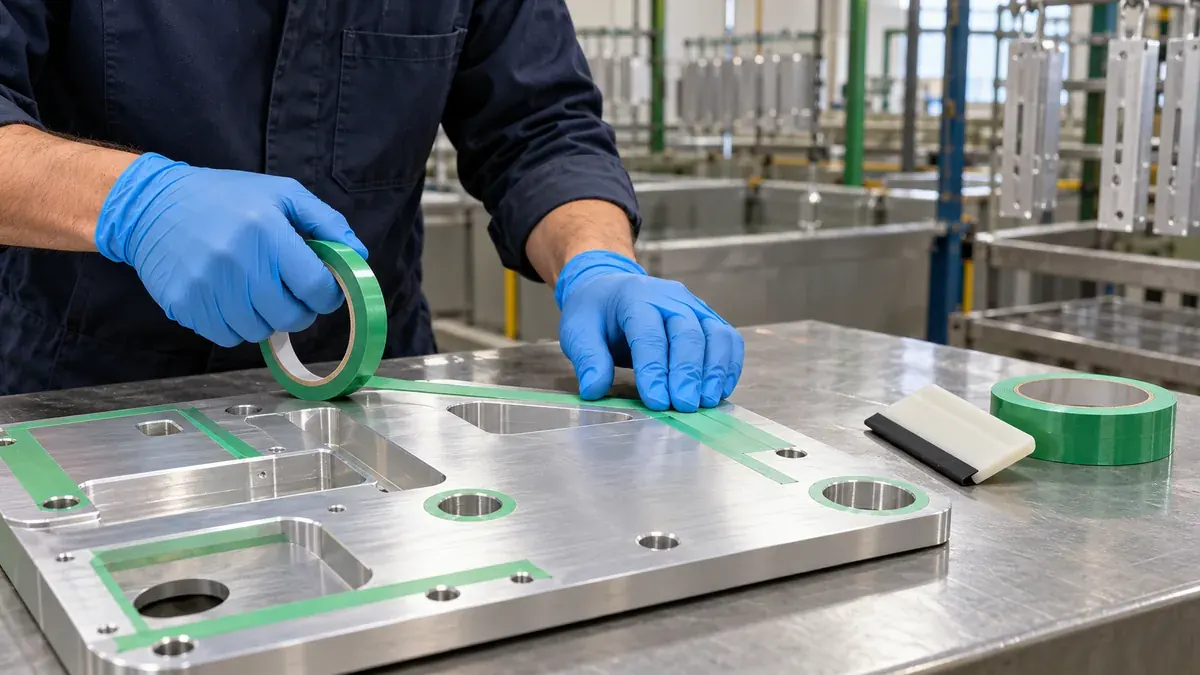
A process qualification guide for selecting, applying and validating PET silicone tape through a defined anodizing sequence.
How to Qualify PET Silicone Tape for Anodizing Masking
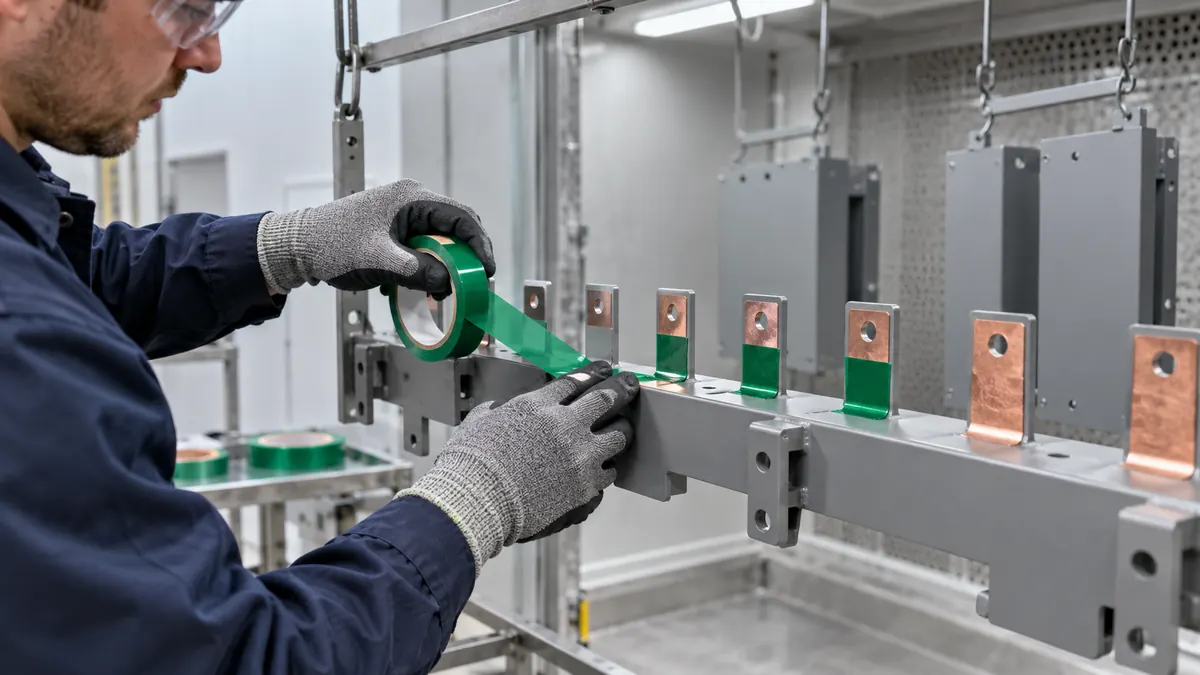
An application guide to defining, applying and validating PET silicone tape masks on busbar contact pads before powder coating.
PET Silicone Tape for Busbar Contact Pad Masking
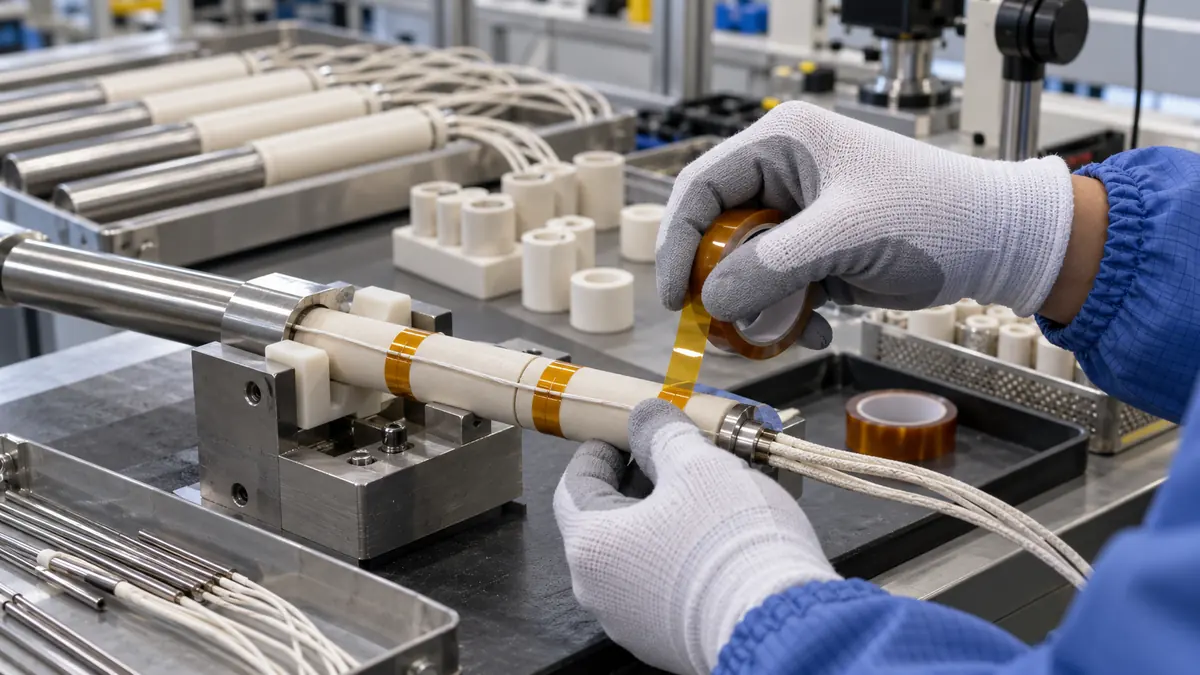
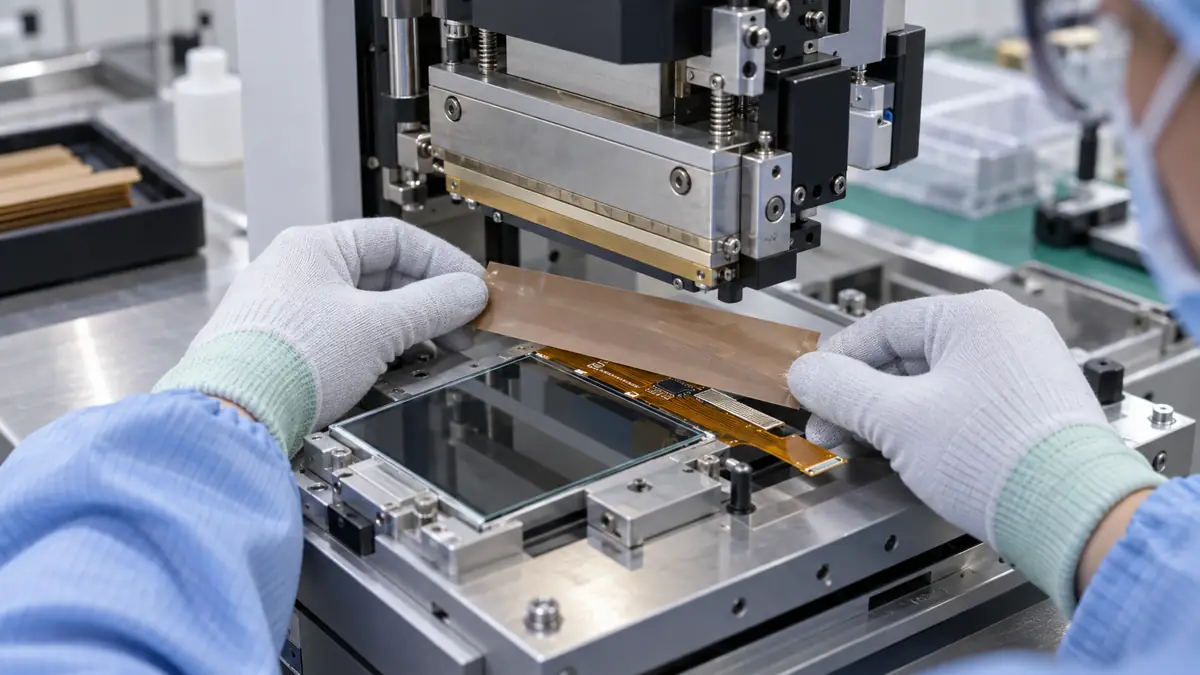
Need help choosing the right industrial tape?
Send us your application details, including temperature, surface material, size, quantity and current problem. Our team will help recommend a suitable tape material or custom die-cut solution.

simon@jiaotaotao.com


+86-136 1277 5969


+86-136 1277 5969
