
Sublimation Polyimide Tape: Practical Guide for B2B Buyers
Sublimation Polyimide Tape: Practical Guide for B2B Buyers
Sublimation polyimide tape is used when manufacturers need stable adhesion, clean removal, and heat resistance during heat transfer, PCB masking, flexible circuit protection, and other high-temperature industrial processes. For procurement teams, the real challenge is not simply finding a roll of amber tape. It is choosing a polyimide tape construction that matches the temperature profile, adhesive behavior, thickness, and converting format required by the production line.
This guide explains what sublimation polyimide tape is, where it works best, which specification points matter most, and what sourcing mistakes often create waste or unstable results. It is written for industrial buyers, process engineers, and OEM teams that need practical selection logic rather than generic product language.
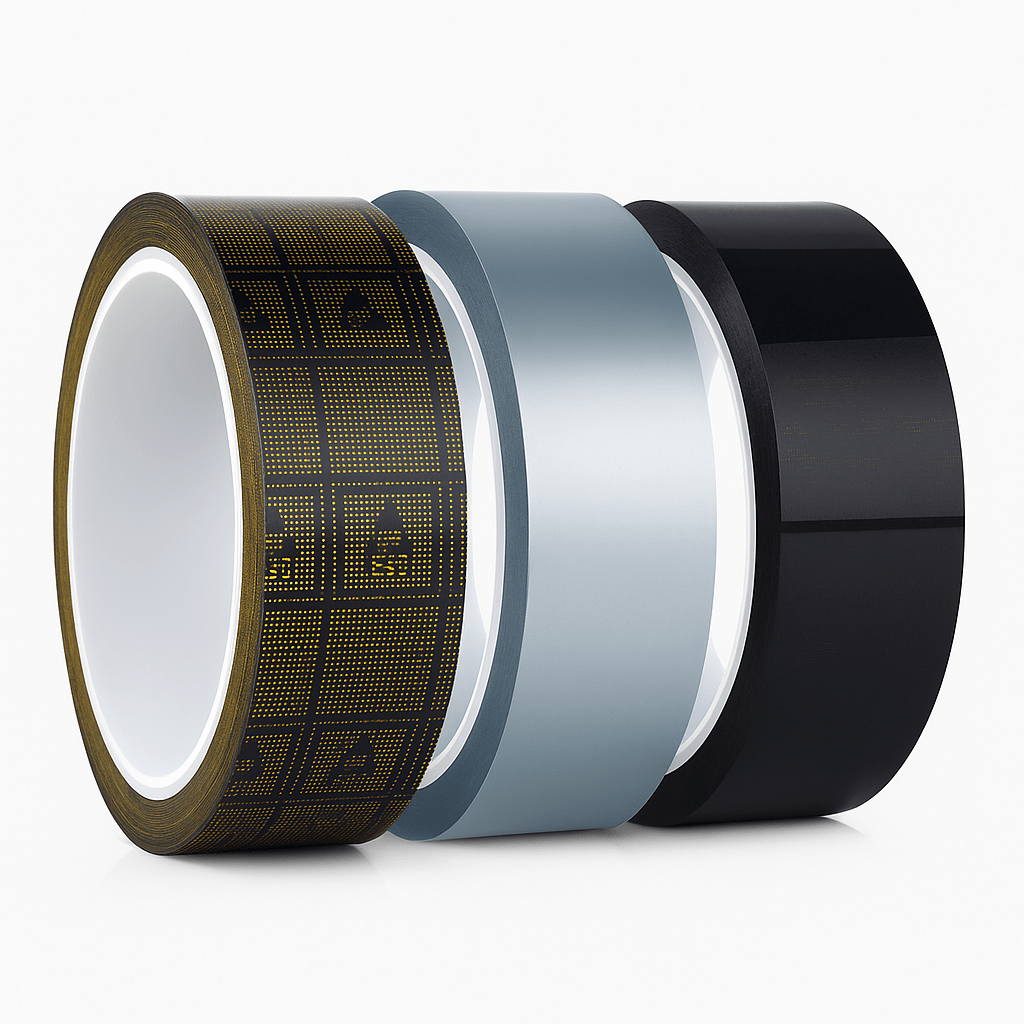
The reference product structure behind this article is a silicone adhesive polyimide tape built on a 25 μm polyimide film, with 0.035 mm total thickness, 260–280°C temperature resistance, customizable widths, and 33 m / 66 m roll options.
Contents
What Is Sublimation Polyimide Tape?
Sublimation polyimide tape is a high-temperature PI film tape designed for processes that require stable adhesion at elevated temperatures and clean removal after thermal exposure. In industrial use, it is often selected for heat transfer operations, PCB masking, flexible circuit protection, electronics insulation, and localized shielding during reflow or lamination.
Base Construction and Adhesive System
A typical sublimation polyimide tape uses a polyimide film backing combined with a silicone adhesive system. This construction is important because it provides thermal stability, dimensional control, and more predictable release behavior after heating compared with many lower-temperature tape materials.
Reference Specification Range
A representative industrial sublimation polyimide tape may use a 25 μm base film and a 0.035 mm total thickness. In the reference structure, the tape is rated for 260–280°C, supplied in amber color, and available in customizable widths with standard 33 m / 66 m roll lengths. These details make it suitable for applications that need both heat resistance and converting flexibility.
Why It Matters in Manufacturing
For B2B buyers, sublimation polyimide tape is not just a consumable. It affects process consistency, surface protection, ease of handling, and post-process cleanup. In heat transfer and electronics environments, a tape that shifts, leaves residue, or loses edge stability can directly affect yield and rework rates.
| Item | Reference Specification | Why It Matters |
|---|---|---|
| Model | PI2535 | Useful as a product-level reference when qualifying samples. |
| Base Film Thickness | 25 μm | Helps balance heat resistance and conformability. |
| Total Thickness | 0.035 mm | Important for fit, edge build-up, and precision placement. |
| Adhesive Type | Silicone | Supports stable adhesion and clean removal after heating. |
| Temperature Rating | 260–280°C | Defines the thermal range for sublimation and process masking. |
| Length | 33 m / 66 m | Supports standard industrial roll supply. |

Key Challenges in High-Temperature Transfer and Protection
Many production issues appear when buyers choose tape based only on “high temperature” language without matching the tape to the actual process. Sublimation and electronics lines need more than heat resistance. They need stable adhesion, edge control, and clean removal at the right point in the workflow.
Thermal Stability Is Not the Only Requirement
A tape can survive heat but still fail in use if it shifts during transfer, lifts at the edges, or leaves residue after removal. That is why the adhesive system matters as much as the film. In sublimation work, clean removal after thermal processing is often a critical requirement, not a secondary feature.
Precision Placement Can Affect Final Output
In heat transfer and circuit-related processes, tape positioning must stay accurate throughout the cycle. Excessive thickness, poor slit quality, or unstable adhesion can cause movement, uneven pressure zones, or handling inefficiency.
Custom Supply Requirements Are Often Missed Early
Some factories need wider jumbo or log roll supply for converting. Others need narrow slit rolls or custom labeling for OEM programs. If these requirements are not discussed early, even a technically suitable sublimation polyimide tape can become inconvenient in mass production.
Buyer takeaway: The best sublimation polyimide tape is the one that keeps position under heat, removes cleanly after the cycle, and arrives in the exact roll format your process actually needs.
Critical Factors to Consider When Selecting Sublimation Polyimide Tape
1. Match the Temperature Range to the Real Process
Start with the actual thermal profile. For many transfer and protection processes, a tape rated in the 260–280°C range provides the necessary heat margin. The key is to confirm whether the process is continuous, short-cycle, or repeated, because dwell time affects tape performance just as much as peak temperature.
2. Confirm the Adhesive Behavior After Heating
Silicone adhesive is commonly selected for sublimation polyimide tape because it combines heat resistance with more reliable removal behavior after thermal exposure. This matters especially when the tape is used to secure substrates temporarily and must be removed without contaminating the surface.
3. Choose the Right Thickness for the Job
A 0.035 mm total thickness is useful in many precision applications because it helps control build-up while remaining strong enough for process handling. Buyers should still validate whether the selected thickness fits the substrate geometry, edge sensitivity, and handling method used on the line.
4. Review Width and Roll Format Early
Customizable width is not just a convenience. It affects scrap, operator speed, and repeatability. Factories with their own converting operations may prefer log rolls or jumbo formats, while end users may need narrow slit rolls ready for direct line use.
5. Consider More Than One Use Case
Although the keyword is sublimation polyimide tape, many buyers want one PI tape family that can also support PCB masking, flexible circuit protection, electronics insulation, and component shielding. When possible, choose a supplier that can support both the current use case and adjacent application needs.
| Selection Factor | What to Check | Why It Matters |
|---|---|---|
| Heat Rating | Peak temperature, dwell time, cycle repeatability | Ensures the tape remains stable throughout the thermal process. |
| Adhesive System | Silicone adhesion and clean removal behavior | Reduces residue and surface contamination risk. |
| Total Thickness | 0.035 mm or other qualified options | Affects placement precision and edge build-up. |
| Width / Length | Custom width, 33 m, 66 m, or converting format | Improves efficiency in production and procurement. |
| Adjacent Uses | Heat transfer, PCB masking, flexible circuits | Improves sourcing consistency across projects. |

Common Mistakes to Avoid
Buying by Generic Keyword Alone
Not every product labeled as sublimation polyimide tape has the same structure or process fit. Buyers should always review the actual film thickness, total thickness, adhesive type, and temperature range instead of relying on the keyword alone.
Ignoring Clean Removal Requirements
If the tape is used for temporary positioning during heat transfer, post-process removal matters as much as holding force. A tape that holds well but leaves residue can still damage production efficiency and surface quality.
Skipping Roll Format Discussion
Factories often lose time because the selected tape was technically correct but supplied in an inconvenient format. Width, roll length, and converting capability should be part of the sourcing discussion before final approval.
Testing Only Once Under Ideal Conditions
One successful trial is not enough. Buyers should validate the tape under actual temperature, timing, pressure, and substrate conditions. That is the best way to confirm the tape will remain consistent in real production.
Recommended Uses for Different Processes
For Heat Transfer and Sublimation Positioning
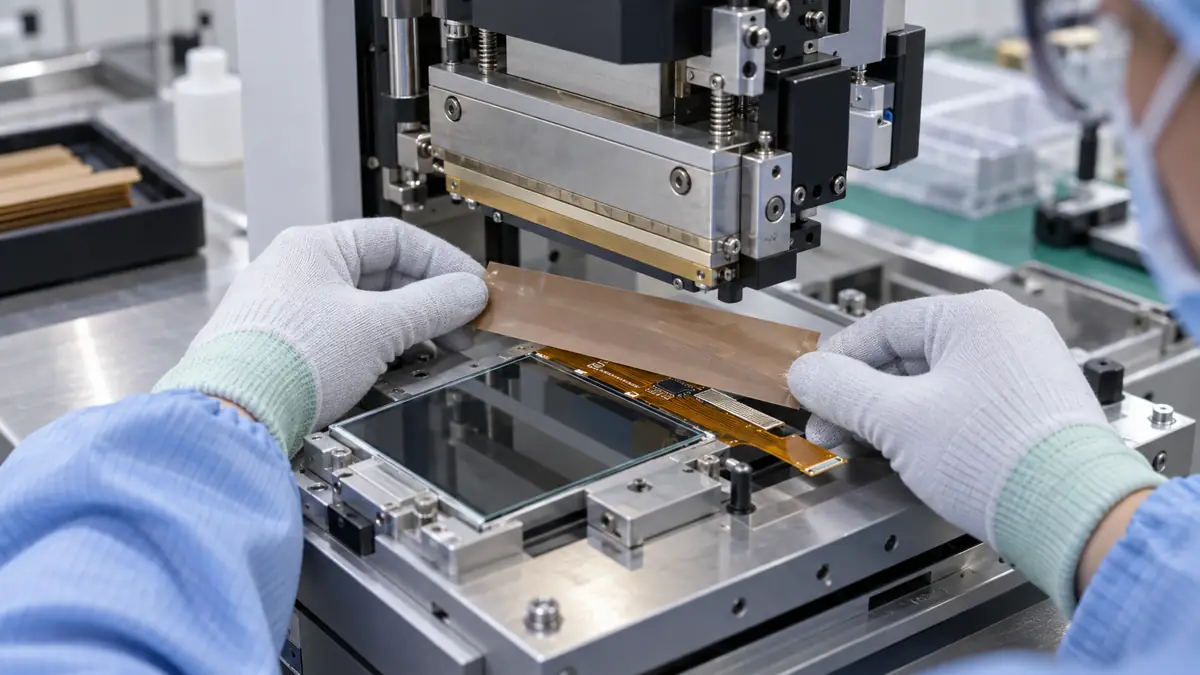
This is the most direct use case for sublimation polyimide tape. The tape is used to hold materials in position during thermal transfer while remaining stable and removing cleanly after the cycle.
For PCB Masking During Thermal Processing
Because polyimide tape offers stable heat resistance and dimensional control, it is also suitable for PCB masking during soldering and related high-temperature operations where general-purpose tapes are not appropriate.
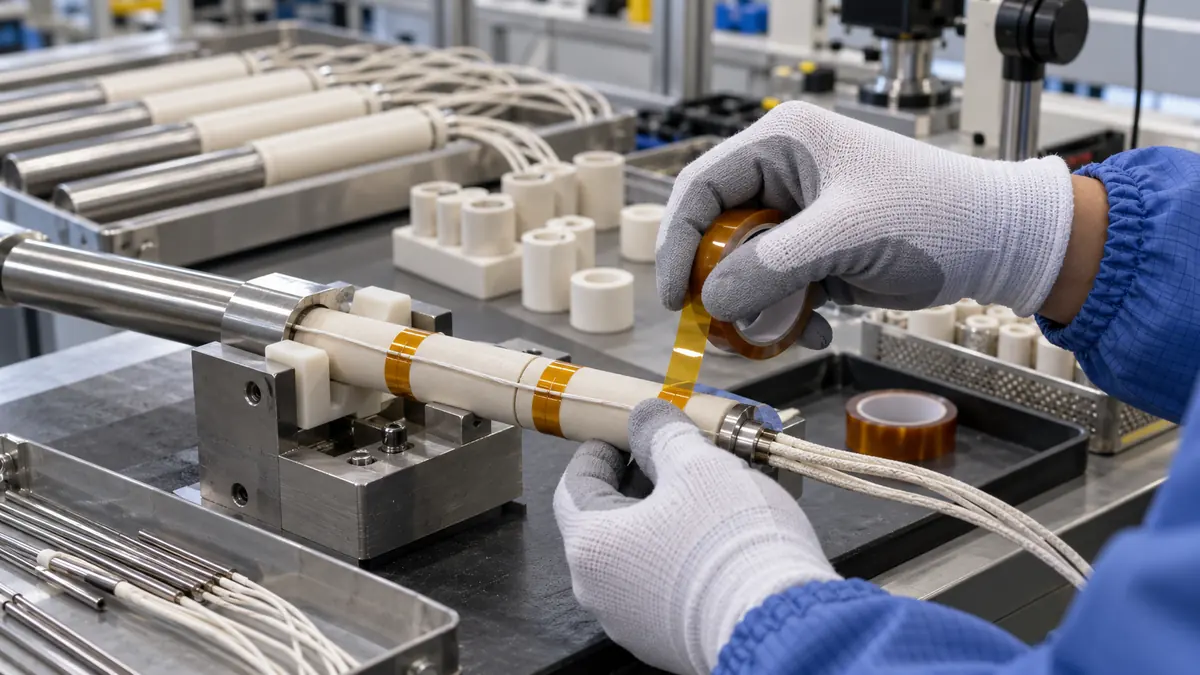
For Flexible Circuit Protection
Flexible circuit processing often benefits from a thin PI tape construction that can conform well while tolerating elevated temperatures. A thin silicone adhesive polyimide tape is a practical choice for this type of protection work.
For Industrial Lamination and Reflow Shielding
In some manufacturing lines, the same tape family is also used for localized shielding, lamination support, or component protection during reflow-type exposure. This makes sourcing from a supplier with broader polyimide tape capability more useful than buying a one-off commodity roll.
Suggested Internal Link Path

FAQ About Sublimation Polyimide Tape
What is sublimation polyimide tape used for?
Sublimation polyimide tape is mainly used for heat transfer positioning and other high-temperature industrial processes that require stable adhesion and clean removal. It is also used for PCB masking, flexible circuit protection, and localized shielding during thermal processing.
Why is silicone adhesive important in sublimation polyimide tape?
Silicone adhesive is important because it maintains stable performance under high heat and is better suited for clean removal after thermal exposure. That combination is especially useful in temporary holding and transfer applications.
Is 0.035 mm sublimation polyimide tape suitable for precision work?
Yes. A 0.035 mm total thickness is a practical option for many precision applications because it helps control edge build-up while still offering enough structure for handling. Final suitability should still be confirmed through sample testing.
Can sublimation polyimide tape be customized?
Yes. Industrial sublimation polyimide tape can often be customized by width, roll length, labeling, packaging, and sometimes material or adhesive adjustment for OEM projects and factory converting programs.
Conclusion
Sublimation polyimide tape is a practical industrial solution when a process needs high heat resistance, stable positioning, and clean removal after thermal exposure. For B2B buyers, the best sourcing decision comes from matching temperature range, silicone adhesive behavior, thickness, and roll format to the real production requirement rather than buying by generic keyword alone.
If your project involves heat transfer, PCB masking, flexible circuit protection, or OEM high-temperature processing, a specification-based approach will help reduce process variation and improve supply consistency.
Looking for a reliable industrial tape manufacturer for your sublimation project? Clothadhesive supports OEM/ODM supply, custom slitting, roll format adjustment, and sample evaluation for high-temperature polyimide tape applications.
+86-13612775969
+86-13612775969
simon@jiaotaotao.com
Send Inquiry Online
Contact our industry engineer today to request samples, confirm the right sublimation polyimide tape specification, or discuss OEM supply requirements.
Reference internal product path: sublimation tape page → polyimide tape category → customized converting support.
Best Heat Resistant Tape for Heat Press: What Buyers Should Choose
Kapton Insulation Tape: Selection Guide for Industrial Buyers
Related Article
Need help choosing the right industrial tape?
Send us your application details, including temperature, surface material, size, quantity and current problem. Our team will help recommend a suitable tape material or custom die-cut solution.

simon@jiaotaotao.com


+86-136 1277 5969

+86-136 1277 5969
