
What Is Polyimide Tape? Types, Properties & PCB Uses
What Is Polyimide Tape? Properties, Types & PCB Soldering Applications
Table of Contents
What Is Polyimide Tape?
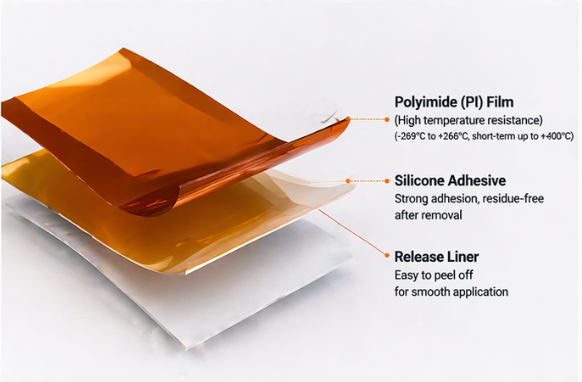
What is polyimide tape? It is a high-temperature adhesive tape constructed with polyimide film as the backing and typically silicone adhesive as the bonding system. It is designed for applications that require thermal stability, electrical insulation, stable adhesion, and clean removal in electronics and industrial heat processes.
In industrial search behavior, polyimide tape is also widely searched as Kapton tape or PI tape. For most PCB and insulation applications, the mainstream construction is single-sided amber polyimide tape with silicone adhesive.

Quick Facts
- Backing material: Polyimide film
- Adhesive system: Silicone pressure-sensitive adhesive
- Temperature resistance: Continuous up to 260°C; short-term peak up to 300°C+
- Dielectric strength: ≥ 6.5 kV/mm (typical)
- Thickness range: 0.025 mm – 0.125 mm on the product page; common single-sided series in broader catalog formats include 0.03 mm to 0.18 mm
- Core uses: PCB masking, reflow masking, motor winding, transformer insulation, lithium battery insulation, high-temperature surface protection
Engineering summary: Polyimide tape is specified when a process needs a thin insulating film that remains dimensionally stable under high heat and removes cleanly after short-cycle thermal exposure. This is why it is commonly preferred over standard PET masking tapes in soldering-related electronics work.
Technical Specifications & Material Science
Polyimide film structure
Polyimide film is widely used in high-temperature electrical applications because it combines thin-film form, good dielectric behavior, thermal stability, and low shrink tendency under process heat. In practical manufacturing terms, that makes it suitable for fine masking, coil insulation, and protective covering around electrically sensitive areas.
Why silicone adhesive is commonly used
Silicone adhesive is the standard choice for single-sided PI tape because it maintains adhesion more reliably at elevated temperature and is well known for cleaner removal after heat exposure than many lower-temperature adhesive systems. In SMT, wave soldering, and reflow-related masking, this balance of heat resistance and removability is one of the main reasons silicone PI tape is specified.
Technical specification table
The table below prioritizes the official product page and supplements thickness context with catalog-supported single-sided PI series information. Where a value depends on process condition or is not explicitly quantified on the page, it is shown as reference information rather than as a fabricated test result.
| Parameter | Value | Notes |
|---|---|---|
| Backing | Polyimide film | Single-sided construction |
| Adhesive type | Silicone pressure-sensitive adhesive | High-temperature masking and insulation use |
| Continuous temperature | Up to 260°C | Official product page value |
| Short-term peak | Up to 300°C+ | Official product page value |
| Dielectric strength | ≥ 6.5 kV/mm (Typical) | Official product page value |
| Electrical insulation | Excellent | Official product page description |
| Chemical resistance | Excellent | Official product page description |
| Thickness range | 0.025 mm – 0.125 mm | Official product page value |
| Common series thicknesses | 0.03 / 0.04 / 0.05 / 0.055 / 0.06 / 0.07 / 0.08 / 0.10 / 0.12 / 0.15 / 0.18 mm | Catalog-supported single-sided series options |
| Color | Amber | Official product page value |
| Width | Customizable | Official product page value |
| Test method reference | ASTM D1000 / IEC 60454 | Standard reference for electrical pressure-sensitive adhesive tapes |
For testing and classification context, ASTM says D1000 covers procedures for pressure-sensitive adhesive-coated tapes used as electrical insulation, including tapes with polyimide film backings, while IEC 60454-1 specifies general requirements for pressure-sensitive adhesive tapes for electrical purposes. :contentReference[oaicite:2]{index=2}
Common Polyimide Tape Types
1. Standard amber single-sided polyimide tape
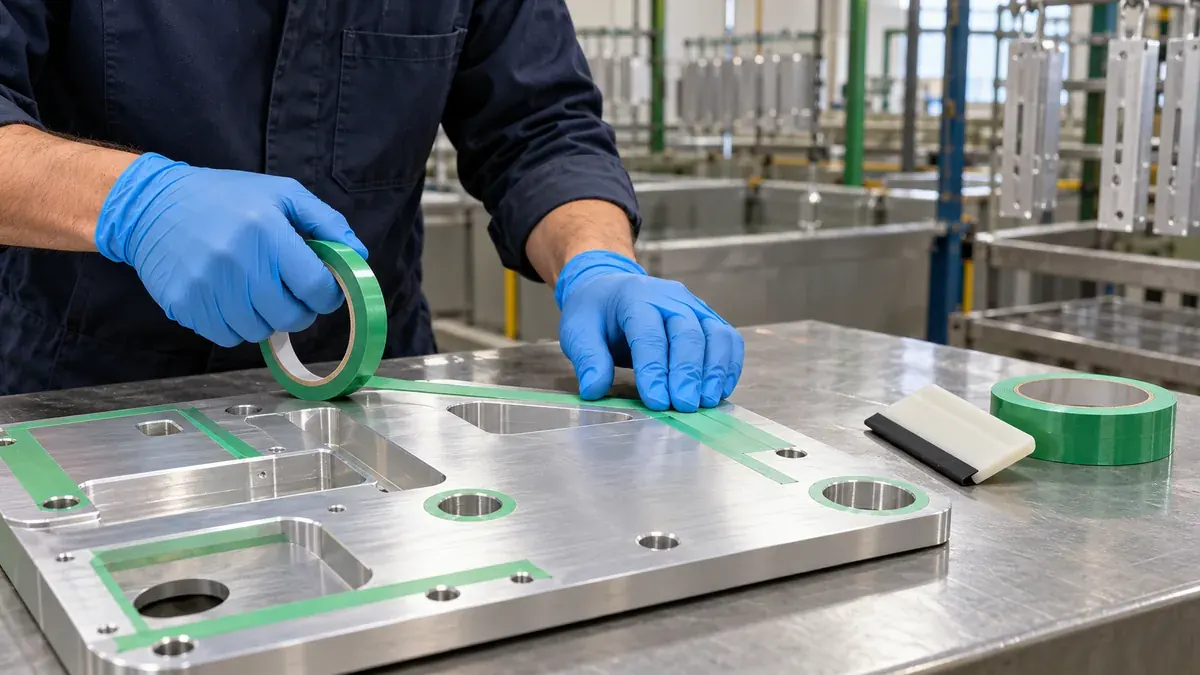
This is the mainstream industrial format for PCB masking, reflow masking, electrical insulation, transformer wrapping, and general high-temperature protection. It is the most relevant version for buyers searching “polyimide tape manufacturer” or “amber polyimide tape silicone adhesive.”
2. Black polyimide tape
Black PI tape is selected when optical shielding, appearance control, or dark-surface assembly requirements matter. It is commonly used in electronics assemblies where visual contrast or light-blocking properties are required.
3. Acrylic adhesive polyimide tape
Acrylic-adhesive PI tape is an alternative construction where the adhesive profile differs from silicone-based products. However, for high-temperature PCB masking, silicone PI tape is typically the more common specification.
4. Double-sided polyimide tape
Double-sided PI tape is generally used for thin heat-resistant bonding rather than simple masking. It is chosen when the design needs bonding plus thermal resistance in a thinner insulating structure.

Industrial Applications
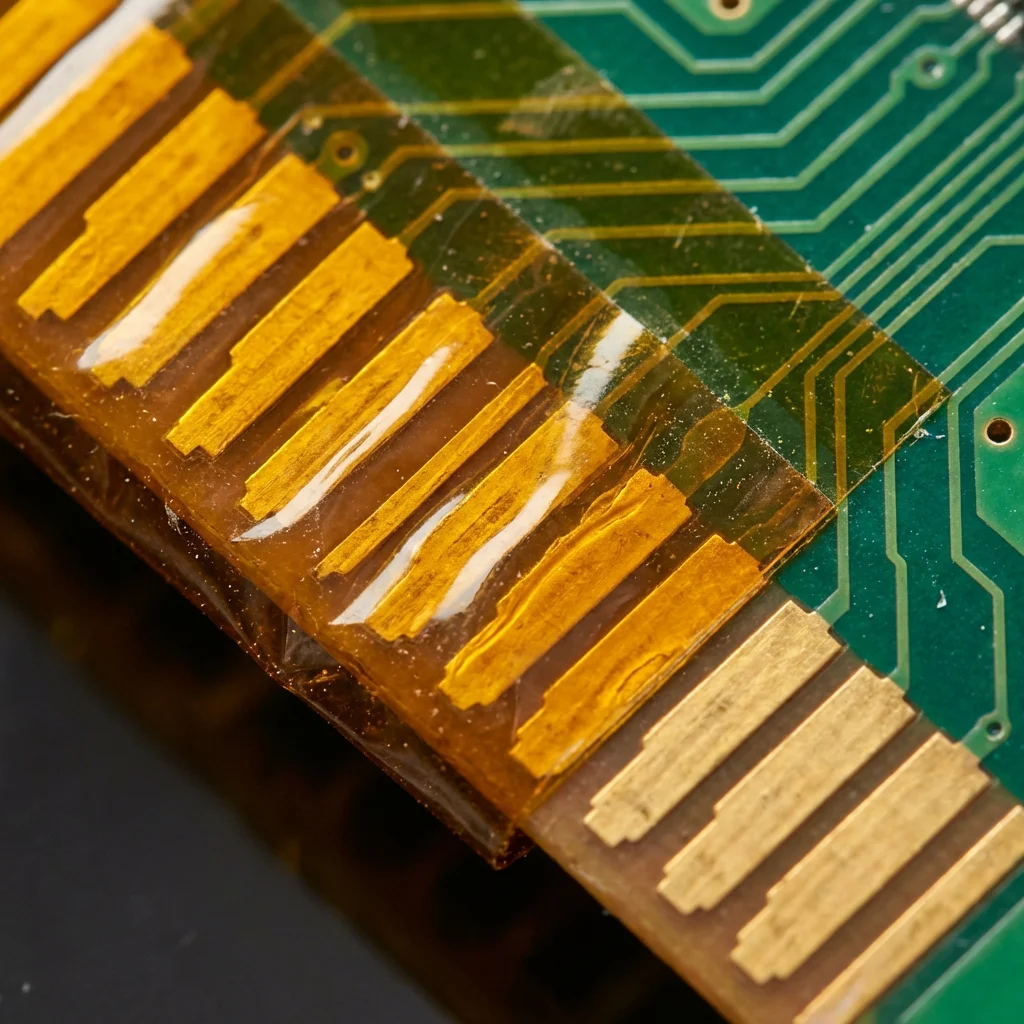
PCB wave soldering masking tape
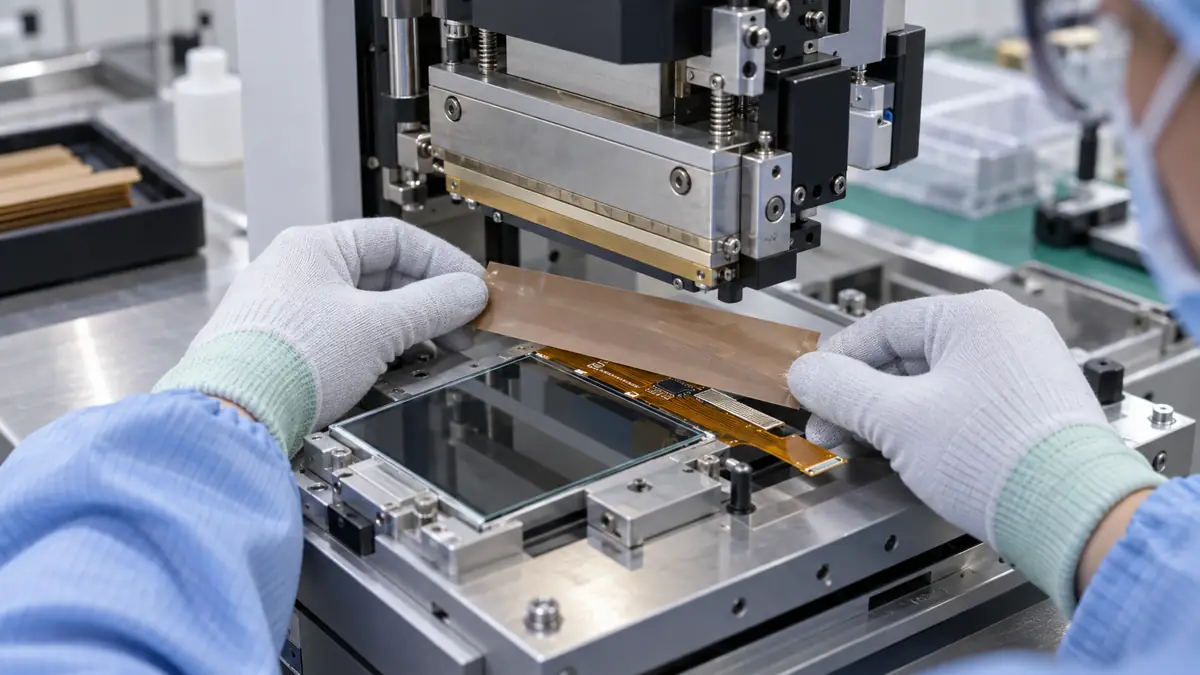
In wave soldering, PI tape is used to shield selected PCB zones from molten solder contact and flux exposure. The tape must maintain edge accuracy, resist heat-induced distortion, and remove cleanly after the process. This is one of the most common application intents on the official product page and in your product catalog.
Reflow oven masking tape
During reflow or localized rework, polyimide tape provides temporary high-temperature coverage for pads, connectors, and adjacent components. The backing must remain dimensionally stable during thermal cycling, and the adhesive must release without leaving problematic residue.
Transformer insulation tape
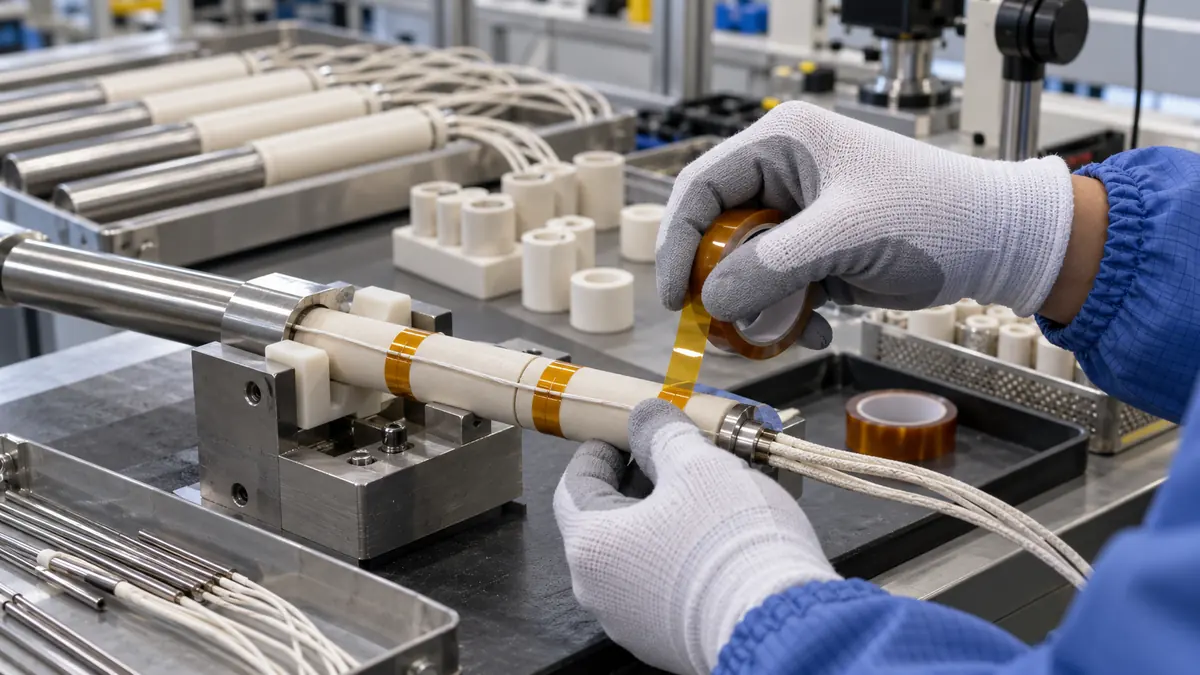
Polyimide tape is widely used for motor winding and transformer insulation because it combines thin construction with strong electrical insulation and heat resistance. In compact winding spaces, thin grades such as 0.05 mm are especially relevant because they help control insulation build without excessive bulk.
Lithium battery insulation tape
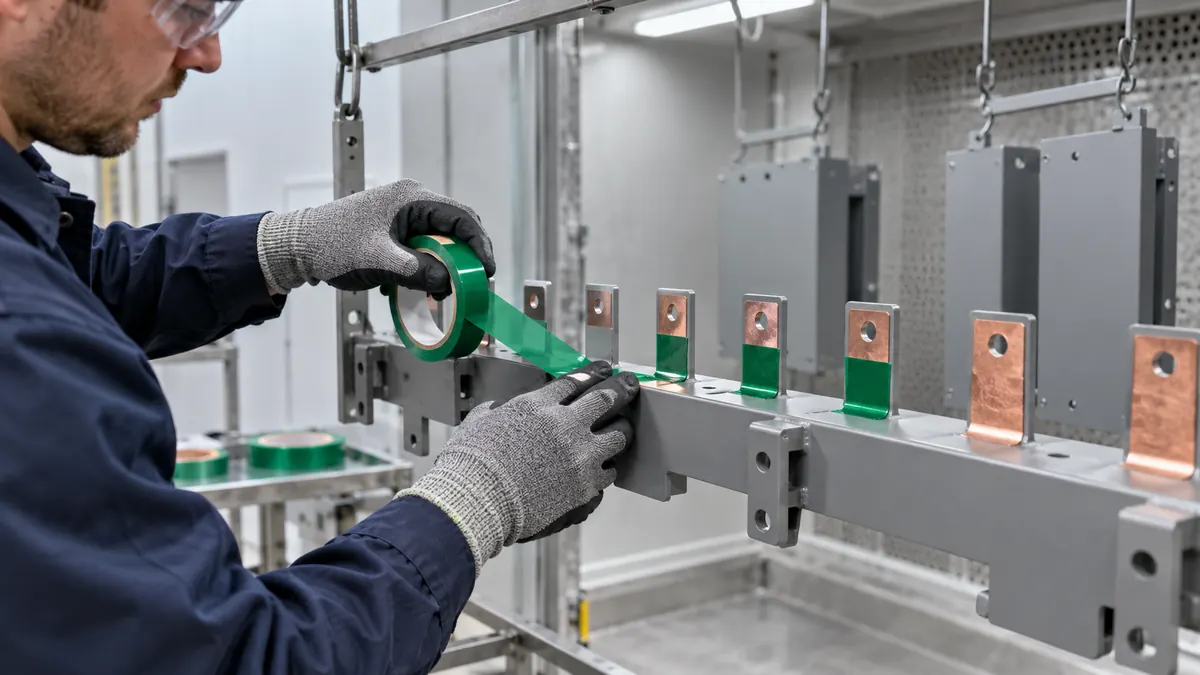
In battery insulation zones, PI tape is selected where electrical isolation, thin profile, and thermal stability are all required. Around tabs, insulation barriers, and assembly protection areas, it performs better than many lower-temperature masking alternatives when process heat is involved.
3D printer bed tape
PI tape is also used on heated print beds because it tolerates repeated heating cycles and maintains a stable covering surface. The exact suitability depends on bed temperature, substrate, and maintenance requirements, but it remains a recognized use case in industrial and maker search behavior.
Why PI tape is preferred in electronics: It delivers a rare combination of thin-film precision, high electrical insulation, heat resistance, and process-friendly removal. That combination is what keeps “Kapton tape” highly visible in PCB and electrical sourcing searches.
Polyimide Tape vs PET vs PTFE
One of the most valuable long-tail opportunities here is “Kapton tape alternative.” The answer depends on the actual process requirement rather than on temperature alone.
| Property | Polyimide Tape | PET High Temp Tape | PTFE Tape |
|---|---|---|---|
| Typical temperature class | -73°C to 260°C continuous; short-term peak up to 300°C+ | Typically 150°C continuous; short-term around 220–260°C depending on model | Typically around -60°C to +260°C depending on construction |
| Best use case | PCB masking, reflow, electrical insulation, transformer and battery insulation | Powder coating, painting, plating, general high-temperature masking | Heat sealing, non-stick release, sliding surfaces, high-temp isolation |
| Electrical insulation emphasis | Excellent | Good | Good, but usually chosen for surface behavior |
| Kapton tape alternative? | Reference class | Only for lower-heat masking where PCB solder precision is not the main requirement | Only when the priority is non-stick or release performance rather than fine masking and thin insulation |
Selection guidance: If the process is PCB wave soldering, reflow masking, transformer insulation, or lithium battery insulation, polyimide tape remains the safer default choice. PET can be a practical lower-cost alternative for less severe masking processes, while PTFE should be chosen when the priority is non-stick release or heat-sealing performance. :contentReference[oaicite:3]{index=3} :contentReference[oaicite:4]{index=4}
Engineering Selection Note
Polyimide tape is not automatically the best tape for every high-temperature job. It is optimized for thin masking and insulation in electronics and electrical assemblies. It is less suitable when the application needs structural bonding, heavy cushioning, rough-surface conformability, or a release-oriented non-stick face. In those cases, a double-sided bonding tape, cloth construction, PET masking tape, or PTFE tape may be more appropriate.
For final specification, engineers should check the real process profile: peak temperature, dwell time, substrate type, removal timing, thickness build, and electrical insulation target. A popular buying inquiry such as polyimide tape 0.05mm is reasonable because 0.05 mm often balances masking precision, wrap control, and insulation utility, but the optimal thickness still depends on the end-use design.
Customization & Supply Capabilities
For industrial buyers, the value is not only in the base tape construction but also in converting capability. A practical manufacturer program should support:
- Custom slitting for narrow electronic assembly widths
- Die-cutting for masking shapes, insulation pads, and precision component protection
- Rewinding for custom roll lengths and production efficiency
- Color and construction options including amber, black, acrylic, and double-sided families
- MOQ flexibility for trial orders and qualification runs
- Free sample support for soldering or insulation testing
- Project-based lead time coordination for export and converting orders
FAQ
1. Is polyimide tape the same as Kapton tape?
Kapton is a common brand-associated search term for polyimide film tape, but many buyers use it generically in sourcing. The correct technical category is polyimide tape or PI tape. Buyers should verify film type, adhesive system, thickness, and heat rating instead of relying only on the branded search phrase.
2. What temperature can single-sided polyimide tape handle?
On the official product page, single-sided silicone polyimide tape is specified for continuous use up to 260°C with short-term peak exposure up to 300°C+. Real usable temperature still depends on dwell time, substrate, and process design, so critical projects should confirm the latest TDS and application test conditions.
3. Does polyimide tape leave residue after soldering or reflow masking?
Silicone polyimide tape is commonly selected because it is designed for clean removal after high-temperature exposure. However, residue behavior can still change if the surface is contaminated, the tape is overheated, or removal is delayed excessively. Production users should validate removal under the real process cycle before approval.
4. Why is polyimide tape preferred over PET tape for PCB solder masking?
Polyimide tape generally offers a higher temperature class and better dimensional stability in soldering-related processes. PET high-temperature tape is useful for many masking jobs, but PI tape is more commonly chosen when wave soldering, reflow masking, and electrical insulation require more thermal margin and tighter masking control.
5. Can 0.05 mm polyimide tape be used for transformer insulation?
Yes. A 0.05 mm construction is a common industrial choice because it provides a useful balance between thin profile, wrap control, and insulation function. Final selection should still depend on winding design, insulation build target, bend radius, and the electrical specification used in the finished transformer or coil system.
6. Is polyimide tape suitable for lithium battery insulation?
Yes, polyimide tape is widely used in battery-related insulation areas where heat resistance, electrical insulation, and thin construction matter. The correct grade should be selected according to tab design, cell spacing, processing heat, and any additional insulation or flame-related requirements defined by the battery assembly project.
7. What should buyers confirm before ordering polyimide tape from a manufacturer?
Buyers should confirm thickness, width, roll length, adhesive type, color, operating temperature, removal condition, insulation expectation, and whether converting support such as slitting or die-cutting is required. For qualification projects, it is also advisable to request samples, the latest TDS, and application-specific recommendations before volume release.
Conclusion & B2B CTA
Polyimide tape remains one of the most effective thin-film materials for high-temperature masking and electrical insulation because it combines polyimide film stability, silicone adhesive heat resistance, and process-friendly removal. For PCB solder masking, transformer wrapping, battery insulation, and similar applications, it is usually the correct class when PET alternatives do not provide enough thermal margin.
Request a TDS | Request a sample roll | Confirm width / length / core size | Ask for die-cutting or slitting quotation
Manufacturer: JIAO TAO TAO TAPE
WhatsApp: https://wa.me/+8613612775969
WeChat: +86-136 1277 5969
Email: simon@jiaotaotao.com
Product Link: https://www.clothadhesive.com/standard-single-sided-polyimide-tapes.html
Official Website: https://www.clothadhesive.com/
Polyester PET Tape: Heat Resistant, Clean Removal, No Residue
Clear Polyimide Tape Parameter Guide
Related Article
Need help choosing the right industrial tape?
Send us your application details, including temperature, surface material, size, quantity and current problem. Our team will help recommend a suitable tape material or custom die-cut solution.

simon@jiaotaotao.com


+86-136 1277 5969

+86-136 1277 5969
