
Polyimide Film Tape: A Practical Guide for Industrial Buyers
Polyimide Film Tape: A Practical Guide for Industrial Buyers
Polyimide film tape is widely used when manufacturers need stable electrical insulation, reliable heat resistance, and precise masking performance under demanding thermal conditions. In industrial purchasing, this material is often chosen for PCB masking, motor winding, transformer insulation, flame-resistant electrical assemblies, and die-cut insulation parts.
For buyers looking for a practical polyimide film tape solution, the key is not simply finding an amber PI tape. It is comparing backing structure, adhesive type, thickness, temperature range, converting format, and long-term supply stability before final approval.
This guide explains what polyimide film tape is, where it is most useful, which technical factors matter most, and how sourcing teams can choose the right specification for real production environments.

Contents
What Is Polyimide Film Tape?
Polyimide film tape is a high-performance adhesive tape made with polyimide film and a heat-resistant adhesive system. In industrial language, it may also be called PI tape or polyimide insulation tape. Its value comes from combining thermal stability, dielectric insulation, chemical resistance, and dimensional control in one material.
Basic Material Structure
A typical polyimide film tape uses a polyimide backing and either silicone or acrylic adhesive, depending on the application target. In the reference product used for this article, the construction includes polyimide film backing and silicone high-temperature adhesive, which is a common combination for high-temperature insulation and masking work.
Reference Specification Range
The product page for the referenced item lists 0.05 mm, 0.06 mm, 0.08 mm, and 0.1 mm thickness options, roll widths of 10 mm, 20 mm, 25 mm, 50 mm, and custom sizes, and die-cut dot sizes of 6 mm, 8 mm, 10 mm, and 12 mm. The tape is rated from -50°C to 260°C and supplied in 33 m, 66 m, or custom lengths.
Why It Matters to Industrial Buyers
Polyimide film tape is usually not purchased as a generic commodity. It is selected because the process needs a specific balance of heat resistance, insulation reliability, and converting flexibility. That is why buyers should evaluate the material as part of the entire production requirement, not just by temperature claim alone.
| Item | Reference Value | Why It Matters |
|---|---|---|
| Product Type | Polyimide Kapton Tape (Rolls) & Kapton Dots | Supports both continuous rolls and local die-cut use. |
| Backing | Polyimide film | Delivers heat resistance and electrical insulation. |
| Adhesive | Silicone high-temperature adhesive | Improves heat performance and clean process handling. |
| Thickness | 0.05 / 0.06 / 0.08 / 0.1 mm | Affects fit, flexibility, and insulation spacing. |
| Temperature | -50°C to 260°C | Defines thermal operating window. |
| Length | 33 m / 66 m / custom | Supports different procurement and line consumption needs. |
Why Polyimide Film Tape Is Widely Used
Polyimide film tape is used across electronics, insulation, and high-temperature industrial processing because it solves several manufacturing problems at the same time.
Excellent Heat Resistance
One of the main reasons buyers select polyimide film tape is its ability to maintain stable performance under elevated temperatures. This makes it suitable for soldering-related masking, transformer and motor insulation, and repeated heating cycles in electronics production.
Reliable Electrical Insulation
Polyimide film tape is commonly used where dielectric protection is required. It is relevant for electrical insulation, circuit protection, and flame-resistant electrical assemblies, especially when standard low-temperature tapes cannot provide enough thermal margin.
Good Dimensional Stability
In precision processes, dimensional control is essential. A tape that shrinks, wrinkles, or shifts during heating can create yield loss. Polyimide film tape is often preferred because it can stay more stable in demanding thermal environments.
Flexible Converting Options
Many projects need more than standard roll supply. Custom widths, custom lengths, and die-cut dots make the material easier to use in automated assembly, local protection, and OEM converting programs. This is one reason why buyers often prefer manufacturer-direct supply over generic stock tape.
Practical view: Buyers often choose polyimide film tape not because it is simply “high temperature,” but because it combines heat resistance, insulation, and converting flexibility in one material platform.

How to Choose the Right Polyimide Film Tape
1. Confirm the Real Temperature Requirement
The first step is to confirm actual operating and process temperatures. If the tape will be exposed to high or repeated thermal cycles, the selected grade must match those conditions with enough process margin.
2. Match Adhesive Type to End Use
Polyimide film tape may use silicone or acrylic adhesive. Silicone adhesive is widely used where higher heat resistance and stable masking or insulation performance are needed. Acrylic options may be more suitable in other industrial bonding and insulation scenarios. The correct choice depends on the real application, not only the keyword.
3. Choose Thickness Based on Geometry and Insulation Need
Thinner tape may improve conformability and precision fit, while thicker tape may offer more robust insulation spacing and handling strength. That is why thickness selection should always be linked to the physical assembly design.
4. Decide Whether Roll or Die-Cut Format Is Better
Some factories only need standard rolls. Others need kapton dots, sheets, or die-cut insulation parts for efficient assembly. It is better to discuss converting needs before final approval instead of solving that issue later with manual cutting.
5. Evaluate Supplier Stability
Material quality is only part of the purchasing decision. The supplier should also be able to maintain coating stability, slit accuracy, consistent thickness, and long-term OEM support if the project moves into mass production.
| Selection Factor | What to Review | Why It Affects Results |
|---|---|---|
| Temperature Range | Peak temperature and cycle time | Prevents tape failure under heat. |
| Adhesive System | Silicone or acrylic | Affects bonding behavior and application fit. |
| Thickness | 0.05 / 0.06 / 0.08 / 0.1 mm | Changes conformability and insulation design. |
| Format | Rolls, dots, sheets, die-cut parts | Improves assembly efficiency and consistency. |
| Supply Capability | OEM/ODM, custom sizes, inspection control | Supports stable procurement over time. |
For teams comparing options, the most direct starting point is the polyimide tape category page, then moving to the specific polyimide film tape product page to review the exact construction and size range.
Common Industrial Applications of Polyimide Film Tape
Electrical Insulation
Polyimide film tape is used for high-temperature electrical insulation where the assembly needs stable dielectric protection during operation or thermal processing.
PCB Masking and Protection
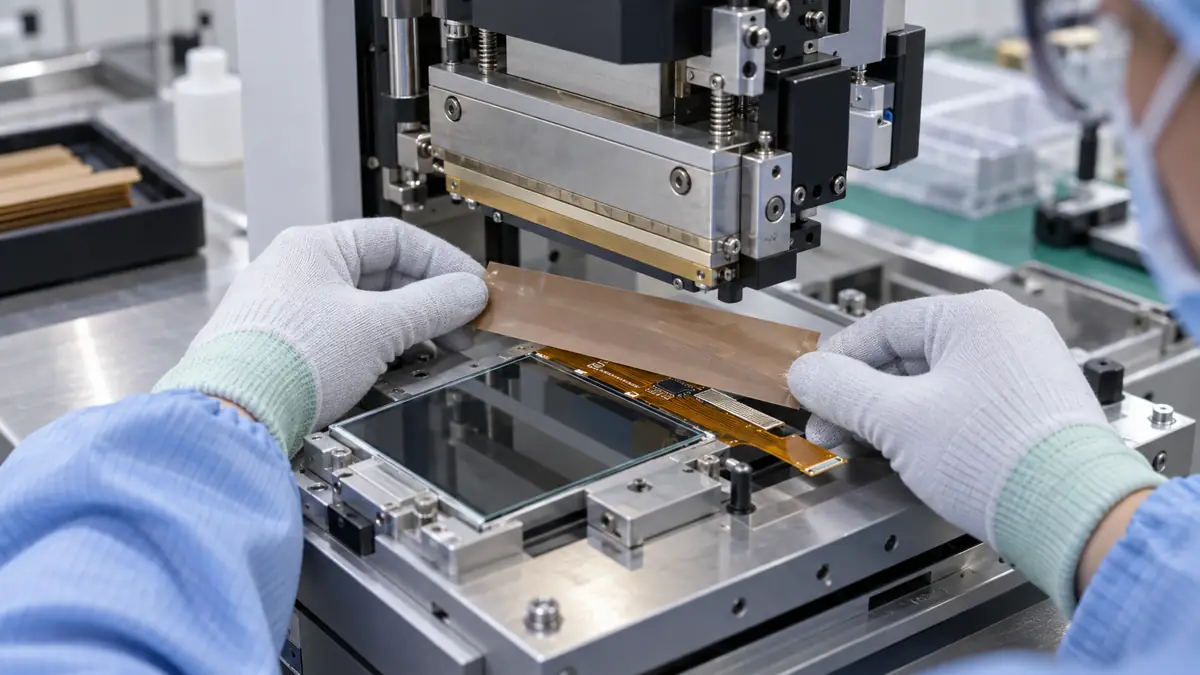
PCB processing often needs a tape that can tolerate high temperatures without losing position or surface stability. Polyimide film tape is widely used for masking and protection in these environments.
Motor and Transformer Insulation
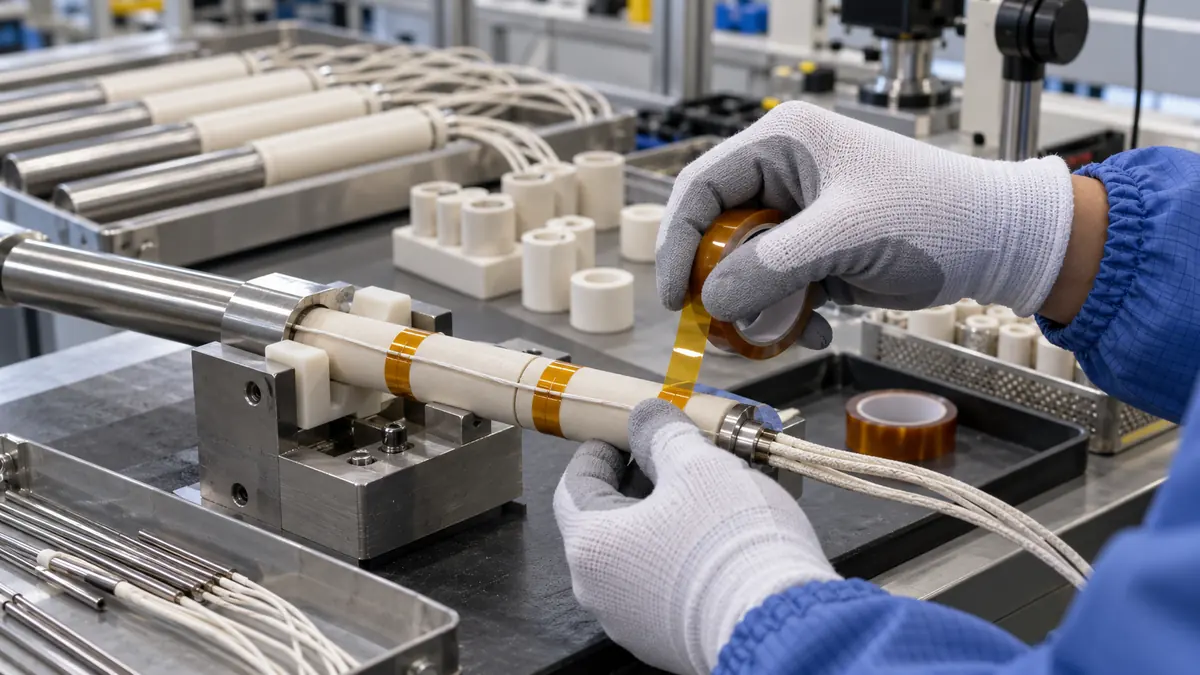
Motor winding and transformer insulation require a tape that combines electrical insulation with reliable heat resistance. This is one of the classic industrial use cases for PI film tape.
Die-Cut Insulation Parts
Because the material is available in dots and custom die-cut formats, it can also be used for localized insulation points, shielding zones, and precision industrial assemblies where roll format alone is not the most efficient solution.
Automated and Continuous Processing
The product page also positions the material for continuous processing and automated assembly. For B2B buyers, this matters because it shows the tape is not limited to lab or maintenance use, but is relevant for repeatable industrial operations.

Common Sourcing Mistakes Buyers Should Avoid
Buying Only by Generic Keyword
Not every product sold as polyimide film tape has the same adhesive system, thickness range, or converting capability. Buyers should compare actual specification details rather than relying on the keyword alone.
Ignoring Format Requirements
A technically correct tape can still slow the line if it is supplied in the wrong width, roll length, or format. Roll, dot, or die-cut requirements should be discussed early.
Overlooking Supplier Process Control
Stable thickness, adhesion, and slitting quality matter in real industrial use. This is especially important when the tape is part of a long-term OEM or recurring production program.
Approving Without Real Process Validation
Even when a tape looks correct on paper, it should still be tested under real thermal and handling conditions before final approval. Production fit is the real standard, not just data-sheet fit.
FAQ About Polyimide Film Tape
What is polyimide film tape used for?
Polyimide film tape is commonly used for electrical insulation, PCB masking, electronics assembly, motor winding, transformer insulation, and other high-temperature industrial applications where stable heat resistance and dielectric performance are required.
Is polyimide film tape the same as PI tape?
Yes. In industrial usage, polyimide film tape is often called PI tape or polyimide tape. The terms are commonly used to describe high-temperature tape made from polyimide film with heat-resistant adhesive.
How do I choose the right thickness of polyimide film tape?
The right thickness depends on your insulation requirement, assembly geometry, flexibility target, and handling method. Thinner tapes may fit better in compact structures, while thicker tapes may offer stronger separation and easier handling.
Can polyimide film tape be customized?
Yes. Polyimide film tape can often be customized by width, length, thickness, and die-cut format for industrial converting and OEM projects.
Conclusion
Polyimide film tape is a practical industrial material for buyers who need stable electrical insulation, high-temperature performance, and flexible converting options. The best sourcing decision comes from matching temperature range, adhesive type, thickness, and supply format to the real production requirement rather than buying by keyword alone.
If you are evaluating a product for PCB masking, transformer insulation, motor winding, or die-cut insulation use, you can review the target product here: Polyimide Film Tape 5413 MS-75120 High Temperature Insulation Tape.
Looking for a reliable industrial adhesive tape manufacturer for your project? Clothadhesive supports OEM/ODM supply, custom width slitting, die-cut processing, and sample evaluation for polyimide film tape and related high-temperature insulation applications.
+86-13612775969
+86-13612775969
simon@jiaotaotao.com
Send Inquiry Online
Contact our industry engineer today to request samples, confirm the right polyimide film tape specification, or discuss a custom converting solution.
Kapton Tape vs Electrical Tape: Which One Should You Use?
Best Heat Resistant Tape for Heat Press: What Buyers Should Choose
Related Article
Need help choosing the right industrial tape?
Send us your application details, including temperature, surface material, size, quantity and current problem. Our team will help recommend a suitable tape material or custom die-cut solution.

simon@jiaotaotao.com


+86-136 1277 5969

+86-136 1277 5969
