
PET High Temperature Tape: 180-200℃ Electrical Insulation Technical Guide
PET High Temperature Tape: 180-200℃ Electrical Insulation Technical Guide
What is PET high-temperature tape? It is an industrial-grade masking and electrical insulation tape constructed with a polyethylene terephthalate (PET) film backing and coated with a pressure-sensitive silicone adhesive. Engineered for extreme thermal stability, it withstands continuous temperatures up to 180°C and short-term exposure up to 200°C without leaving adhesive residue.
1. Quick Technical Facts
- Material Type: Polyethylene Terephthalate (PET) Film
- Adhesive System: Pressure-Sensitive Silicone Adhesive
- Temperature Resistance: 180°C (Continuous) / 200°C (Peak)
- Dielectric Strength: >5,000 Volts (Class H electrical insulation)
- Core Industrial Uses: Powder coating masking, PCB wave soldering, transformer coil insulation, anodizing.
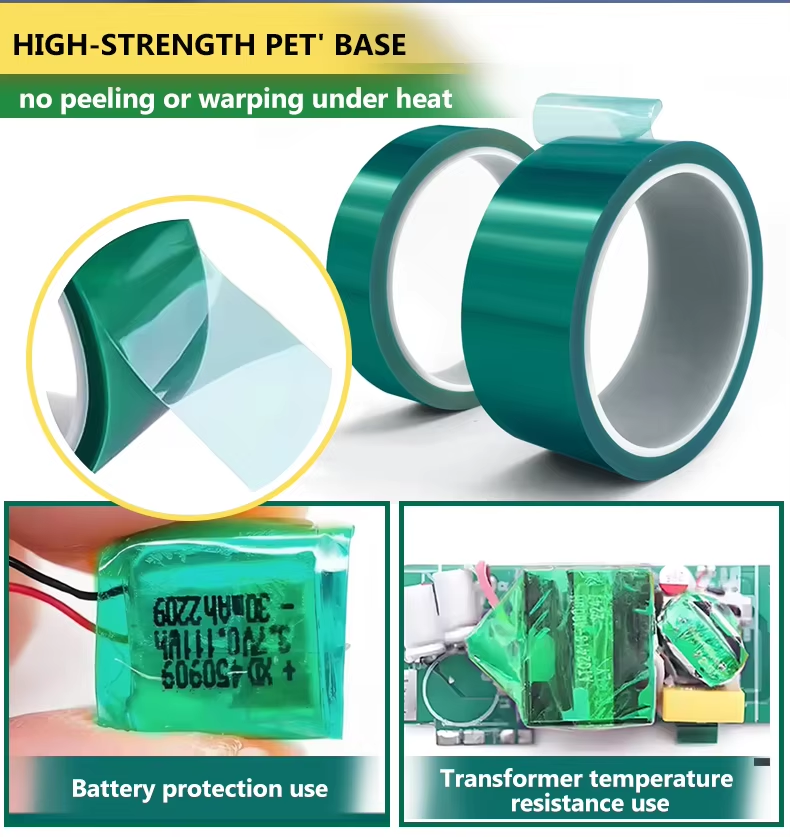
2. Material Structure & Working Principle
The performance of PET high-temperature tape relies on a bi-layer engineering approach. The backing consists of a robust polyester (PET) film, which provides excellent tensile strength, puncture resistance, and dielectric properties. This substrate ensures the tape does not shrink or break under mechanical stress during industrial processes.
The critical component is the thermosetting silicone adhesive. Unlike standard acrylic or rubber adhesives that carbonize or melt above 150°C, cross-linked silicone maintains its viscoelasticity up to 200°C. This chemical structure guarantees that the tape can be peeled off cleanly after high-temperature baking cycles without leaving silicone transfer or ghosting on metal, glass, or PCB substrates.
3. Technical Specifications
The following data represents the standard industrial parameters for electrical-grade PET silicone tape. Testing methods align with ASTM International standards.
| Parameter | Standard Value | Test Method |
|---|---|---|
| Total Thickness | 0.06mm - 0.08mm (Customizable) | ASTM D3652 |
| Adhesive Type | Silicone Pressure Sensitive | - |
| Adhesion to Steel | 6.0 - 8.0 N/25mm | ASTM D3330 |
| Tensile Strength | ≥ 115 N/25mm | ASTM D3759 |
| Elongation at Break | ≥ 50% | ASTM D3759 |
| Dielectric Strength | 5,000 V (5kV) | ASTM D149 / UL 510 |
| Temperature Resistance | 180°C (356°F) continuous | Thermal chamber test |
4. Core Industrial Applications
Due to its precise chemical formulation, this tape is widely specified in surface treatment and electronics manufacturing.
1. Powder Coating Masking
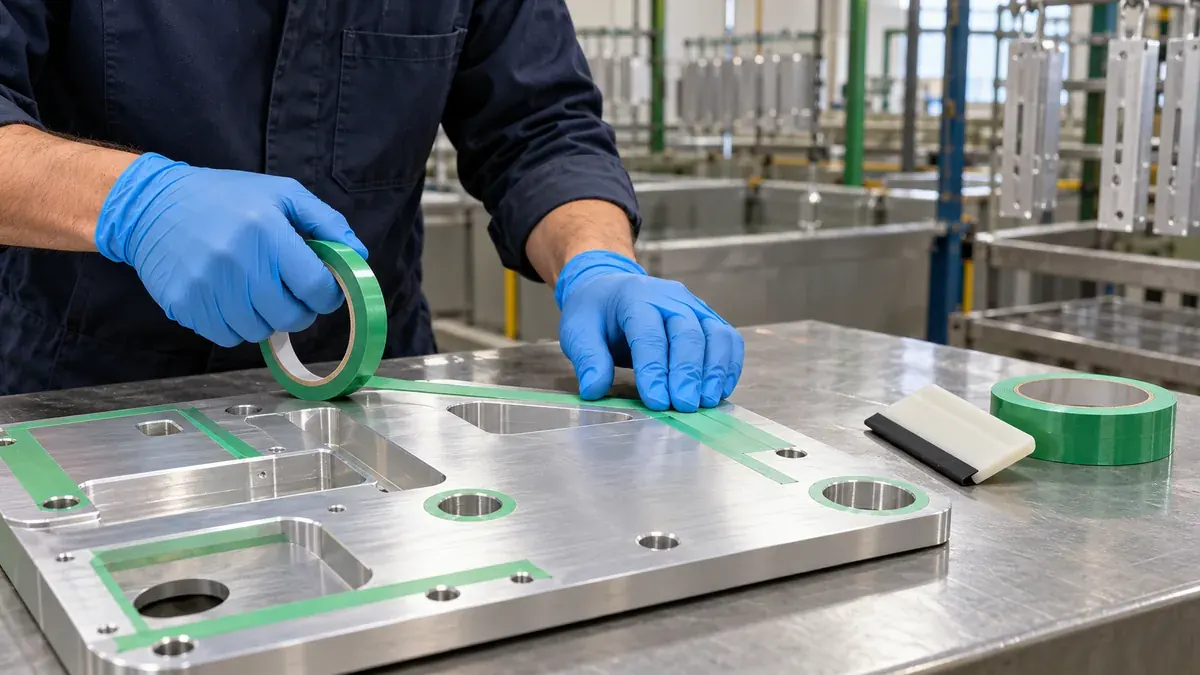
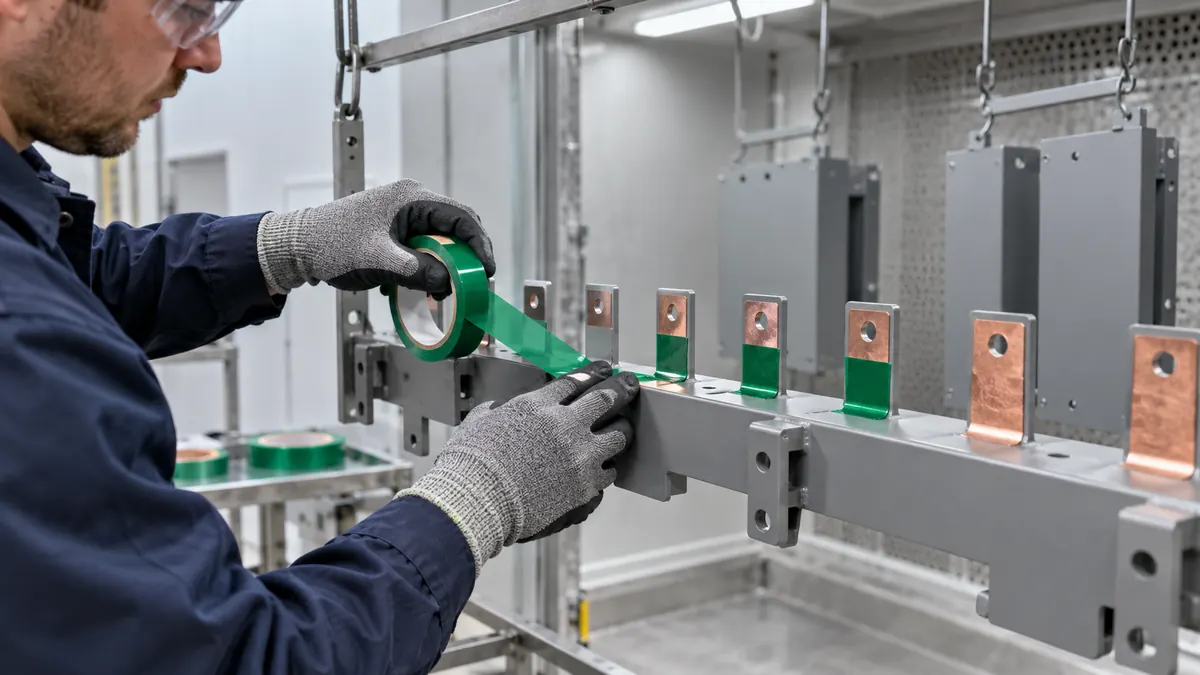
During electrostatic powder coating, metal parts are baked at 180°C to 200°C for curing. The PET tape shields specific areas (like threads or grounding points) from the paint. Its silicone adhesive ensures clean removal without scraping post-bake.
2. PCB Wave Soldering (Gold Finger Masking)
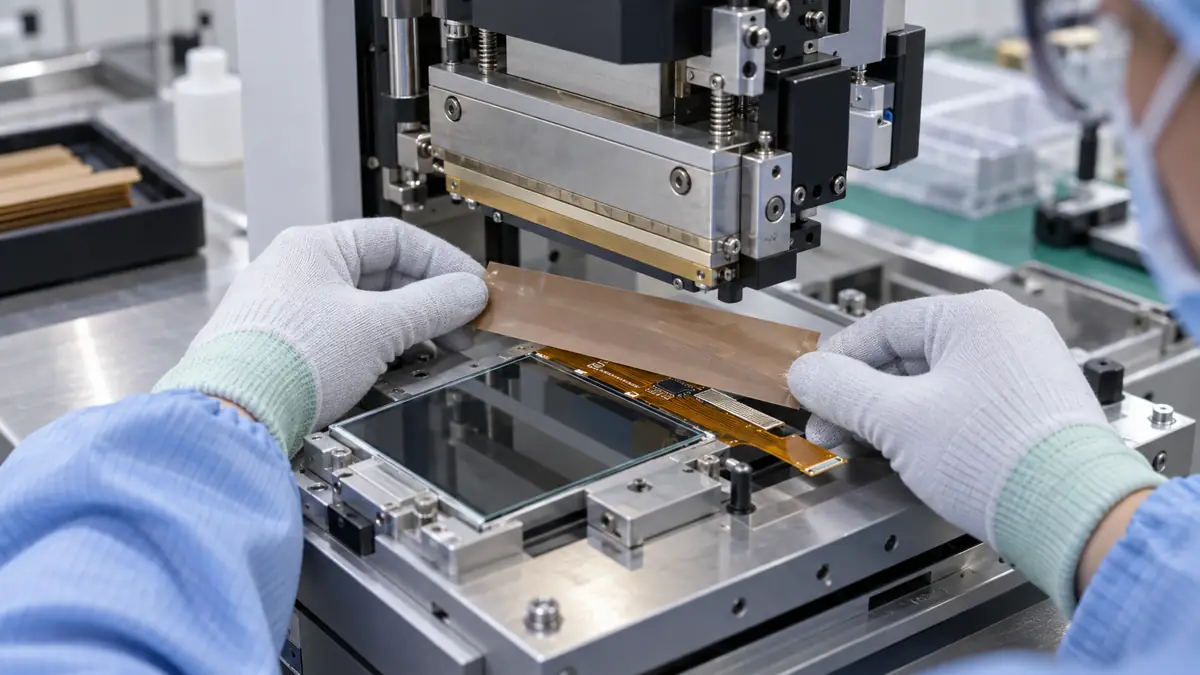
In printed circuit board (PCB) manufacturing, the tape protects gold contacts during the wave soldering process. It prevents molten solder from adhering to the contacts and resists the harsh flux chemicals.
3. Transformer & Motor Coil Insulation
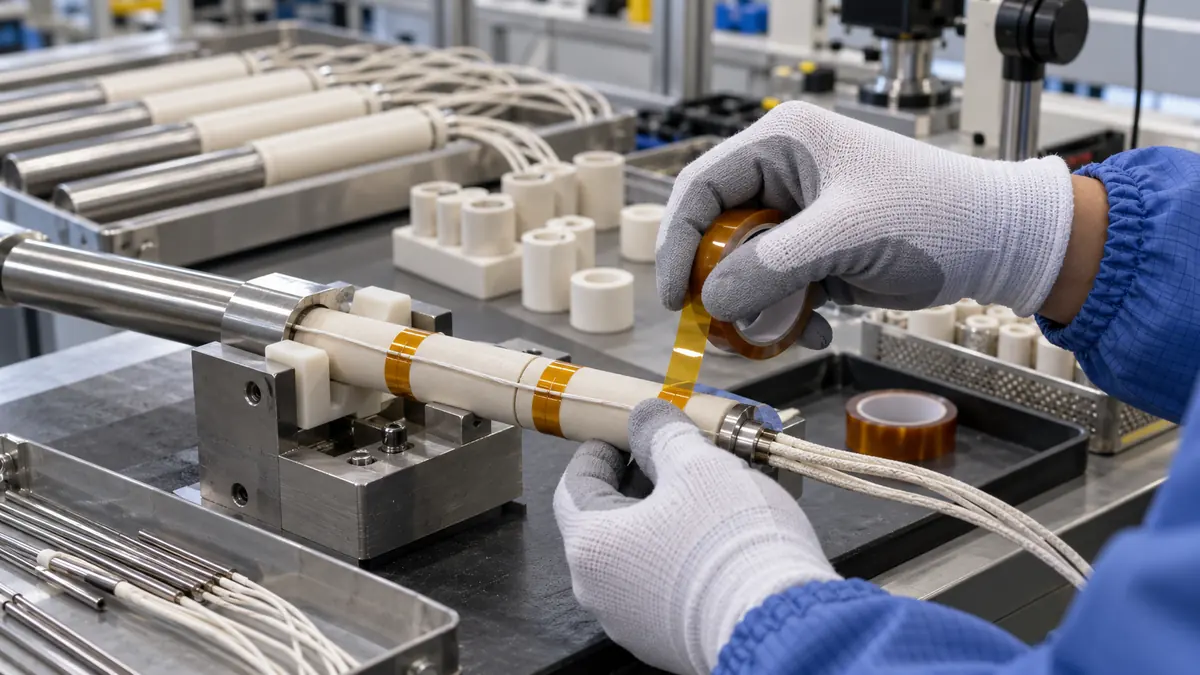
Class H and Class F electrical motors utilize this tape for phase insulation and coil wrapping. The >5kV dielectric strength prevents electrical breakdown, while the PET film provides abrasion resistance during wire winding.
4. Anodizing & E-coating
The tape exhibits high resistance to the acidic and alkaline baths used in aluminum anodizing. It forms a watertight seal, preventing chemical seepage that could ruin the un-anodized sections of the workpiece.
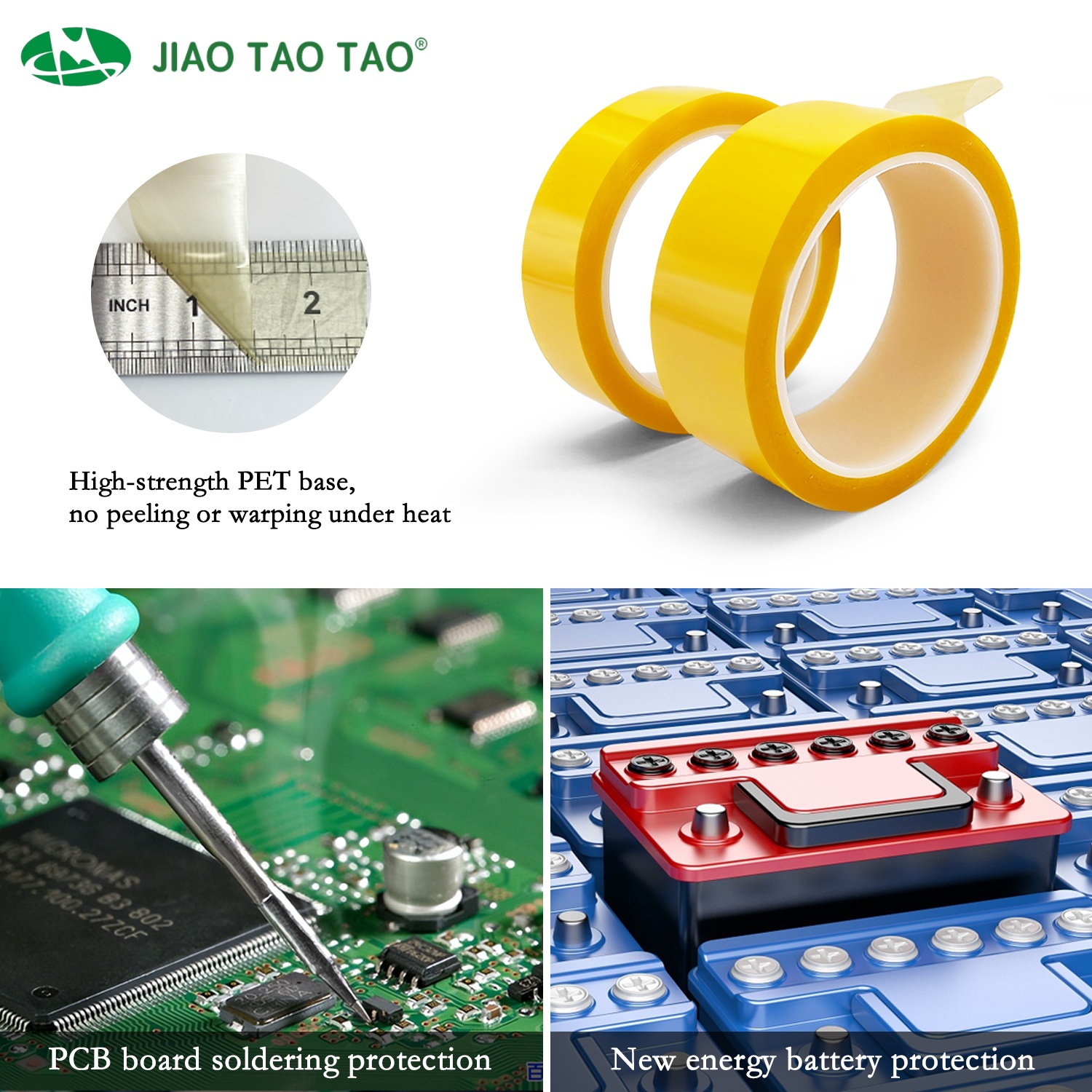
5. Material Comparison: PET vs. Polyimide (Kapton) Tape
Procurement engineers often weigh PET silicone tape against Polyimide (PI) tape. Here is the technical distinction:
- Thermal Limit: PET tape peaks at 200°C, making it ideal for standard powder coating. Polyimide tape withstands up to 260°C, required for extreme PCB reflow soldering.
- Cost Efficiency: PET film is significantly more cost-effective than Polyimide. For any application below 200°C, PET is the optimal engineering choice to reduce manufacturing overhead.
- Dielectric Isolation: Both offer excellent electrical insulation, but PET provides slightly better dimensional flexibility for wrapping irregularly shaped components.
6. Customization & Supply Capabilities by JIAOTAOTAO
As a direct manufacturer rather than a trading company, JIAOTAOTAO (Guangdong) New Material Co., Ltd. (Brand: JTT-Tape) provides comprehensive B2B supply chain solutions.
- Factory Scale: Established in 2009, operating a 6,000㎡ facility in Dongguan, China, equipped with 8 automated precision coating lines.
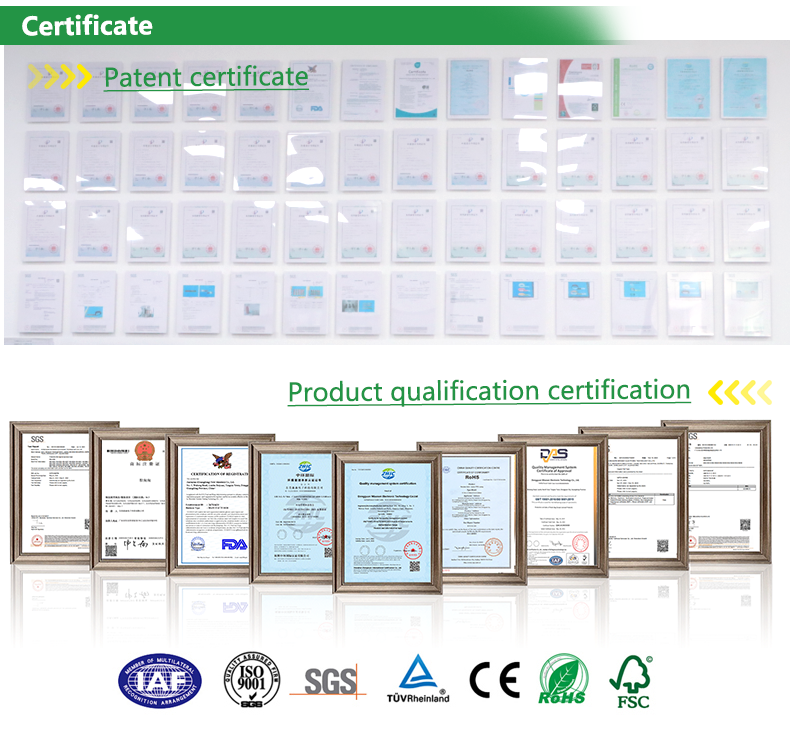
- Quality Certification: Fully certified under ISO9001 and SGS standards, ensuring batch-to-batch consistency.
- Precision Processing: In-house slitting capabilities (widths from 2mm to 1000mm) and custom die-cutting shapes (dots, discs, squares) based on CAD drawings.
- B2B Support: Flexible MOQ, rapid lead times (usually 7-10 days for bulk orders), and free sample provisions for laboratory testing.
7. Frequently Asked Questions (FAQs)
1. Will PET high-temperature tape leave adhesive residue after baking?
No. The tape uses a thermosetting silicone adhesive designed specifically for clean removal. It leaves zero residue on metals, glass, or FR-4 PCB boards after being subjected to 180°C for up to 30 minutes.
2. Can this tape be used for electrical insulation?
Yes. The PET film combined with silicone adhesive provides a dielectric breakdown voltage exceeding 5,000V. It is widely approved for Class H and Class F transformer and motor phase insulation.
3. What is the difference between green, blue, and transparent PET tapes?
The base material and thermal properties are identical. Colors are added during the film manufacturing process solely for visual identification during assembly, masking inspection, or color-coding electrical phases.
4. Do you offer custom die-cut shapes for specific parts?
Yes. JIAOTAOTAO provides precision die-cutting services. We can process the PET tape into discs, squares, or custom geometric profiles based on your engineering drawings to speed up your production line.
5. How long is the shelf life of silicone PET tape?
The standard shelf life is 12 to 18 months from the date of manufacture. For optimal performance, store the rolls in a cool, dry environment (approx. 21°C / 70°F) away from direct UV sunlight.
6. Is this tape suitable for wave soldering masking?
Absolutely. The tape is highly resistant to flux chemicals and brief exposure to molten solder temperatures, making it standard for protecting gold fingers on PCBs during wave soldering operations.
7. Can I get a free sample for lab testing before placing a bulk order?
Yes. As a direct manufacturer, JIAOTAOTAO provides free sample rolls. We encourage engineers to conduct on-site thermal and adhesion tests to verify compatibility with your specific substrates.
Conclusion & Industrial CTA
Selecting the correct high-temperature masking tape minimizes defect rates and reduces post-production cleanup costs. With a thermal threshold of 200°C, >5kV dielectric strength, and a residue-free silicone adhesive system, PET high-temperature tape is the standard for powder coating and electronics manufacturing.
Source Directly from the Manufacturer
JIAOTAOTAO operates 8 advanced coating lines, offering wholesale pricing, exact-width slitting, and die-cutting.
WhatsApp / WeChat: +86-136 1277 5969
Email: simon@jiaotaotao.com
Visit JIAOTAOTAO Official Website
Heat Resistant Tape: A Technical Buyer's Guide for Industrial Applications
Double Sided Thermal Tape Guide
Related Article
Need help choosing the right industrial tape?
Send us your application details, including temperature, surface material, size, quantity and current problem. Our team will help recommend a suitable tape material or custom die-cut solution.

simon@jiaotaotao.com


+86-136 1277 5969

+86-136 1277 5969
