
Kapton Tape Electrical Insulation: Practical Buyer Guide
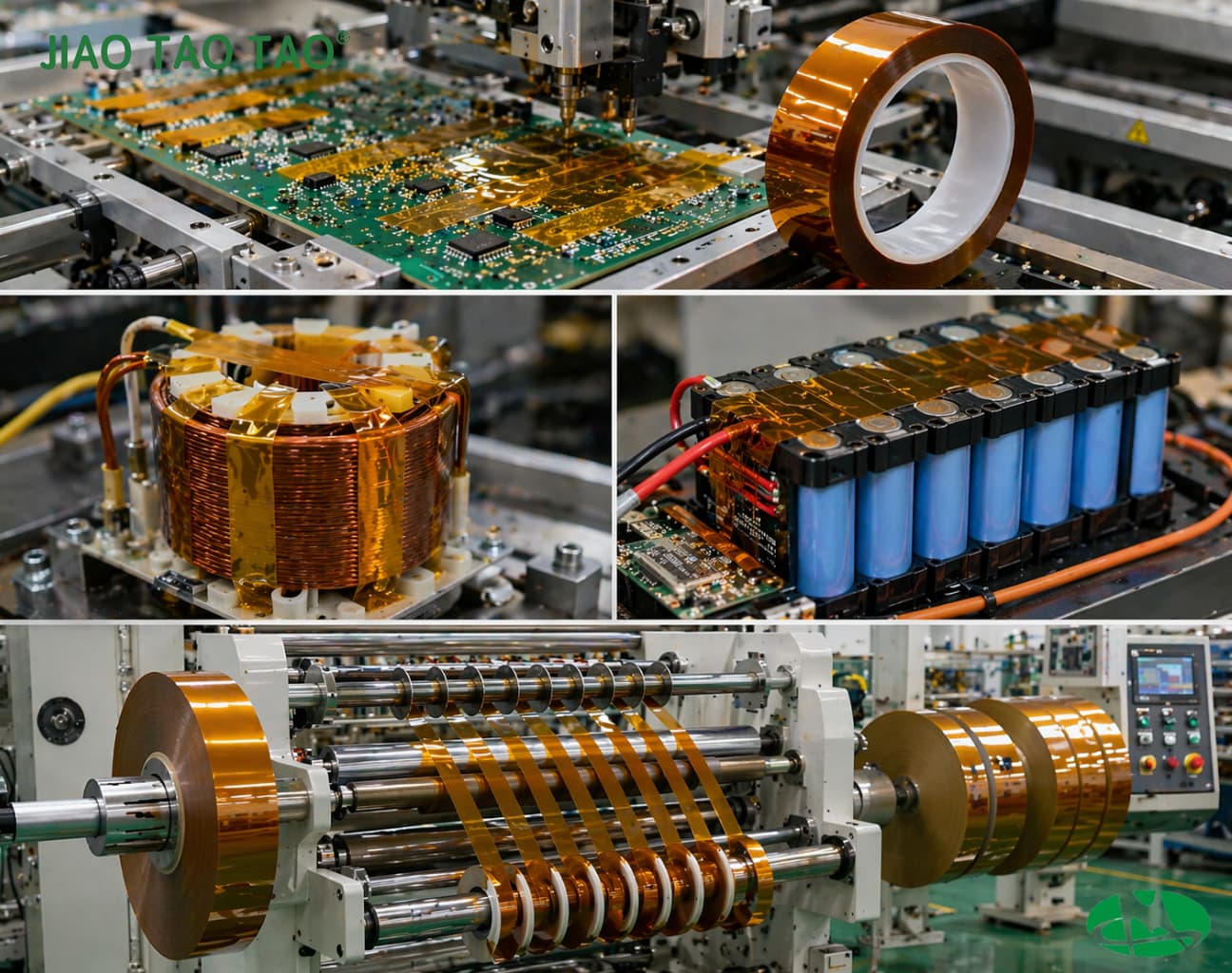
Kapton Tape Electrical Insulation: Practical Buyer Guide
Kapton tape electrical insulation is one of the most searched solutions when engineers and sourcing teams need reliable dielectric protection under heat, voltage, and mechanical stress. In real production, however, choosing the right tape is rarely as simple as picking any amber PI film roll. Buyers must match thermal range, dielectric strength, adhesive system, thickness, converting format, and end-use process before approving a material for mass production.
This guide explains what Kapton tape electrical insulation really means in industrial use, where polyimide insulation tape is most effective, what technical properties should be checked first, and which common selection mistakes create quality risk on the line. It also uses a real amber polyimide electrical tape specification as a reference point, so the advice stays practical for transformer winding, motor insulation, PCB electrical protection, coil wrapping, and customized converting projects.
Suggested reading path: definition → buyer pain points → selection factors → common mistakes → application-based recommendations.
What Is Kapton Tape Electrical Insulation Material?
In industrial purchasing language, “Kapton tape” is often used as a shorthand term for polyimide tape used in high-temperature electrical insulation. The base film is polyimide, and the adhesive system may be silicone or acrylic depending on the process requirement. For electrical insulation work, the tape must do more than stay attached. It must maintain dielectric integrity, resist thermal aging, and keep dimensional stability during assembly, curing, winding, or masking operations.
How Kapton Tape Electrical Insulation Works
The tape acts as a thin insulating barrier between conductive parts or between a conductor and its surrounding assembly. In motors, transformers, and coils, it helps separate turns, cover exposed edges, and reinforce insulation zones. In electronics production, it may be used for PCB electrical protection, local masking, or insulation reinforcement where high temperature and precise placement matter.
Why Polyimide Film Is Widely Used
Polyimide film is chosen because it combines high heat resistance, dielectric performance, chemical stability, and dimensional control. Compared with many general-purpose insulation tapes, it is better suited for processes involving elevated temperature, tight spaces, and long service cycles. On the high temperature polyimide tape series, the material is positioned for electrical insulation, PCB masking, electronics assembly, transformer insulation, motor winding, and coil wrapping.
Reference Specification for an Amber Acrylic PI Tape
For a grounded selection benchmark, the referenced amber polyimide electrical tape uses polyimide film backing with acrylic adhesive. The listed data includes 0.06 mm total thickness, -73 °C to 260 °C temperature resistance, 7.0 N/25 mm adhesion to steel, 125 N/25 mm tensile strength, 60% elongation at break, and dielectric strength ≥6.5 kV. Those values make it relevant for buyers looking for a balanced electrical insulation tape rather than a decorative or low-duty film tape.

| Property | Reference Data | Why It Matters for Buyers |
|---|---|---|
| Backing Material | Polyimide Film | Provides thermal stability and electrical insulation performance. |
| Adhesive Type | Acrylic | Useful when stable bonding and insulation reliability are needed. |
| Total Thickness | 0.06 mm | Affects fit, flexibility, edge build-up, and winding compatibility. |
| Temperature Resistance | -73 °C to 260 °C | Helps determine suitability for high-temperature electrical processes. |
| Adhesion to Steel | 7.0 N/25 mm | Indicates holding strength on metal surfaces. |
| Tensile Strength | 125 N/25 mm | Important for wrapping, winding, and handling durability. |
| Elongation at Break | 60% | Shows flexibility before failure under strain. |
| Dielectric Strength | ≥6.5 kV | Core data point for insulation applications under voltage stress. |
Image alt text: kapton tape electrical insulation technical data for amber acrylic polyimide tape
Key Challenges and Pain Points When Choosing Kapton Tape Electrical Insulation
Many sourcing problems happen because the buyer knows the application, but the specification sheet does not fully reflect the process reality. The result is a tape that looks correct on paper but fails during winding, heat exposure, electrical testing, or converting.
Heat Resistance Alone Is Not Enough
A buyer may approve a tape simply because the listed temperature range looks high enough. That is risky. Electrical insulation performance must remain stable after thermal exposure, not just the color or film shape. If the adhesive softens, edge lift starts, or the tape shrinks under process heat, the insulation design may fail even when the film itself survives.
Electrical Demands Differ by Application
Transformer winding, motor insulation, coil wrapping, and PCB electrical protection do not stress the material in the same way. Some applications prioritize dielectric strength. Others need higher mechanical strength, narrow slit width control, or better conformability around corners and turns. Without matching the tape to the exact electrical structure, buyers often over-specify cost or under-specify performance.
Converting Capability Is Often Overlooked
Even a good insulation tape can become inefficient if it arrives in the wrong format. Production teams may need narrow rolls, custom lengths, die-cut shapes, layered insulation parts, or release-liner combinations. This is why it is often smarter to qualify both the base tape and the supplier’s die-cut and customized tape solutions at the same time.
Buyer takeaway: The right Kapton tape electrical insulation material is not selected by one parameter. It is selected by the interaction of temperature, dielectric demand, adhesive behavior, thickness, and converting format.
Image alt text: kapton tape electrical insulation challenges in electronics and winding applications
Critical Factors to Consider When Selecting Kapton Tape Electrical Insulation
1) Temperature Resistance and Process Window
Start by mapping the full thermal profile of the process. Ask these questions:
- What is the highest continuous operating temperature?
- Is there a short thermal spike during soldering, curing, or rework?
- Does the tape sit close to heat-generating components during service life?
- Will the assembly cycle repeat many times?
If your process involves long thermal exposure, the tape must retain both insulation and mechanical stability. A listed range of -73 °C to 260 °C is useful, but it should always be checked against the real dwell time and actual contact conditions. For example, a short exposure in a localized zone is different from continuous use in a hot electrical assembly.
2) Dielectric and Mechanical Performance
For electrical insulation work, dielectric strength should be treated as a primary qualification item. The referenced amber tape lists ≥6.5 kV dielectric strength, which gives buyers a clear starting point for comparing insulation grades. However, electrical data must be reviewed together with mechanical values.
A tape that tears too easily can slow winding or create defects during manual application. A tape that is too stiff may bridge over corners or fail to sit flat on a narrow coil structure. The reference values of 125 N/25 mm tensile strength and 60% elongation at break indicate a balance between strength and workable flexibility for insulation reinforcement and wrapping tasks.
3) Adhesive System, Thickness, and Surface Fit
Adhesive choice affects more than tack. It influences metal adhesion, removal behavior, bond stability, and compatibility with the substrate. The referenced product uses acrylic adhesive, which can be a good fit where stable bonding and electrical insulation are more important than ultra-clean high-temperature masking removal. Buyers should always confirm whether the tape is being used as a permanent insulation aid, a process-stage masking material, or both.
Thickness matters as well. A 0.06 mm tape is often a practical middle point for many electrical insulation tasks because it adds useful dielectric separation while remaining flexible enough for many winding and assembly conditions. Thicker tapes may improve robustness but can create edge build-up or fit issues. Thinner tapes may improve conformability but reduce the safety margin if the structure is mechanically demanding.
4) Width, Roll Length, and Converting Requirement
Do not approve a tape only by material grade. Approve the delivered format too. Custom slit widths help control waste and operator handling. Die-cut parts reduce labor and improve repeatability in mass production. For electronics, battery, automotive, and precision assembly projects, it is often better to source from a supplier that can combine base tape manufacturing with converting support.
| Selection Factor | Questions to Ask | Why It Impacts Results |
|---|---|---|
| Thermal Range | What is the real max temperature and dwell time? | Prevents thermal aging, shrinkage, and insulation drift. |
| Dielectric Strength | What voltage margin is required in the final assembly? | Directly affects insulation safety. |
| Adhesive Type | Is the bond temporary, semi-permanent, or long-term? | Determines adhesion stability and surface compatibility. |
| Thickness | Does the design need more clearance or more flexibility? | Affects fit, winding, and mechanical handling. |
| Converting Format | Are slit rolls enough, or do you need die-cut parts? | Improves production efficiency and consistency. |
Image alt text: kapton tape electrical insulation selection factors for dielectric strength temperature and adhesive type
Common Mistakes to Avoid With Kapton Tape Electrical Insulation
Choosing Only by Color or Market Name
Amber color is common in polyimide tape, but color is not a performance specification. Many buyers search “Kapton tape electrical insulation” and then assume all amber PI tapes behave similarly. That is not true. The film, adhesive, total thickness, and electrical data still need to be verified line by line.
Ignoring the Adhesive in an Electrical Insulation Decision
Some buyers focus only on the film. In reality, the adhesive can affect bond stability, surface compatibility, and process handling. Acrylic and silicone systems do not behave the same way. If the tape must stay in the assembly, support insulation reinforcement, or bond to metal and insulation surfaces over time, the adhesive system must be part of the qualification plan.
Using Lab Data Without Process Validation
Specification sheets are necessary, but they are not a full substitute for application testing. Curved surfaces, pressure variation, bake cycles, and substrate cleanliness can all change real-world results. Buyers should validate the tape under actual use conditions, including application pressure, winding tension, thermal exposure, and final electrical test conditions.
Overlooking Supply Stability and OEM Support
A tape can perform well in sample testing and still create supply risk later if the supplier cannot keep coating consistency, slit quality, or converting tolerance stable. This is especially important when the tape is tied to repetitive industrial assembly. Buyers should confirm bulk supply capability, technical data support, and OEM/ODM flexibility before standardizing a part number.
Image alt text: common mistakes when selecting kapton tape electrical insulation for industrial assembly
Recommended Kapton Tape Electrical Insulation for Different Applications
For Motor, Transformer, and Coil Insulation
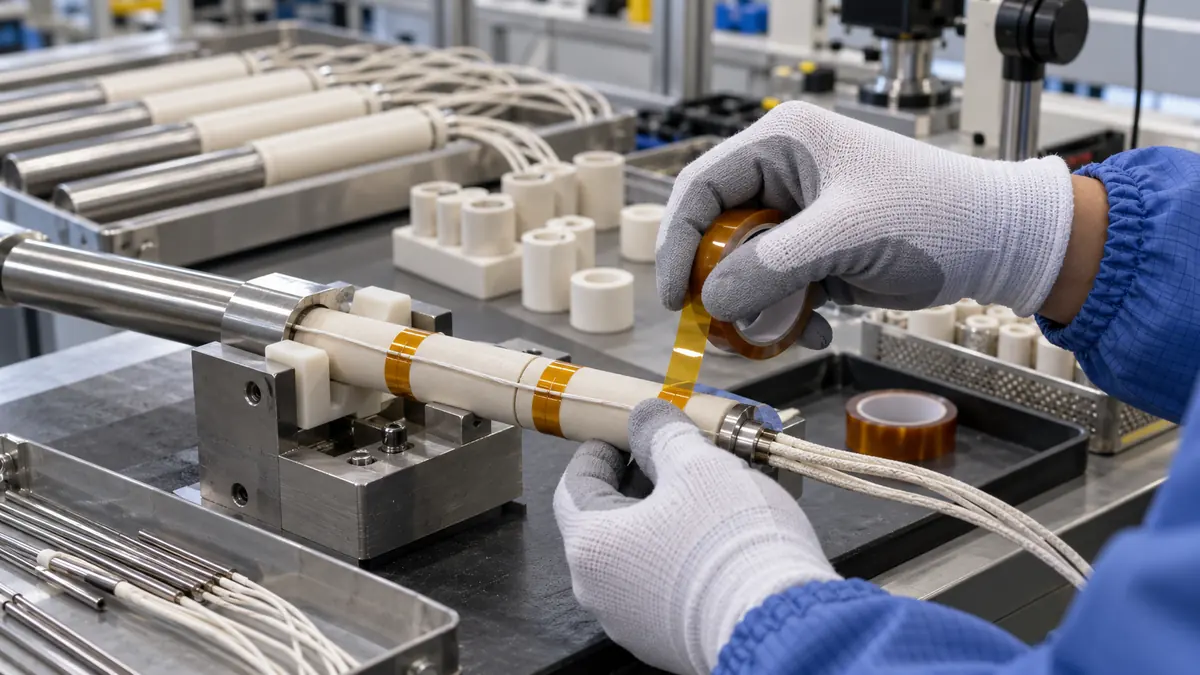
If the project involves winding, turn separation, coil wrapping, or insulation reinforcement, look for a polyimide tape with dependable dielectric performance and enough tensile strength for handling. The reference amber acrylic PI tape is relevant here because it combines polyimide film, acrylic adhesive, a 0.06 mm profile, and ≥6.5 kV dielectric strength. These properties support applications where electrical insulation and mechanical stability both matter.
For PCB Electrical Protection and High-Temperature Electronics
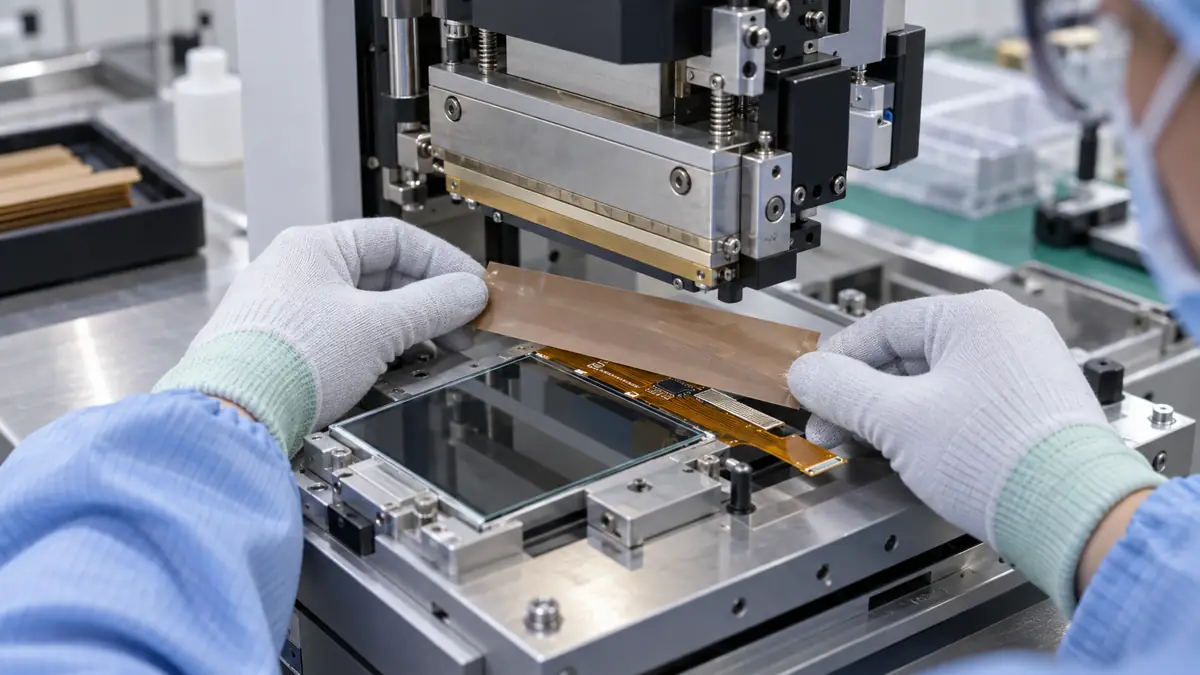
When the goal is local electrical protection on PCB-related work, thinness, dimensional control, and heat resistance become more important. Polyimide tape is commonly specified because it performs well in electronics environments where standard insulation tapes may soften, distort, or lose reliability. Buyers should confirm whether the tape must stay in place after processing or only protect a temporary area during assembly.
For Customized Slit Rolls and Die-Cut Insulation Parts
Production efficiency improves when the material arrives in the correct format. For repetitive assembly, custom slit rolls reduce operator trimming and scrap. For pads, tabs, windows, and precision insulating shapes, die-cut conversion reduces labor variation and improves positioning accuracy. If your project requires direct-fit parts, pair the tape selection with the supplier’s converting capability from the start instead of treating it as a later step.
Recommended Internal Solution Path
- Review the polyimide tape product category to compare PI tape structures and application direction.
- Use the amber polyimide electrical tape product page as the reference specification for electrical insulation needs.
- For OEM projects, move to customized die-cut tape solutions to align format, tolerance, and assembly efficiency.
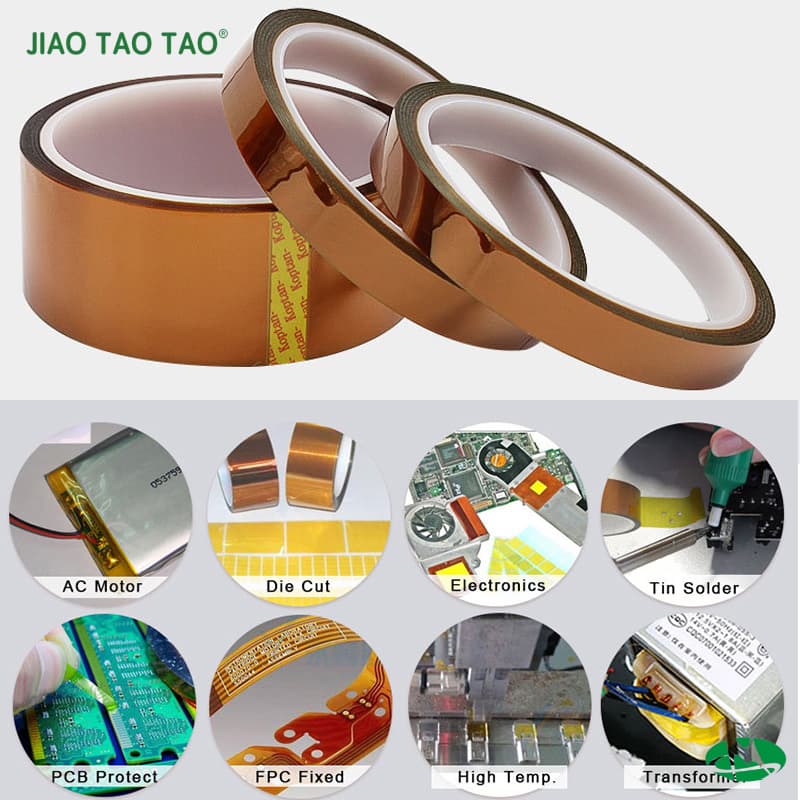
Image alt text: kapton tape electrical insulation applications in PCB transformer coil and die cut parts
FAQ About Kapton Tape Electrical Insulation
What is Kapton tape electrical insulation used for?
Kapton tape electrical insulation is commonly used for transformer winding, motor insulation, coil wrapping, PCB electrical protection, and high-temperature electronic assemblies. In practice, buyers usually mean polyimide film tape that can maintain dielectric performance and mechanical stability under heat, voltage, and continuous industrial use.
Is acrylic adhesive polyimide tape suitable for electrical insulation?
Yes, acrylic adhesive polyimide tape can be suitable for electrical insulation when the application requires stable bonding and reliable dielectric separation. Buyers should still confirm the full specification, including dielectric strength, temperature resistance, thickness, and substrate compatibility, before final approval for production use.
What specifications matter most when buying Kapton tape electrical insulation?
The most important specifications are temperature resistance, dielectric strength, adhesive type, total thickness, tensile strength, and converting format. These properties determine whether the tape can survive the process window, maintain insulation integrity, and fit the final assembly without causing handling or reliability issues.
How do I choose the right polyimide tape for transformer or coil insulation?
Start with the electrical requirement, then match the thermal profile, thickness, and mechanical handling needs. A good transformer or coil insulation tape should provide stable dielectric performance, enough tensile strength for winding, and a format that matches the assembly method, such as slit rolls or die-cut pieces.
Conclusion
Kapton tape electrical insulation is not a one-line commodity decision. For industrial buyers, the right choice depends on how polyimide film, adhesive system, thickness, dielectric performance, and converting format work together in the real application. If the project involves motors, transformers, coils, PCB electrical protection, or precision insulating parts, a structured qualification process will reduce failure risk, rework, and sourcing uncertainty.
At Clothadhesive, the practical approach is to start from the real application, then match the correct polyimide tape specification and delivery format. That is the most efficient way to select a material that performs well not only in sample testing, but also in stable mass production.
Looking for a reliable industrial adhesive tape manufacturer with long-term experience to support your project? Clothadhesive provides polyimide insulation tape, OEM/ODM customization, slit roll supply, and die-cut converting support for electronics, transformer, motor, and industrial insulation applications.
Contact our industry engineer today to discuss your Kapton tape electrical insulation requirement, request a suitable specification, or evaluate a custom converting solution.
Kapton Insulation Tape: Selection Guide for Industrial Buyers
Battery Tape: Essential Materials for Battery Pack Assembly & Protection
Related Article
Need help choosing the right industrial tape?
Send us your application details, including temperature, surface material, size, quantity and current problem. Our team will help recommend a suitable tape material or custom die-cut solution.

simon@jiaotaotao.com


+86-136 1277 5969

+86-136 1277 5969
