
Kapton Insulation Tape: Selection Guide for Industrial Buyers
Kapton Insulation Tape: Selection Guide for Industrial Buyers
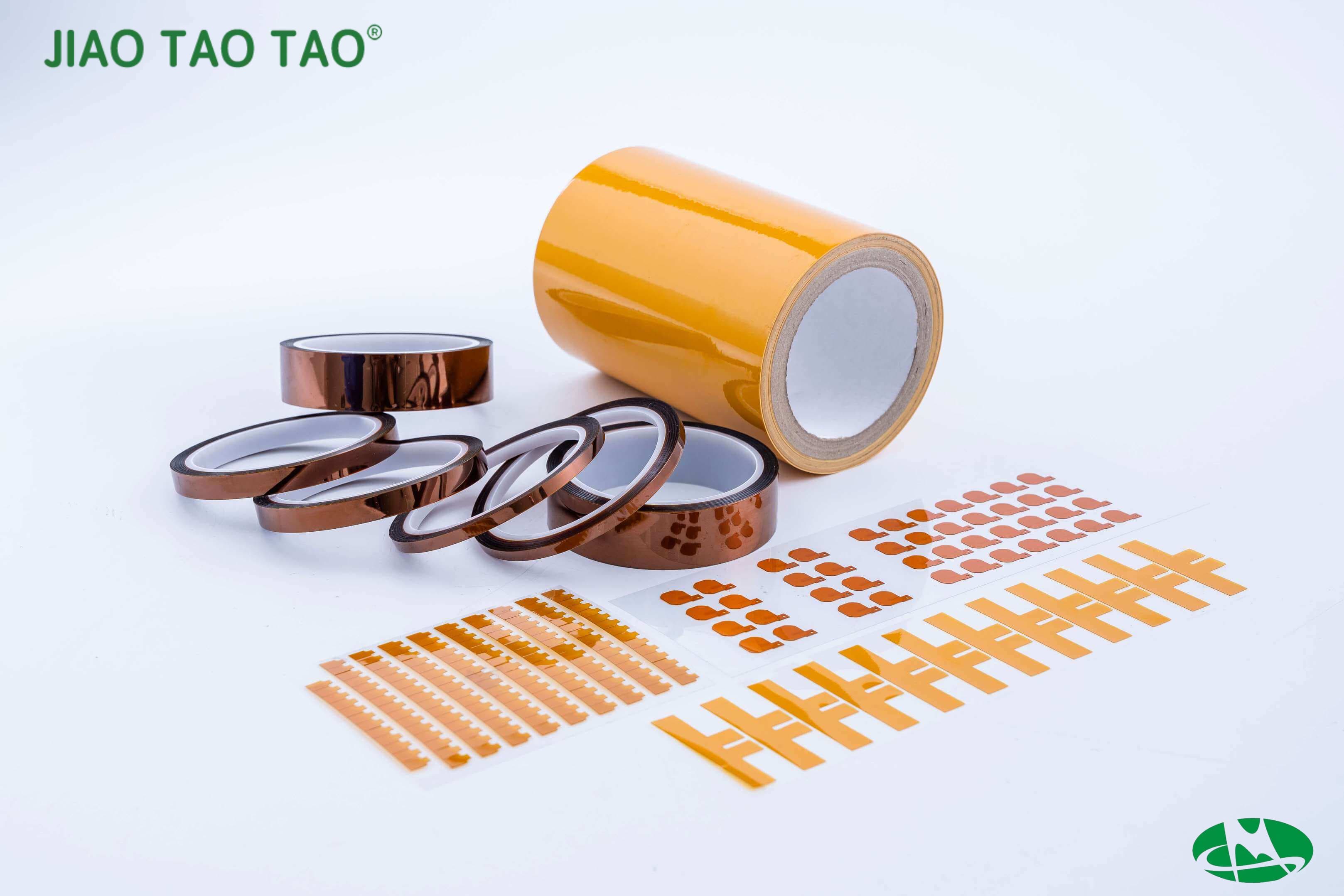
Kapton insulation tape is widely used when manufacturers need a thin, heat-resistant, electrically stable tape for PCB processing, transformer insulation, motor winding, battery pack assembly, and precision industrial masking. For buyers, however, choosing the right grade is not as simple as searching for “polyimide tape” and comparing price. Thickness, adhesive type, thermal range, die-cut format, and end-use environment all affect real performance.
This guide explains what Kapton insulation tape is, where it is used, which technical factors matter most, and which sourcing mistakes often lead to rework or unstable field performance. It also aligns with a real product structure: polyimide film backing, silicone high-temperature adhesive, thickness options from 0.05 mm to 0.1 mm, and roll or dot formats for electrical insulation and high-temperature processing.
For global OEM and industrial procurement teams, the practical goal is simple: select a Kapton insulation tape that delivers thermal resistance, electrical reliability, and converting flexibility without creating hidden production risk.
What Is Kapton Insulation Tape?
Kapton insulation tape is an industrial polyimide film tape designed for high-temperature electrical insulation, surface protection, and precision process masking. In factory purchasing language, “Kapton tape” is often used as a general term for polyimide tape, especially when the tape is expected to perform under elevated temperatures, maintain dielectric integrity, and remain dimensionally stable during manufacturing or service.
Base Film and Adhesive Structure
A typical industrial Kapton insulation tape combines a polyimide film backing with a high-temperature adhesive. In the referenced product structure, the adhesive is silicone high-temperature adhesive, which is commonly selected for demanding thermal processes and clean handling after exposure. This combination helps the tape stay stable during repeated heating cycles while maintaining flexibility and insulation performance.
Typical Specification Range
Not every Kapton insulation tape is built the same. Buyers should review the full construction instead of assuming all amber tapes perform equally. A representative industrial specification includes thickness options of 0.05 mm, 0.06 mm, 0.08 mm, and 0.1 mm, width options of 10 mm, 20 mm, 25 mm, 50 mm, and custom sizes, and temperature resistance of -50°C to 260°C. Some projects also require localized protection in the form of Kapton dots in 6 mm, 8 mm, 10 mm, and 12 mm sizes.
Why It Matters in Industrial Manufacturing
Kapton insulation tape is valued because it solves more than one problem at the same time. It supports electrical insulation, thermal resistance, dimensional stability, flame-resistant assembly design, and precise placement. That makes it useful across electronics, transformers, motors, lithium battery manufacturing, and other production environments where ordinary polyester or general-purpose electrical tapes may not provide the same thermal margin.
| Item | Reference Specification | Buyer Relevance |
|---|---|---|
| Product Type | Polyimide Kapton Tape (Rolls) & Kapton Dots | Supports both continuous wrapping and localized insulation points. |
| Backing | Polyimide film | Provides high-temperature stability and electrical insulation. |
| Adhesive | Silicone high-temperature adhesive | Useful for demanding thermal processes and stable adhesion. |
| Thickness | 0.05 / 0.06 / 0.08 / 0.1 mm | Affects conformability, dielectric spacing, and handling. |
| Temperature Rating | -50°C to 260°C | Critical for selecting the right process window. |
| Width | 10 / 20 / 25 / 50 mm / custom | Important for productivity and fit in real assemblies. |
| Dot Sizes | 6 / 8 / 10 / 12 mm / custom die-cut | Supports localized masking and insulation points. |
| Length | 33 m / 66 m / custom | Helps match roll format to line consumption and sourcing efficiency. |

Key Challenges When Choosing Kapton Insulation Tape
Industrial buyers often know the end application, but the actual qualification problems begin when they try to convert that application into a reliable tape specification. A tape that looks acceptable in a sample test may still fail during production if the thermal cycle, adhesive behavior, or converting format is not aligned with the real process.
Different Applications Create Different Stress Conditions
PCB masking, motor winding, transformer insulation, and battery pack protection do not demand the same balance of properties. In one project, the priority may be clean high-temperature masking. In another, it may be long-term electrical insulation under continuous thermal load. For die-cut insulation parts, the requirement may shift toward dimensional accuracy and release handling rather than only heat resistance.
Thickness Selection Is Often Oversimplified
Many buyers start by choosing the thinnest tape to reduce material build-up, but that approach can create risk if the application needs more mechanical support or dielectric spacing. On the other hand, a thicker tape may perform well electrically while reducing flexibility or slowing manual wrapping. The right Kapton insulation tape thickness must match the actual geometry, not just the procurement preference.
Format and Processing Capability Matter
For many factories, the tape itself is only part of the requirement. Production may need custom slit rolls, short-run widths, die-cut pads, or dots for local insulation zones. This is why buyers should evaluate not only the material but also the supplier’s converting support. A manufacturer that can provide both base material and die-cut customized tape solutions usually creates a smoother supply chain for OEM projects.
Buyer takeaway: The best Kapton insulation tape is not defined by one claim such as “high temperature” or “polyimide.” It is defined by how well the tape’s film, adhesive, thickness, and delivered format match the actual industrial process.

Critical Factors to Consider When Selecting Kapton Insulation Tape
1. Confirm the Real Thermal Requirement
Start with the process window. Ask how hot the assembly actually becomes, how long that exposure lasts, and whether heat is continuous or intermittent. A tape rated to -50°C to 260°C may be appropriate for wave soldering zones, motor winding insulation, electronics manufacturing, or 3D printer bed applications, but the final decision should always be based on actual use conditions rather than catalog assumptions.
2. Match the Adhesive to the Process Objective
Silicone high-temperature adhesive is often preferred when stable high-heat performance and clean handling matter. In this product structure, the silicone adhesive is positioned for electrical protection, insulation systems, PCB masking, and high-temperature industrial processing. Buyers should still confirm whether the tape is intended for temporary process masking, semi-permanent insulation, or long-term assembly retention because each use case changes the qualification logic.
3. Choose the Right Thickness for the Design
Thickness options from 0.05 mm to 0.1 mm allow engineers to balance conformability, dielectric spacing, and edge build-up. A thinner grade may work better on tightly wrapped parts or fine masking zones. A thicker grade may be more suitable when extra electrical separation or handling durability is needed. Instead of asking which thickness is “best,” buyers should ask which thickness is most stable for their substrate, geometry, and process pressure.
4. Review Delivery Format Early
Kapton insulation tape may be supplied as standard rolls, custom widths, or die-cut dots. That matters more than many buyers expect. A project using localized insulation points may be better served by Kapton dots rather than manually cut tape pieces. A project with repetitive linear wrapping may need a custom slit width to improve operator speed and reduce scrap. Matching the tape format to the production method often saves more cost than chasing a slightly lower unit price.
5. Validate Application Fit, Not Just Data Sheet Fit
Even if a tape matches the target specification, the real process should still be tested. Conformability, release behavior, edge seal, handling on small parts, and performance after repeated heating can all affect the final result. In industrial procurement, lab data is the starting point; process validation is the actual approval step.
| Selection Factor | What to Check | Why It Matters |
|---|---|---|
| Heat Resistance | Peak temperature, dwell time, cycle frequency | Prevents shrinkage, failure, or adhesive instability. |
| Adhesive System | Temporary masking vs. retained insulation use | Determines bond behavior and removal characteristics. |
| Thickness | 0.05 / 0.06 / 0.08 / 0.1 mm | Affects fit, wrapping performance, and insulation spacing. |
| Format | Rolls, custom slit rolls, or Kapton dots | Improves consistency and line efficiency. |
| Application Testing | Substrate fit, repeated heat, release condition | Reduces qualification risk before mass production. |

Common Mistakes to Avoid With Kapton Insulation Tape
Assuming All Amber Polyimide Tapes Are the Same
Color alone does not define performance. Two amber Kapton insulation tape products may look similar but differ in adhesive type, thickness range, clean removal behavior, converting support, and suitability for insulation versus masking. Buyers should always review the full construction and application focus before making a sourcing decision.
Choosing by Price Before Confirming Process Fit
Low-cost tape can become expensive when it causes scrap, rework, downtime, or extra manual trimming. This happens often when the delivered width is wrong, the dots are not available, or the adhesive does not match the process condition. Industrial tape sourcing should prioritize total application cost, not only the initial unit price.
Ignoring Conversion and OEM Requirements
Many OEM projects require special packaging, narrow widths, custom lengths, or die-cut insulation pieces. If the supplier cannot support these details, the factory may end up doing manual conversion in-house, which reduces repeatability. For long-term procurement, a supplier with OEM/ODM and precision converting capability is often the more practical choice.
Skipping Real Production Testing
A tape that works in a quick sample check may still lift, wrinkle, or behave differently during continuous production. This is especially true in transformer winding, automated electronics assembly, and battery manufacturing. Sample testing should reproduce the real temperature, timing, substrate, and handling method as closely as possible.

Recommended Kapton Insulation Tape for Different Applications
For PCB Masking and Electronics Assembly
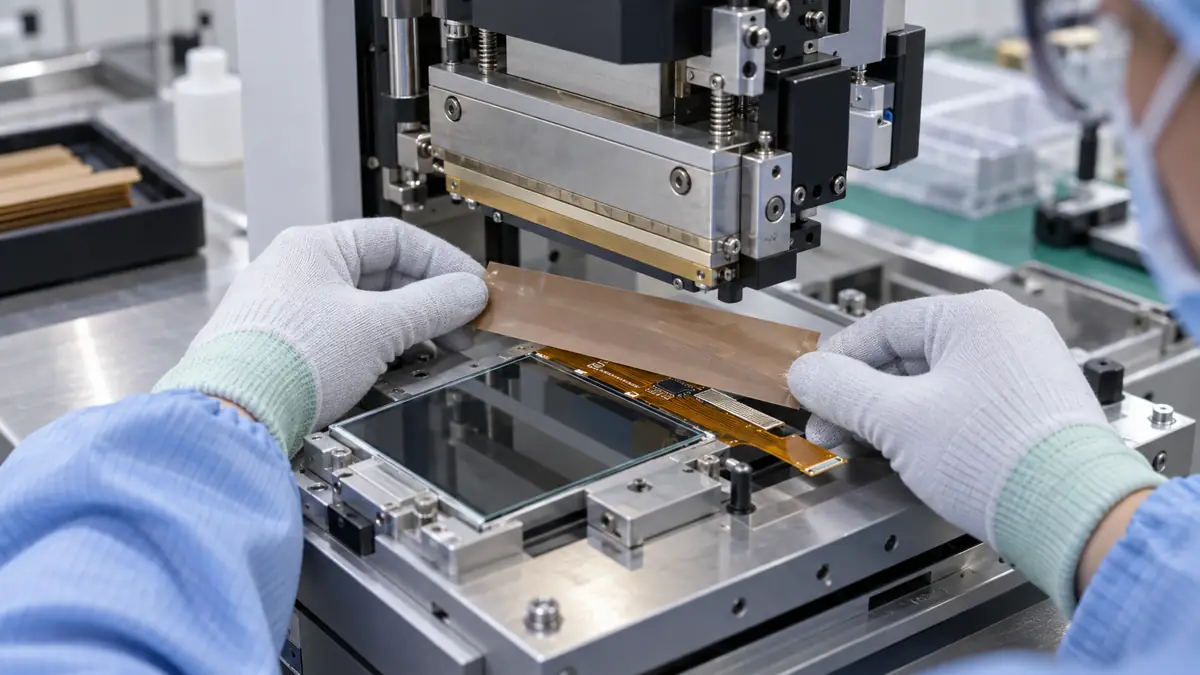
In PCB masking and electronics manufacturing, the tape needs to combine high-temperature resistance with stable handling and localized precision. Kapton insulation tape in roll form works well for linear zones and edge masking, while Kapton dots may be more efficient for isolated points, hot-end protection, and small-area shielding.
For Motor and Transformer Insulation
These applications usually require reliable thermal resistance, electrical insulation, and mechanical stability under repetitive stress. A polyimide film tape with silicone high-temperature adhesive is often a practical fit because it can tolerate elevated temperatures while remaining conformable enough for winding or layered insulation structures.
For Die-Cut Insulation Parts
If the assembly requires repeatable placement, custom die-cut Kapton parts can improve speed and consistency. This is especially useful in battery modules, compact electronics, flame-resistant electrical assemblies, and precision industrial processing where manual trimming creates variability.
For 3D Printing Beds and Localized Heat Zones
The product page also positions this tape for 3D printer bed use because the smooth polyimide surface supports consistent adhesion behavior and heat stability. This type of application may seem different from industrial electrical insulation, but it still benefits from the same core material properties: thermal resistance, surface consistency, and dimensional control.
Recommended Internal Navigation Path
- Use the polyimide tape category page to compare different PI tape structures and use cases.
- Review the Polyimide Film Tape 5413 product page for thickness, temperature, and format details.
- If the project needs OEM sizes or converted parts, move to the custom die-cut tape service page for custom processing support.

FAQ About Kapton Insulation Tape
What is Kapton insulation tape used for?
Kapton insulation tape is commonly used for high-temperature electrical insulation, PCB masking, transformer and motor insulation, battery pack protection, and precision industrial processing. It is valued because polyimide film can remain stable in demanding heat conditions while supporting dielectric separation and clean, accurate placement.
Is silicone adhesive Kapton insulation tape suitable for electrical applications?
Yes. Silicone adhesive Kapton insulation tape is widely used in electrical and electronics applications because it can maintain stable adhesion in high-temperature environments. The right grade should still be selected based on the actual process temperature, substrate, tape thickness, and whether the tape is intended for masking, wrapping, or retained insulation.
How do I choose the right thickness of Kapton insulation tape?
The right thickness depends on your geometry, dielectric requirement, flexibility target, and handling method. Thinner tape may improve fit on small parts, while thicker tape may provide more spacing and durability. For most industrial buyers, testing more than one thickness is the safest way to confirm process fit before volume approval.
Can Kapton insulation tape be supplied in die-cut dots or custom widths?
Yes. Kapton insulation tape can be converted into custom widths, die-cut dots, and other processed formats for OEM manufacturing. This is useful when the application needs localized masking, battery insulation spots, PCB protection points, or faster line-side placement than manually cut tape can provide.
Conclusion
Kapton insulation tape is a practical industrial material when the project requires reliable electrical insulation, high-temperature resistance, and precise converting support. For serious buyers, the right decision comes from matching film construction, silicone adhesive behavior, thickness range, and delivery format to the real production environment rather than purchasing on generic catalog language alone.
At Clothadhesive, we support global OEM and industrial procurement teams with polyimide insulation tape, custom slit rolls, Kapton dots, and die-cut processing solutions. If your project involves electronics manufacturing, transformer winding, battery insulation, or precision masking, a specification-based sourcing approach will reduce risk and improve line consistency.
Looking for a reliable industrial adhesive tape manufacturer to support your project? We provide OEM/ODM customization, free sample evaluation, custom slit widths, die-cut processing, and global supply for high-performance Kapton insulation tape and related polyimide tape solutions.
+86-13612775969
+86-13612775969
simon@jiaotaotao.com
Send Inquiry Online
Contact our industry engineer today to discuss your Kapton insulation tape requirement, request a sample, or get a custom converting solution for your application.
Sublimation Polyimide Tape: Practical Guide for B2B Buyers
Kapton Tape Electrical Insulation: Practical Buyer Guide
Related Article
Need help choosing the right industrial tape?
Send us your application details, including temperature, surface material, size, quantity and current problem. Our team will help recommend a suitable tape material or custom die-cut solution.

simon@jiaotaotao.com


+86-136 1277 5969


+86-136 1277 5969
