
How to Use PI Tape in Electronics and High-Temperature Masking | JIAO TAO TAO TAPE
How to Use PI Tape for High-Temperature Masking, Insulation, and Electronics Protection
PI tape, also called polyimide tape, is widely used in electronics manufacturing and high-temperature industrial processes. A typical industrial grade such as JTT01-04 uses amber polyimide film with silicone adhesive, 0.04 mm total thickness, and a temperature resistance range of –73°C to +260°C.
Table of Contents
In electronics manufacturing and thermal processing, standard masking tapes often fail because the backing shrinks, the adhesive softens, or residue remains after removal. PI tape is selected for these environments because polyimide film maintains dimensional stability at elevated temperatures and silicone adhesive can provide strong bonding with clean release after the process is complete.
If you are using PI tape for PCB masking, reflow soldering, lithium battery insulation, coil wrapping, or flexible circuit protection, correct application is important. Surface preparation, placement accuracy, pressure, dwell time, and removal method all affect final performance.
What Is PI Tape?
PI tape is a high-temperature adhesive tape made from polyimide film coated with silicone adhesive. It is commonly referred to as polyimide tape or Kapton tape in industrial applications. The JTT01-04 product is a single-sided amber polyimide tape with 0.04 mm total thickness, strong electrical insulation, chemical resistance, and clean removal characteristics.
This type of tape is widely used in PCB manufacturing, SMT reflow soldering, lithium battery assembly, motor and transformer insulation, flexible circuit processing, and thermal shielding. Common industrial uses also include wave soldering masking, coil insulation, battery protection, and 3D printing platform surface protection.


Why PI Tape Is Used in High-Temperature Processes
Heat Resistance
JTT01-04 is rated from –73°C to +260°C, making it suitable for soldering, thermal masking, and elevated-temperature processing.
Electrical Insulation
Polyimide film provides stable dielectric performance, making the tape suitable for insulation-sensitive electronic assemblies.
Chemical Resistance
It resists solder flux, solvents, and common process chemicals used in electronics manufacturing.
Clean Removal
A suitable silicone adhesive system can bond securely during processing and remove without residue afterward.
How to Use PI Tape Step by Step
Step 1: Clean the Surface
Before applying PI tape, remove dust, oil, moisture, and loose debris from the target surface. Even high-performance silicone adhesive can lose bonding stability if the substrate is contaminated.
Step 2: Cut the Tape to the Required Size
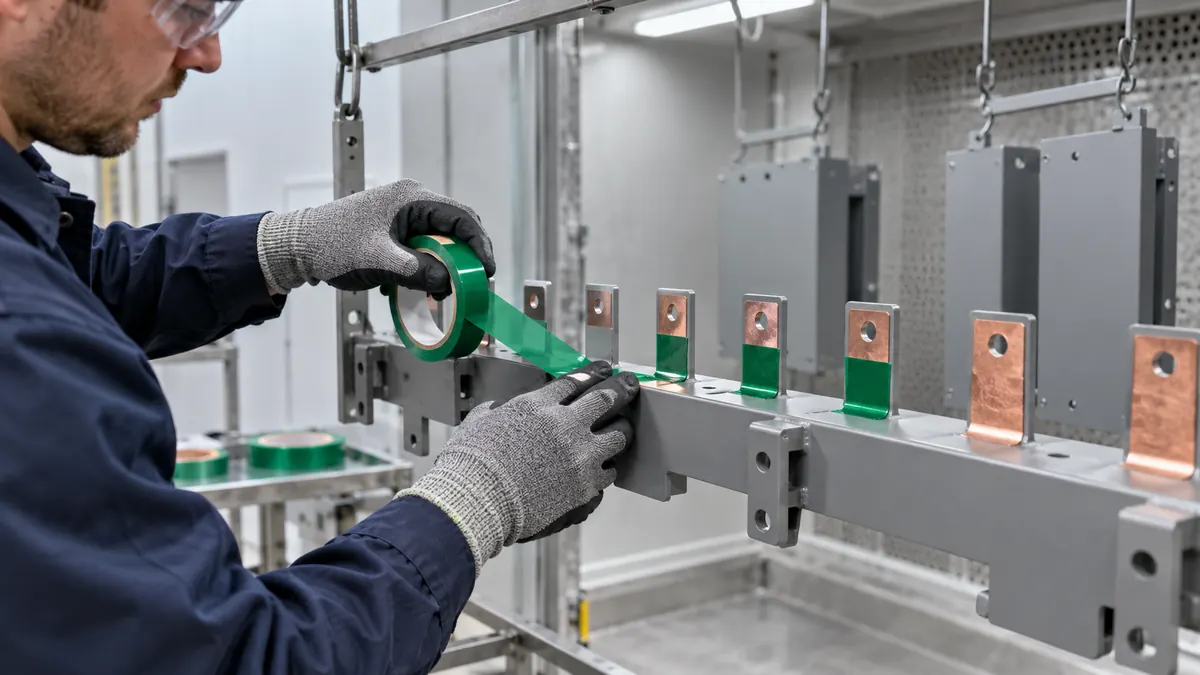
Use slit rolls, die-cut pieces, or manually cut segments depending on the masking area. For fine-pitch boards, connectors, battery tabs, or solder pads, the 0.04 mm thin construction helps maintain precision without adding much thickness.
Step 3: Position the Tape Accurately
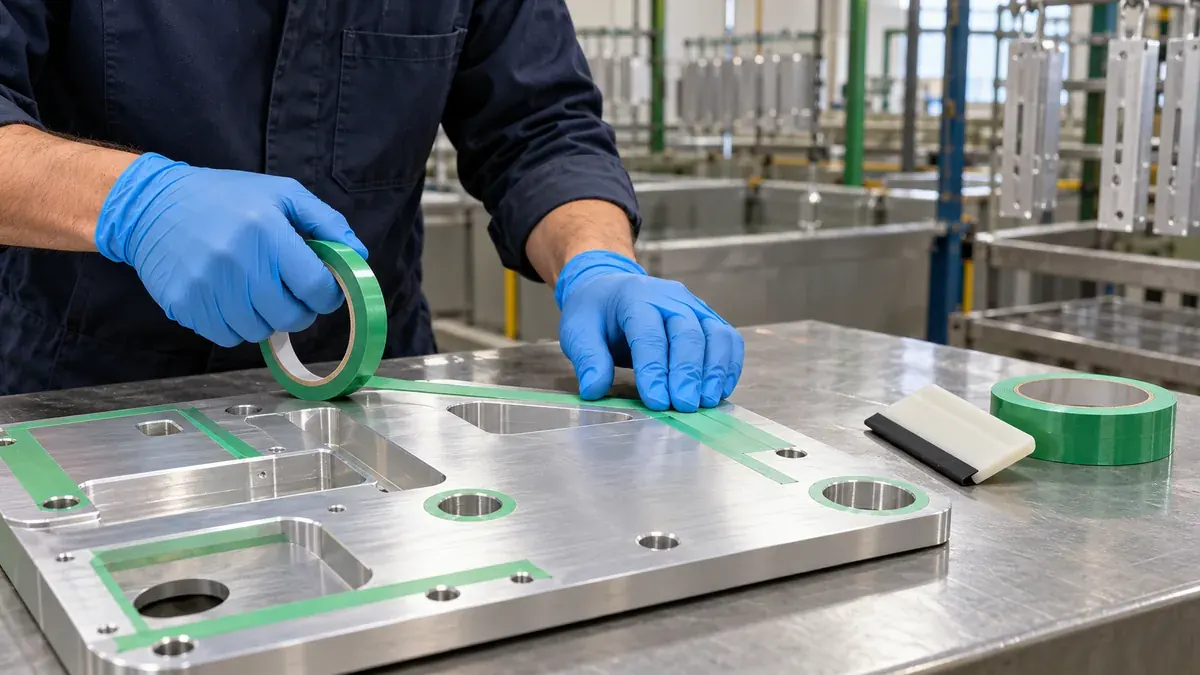
Place the tape carefully over the area that needs masking, insulation, or temporary protection. Avoid stretching the tape during application, because unnecessary tension can reduce edge accuracy and affect removal after heating.
Step 4: Apply Firm, Even Pressure
Press the tape evenly across the surface to eliminate trapped air and improve edge sealing. In PCB or solder masking, firm pressure is especially important at the tape edges so solder, flux, or coating does not leak under the masked area.
Step 5: Run the Thermal or Electrical Process
Once applied, PI tape can remain in place during reflow, wave soldering, thermal curing, battery assembly, or insulation wrapping, provided the actual process temperature stays within the product’s operating range.
Step 6: Remove the Tape After Processing
Allow the component to cool to a safe handling temperature if needed, then peel the tape back slowly at a controlled angle. This helps maintain clean edges and reduces the chance of abrupt lifting or surface stress.
Common Applications of PI Tape
PCB Masking During Soldering
One of the most common uses of PI tape is masking selected PCB areas during wave soldering or reflow soldering. It helps shield connectors, contacts, gold fingers, and no-solder zones from direct thermal or flux exposure.
SMT and Electronics Process Protection
PI tape is used to temporarily protect sensitive components or define process boundaries in SMT and electronics assembly. Because the tape combines thin construction with stable insulation performance, it is suitable for tightly spaced assemblies.
Lithium Battery Insulation and Tab Protection
In battery manufacturing, PI tape is often applied around tabs, cells, or exposed conductive zones where thermal resistance and electrical insulation are both required.
Transformer, Motor, and Coil Insulation
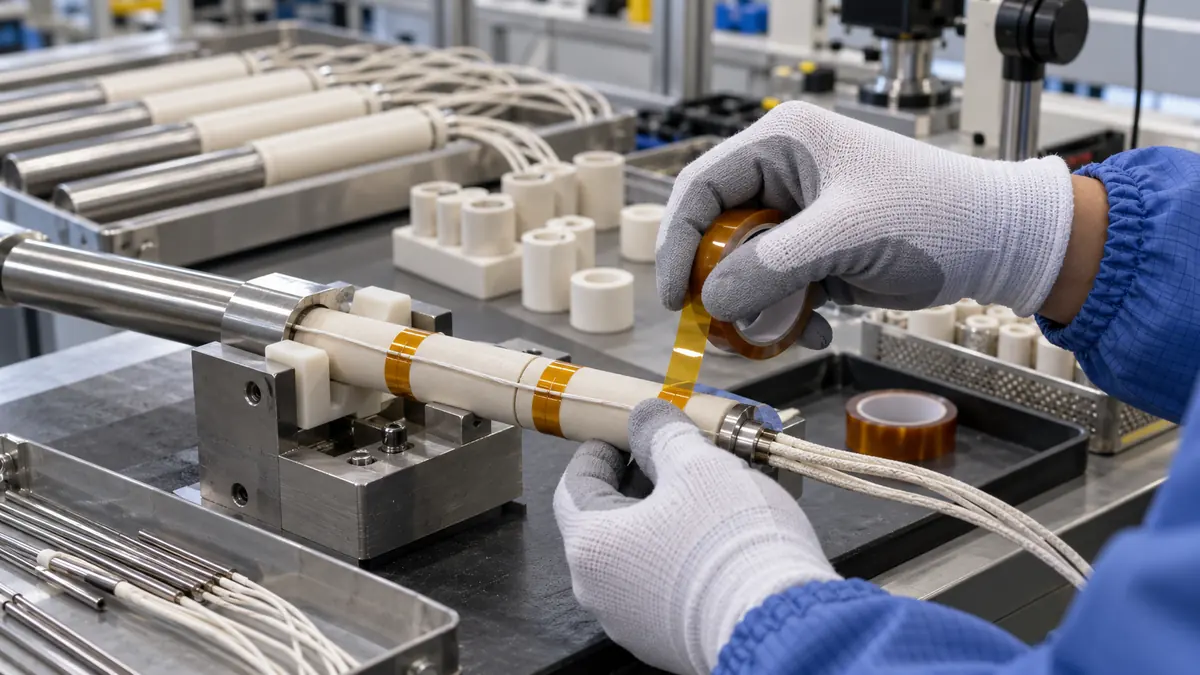
Polyimide tape is also used for wrapping and insulating coils, transformers, and motors where dielectric reliability and heat stability matter.
Flexible Circuits and Heating Films
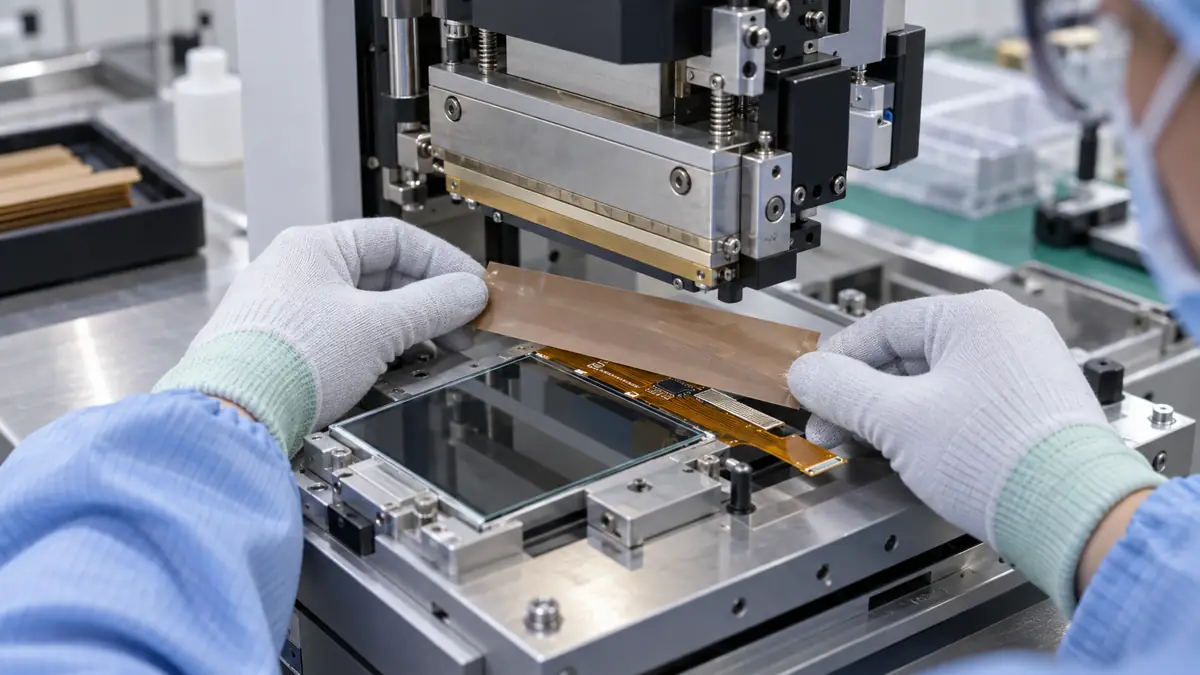
PI tape can also be used in flexible printed circuit processing and heating-film-related applications because the backing remains stable under heat and does not distort easily.
Common Mistakes to Avoid When Using PI Tape
- Applying the tape on oily, dusty, or damp surfaces
- Stretching the tape during placement
- Using the wrong thickness for precision masking
- Assuming all PI tapes have the same adhesive system or heat rating
- Removing the tape too aggressively after processing
- Using standard masking tape where polyimide tape is required
Product Specifications of JTT01-04
| Item | Specification |
|---|---|
| Product Model | JTT01-04 |
| Product Name | Polyimide High Temperature Tape |
| Backing Material | Polyimide (PI) Film |
| Adhesive Type | Silicone |
| Color | Amber |
| Total Thickness | 0.04 mm |
| Adhesive Side | Single Sided |
| Temperature Resistance | –73°C to +260°C |
| Electrical Insulation | Excellent |
| Chemical Resistance | Resistant to solvents and solder flux |
| Residue After Removal | None |
Frequently Asked Questions
How do you use PI tape on a PCB?
Clean the board first, apply the tape to the area that needs masking, press it firmly to seal the edges, run the soldering or thermal process, and then remove it carefully after processing.
Can PI tape be used in reflow soldering?
Yes. PI tape is commonly used in SMT reflow soldering and wave soldering masking because of its high temperature resistance and stable insulation properties.
Does PI tape leave residue after removal?
High-quality silicone polyimide tape is designed for clean removal under proper process conditions.
What temperature can PI tape withstand?
JTT01-04 is specified for –73°C to +260°C. Actual suitability still depends on dwell time, substrate, pressure, and process conditions.
Is PI tape the same as Kapton tape?
In industrial use, PI tape and Kapton tape are often used to refer to polyimide high temperature tape.
Can PI tape be customized?
Yes. Industrial suppliers usually support custom widths, roll lengths, jumbo rolls for die-cutting, and OEM branding.
Need PI Tape for Electronics or High-Temperature Masking?
JIAO TAO TAO TAPE supplies polyimide high temperature tape for PCB masking, SMT soldering, battery insulation, transformer wrapping, and other demanding industrial processes. Custom roll widths, OEM packaging, and bulk supply are available for B2B buyers.
WhatsApp: +86-136 1277 5969
Email: simon@jiaotaotao.com
Website: www.clothadhesive.com
Related Pages
High Temperature Masking Tape: Uses, Types and Selection Guide
PTFE Coated Fiberglass Cloth: Properties, Industrial Uses, and How to Choose the Right Grade
Related Article
Need help choosing the right industrial tape?
Send us your application details, including temperature, surface material, size, quantity and current problem. Our team will help recommend a suitable tape material or custom die-cut solution.

simon@jiaotaotao.com


+86-136 1277 5969

+86-136 1277 5969
