
High Temperature Tape for Heat, Masking & Insulation
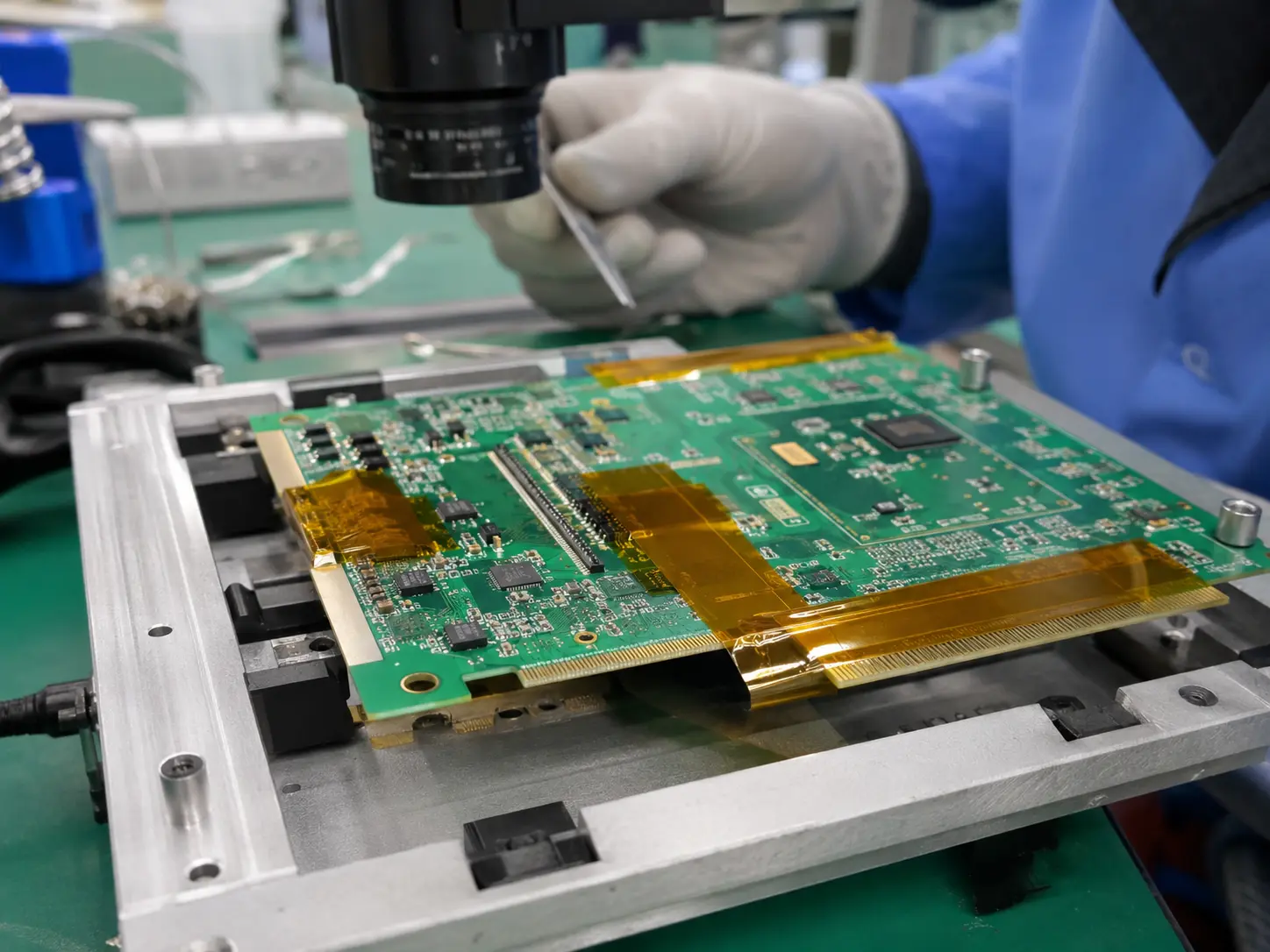
High Temperature Tape for Industrial Heat Processes
High temperature tape is used when standard tape cannot survive baking, soldering, powder coating, electrical insulation, or hot contact surfaces. If your current tape leaves residue, lifts at the edge, shrinks after heating, or fails to protect the target area, the issue is usually not “temperature” alone. The issue is using the wrong tape structure for the process.
This page is written to help you choose by production problem, not by vague product name.

Why High Temperature Tape Fails in Real Production
| What You See on the Line | What It Usually Means | What the Correct Tape Must Do |
|---|---|---|
| Adhesive residue after bake or heat cycle | Adhesive system is not matched to heat and dwell time | Remove cleanly after the process |
| Masking edge lifts during production | Backing and adhesive are not stable enough | Stay flat and sealed at the masking edge |
| Tape shrinks and exposes the protected area | Film structure has poor dimensional stability | Hold size and position through the full cycle |
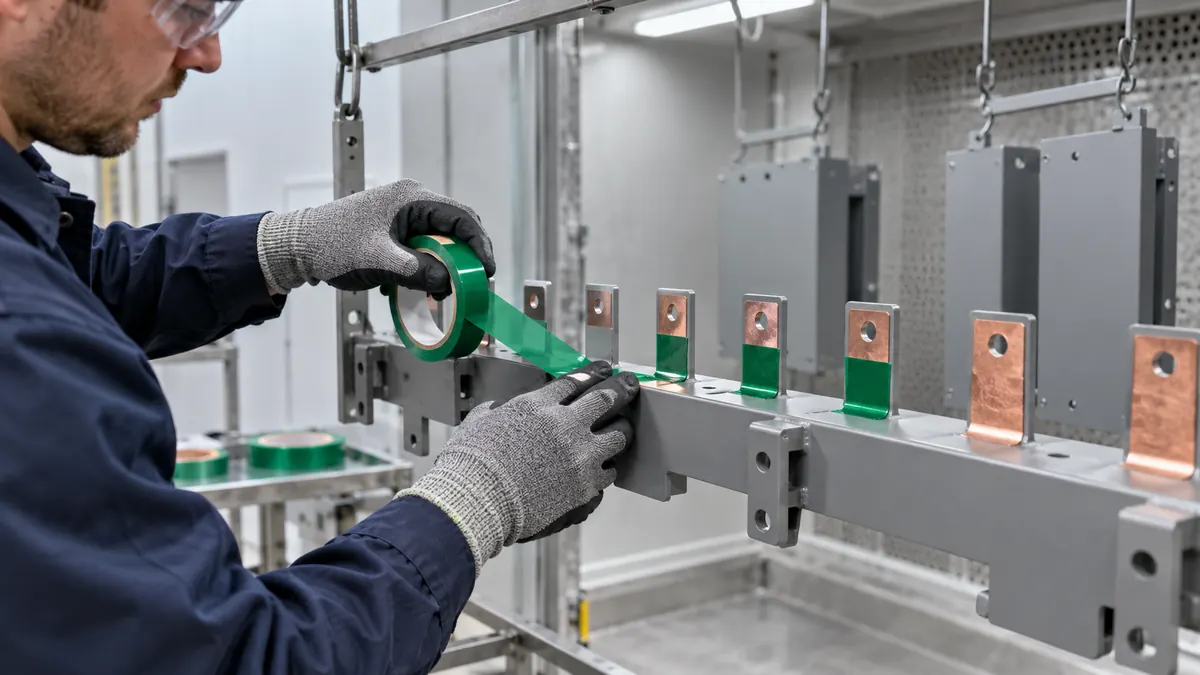
| Insulation becomes unreliable | The tape was chosen as a mask only, not as an electrical material | Maintain stable insulation under process stress |
| Material sticks to hot bars, rollers, or plates | The tape surface is wrong for release applications | Provide non-stick and low-friction protection |
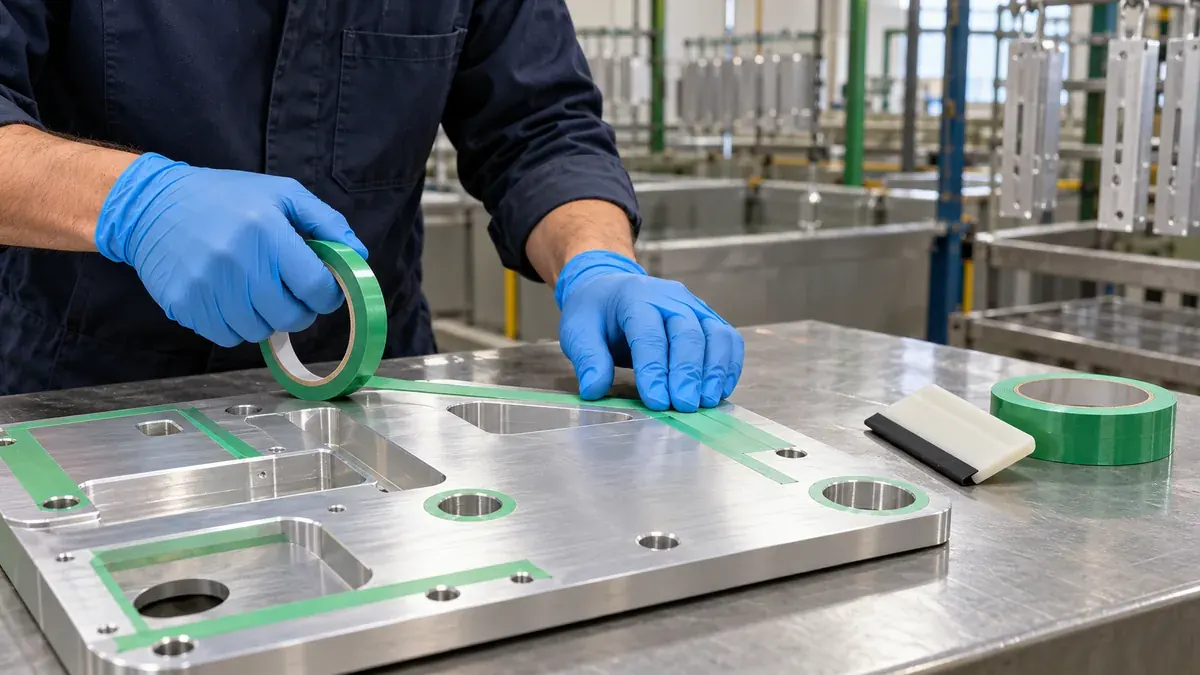
Solution 1: Clean Masking for Powder Coating and Industrial Painting
In powder coating and industrial painting, the masking tape must do three things well: hold the edge, resist the process heat, and remove cleanly. If any one of these fails, rework goes up fast.
Recommended solution: polyester silicone tape is usually the most practical choice when you need clean masking lines, stable PET film backing, and better removal performance after heating.
This is the better fit for customers who care about appearance quality, no-coat precision, and lower cleanup time.

Solution 2: Higher Heat and Reliable Insulation for Electronics
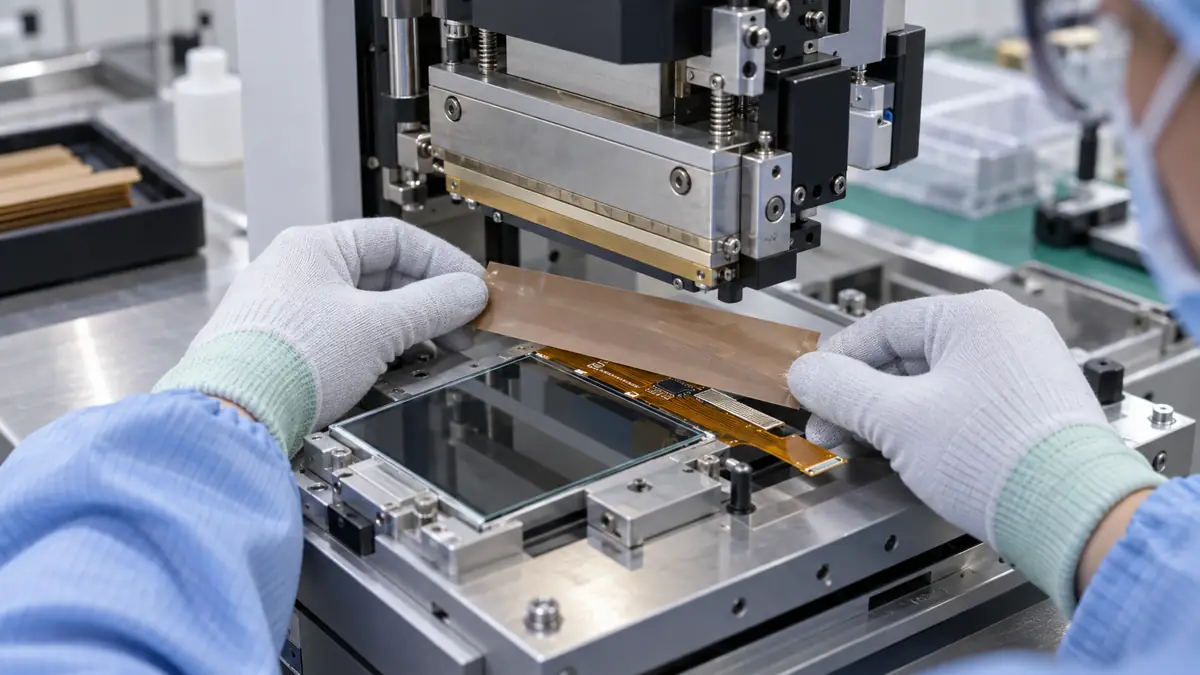
For electronics, FPC, transformer, motor, and PCB-related applications, the tape often needs to do more than cover a surface. It must also support reliable electrical insulation and remain stable in a tighter, more demanding process window.
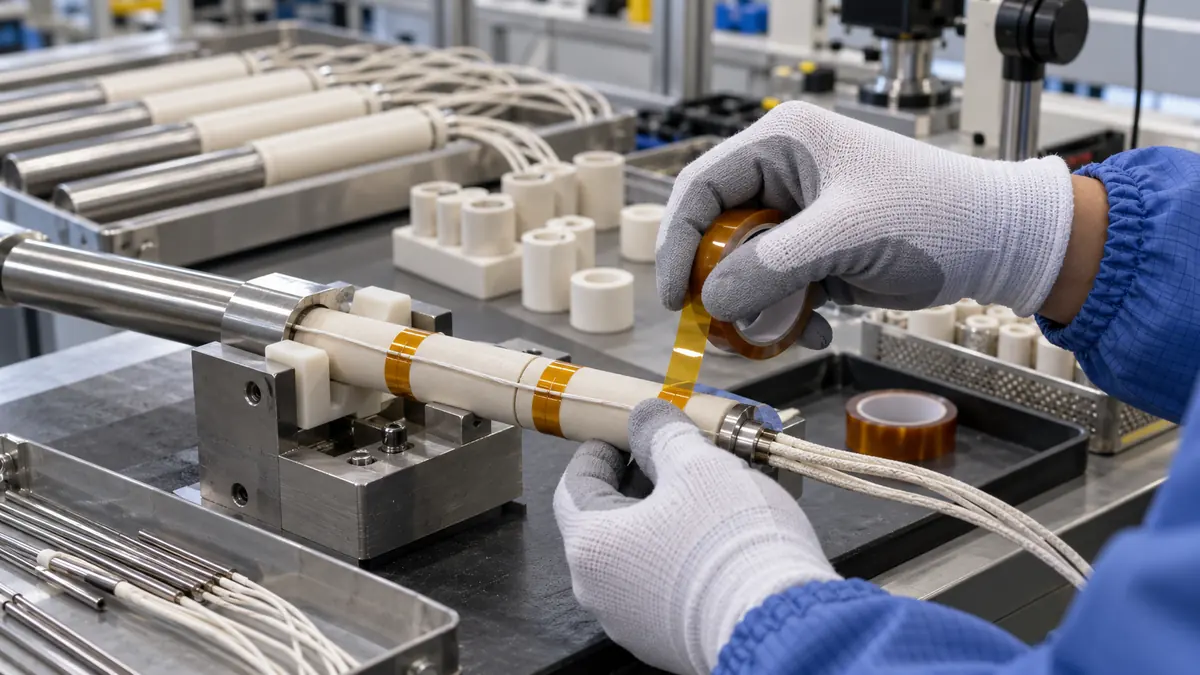
Recommended solution: polyimide tape is usually the better choice when the customer problem is higher process heat plus precision insulation.
This is the right direction for users who need PCB masking, solder-process protection, transformer insulation, battery insulation, or electronics-grade thermal stability.
Solution 3: Non-Stick Protection on Hot Contact Surfaces
This is common on sealing bars, rollers, guide surfaces, and machinery contact areas. In these cases, the problem is not simple masking. The problem is surface behavior under heat.
Recommended solution: PTFE tape is usually the correct choice when the customer needs non-stick performance, low friction, release behavior, and hot-surface protection.
This is the better fit for customers trying to reduce material sticking, roller contamination, drag marks, or repeated downtime on hot equipment.

Which High Temperature Tape Should You Choose?
PET / Polyester Silicone Tape
Use it when: you need balanced heat resistance, clean masking, dimensional stability, and cleaner removal after production.
Polyimide Tape
Use it when: the process is electronics-focused and needs higher heat tolerance plus stronger insulation reliability.
PTFE Tape
Use it when: the problem is sticking, drag, release failure, or hot-surface wear on machinery.
Converted Format
Use it when: line operators need slit rolls, sheets, or die-cut parts for faster and more repeatable placement.
Quick Decision Table
| Your Main Production Problem | Better Tape Direction |
|---|---|
| Residue and poor masking after curing | PET / polyester silicone tape |
| Higher heat plus electronics insulation | Polyimide tape |
| Sticking on hot rollers or sealing surfaces | PTFE tape |
| Inconsistent placement in production | Slit or die-cut converted format |
FAQ
What is high temperature tape mainly used for?
It is mainly used for industrial masking, electrical insulation, electronics protection, powder coating, solder-related processing, and hot-surface protection where standard tape fails.
What is the difference between PET and polyimide high temperature tape?
PET tape is usually used for balanced masking and insulation jobs, while polyimide tape is the stronger option for higher-heat electronics and precision insulation applications.
When should I choose PTFE tape?
Choose PTFE tape when the real problem is non-stick release, low friction, or hot-surface sticking on machinery and process contact areas.
Why does high temperature tape still leave residue?
This usually means the adhesive system is not correctly matched to the actual heat cycle, surface type, or removal condition.
Can high temperature tape be customized?
Yes. It is commonly supplied in custom widths, lengths, slit rolls, sheets, and die-cut forms for more stable production use.
Conclusion
High temperature tape should solve a production problem, not create a new one. If your line is losing time to residue, masking failure, insulation risk, or sticking on hot surfaces, the answer is to match the tape to the actual pain point. PET solves many masking and insulation problems, polyimide solves higher-heat electronics problems, and PTFE solves non-stick hot-surface problems.
Need a tape that actually fits your process? JIAO TAO TAO supports OEM/ODM supply, custom widths, slit rolls, die-cut conversion, and bulk production for PET, polyimide, and PTFE high temperature tape projects.
+86-13612775969
+86-13612775969
simon@jiaotaotao.com
Send Inquiry Online
Best Tape for Reflow Soldering in PCB Assembly
Circuit Board Masking Tape Solutions for PCB Soldering and Protection
Related Article
Need help choosing the right industrial tape?
Send us your application details, including temperature, surface material, size, quantity and current problem. Our team will help recommend a suitable tape material or custom die-cut solution.

simon@jiaotaotao.com


+86-136 1277 5969


+86-136 1277 5969
