
Foam Weather Stripping: How to Choose the Right Sealing Tape
Foam Weather Stripping: How to Choose the Right Sealing Tape
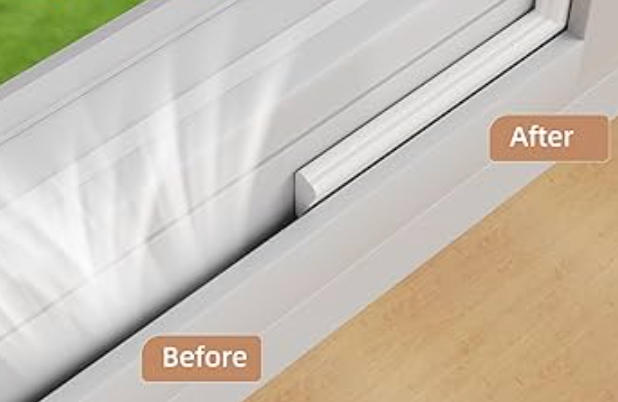
Foam weather stripping is used when doors, windows, HVAC systems, equipment housings, or industrial joints need reliable gap filling, compression sealing, and weather resistance. For buyers, the real task is not simply finding any foam tape. It is selecting the right foam material, adhesive system, thickness, density, and expansion behavior for the actual sealing environment.
For projects focused on air leakage control, waterproofing, frame sealing, and outdoor weather exposure, the most relevant starting product is Expanding Foam Tape – High-Performance Sealing Foam Adhesive Tape. For broader bonding, cushioning, and sealing projects across construction and industrial assembly, the supporting category page is Foam Tape.
This guide explains what foam weather stripping is, which material options matter most, how to compare specifications, and when buyers should move from standard roll supply to customized die-cut foam sealing parts.

Contents
Direct Answer
The most practical answer to foam weather stripping is that expanding foam tape is usually the best fit when the project needs compression sealing, air and water resistance, and reliable performance on door, window, HVAC, or outdoor frame gaps. Standard foam tape is the broader category and is better when the project includes general bonding, cushioning, vibration damping, or sealing on uneven surfaces.
Why Expanding Foam Tape Is the Closest Product Match
Unlike general foam tape pages, the expanding foam tape product page directly targets sealing performance. It specifically covers construction, automotive assembly, HVAC duct sealing, and window installation, then goes further into airtight sealing, waterproofing, UV resistance, and window/door frame applications.
Why the Category Page Still Matters
The foam tape category page is useful because it shows the broader material platform behind foam weather stripping. It covers PE, EVA, PU, and acrylic foam options, along with typical industrial thickness ranges and the fact that these tapes are designed for bonding, sealing, cushioning, and vibration damping.
| Page Type | Best Use | Main Value | Recommended Link |
|---|---|---|---|
| Expanding Foam Tape | Weather sealing, gap filling, window and door frame use | Airtight, waterproof, weatherproof sealing focus | Expanding Foam Tape product page |
| Foam Tape category | General bonding, sealing, cushioning, insulation | Broader foam material and thickness options | Foam Tape category page |
What Is Foam Weather Stripping?
Foam weather stripping is a foam-based sealing material used to fill gaps, reduce air leakage, improve weather resistance, and damp noise or vibration around frames, panels, housings, and joints. In industrial and construction sourcing, it is commonly supplied as foam adhesive tape or expanding foam tape, depending on whether the application needs static gap filling or compression expansion.
Why It Is Used
The main function of foam weather stripping is to create a more stable sealing barrier between two surfaces that are not perfectly flat. Foam can conform to irregularities, which makes it effective for joints, edges, and moving structures such as door and window frames.
Why Foam Is Preferred Over Rigid Sealing Materials
Foam materials can compress, recover, and help compensate for uneven surfaces or structural movement. That makes them useful in weather sealing, construction joints, equipment housing gaps, and similar applications where a rigid tape or hard strip would not seal consistently.
Main Product Link for This Keyword
For this keyword, the most relevant target product is Expanding Foam Tape – High-Performance Sealing Foam Adhesive Tape.
Main Foam Material and Adhesive Options
Foam Material Choices
The foam tape category page lists PE, EVA, PU, and acrylic foam as the main foam material options. Each one offers a different balance of compressibility, sealing behavior, recovery, and cost. For weather stripping buyers, this means the material decision should match both the installation environment and the required compression behavior.
Adhesive System Choices
The category page lists acrylic, rubber, and hot melt as common adhesive systems. The expanding foam tape product page focuses on a high-performance acrylic adhesive, which is a practical choice for weather-exposed installations because it is described as stable in humidity, heat, low temperatures, and outdoor conditions.
Thickness and Size Options
Standard foam tape is listed from 0.5 mm to 3.0 mm on the category page, while the expanding foam tape page gives a wider custom range of 1 mm to 20 mm, with widths from 5 mm to 500 mm. That wider range is especially important for weather stripping because gap size and compression ratio directly affect sealing quality.
| Parameter | Foam Tape Category | Expanding Foam Tape Product |
|---|---|---|
| Foam Material | PE / EVA / PU / Acrylic Foam | PU Foam / PE Foam (custom options) |
| Adhesive Type | Acrylic / Rubber / Hot Melt | High-performance Acrylic Adhesive |
| Thickness | 0.5 / 0.8 / 1.0 / 1.5 / 2.0 / 3.0 mm | 1 mm – 20 mm (custom) |
| Temperature Range | -20°C to +90°C (Short Term 120°C) | -20°C to +120°C |
| Best Use | General sealing and cushioning | Compression weather sealing and gap filling |
Simple buying logic: If the job is standard foam bonding and sealing, start from the Foam Tape category. If the job is true weather stripping for frame gaps, air leakage control, and outdoor sealing, start from the Expanding Foam Tape product page.

How to Choose the Right Foam Weather Stripping
1. Measure the Real Gap Range
Weather stripping performance depends on compression fit. Buyers should not choose thickness by guesswork. The actual gap width, movement range, and compression target should be checked before selecting material thickness and density.
2. Confirm Indoor or Outdoor Exposure
If the application is exposed to sunlight, wind, rain, and temperature fluctuation, weather resistance becomes critical. The expanding foam tape page explicitly states that the product maintains elasticity and adhesion under sunlight exposure, high humidity, and outdoor wind and rain, which makes it more suitable for exterior sealing than a generic foam tape description alone.
3. Decide Whether Expansion Sealing Is Needed
Some applications only need a foam strip to occupy space. Others require the material to expand and maintain continuous pressure inside an uneven joint. When the goal is weather stripping around frames or joints, expanding foam tape is usually the better option because it is designed to fill irregular surfaces and structural joints after installation.
4. Check Adhesive Surface Compatibility
The expanding foam tape page states that the acrylic adhesive can bond to metal, glass, PVC, aluminum profiles, and rough construction surfaces. That is useful for door, window, and facade buyers because frame materials can vary widely across projects.
5. Consider Custom Slitting or Die-Cutting
For recurring OEM or industrial assembly programs, it may be more efficient to move from standard rolls to custom-converted foam parts. The die-cut solutions page covers foam laminates, gasketing, spacers, and custom foam die-cut options, which is useful when weather stripping must fit a repeatable industrial profile rather than a simple linear frame gap.
Recommended product links for evaluation:
Common Applications of Foam Weather Stripping
Window and Door Frame Sealing
This is the most direct use case. The expanding foam tape page specifically names window and door frame sealing as a target application and ties it to air and water resistance.
Construction Gap Filling
Foam weather stripping is also used in construction joints, curtain wall systems, and wall structure sealing where gaps need controlled compression sealing and some movement tolerance.
HVAC and Equipment Sealing
The expanding foam tape page also includes HVAC duct sealing, insulation-related use, and panel sealing. This makes the product relevant beyond buildings and into industrial equipment and air-management systems.
Automotive and Industrial Cushioning
Foam tape as a broader category also supports vibration damping, sound reduction, and anti-collision padding. This is important when buyers want one foam tape platform that can serve both weather sealing and protective assembly roles.

Common Buying Mistakes
Choosing Only by Thickness
Thickness matters, but thickness alone does not guarantee sealing. Foam type, density, expansion behavior, adhesive strength, and weather exposure all influence real-world performance.
Using General Foam Tape for Exterior Weather Sealing Without Checking Outdoor Stability
Some buyers treat any foam adhesive tape as weather stripping. That can be risky if the application involves sunlight, rain, humidity, and temperature cycling. Exterior sealing requires a more weather-focused product review.
Ignoring Surface Type
Frame materials can include metal, PVC, glass, aluminum profiles, coated surfaces, and rough construction materials. Adhesion compatibility must be checked before final approval.
Not Planning for Custom Parts Early
If the project needs repeatable shaped sealing parts, ordering standard rolls first and solving shape problems later may increase waste. In those cases, die-cut foam solutions should be included in the sourcing plan from the beginning.
FAQ About Foam Weather Stripping
What is foam weather stripping used for?
Foam weather stripping is used to seal gaps around doors, windows, panels, ducts, and equipment housings. Its main functions are air leakage reduction, water resistance, gap filling, noise reduction, and vibration control.
What is the best foam tape for window and door frame sealing?
For projects that need compression sealing, outdoor resistance, and frame-gap compensation, expanding foam tape is usually the best starting option because it is specifically positioned for window and door frame sealing and weather exposure.
Can foam weather stripping be used outdoors?
Yes, but the product must be reviewed for weather resistance. The expanding foam tape page specifically states performance under sunlight exposure, high humidity, outdoor wind, and rain, which makes it more appropriate for exterior sealing applications.
Can foam weather stripping be customized?
Yes. Foam weather stripping can be customized by thickness, width, foam type, density, adhesive level, roll format, and die-cut shape depending on the project and supplier capability.
Conclusion
Foam weather stripping is best sourced by matching the product to the actual sealing problem. For true frame sealing, outdoor weather resistance, and gap-filling performance, expanding foam tape is the strongest starting point. For broader sealing, cushioning, and construction insulation demand, the foam tape category gives a wider material platform. For OEM sealing parts, die-cut foam conversion is the logical next step.
If you want to move from keyword research to product evaluation, start with these pages:
- Main Product Link: Expanding Foam Tape
- Supporting Category Link: Foam Tape
- Custom Converting Link: Die-Cut and Customized Tapes
Looking for a reliable foam weather stripping manufacturer for doors, windows, HVAC, or industrial sealing? Clothadhesive supports OEM/ODM supply, custom width slitting, die-cut foam conversion, and sample evaluation for foam sealing and gasketing projects.
+86-13612775969
+86-13612775969
simon@jiaotaotao.com
Send Inquiry Online
Contact our industry engineer today to confirm the right foam weather stripping structure and request the most suitable roll or die-cut format for your project.
3M Double Sided Tape: How to Match the Right JIAO TAO TAO Alternative
Heatproof Adhesive Tape: How Industrial Buyers Should Choose
Related Article


Need help choosing the right industrial tape?
Send us your application details, including temperature, surface material, size, quantity and current problem. Our team will help recommend a suitable tape material or custom die-cut solution.

simon@jiaotaotao.com


+86-136 1277 5969


+86-136 1277 5969
