
Which clear adhesive tape does not yellow with age?
author: JIAO TAO TAO — CRAYON
2026-02-24
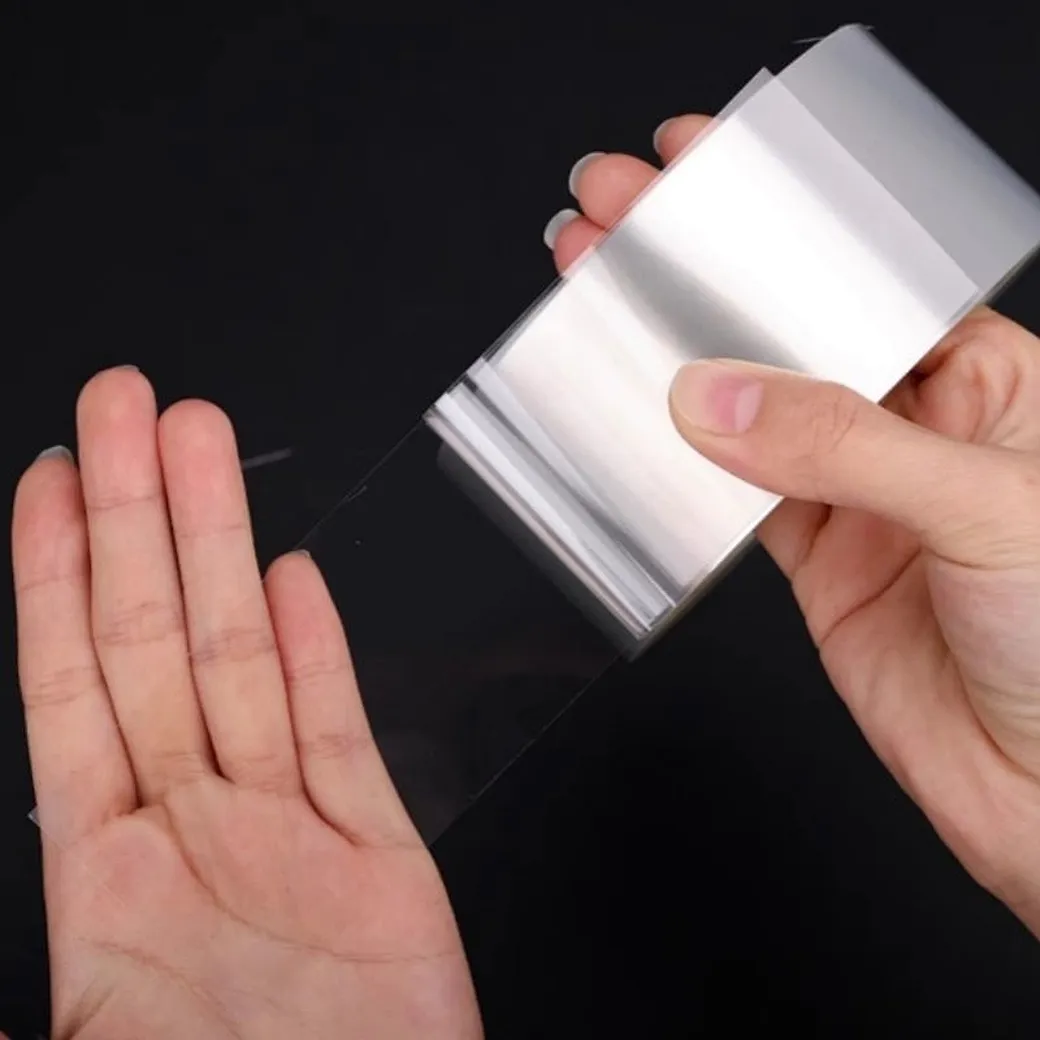
Which clear adhesive tape does not yellow with age? A Complete Guide
Table of Contents
- 1. Introduction: The Frustration of Yellowing Clear Adhesive Tape
- 2. Why Do Clear Adhesive Tapes Yellow With Age?
- 2.1 Key Factors Causing Yellowing
- 2.2 Common Misconceptions About Yellowing
- 3. Types of Clear Adhesive Tape That Resist Yellowing
- 3.1 PET Clear Adhesive Tape (The Top Choice)
- 3.1.1 Key Features of PET Clear Adhesive Tape
- 3.2 Other Non-Yellowing Clear Adhesive Tape Options
- 4. Comparison Between Regular Clear Tape and PET Clear Adhesive Tape
- 4.1 Detailed Parameter Table
- 4.2 Pros and Cons Comparison
- 5. Expert Opinions on Non-Yellowing Clear Adhesive Tape
- 6. Frequently Asked Questions (FAQs) About Non-Yellowing Clear Adhesive Tape
- 7. Conclusion: Choose the Right Clear Adhesive Tape for Long-Lasting Clarity
1. Introduction: The Frustration of Yellowing Clear Adhesive Tape
There’s nothing more disappointing than grabbing a roll of clear adhesive tape you stored months (or even years) ago, only to find it has turned a dull, unsightly yellow. Whether you use clear adhesive tape for crafting, document preservation, home repairs, or professional projects, its purpose is to be invisible—holding things together without drawing attention away from the surface. Yellowing not only ruins the aesthetic appeal but can also weaken the tape’s adhesion over time, ultimately defeating its core purpose.
The good news? Not all clear adhesive tapes yellow with age. In this guide, we’ll break down exactly why yellowing occurs, which types of clear adhesive tape resist discoloration, and how to choose the best option for your specific needs—including a detailed comparison between regular clear tape and the top non-yellowing choice: PET clear adhesive tape.
2. Why Do Clear Adhesive Tapes Yellow With Age?
Yellowing is not a random occurrence—it’s a chemical reaction driven by the tape’s materials, environmental exposure, and the passage of time. Understanding these causes will help you avoid choosing clear adhesive tape that’s prone to discoloration, saving you frustration and money in the long run.
2.1 Key Factors Causing Yellowing
- Material Composition: Most regular clear adhesive tapes use PVC (polyvinyl chloride) as their base material. PVC contains plasticizers and stabilizers that break down when exposed to oxygen, heat, or light, releasing chemicals that cause yellowing. Additionally, the rubber-based adhesives in regular tapes oxidize over time, which further contributes to discoloration 4.
- UV Radiation: Sunlight (or even artificial UV light) accelerates the breakdown of tape materials. UV rays break apart the molecular structure of PVC and rubber adhesives, creating yellow-hued compounds that dull the tape’s clarity 10.
- Oxidation: Oxygen in the air reacts with the tape’s components—especially rubber adhesives and PVC plasticizers. This oxidation process is slow but inevitable for low-quality clear adhesive tape, leading to gradual yellowing and brittleness 4.
- Additive Degradation: Cheap clear adhesive tape often contains low-quality additives (such as antioxidants or plasticizers) that break down over time. When these additives fail, they produce colored byproducts that turn the tape yellow 4.
2.2 Common Misconceptions About Yellowing
Many people assume yellowing is caused by dirt or dust, but even clean, properly stored clear adhesive tape will yellow if it’s made with low-quality materials. Another common myth is that “thicker tape = less yellowing”—but thickness has no impact on resistance to discoloration. The key factor is the type of material and adhesive used, not the tape’s thickness 5.
3. Types of Clear Adhesive Tape That Resist Yellowing
If you want clear adhesive tape that stays crystal clear for years, you’ll need to avoid PVC-based tapes with rubber adhesives. Instead, opt for tapes made with stable, UV-resistant materials. Below are the top options, with a focus on the most reliable choice for long-lasting clarity.
3.1 PET Clear Adhesive Tape (The Top Choice)
PET (polyethylene terephthalate) clear adhesive tape is the gold standard for non-yellowing performance. PET is a durable, stable plastic that does not contain the harmful plasticizers found in PVC, making it resistant to oxidation and UV damage. When paired with acrylic adhesives (instead of rubber), PET clear adhesive tape maintains its clarity for decades—even in harsh environments 1.
3.1.1 Key Features of PET Clear Adhesive Tape
- Non-Yellowing Guarantee: PET’s chemical structure is inherently stable, so it does not break down or release yellowing compounds when exposed to oxygen, heat, or UV light. Laboratory tests show it can maintain transparency for decades 1.
- Acrylic Adhesives: Unlike rubber adhesives, acrylic adhesives are UV-resistant and do not oxidize. They also provide strong, long-lasting adhesion without leaving behind sticky residue 6.
- High Transparency: PET clear adhesive tape has a crystal-clear finish that blends seamlessly with any surface, making it ideal for projects where invisibility is key (e.g., art restoration, document framing) 7.
- Durability: PET is tear-resistant and heat-resistant (withstanding temperatures up to 150°C), making it suitable for both indoor and outdoor use 6.
- Environmentally Friendly: PET is recyclable and free of harmful chemicals like PVC. It also meets RoHS environmental standards, making it safe for use in homes and workplaces 2.
3.2 Other Non-Yellowing Clear Adhesive Tape Options
While PET is the most reliable non-yellowing option, there are a few other clear adhesive tape choices for specific use cases:
- BOPP Modified Tape: Some BOPP (biaxially oriented polypropylene) tapes are treated with UV stabilizers to reduce yellowing. However, they are not as durable as PET and may yellow slightly over time—especially when used outdoors 5.
- OCA Optical Clear Adhesive: Designed for high-precision applications (e.g., electronics, displays), OCA tape offers ultra-high transparency and non-yellowing properties. It’s thinner than PET tape and ideal for bonding glass or plastic surfaces 7.
- Solvent-Free Clear Tape: Tapes with solvent-free adhesives (such as some 3M Scotch® models) resist yellowing because they do not contain volatile chemicals that break down over time 3.
4. Comparison Between Regular Clear Tape and PET Clear Adhesive Tape
To help you make an informed decision, we’ve compared regular clear tape (PVC-based with rubber adhesive) and PET clear adhesive tape (acrylic adhesive) in terms of key parameters, pros, cons, and ideal application scenarios.
4.1 Detailed Parameter Table
| Parameter | Regular Clear Tape (PVC/Rubber) | PET Clear Adhesive Tape (Acrylic) |
| Base Material | PVC (polyvinyl chloride) | PET (polyethylene terephthalate) |
| Adhesive Type | Rubber-based | Acrylic-based |
| Non-Yellowing Performance | Poor—yellows within 6-12 months (faster in sunlight/heat) | Excellent—maintains clarity for 5+ years (decades with proper storage) |
| Temperature Resistance | Low (up to 60°C) | High (up to 150°C) |
| Transparency | Good initially, but fades and yellows over time | Exceptional—crystal clear, no fading |
| Tear Resistance | Low—easily tears, especially when aged | High—durable, resists tearing |
| Adhesion | Strong initially, but weakens as it yellows | Strong and long-lasting—no residue when removed |
| Environmental Friendliness | Poor—contains PVC and harmful plasticizers, non-recyclable | Good—recyclable, RoHS compliant, no harmful chemicals |
| Price | Low (budget-friendly) | Moderate—slightly more expensive, but cost-effective long-term |
| Applicable Standards | Few—may not meet GB/T 22378-2008 | Meets GB/T 22378-2008 and RoHS standards |
4.2 Pros and Cons Comparison
Regular Clear Tape (PVC/Rubber)
Pros
- Low cost—ideal for one-time, short-term use (e.g., wrapping gifts, sealing temporary boxes)
- Easy to tear by hand (no scissors required)
- Widely available in stores and online, making it convenient to purchase
Cons
- Yellows quickly—ruins the aesthetic of long-term projects
- Adhesion weakens over time—may peel off or leave sticky residue behind
- Not heat or UV resistant—unsuitable for outdoor use or areas with direct sunlight
- Harmful to the environment—contains PVC and harmful plasticizers, and is non-recyclable
Application Scenarios
- Temporary packaging: Sealing temporary cartons, wrapping gifts that won’t be stored long-term, and bundling items for short periods.
- Daily short-term use: Simple office tasks (e.g., pasting temporary notes), home emergency bonding, and other scenarios where clarity and durability are not a priority.
- Low-cost large-quantity use: Projects that require a lot of tape but have low requirements for appearance and service life, such as temporary labeling and basic fixing.
PET Clear Adhesive Tape (Acrylic)
Pros
- Non-yellowing—maintains clarity for years, making it perfect for long-term use
- Durable—tear-resistant and heat-resistant, suitable for both indoor and outdoor applications
- Strong adhesion—removes cleanly without leaving residue, making it safe for delicate surfaces (e.g., paper, glass)
- Eco-friendly—recyclable and free of harmful chemicals, aligning with sustainable practices
- High transparency—blends seamlessly with any surface, ensuring a professional finish
Cons
- Slightly higher price—more expensive than regular tape, but cost-effective in the long run due to its durability
- Harder to tear by hand—may require scissors (though some models feature tear notches for convenience)
- Less widely available—may need to be purchased online or from specialty stores, rather than local convenience stores
Application Scenarios
- Long-term preservation: Ideal for preserving documents, photos, artworks, and handicrafts that require lasting clarity and no discoloration.
- Outdoor and high-temperature use: Outdoor signage, fixing outdoor equipment, and scenarios exposed to sunlight or high temperatures (e.g., automotive interior bonding).
- Delicate surface bonding: Bonding delicate surfaces like glass, plastic, and high-end packaging, as it won’t leave residue or damage the surface.
- Professional and industrial applications: Electronic product assembly (paired with OCA tape), industrial equipment fixing, and high-precision packaging that demands stable performance.
5. Expert Opinions on Non-Yellowing Clear Adhesive Tape
To add credibility to our guide, we spoke with Dr. Emily Watson, a materials science expert with 15 years of experience in adhesive technology and packaging materials. Here’s her insight on non-yellowing clear adhesive tape:
“The biggest mistake people make when choosing clear adhesive tape is prioritizing price over material quality. PVC-based tapes with rubber adhesives are cheap, but their chemical composition guarantees yellowing—this is unavoidable due to the breakdown of plasticizers and oxidation of rubber. PET clear adhesive tape, on the other hand, uses a stable polymer structure and acrylic adhesives that resist UV damage and oxidation. I recommend PET tape for any project where long-term clarity matters, from art restoration to industrial applications. The slight price increase is negligible compared to the frustration of replacing yellowed tape or ruining a project.”
Dr. Watson also emphasized the importance of checking for acrylic adhesives: “Not all PET tapes are created equal—make sure the tape uses acrylic adhesive, not rubber. Acrylic adhesives are the key to non-yellowing performance, as they do not react with oxygen or UV light the way rubber adhesives do 10.”
6. Frequently Asked Questions (FAQs) About Non-Yellowing Clear Adhesive Tape
Q1: Are all clear adhesive tapes non-yellowing?
No. Most regular clear adhesive tapes (PVC-based with rubber adhesives) will yellow over time. Only tapes made with stable materials like PET, modified BOPP, or OCA, paired with acrylic adhesives, are non-yellowing 1.
Q2: Can I prevent regular clear tape from yellowing?
No. Yellowing is caused by the chemical breakdown of PVC and rubber adhesives, which is inevitable. Storing regular tape in a cool, dark place may slow yellowing slightly, but it cannot stop it entirely 4.
Q3: Is PET clear adhesive tape more expensive than regular tape?
Yes, PET tape is slightly more expensive upfront. However, it is cost-effective in the long run because it does not yellow or lose adhesion, so you won’t need to replace it as often. For projects where clarity matters, the extra cost is well worth it 1.
Q4: Can PET clear adhesive tape be used outdoors?
Yes! PET tape is UV-resistant and heat-resistant, making it perfect for outdoor use. It maintains its clarity and adhesion even when exposed to sunlight, rain, and temperature fluctuations 6.
Q5: Does PET clear adhesive tape leave residue?
No. PET tape uses acrylic adhesives, which provide strong adhesion but can be removed cleanly without leaving any residue—even on delicate surfaces like paper, glass, and plastic 7.
Q6: How should I store non-yellowing clear adhesive tape to maximize its lifespan?
Store PET clear adhesive tape in a cool, dry place away from direct sunlight and heat sources. Avoid storing it near chemicals or humid environments, as this can affect its adhesion. When stored properly, PET tape can last for decades 8.
7. Conclusion: Choose the Right Clear Adhesive Tape for Long-Lasting Clarity
If you’re tired of dealing with yellowing clear adhesive tape, the solution is simple: choose PET clear adhesive tape with acrylic adhesives. It’s the only type of clear adhesive tape that guarantees non-yellowing performance, durability, and long-lasting clarity.
While regular clear tape is cheap and convenient for short-term use, it’s not worth the frustration for long-term projects. PET clear adhesive tape may cost a little more upfront, but its non-yellowing properties, durability, and eco-friendliness make it the best choice for crafting, document preservation, home repairs, and professional use.
Remember: The key to non-yellowing clear adhesive tape is the material (PET) and adhesive (acrylic). Always check the product label to ensure you’re choosing a tape designed to resist yellowing—your future projects will thank you!
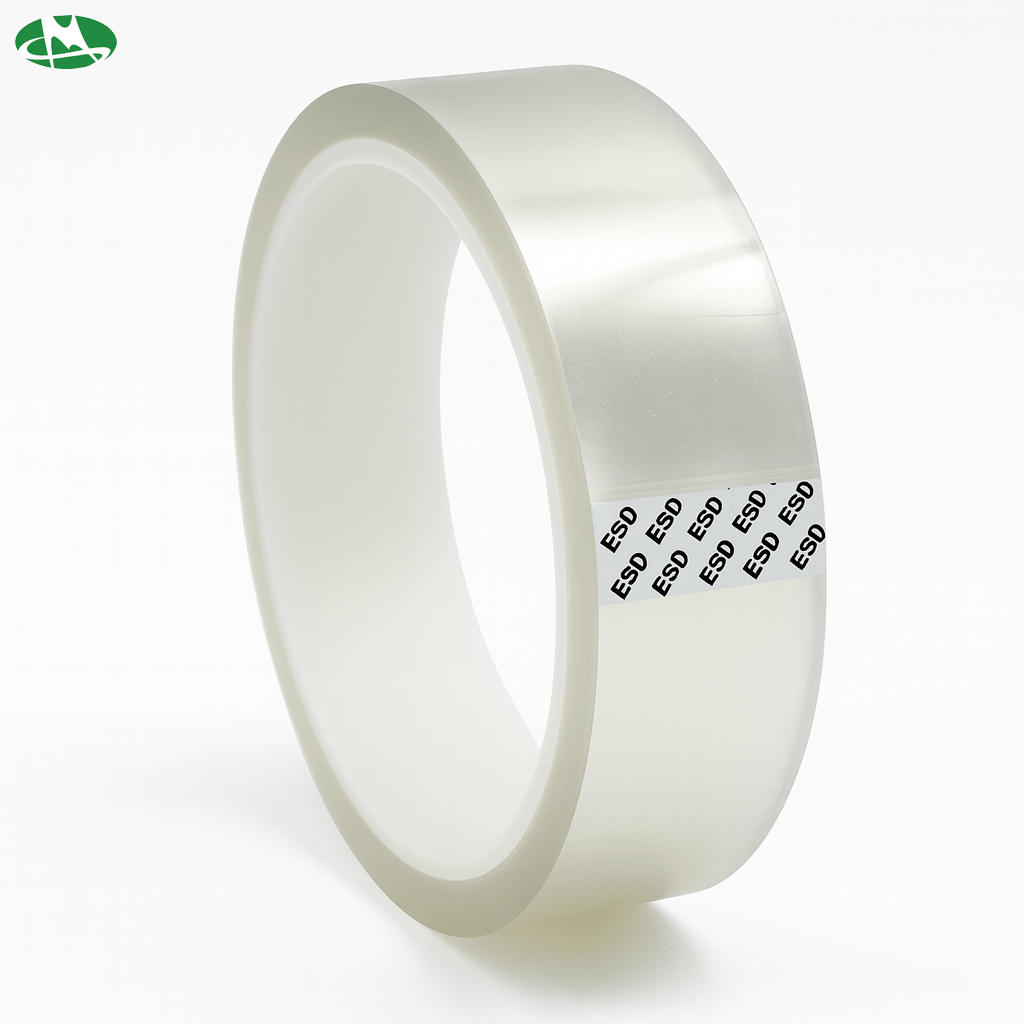
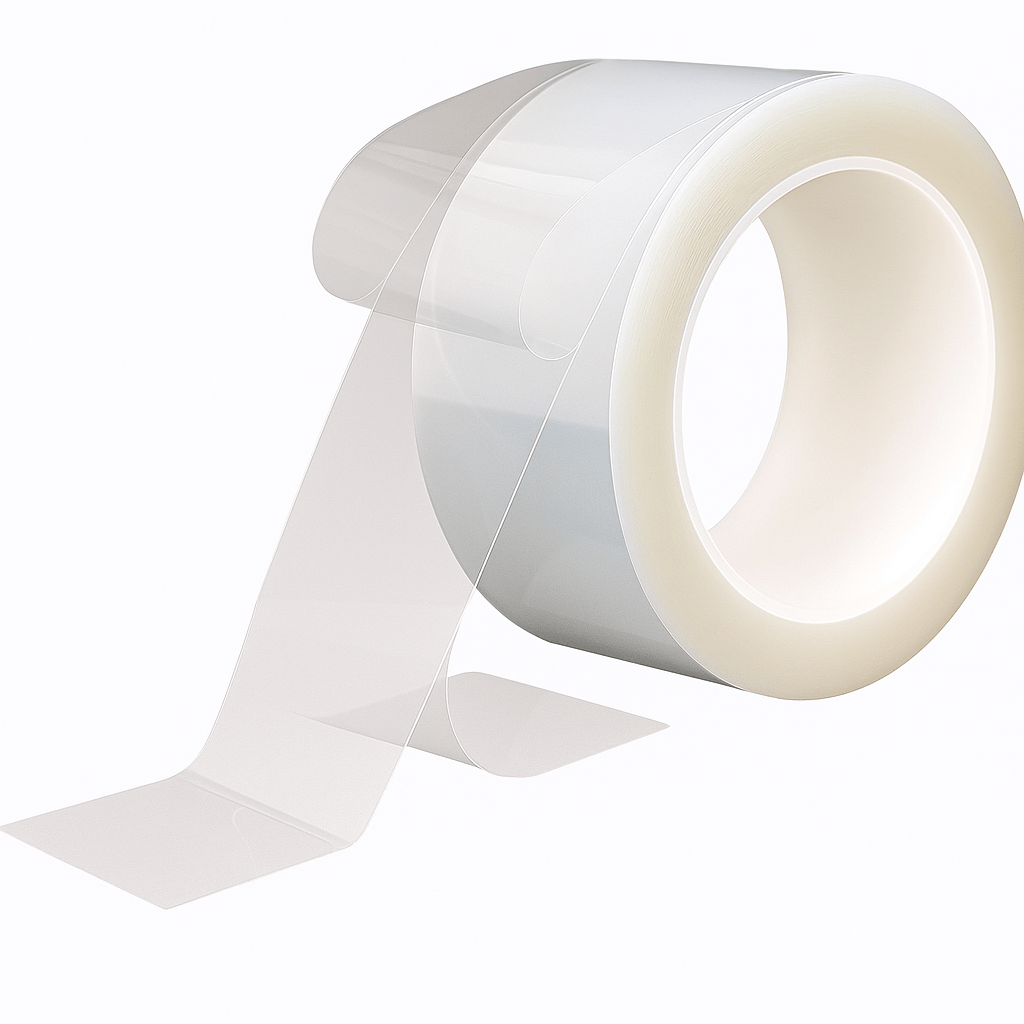
PET High Temperature Tape for Electronics Assembly
is masking tape the same as painters tape
Related Article
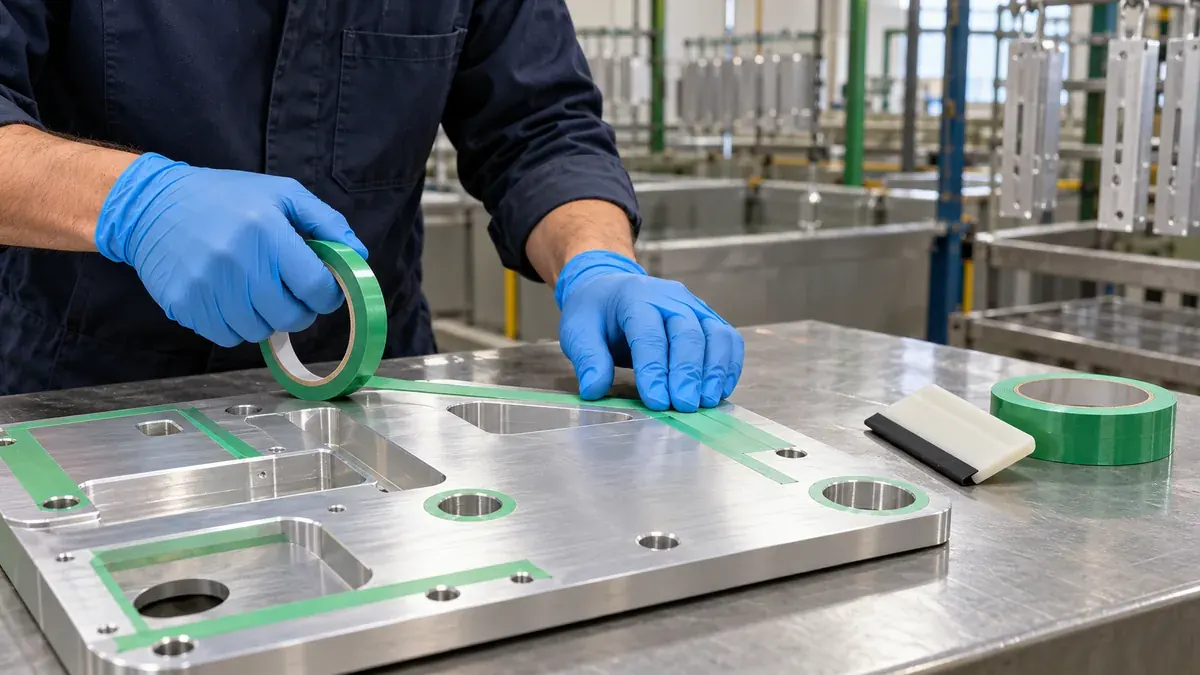
A process qualification guide for selecting, applying and validating PET silicone tape through a defined anodizing sequence.
How to Qualify PET Silicone Tape for Anodizing Masking
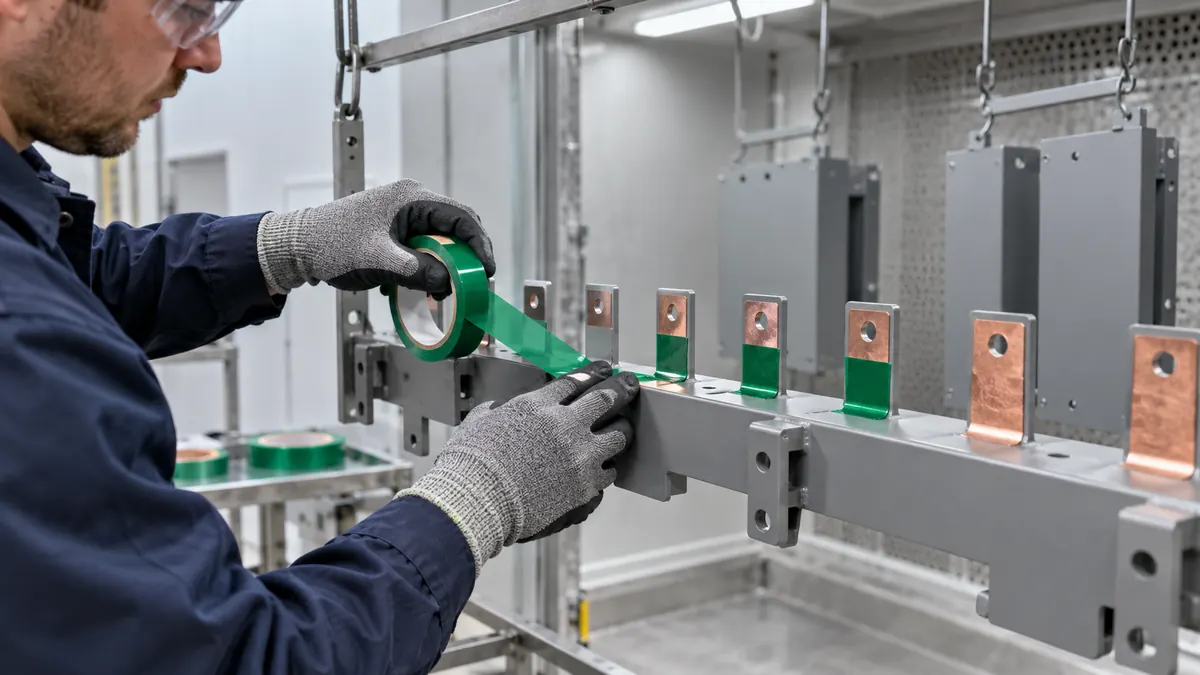
An application guide to defining, applying and validating PET silicone tape masks on busbar contact pads before powder coating.
PET Silicone Tape for Busbar Contact Pad Masking
Need help choosing the right industrial tape?
Send us your application details, including temperature, surface material, size, quantity and current problem. Our team will help recommend a suitable tape material or custom die-cut solution.

simon@jiaotaotao.com


+86-136 1277 5969

+86-136 1277 5969
