
Artists Masking Tape for Illustration & Commercial Art | Wholesale Supply Guide
Artists Masking Tape for Illustration & Commercial Art | Wholesale Supply Guide
Introduction: The Role of Masking Tape in Professional Illustration and Commercial Art
Professional illustration — whether for editorial publishing, book publishing, advertising, architectural visualization, or product design — operates at the intersection of artistic intent and technical precision. Illustrators, concept artists, architectural renderers, and visual communication professionals use masking tape in ways that are distinct from fine art painting, with requirements shaped by:
- Deadline pressure: Commercial illustration has production schedules; tape that fails wastes irreplaceable time
- Reproducibility: Work is often scanned or photographed; tape residue, staining, or surface damage creates post-production problems
- Mixed media: Commercial illustration increasingly combines traditional media (ink, gouache, watercolor) with digital post-production — tape must perform reliably across both traditional substrates and mixed-media surfaces
- Volume usage: Large studios and publishing houses use significant quantities of tape; B2B pricing and consistent supply matter
For distributors serving the commercial art supply market, understanding these requirements allows you to specify and position artists masking tape effectively for high-value B2B accounts.
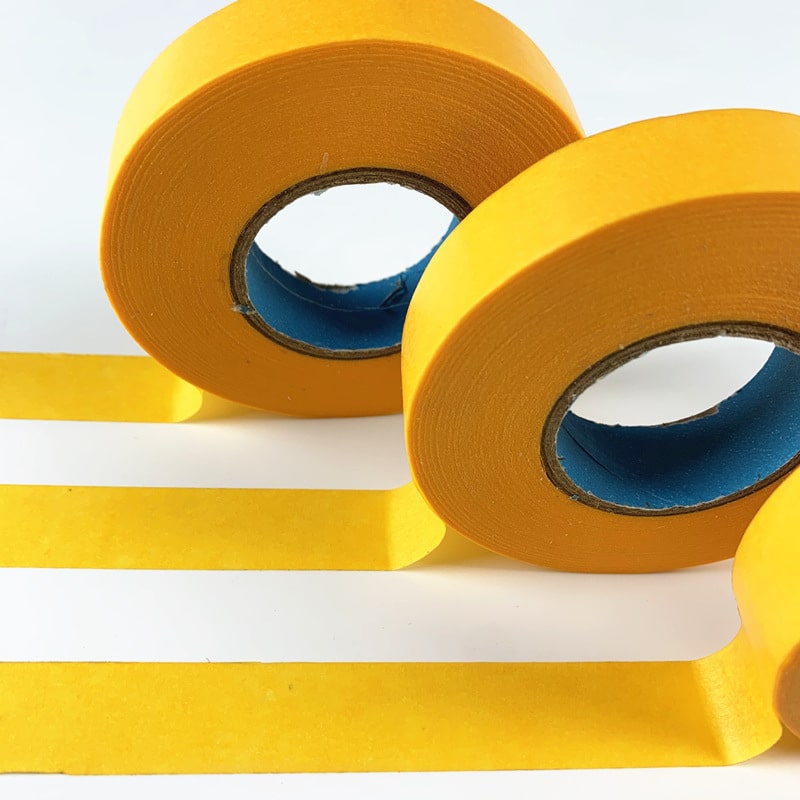
How Masking Tape Is Used in Professional Illustration Workflows
Architectural Rendering and Technical Illustration
Architectural renderers — producing hand-drawn or mixed-technique building visualizations for architects and developers — are among the most technically demanding users of masking tape. Their requirements:
Straight line masking: Architectural renderings require precise horizontal and vertical lines for building edges, window frames, and structural elements. Masking tape is applied along a straight edge (ruler or parallel motion), paint is applied, and tape is removed to reveal the line. Precision of the tape edge directly determines line quality.
Multi-layer masking sequences: Complex renderings involve 5–15+ tape applications across multiple rendering sessions. Each layer must release cleanly from previous paint layers without disturbing completed work.
Large format work: Architectural renderings are often produced at A1 (594 × 841 mm) to A0 (841 × 1189 mm) scale. Tape consumption per piece is significant; procurement teams for architectural design firms source tape in volume.
Substrate variety: Architectural renderers work on technical illustration board, drafting vellum, Mylar (polyester drafting film), and watercolor paper. Tape adhesion must be reliable across these varied surfaces.
Editorial and Publishing Illustration
Illustrators producing work for magazines, books, and digital publishing work under:
- Tight deadlines (same-day or next-day delivery for editorial)
- High technical quality standards (work is reproduced at large scale in print)
- Varied media: watercolor, gouache, ink, digital hybrid
Masking tape applications in editorial illustration:
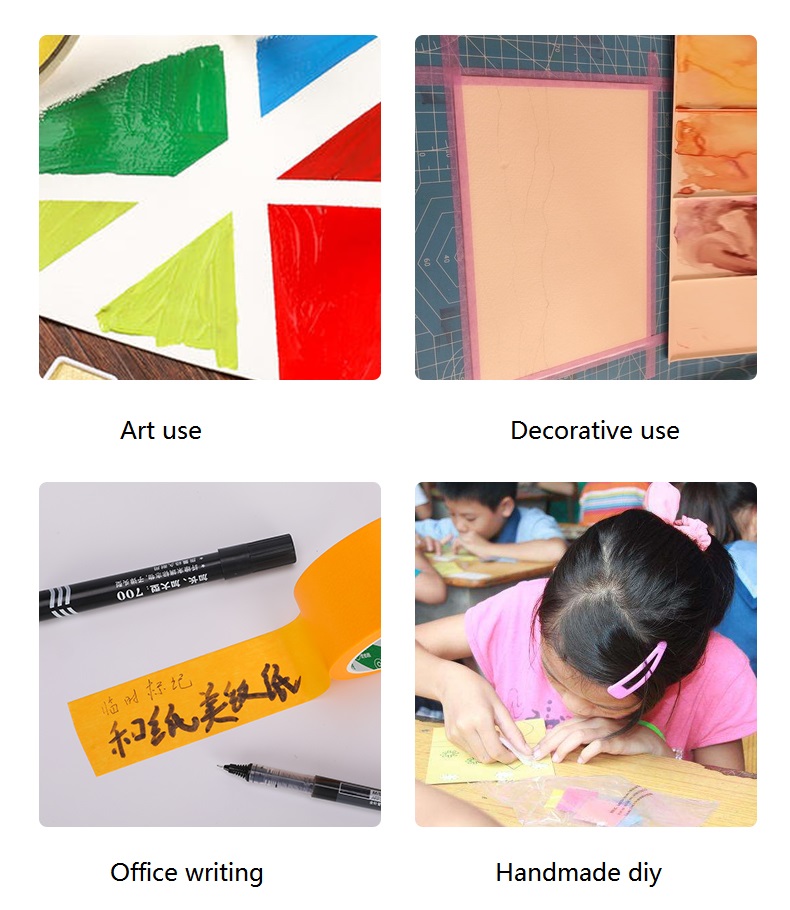
- Border creation (tape defines the illustration boundary; clean removal leaves a crisp white border)
- Color field masking (blocking out areas for flat color application)
- Paper stretching for watercolor-based work
Concept Art and Storyboarding
Concept artists for film, game development, and advertising agencies produce rapid visualizations requiring:
- Quick tape application without precise measurement
- Reliable release from multiple substrates (layout bond, tracing paper, card)
- No adhesive residue on work that will be photographed or scanned
Gouache and Mixed Media Commercial Work
Gouache (opaque watercolor) is widely used in commercial illustration for its flat, printable color qualities. Masking tape creates hard edges in gouache illustration. Key requirement: tape must release cleanly from the relatively water-soluble gouache layer — aggressive adhesives can lift or damage the paint film.
Technical Specifications for Illustration-Grade Masking Tape
Commercial illustration places specific demands on masking tape that differ from consumer art applications:
Precision Edge Definition
The quality of the masked edge under magnification determines reproduction quality. Key factors:
- Tape edge straightness: Factory-slit tape edges must be straight within ±0.1 mm to prevent wavy line defects
- Adhesive uniformity at edge: Any gaps or voids in adhesive at the tape edge allow paint to bleed — unacceptable in commercial work
- Backing thickness consistency: Uneven backing causes uneven adhesive pressure, creating intermittent edge seals
Multi-Layer Release Performance
Commercial illustration requires tape to release cleanly from:
- Watercolor on hot-press paper (smooth, relatively non-porous)
- Gouache on illustration board (semi-absorbent)
- Ink on Mylar/drafting film (smooth, low-energy surface)
- Acrylic paint on various surfaces
Tape adhesion must be in the "low-tack" range (typically 1.5–2.5 N/cm peel) to release from these varied surfaces without lifting paint.
Scannable White Surface
Masking tape used as a border tool (applied at the artwork edge, removed after painting to reveal a clean white border) must leave a pristine surface. Any adhesive residue or staining is immediately visible when the work is scanned. Acid-free, no-residue specification is essential.
The JTT-PMT120 Painter Masking Tape for Commercial Art Applications
The JTT-PMT120 crepe paper masking tape is suited for professional illustration and commercial art applications:
| Parameter | Specification | Illustration Relevance |
|---|---|---|
| Material | Crepe paper | Hand-tearable, conformable for curves |
| Adhesive | Rubber adhesive | Balanced adhesion for clean removal |
| Thickness | 0.12 mm | Low profile for paint edge definition |
| Temperature Resistance | 80–100°C | Studio lamp and light box safe |
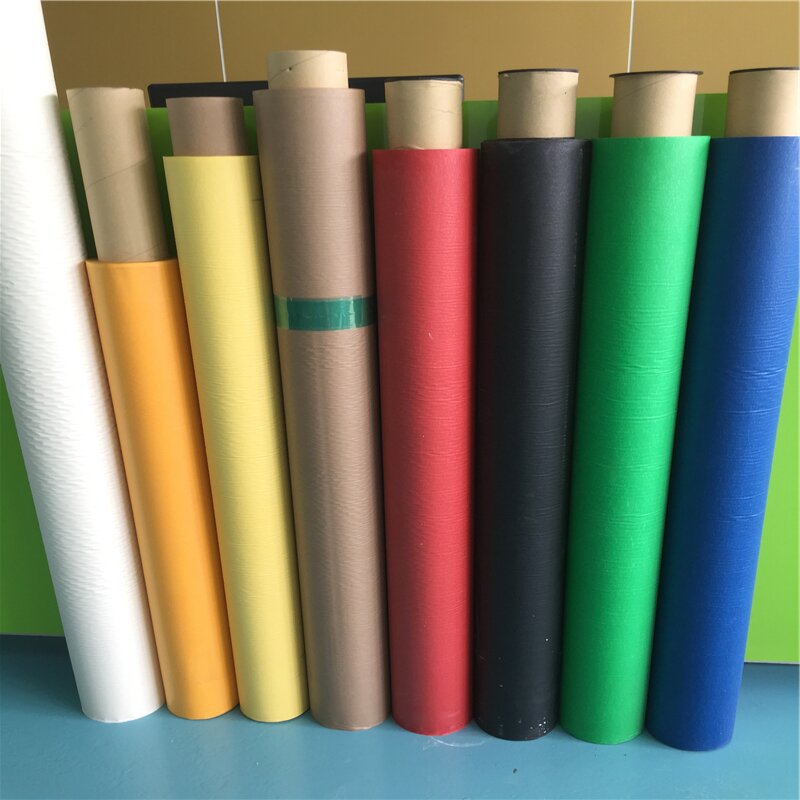
| Color | Natural beige / custom | Neutral color for studio work |
| Customization | Width, length, color, packaging | Custom widths for specialized illustration use |
For archival-quality illustration work where acid-free certification is required, the JTT-WT Series washi tape (low-tack acrylic adhesive, Japanese washi paper) provides the acid-free formulation needed for work intended for long-term preservation.

Width Selection for Illustration Applications
Illustration masking tape is used across a wider range of widths than most art applications:
| Width | Primary Illustration Use |
|---|---|
| 6–9 mm | Fine line masking, precision edges in small-scale detailed work |
| 12 mm | Standard line masking, architectural rendering edges |
| 18 mm | General illustration masking, small paper stretching |
| 24–25 mm | Medium-format paper securing, border creation |
| 36–38 mm | Large-format border creation, multi-width masking |
| 50 mm | Large illustration board preparation, backing protection |
Illustration-specific requirement: Many professional illustrators require multiple widths simultaneously. Distributors serving illustration studios should offer complete width ranges as a single-source supply program.
Institutional and Corporate Buyers in Commercial Illustration
Publishing Houses and Media Companies
Large publishing houses (magazines, book publishers, news organizations with art departments) maintain in-house art teams producing editorial illustration, layout work, and visual content. These teams:
- Use masking tape as a core consumable
- Prefer consistent product to minimize variation in creative process
- Often have centralized procurement responsible for art supply purchasing
- Value supplier relationships that simplify ordering and billing
Target purchase volume: Medium-to-large publishers may purchase 100–300 rolls per quarter across multiple widths. Annual art supply budgets at larger operations exceed significant thresholds.
Architecture and Interior Design Firms
Architectural design firms with hand-drafting and rendering capabilities — still a significant segment, particularly at high-end residential and luxury commercial practices — purchase masking tape for presentation rendering, model making, and material sampling. These are B2B accounts with centralized purchasing through facilities or studio management.
Animation Studios and Game Development
Pre-production at animation studios and game development companies involves significant traditional art production — storyboards, concept art, character design, environment design. Studios with large art teams purchase tape through studio supply programs.
Art School and University Supply Programs
Art colleges and university fine arts programs purchase masking tape for illustration and commercial art courses in volume. Institutional purchasing departments negotiate direct supplier relationships or work through approved distributors.
Differentiating Premium vs. Standard Masking Tape for Illustration
Many commercial art buyers have tried standard hardware-store masking tape and had negative experiences. The quality conversation with B2B buyers should focus on:
What standard tape does wrong in illustration:
- Adhesive residue that photographs as a ghost stain under studio lighting
- Backing tears during removal, leaving fragments embedded in paint layers
- Paint bleed at tape edge creating unclean lines in otherwise precise work
- Adhesive yellowing that stains white illustration boards
What professional illustration tape delivers:
- Clean removal without adhesive transfer — even after multi-session work
- Precise factory-slit edges for clean line definition
- Hand-tearability for rapid application without scissors (important under deadline)
- Consistent tack level that works across the varied substrates illustration professionals use
Positioning masking tape as a quality-determining material — not just a consumable — supports premium pricing and builds customer loyalty among professional illustrators.
Packaging Considerations for Art Supply Distribution
Retail Packaging for Art Supply Stores
Professional illustration masking tape sold through art supply retailers should be packaged to communicate product benefits:
- Clear benefit language: "clean removal," "acid-free," "for professional illustration"
- Width and length prominently displayed
- Individual wrapping to prevent adhesive damage in storage
Bulk Supply for Studios and Institutions
Art studios, animation companies, and publishing houses prefer bulk supply:
- Carton packs (24–48 rolls) without retail packaging — cost reduction
- Multiple-width cartons for comprehensive supply programs
- Consistent carton labeling with lot number and manufacturing date
Custom-Labeled Programs
Distributors serving corporate art departments and institutional buyers can differentiate through custom-labeled products — reinforcing their brand with professional buyers who value supplier relationships.
Conclusion: Illustration Masking Tape — Precision Product for Precision Buyers
Professional illustrators and commercial art buyers are demanding, technically knowledgeable customers who notice quality differences and make purchasing decisions based on performance rather than price alone. For distributors, this is a profitable segment with high repeat purchase rates and strong brand loyalty.
The key products for this segment:
- JTT-PMT120 Painter Masking Tape: Core illustration tape, crepe paper, rubber adhesive, multiple widths
- JTT-WT Series Washi Tape: Acid-free option for archival illustration work, low-tack acrylic, Japanese washi paper
Positioning these products on quality, precision, and professional performance — backed by correct technical specification and reliable supply — builds durable B2B relationships in the commercial art market.
Related Articles:
- Artists Masking Tape for Watercolor Painting: Complete B2B Specification Guide
- Artists Masking Tape for Oil Painting and Canvas: Studio and Procurement Guide
- UV Masking Tape for Graphic Arts and Screen Printing Applications
Product References:
JTT-PMT120 Painter Masking Tape | JTT-WT Series UV Washi Tape
High Temperature Masking Tape for Powder Coating | 180°C Silicone Tape Industrial Guide
Artists Masking Tape for Oil Painting & Canvas | Bulk Wholesale Supplier Guide
Related Article

Need help choosing the right industrial tape?
Send us your application details, including temperature, surface material, size, quantity and current problem. Our team will help recommend a suitable tape material or custom die-cut solution.

simon@jiaotaotao.com


+86-136 1277 5969


+86-136 1277 5969
