
Acetate Tape Guide
Acetate Tape Guide
Table of Contents
Direct Answer
Acetate tape is a pressure-sensitive adhesive tape made from cellulose acetate film, designed primarily for electrical insulation, coil wrapping, and cable harnessing. It is known for its high dielectric strength, conformability, and clean unwind properties in industrial applications.
Quick Facts
Material type: Cellulose acetate film
Adhesive system: Acrylic / rubber-based
Temperature resistance: 105°C – 130°C
Dielectric strength: 5–7 kV
Core uses: Coil insulation, transformer wrapping, cable harnessing

What is Acetate Tape
Acetate tape is constructed using a cellulose acetate backing combined with pressure-sensitive adhesive. The material provides flexibility, dielectric insulation, and good mechanical strength, making it suitable for electrical applications.
Unlike PET or PVC tapes, acetate tape offers excellent conformability, allowing it to wrap tightly around irregular shapes such as coils and wires. It is commonly used in transformers, motors, and electronic assemblies.
Product reference:
acetate tape for transformer insulation and coil wrapping
Why Acetate Tape is Used for Industrial Applications
High dielectric strength
Provides reliable electrical insulation for low to medium voltage systems.
Excellent heat resistance
Maintains performance up to 105°C–130°C, suitable for electrical equipment.
Chemical stability & solvent resistance
Offers moderate resistance to oils and chemicals, supporting industrial durability.
Mechanical durability
Combines strength with flexibility, enabling tight wrapping and secure bundling.

Key Types of Acetate Tape
- Single-sided acetate tape – standard insulation applications
- Flame-retardant acetate tape – compliant with safety standards
- Colored acetate tape – used for identification and coding
- Wire harness acetate tape – designed for bundling applications
Factors That Affect Acetate Tape Performance
- Thickness: Influences insulation capability
- Backing quality: Determines flexibility and durability
- Adhesive type: Acrylic for durability, rubber for quick tack
- Temperature rating: Must align with application environment
Acetate Tape Specifications and Technical Data
| Parameter | Typical Value |
|---|---|
| Thickness | 0.08 mm – 0.15 mm |
| Adhesive Type | Acrylic / Rubber |
| Temperature Resistance | 105°C – 130°C |
| Tensile Strength | 80–150 N/25mm |
| Dielectric Strength | 5–7 kV |
| Elongation | 10% – 25% |
Reference standards:
ASTM International standards
UL certification requirements
Industrial Applications of Acetate Tape
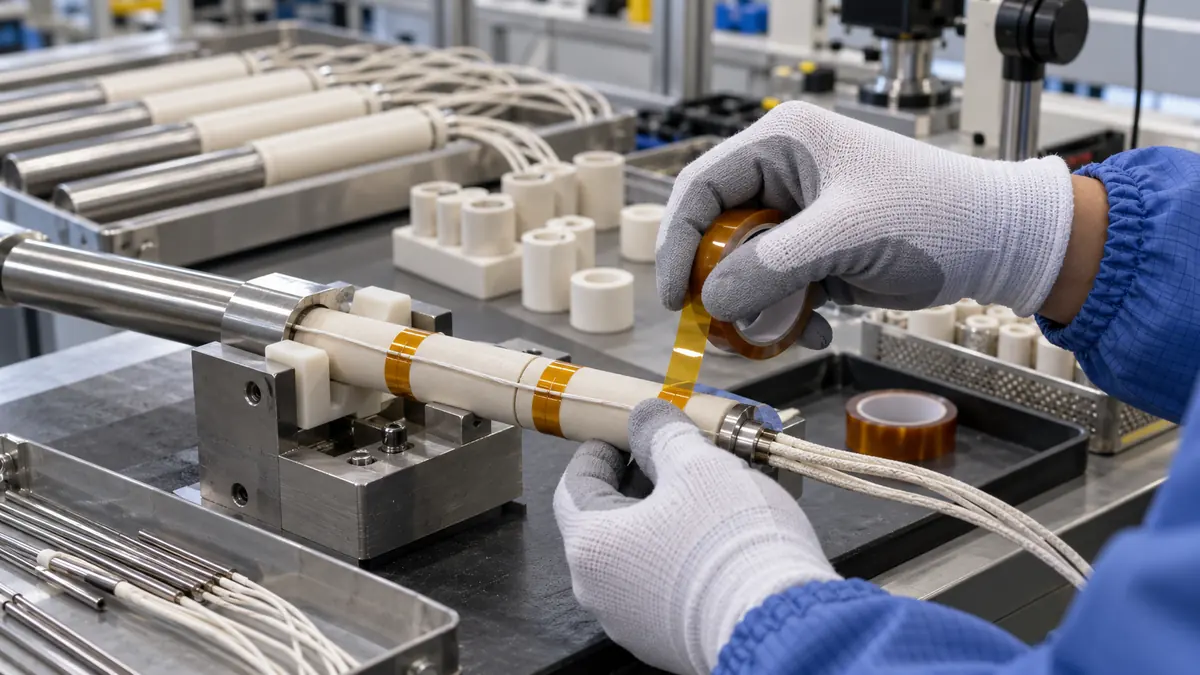
- Transformer insulation: Wraps coils to prevent electrical faults
- Motor winding: Provides insulation and mechanical protection
- Cable harnessing: Bundles wires securely with flexibility
- Electronics assembly: Used for insulation and masking tasks

How to Choose the Right Acetate Tape
Step 1: Confirm operating temperature
Ensure compatibility with equipment heat levels.
Step 2: Choose backing thickness
Thicker tapes provide stronger insulation.
Step 3: Select adhesive type
Choose based on adhesion strength and environment.
Step 4: Evaluate manufacturer certifications
Check compliance with UL, ISO, and RoHS.
Where to Buy High-Quality Acetate Tape
- Bulk purchasing available
- Custom width and die-cutting supported
- OEM manufacturing capabilities
- Global logistics support
Product sourcing:
industrial acetate tape for electrical insulation applications
Related solutions:
industrial adhesive tape manufacturer
acetate insulation tape supplier
FAQ (People Also Ask)
Is acetate tape heat resistant?
Acetate tape can typically withstand temperatures between 105°C and 130°C, depending on adhesive formulation and backing thickness.
Can acetate tape be used for electrical insulation?
Yes, it provides reliable dielectric strength and is widely used in transformers and motors.
What is acetate tape made of?
It is made from cellulose acetate film combined with pressure-sensitive adhesive.
Is acetate tape flexible?
Yes, it offers high conformability, making it suitable for irregular surfaces.
Can acetate tape be die-cut?
Yes, it supports die-cutting for OEM and custom applications.
What industries use acetate tape?
Electrical, electronics, automotive, and manufacturing industries use it.
Does acetate tape leave residue?
High-quality acetate tape is designed for clean removal with minimal residue.
Conclusion & Industrial CTA
Acetate tape provides a balance of electrical insulation, flexibility, and durability, making it suitable for a wide range of industrial applications.
For OEM customization, bulk supply, and global distribution:
Request a Quote:
https://www.clothadhesive.com/

Double Sided Thermal Tape Guide
Is Mylar Tape Conductive?
Related Article
Need help choosing the right industrial tape?
Send us your application details, including temperature, surface material, size, quantity and current problem. Our team will help recommend a suitable tape material or custom die-cut solution.

simon@jiaotaotao.com


+86-136 1277 5969


+86-136 1277 5969
