
How Does ESD Tape Work? (Complete Guide)
How Does ESD Tape Work? (Complete Guide)
Target Audience: Electronics manufacturers, engineers, procurement managers, and industrial buyers.
ESD tape works by preventing the buildup and discharge of static electricity through controlled conductivity or static-dissipative materials. It either dissipates electrostatic charges safely or shields sensitive components from electrostatic discharge (ESD), protecting electronic devices during manufacturing, assembly, and packaging.
What Is ESD Tape?
ESD (Electrostatic Discharge) tape is a specialized adhesive tape designed to control static electricity. Unlike regular tapes, it is engineered with anti-static or conductive properties to prevent damage to sensitive electronic components such as PCBs, semiconductors, and microchips.

How Does ESD Tape Work?
1. Static Dissipation Mechanism
ESD tape uses materials with controlled electrical resistance. When static charge builds up, the tape:
- Slowly dissipates the charge into the environment
- Prevents sudden electrostatic discharge
- Maintains a safe voltage level
2. Surface Resistivity Control
Most ESD tapes are designed with a surface resistivity range of:
- 10⁶ to 10¹¹ ohms (static dissipative)
- <10⁵ ohms (conductive types)
3. Charge Neutralization
Some advanced ESD tapes include anti-static coatings that:
- Reduce triboelectric charging
- Minimize friction-generated static
4. Shielding Effect (Advanced Types)
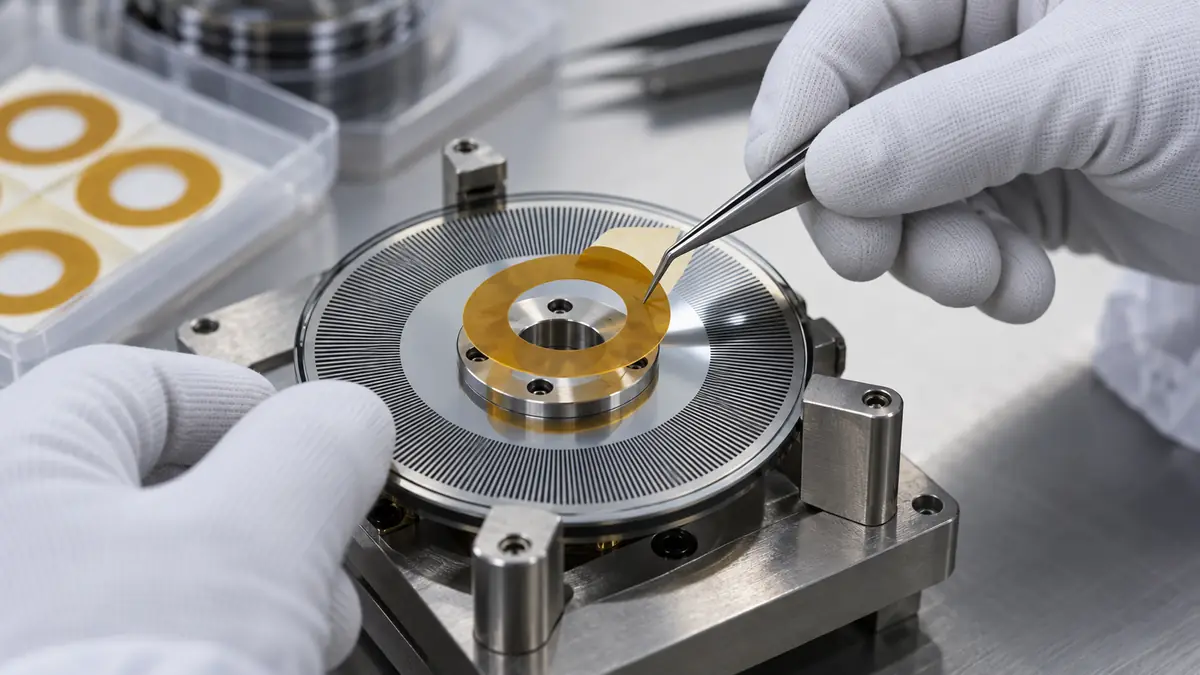
Certain ESD tapes (especially polyimide-based) can provide partial shielding against external electrostatic fields, adding another layer of protection.

Types of ESD Tape
| Type | Material | Key Function | Application |
|---|---|---|---|
| ESD Polyimide Tape | Polyimide Film | High-temp + anti-static | PCB soldering, SMT |
| ESD PET Tape | Polyester | General anti-static | Packaging, assembly |
| Conductive Grid Tape | Plastic + conductive grid | Static shielding | IC packaging |
Why ESD Protection Is Critical in Industry
Electrostatic discharge can cause:
- Component failure (immediate damage)
- Latent defects (hidden reliability issues)
- Production yield loss
- High warranty and recall costs
Key Applications of ESD Tape
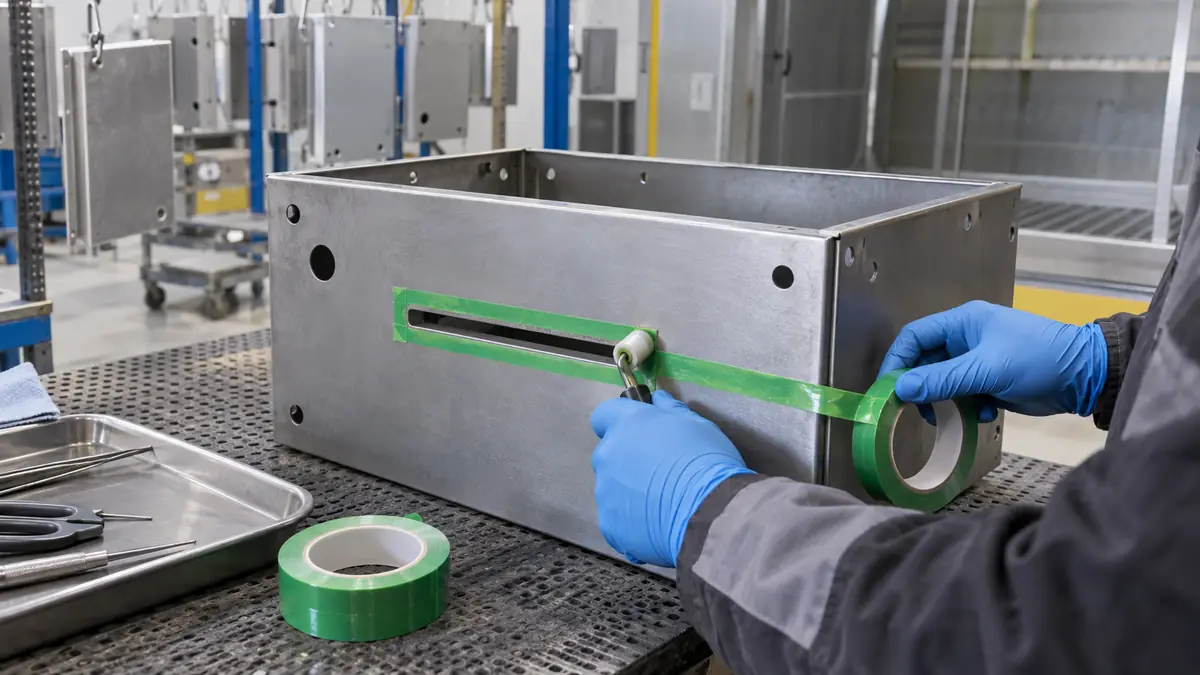
- PCB masking during soldering
- Semiconductor packaging
- Electronics assembly lines
- Cleanroom environments
- Battery and EV manufacturing
How to Choose the Right ESD Tape
1. Temperature Resistance
For high-heat processes like wave soldering, choose polyimide ESD tape.
2. Adhesion Strength
Ensure compatibility with surfaces like metal, plastic, or glass.
3. Static Performance
Select between conductive or dissipative based on sensitivity level.
4. Thickness & Flexibility
Thinner tapes are better for precision masking.
Recommended Product
For high-performance industrial applications, explore:
This product offers:
- High temperature resistance
- Stable ESD performance
- Excellent dielectric strength
- Residue-free removal
People Also Ask (PAA)
Is ESD tape conductive?
Some ESD tapes are conductive, but most are static-dissipative, meaning they safely discharge static without conducting electricity like metal.
Can ESD tape prevent static completely?
No. It controls and dissipates static rather than eliminating it entirely.
What is the difference between anti-static and ESD tape?
Anti-static tape prevents charge buildup, while ESD tape actively dissipates or shields against electrostatic discharge.
Is Kapton tape ESD safe?
Standard Kapton tape is not ESD-safe unless specially treated with anti-static or conductive coatings.
Conclusion
Understanding how ESD tape works is essential for maintaining product reliability in electronics manufacturing. By using controlled conductivity and anti-static materials, ESD tape plays a critical role in protecting sensitive components from electrostatic damage.
Black Kapton Tape: The Ultimate Industrial Guide (2026 Edition)
Is Kapton Tape Electrically Conductive?
Related Article

Need help choosing the right industrial tape?
Send us your application details, including temperature, surface material, size, quantity and current problem. Our team will help recommend a suitable tape material or custom die-cut solution.

simon@jiaotaotao.com


+86-136 1277 5969


+86-136 1277 5969
