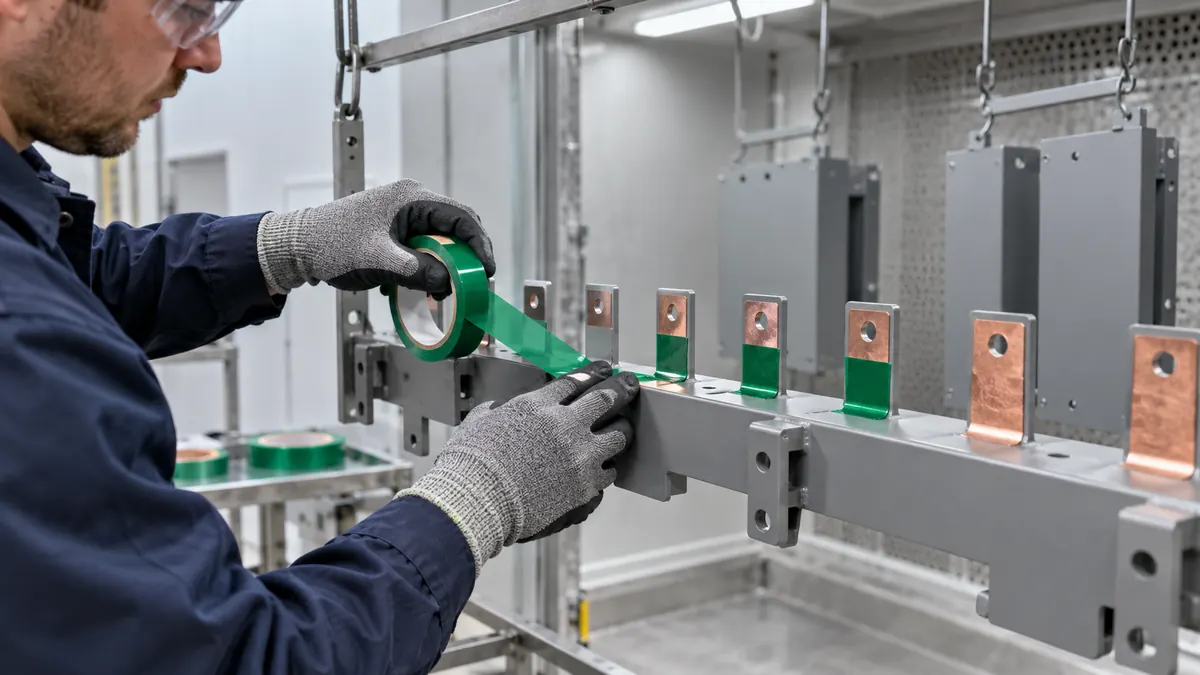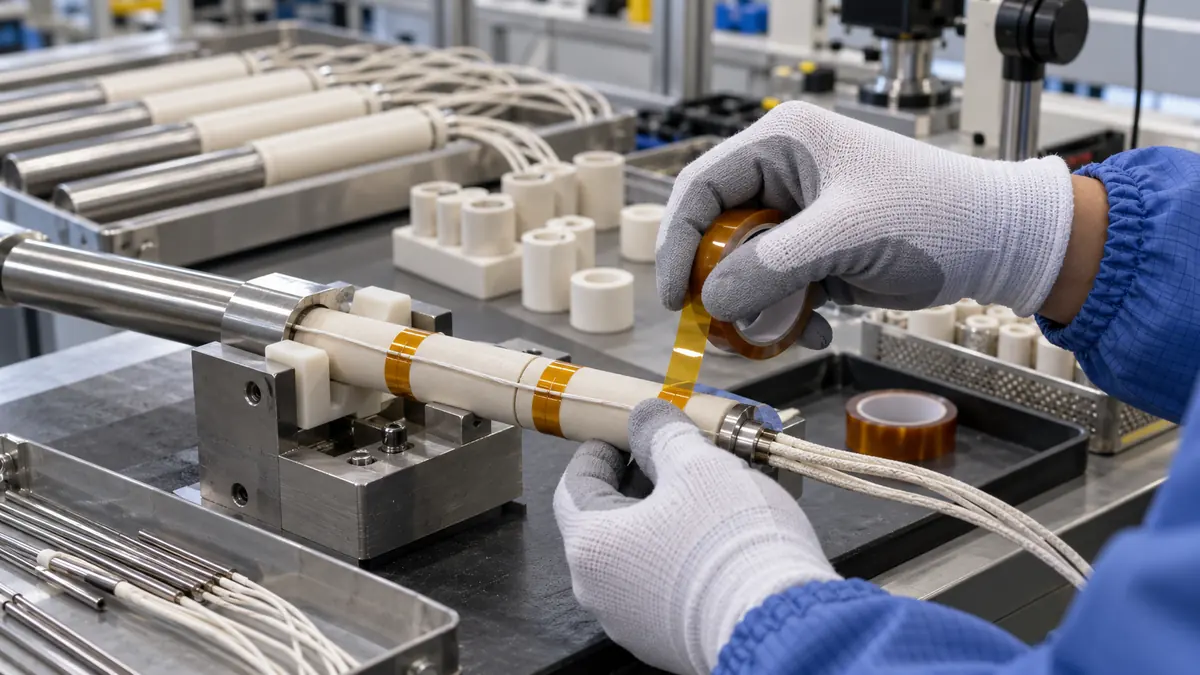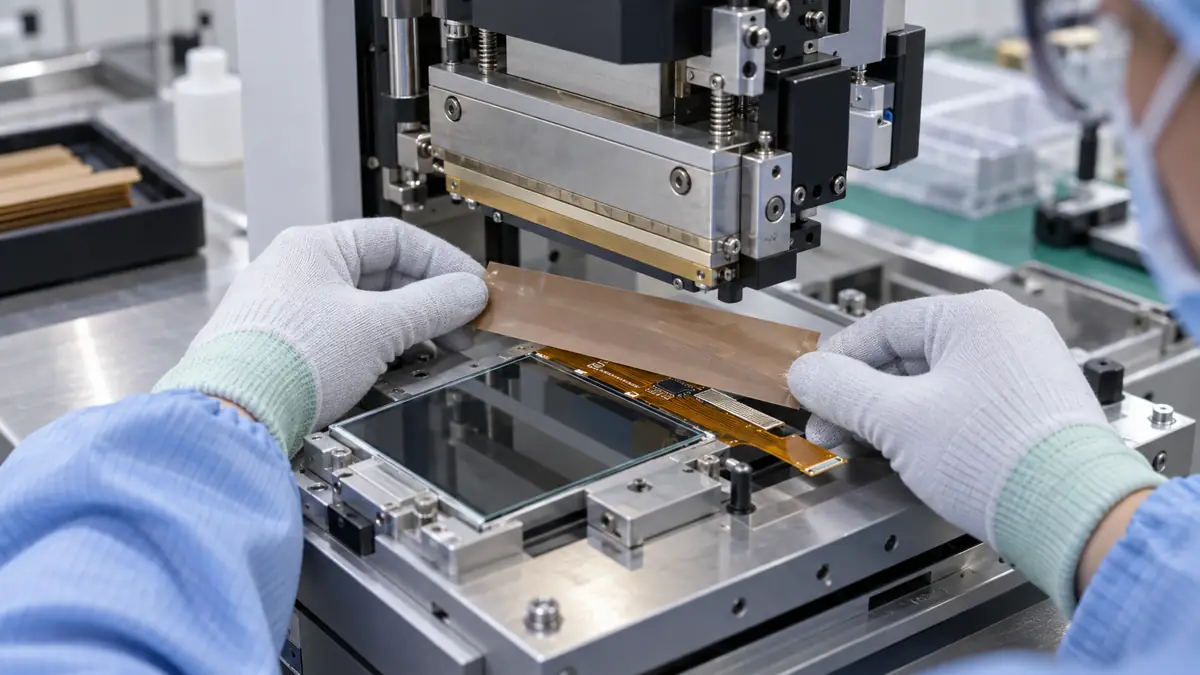
Home Solutions Application Solutions Polyimide Film Tape: A Comprehensive Analysis of Its Characteristics, Applications, and Future Trends
Polyimide Film Tape: A Comprehensive Analysis of Its Characteristics, Applications, and Future Trends
2025-05-24
Polyimide Film Tape
Polyimide film tape has emerged as a cornerstone material in advanced manufacturing, valued for its unique blend of thermal, mechanical, and electrical properties. Below is an in-depth exploration of its attributes, real-world uses, and evolving industry trends.
1. Key Characteristics: Engineered for Extreme Performance
Thermal Resistance
- Operating Range: Withstands continuous use at up to 260°C (500°F) and short-term spikes to 400°C, outperforming most organic polymers.
- Mechanism: The aromatic ring structure of polyimide chains resists thermal degradation, making it ideal for aerospace components near jet engines or automotive exhaust systems.
Mechanical Strength
- Tensile Strength: Typically 100–150 MPa, comparable to aluminum alloys, with high tear resistance (50–100 N/mm) that maintains integrity under tension or flexing.
- Application Example: In flexible electronics, it withstands repeated bending without cracking, enabling durable foldable displays.
Electrical Insulation
- Dielectric Strength: 100–300 kV/mm, blocking current flow while maintaining thin profiles (25–125 μm).
- Electronics Use: Insulates high-voltage wires in electric vehicles or seals microchips to prevent short circuits.
Chemical & Radiation Resistance
- Chemical Compatibility: Resists acids, bases, and solvents (e.g., acetone, gasoline), though polar solvents may degrade it over time.
- Radiation Tolerance: Withstands gamma rays and UV exposure, critical for space applications (e.g., satellite wiring).
2. Diverse Applications Across Industries
| Industry | Use Cases | Technical Rationale |
|---|---|---|
| Electronics | PCB masking, wire harnessing, semiconductor wafer dicing, flexible circuit bonding. | Thermal stability during soldering (200–250°C) and dielectric protection. |
| Aerospace | Engine compartment insulation, fuel tank sealing, composite structure reinforcement. | Resistance to jet fuel, ozone, and extreme temperature fluctuations (-50°C to +200°C). |
| Automotive | EV battery pack insulation, engine wiring, exhaust system heat shielding. | Flame retardancy (UL94 V-0 rating) and resistance to engine oils. |
| Renewable Energy | Solar panel wire encapsulation, wind turbine generator insulation. | UV resistance and long-term outdoor durability. |
| Wearable Tech | Stretchable sensor substrates, smart textile connectors. | Flexibility (bend radius <1 mm) and biocompatibility (for medical wearables). |
3. Future Trends: Shaping the Next Generation
1. Customization for Niche Markets
- High-Temperature Formulations: Development of polyimide tapes with >300°C continuous use ratings for next-gen aerospace engines.
- Adhesive Innovations: Pressure-sensitive adhesives (PSAs) optimized for low-surface-energy plastics (e.g., Teflon) or reworkable adhesives that allow component removal without residue.
2. Sustainability-Driven Innovations
- Bio-Based Polyimides: Research into plant-derived monomers (e.g., from castor oil) to reduce petroleum dependency.
- Recycling Technologies: Solvent-based recycling processes to recover polyimide from waste tape, addressing e-waste concerns.
3. Integration with Emerging Technologies
- Flexible Hybrid Electronics: Thinner tapes (10–15 μm) for foldable devices, paired with conductive adhesives for integrated circuits.
- Additive Manufacturing: Polyimide tape as a build platform or support material for 3D-printed high-temperature components.
4. Miniaturization and Precision
- Nano-Coating Techniques: Atomic layer deposition (ALD) to apply nanoscale polyimide layers for microelectronics.
- Ultra-Thin Films: Sub-25 μm tapes for semiconductor wafer thinning and advanced packaging.
4. Market Dynamics and Growth Drivers
- Demand Projection: The global polyimide film tape market is expected to grow at 7–9% CAGR through 2030, fueled by EV electrification, 5G infrastructure, and aerospace expansion.
- Regional Hotspots: Asia-Pacific dominates production (60% of capacity), with China and Japan leading in high-purity film manufacturing.
5. Challenges and Mitigation Strategies
- Cost Pressures: High raw material costs (e.g., pyromellitic dianhydride) drive manufacturers to optimize synthesis via continuous polymerization processes.
- Processing Complexity: Polyimide formation requires high-temperature imidization, prompting development of low-temperature cure systems (e.g., UV-curable polyimides).
Polyimide film tape
A Material at the Forefront of Innovation
Polyimide film tape’s unique property matrix—combining thermal resilience, electrical insulation, and mechanical durability—positions it as a critical enabler for next-gen technologies. As industries demand higher performance, sustainability, and customization, the material’s evolution will be defined by R&D in niche formulations, eco-friendly processes, and integration with emerging applications. From space exploration to wearable health tech, polyimide film tape is set to remain a cornerstone of advanced manufacturing for decades to come.
Dielectric Polyimide Tape: The Ultimate Solution for High-Performance Electrical Insulation
Kapon Polyimide Tape: Unveiling the Features and Advantages
Related Article
A practical guide to light-blocking materials, die-cut frame geometry, liner design, lamination, and optical validation for LCD backlight assemblies.
Custom Die-Cut Tape for LCD Backlight Light-Leak Control
How to select, install, inspect, and replace PTFE-coated tape on textile fusing press platens and non-stick machine contact surfaces.
PTFE Tape for Textile Fusing Press Platen Protection
Need help choosing the right industrial tape?
Send us your application details, including temperature, surface material, size, quantity and current problem. Our team will help recommend a suitable tape material or custom die-cut solution.