
Kapon Polyimide Tape: Unveiling the Features and Advantages
2025-05-24

Kapon Polyimide Tape | Features and Advantages
1. Extreme Temperature Resistance: Thriving in Harsh Environments
Kapon polyimide tape is engineered to excel in high-temperature applications, a critical advantage for industries like aerospace, automotive, and electronics.
- Temperature Range: The tape typically maintains structural integrity and adhesive performance within a range of -269°C to +260°C (-452°F to +500°F), with some formulations capable of short-term exposure to even higher temperatures (e.g., up to 400°C for brief periods).
- Aerospace Applications: In aircraft engine compartments or exhaust systems, where components face continuous heat stress, Kapon tape resists thermal degradation, preventing delamination or loss of insulation. For example, it may be used to secure wiring harnesses in areas near jet engines.
- Testing Standards: The tape undergoes rigorous thermal cycling tests (e.g., repeated heating and cooling between extreme temperatures) and long-term heat aging tests to validate its durability. Manufacturers often provide data on weight loss, tensile strength retention, and adhesive performance after thermal exposure.
2. Adhesion Properties: Balancing Tack, Strength, and Versatility
Kapon’s adhesive formulation is optimized to deliver reliable performance across diverse substrates and applications.
- Initial Tack: The tape offers immediate adhesion upon contact, crucial for holding components in place during electronic assembly or temporary bonding. This is particularly valuable in automated manufacturing lines where quick placement is essential.
- Peel Strength & Substrate Compatibility:
- Metals (e.g., aluminum, stainless steel): High peel strength ensures secure bonding without residue upon removal.
- Plastics (e.g., PC, ABS): The adhesive is formulated to avoid damaging low-surface-energy plastics, making it suitable for masking or component mounting.
- Glass and Ceramics: The tape adheres well to smooth surfaces while allowing clean release, ideal for semiconductor wafer processing or glass panel fabrication.
- Application Considerations: Surface preparation (e.g., cleaning with isopropyl alcohol) and temperature during bonding (e.g., preheating for optimal adhesion) can enhance performance.
3. Chemical Resistance: Withstanding Aggressive Environments
Kapon polyimide tape demonstrates robust resistance to a wide range of chemicals, making it suitable for industries like chemical processing, pharmaceuticals, and energy.
- Resistant Substances:
- Acids (e.g., sulfuric, hydrochloric)
- Bases (e.g., sodium hydroxide)
- Solvents (e.g., acetone, toluene)
- Oils, fuels, and hydraulic fluids
- Testing Protocols: The tape is immersed in chemicals for extended periods (e.g., weeks or months) and evaluated for signs of swelling, discoloration, or loss of adhesive strength. For example, in pharmaceutical equipment, it may be used to seal components exposed to cleaning agents like hydrogen peroxide.
- Limitations: While resistant to most chemicals, it may show reduced performance in contact with highly polar solvents (e.g., dimethyl sulfoxide) or prolonged exposure to strong oxidizers.
4. Market Differentiation: Why Kapon Stands Out
Kapon differentiates itself through a combination of technical excellence, brand reputation, and application-specific innovations.
- Technical Advantages:
- Enhanced Dielectric Strength: Suitable for high-voltage electrical insulation (e.g., in transformers or motors).
- UV and Radiation Resistance: Maintains performance in outdoor or space applications where exposure to UV or cosmic rays is a concern.
- Thin-Film Formulations: Enables use in precision electronics where minimal thickness is critical (e.g., flexible circuits).
- Quality and Compliance: Kapon products often meet industry standards (e.g., NASA outgassing requirements, UL flammability ratings) and undergo strict quality control, ensuring consistency across batches.
- Customer-Centric Solutions: The brand offers customized tape designs (e.g., specific widths, adhesive types, or release liners) and technical support to address unique application challenges.
5. Applications Across Industries
- Electronics: Masking during PCB soldering, wire harness insulation, semiconductor wafer dicing.
- Aerospace: Thermal insulation in aircraft components, cable bundling in high-heat zones.
- Automotive: Engine compartment wiring, exhaust system sealing, battery pack insulation.
- Energy: Insulation for solar panel wiring, high-temperature gaskets in power plants.
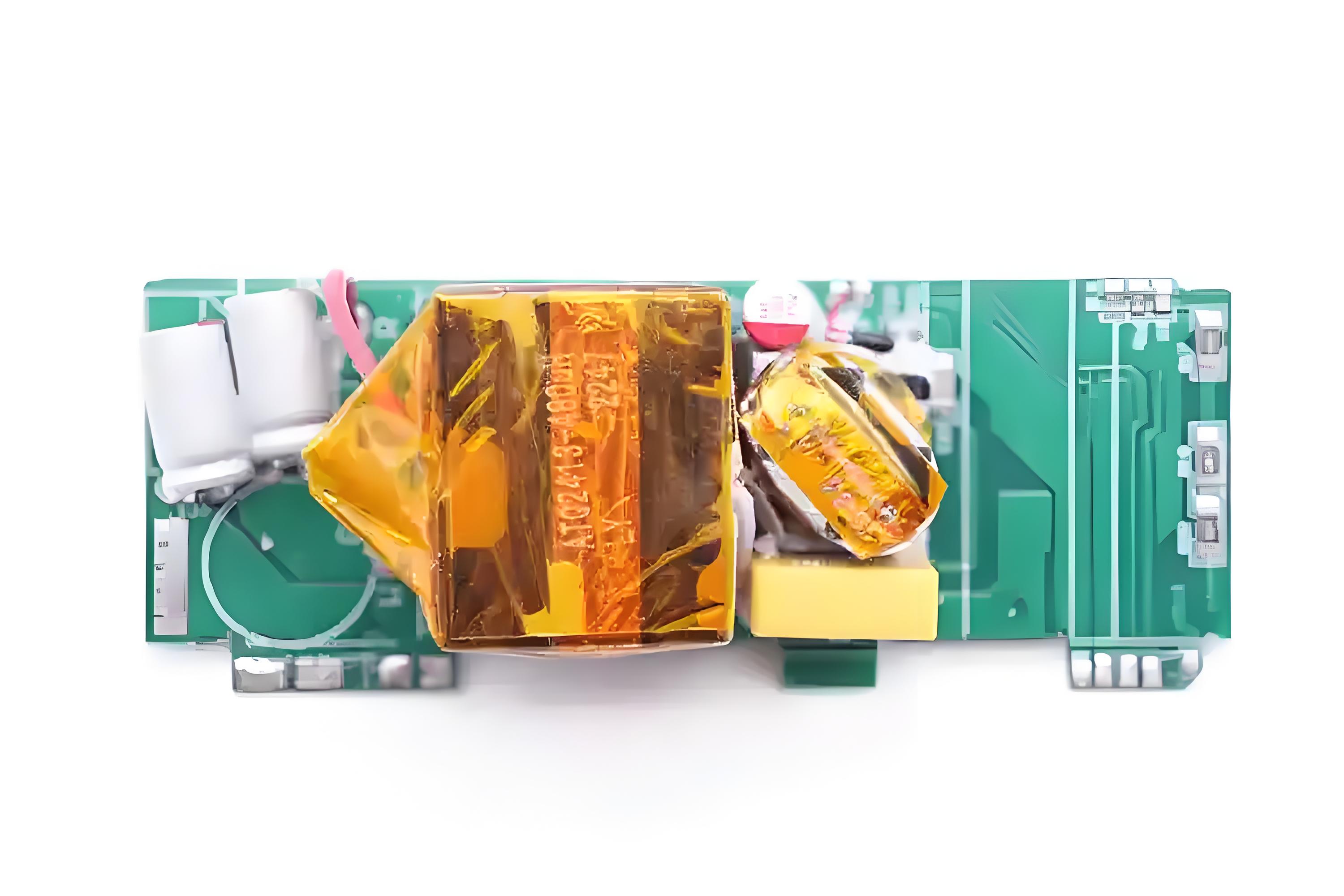
Harnessing the Power of Kapon Polyimide Tape
Kapon polyimide tape combines extreme temperature resilience, versatile adhesion, and chemical resistance to address the most demanding industrial needs. By understanding its performance boundaries and leveraging its unique features, users can optimize its use in applications where reliability and durability are non-negotiable. Whether in high-heat aerospace environments or precision electronics manufacturing, Kapon’s technical innovations and market leadership make it a trusted choice for high-performance adhesive solutions.
Polyimide Film Tape: A Comprehensive Analysis of Its Characteristics, Applications, and Future Trends
PET Heat-Resistant Tape – 230°C High-Temp Adhesive for PCB & Metal Fixing
Related Article
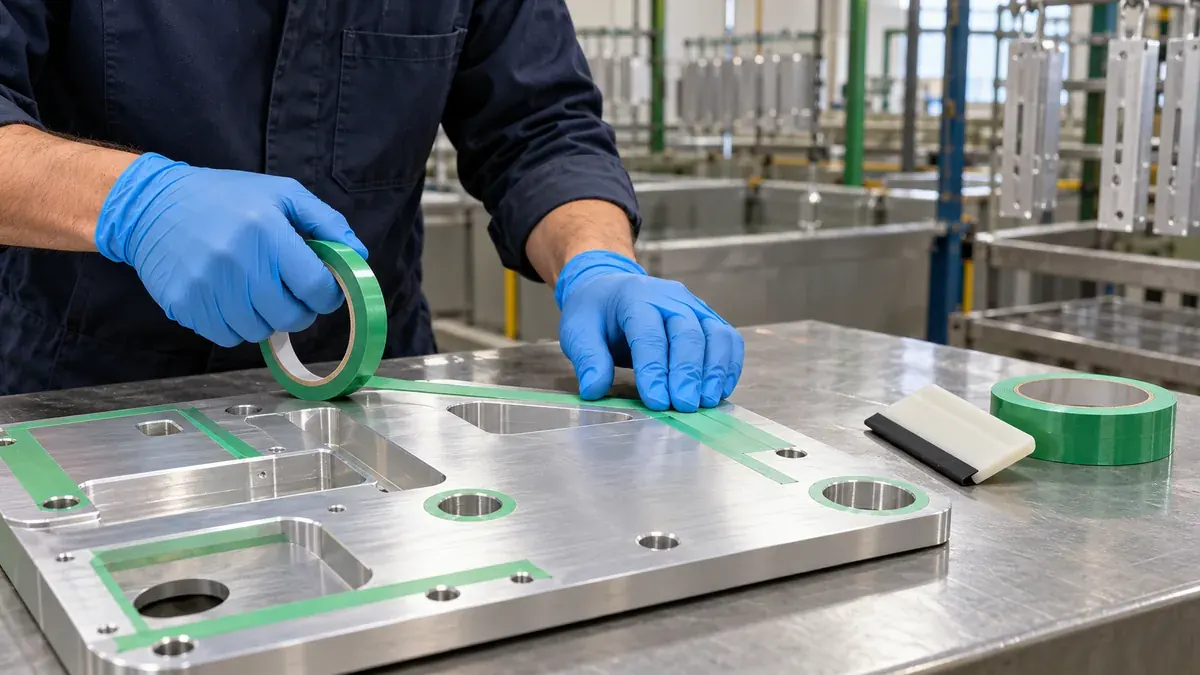
A process qualification guide for selecting, applying and validating PET silicone tape through a defined anodizing sequence.
How to Qualify PET Silicone Tape for Anodizing Masking
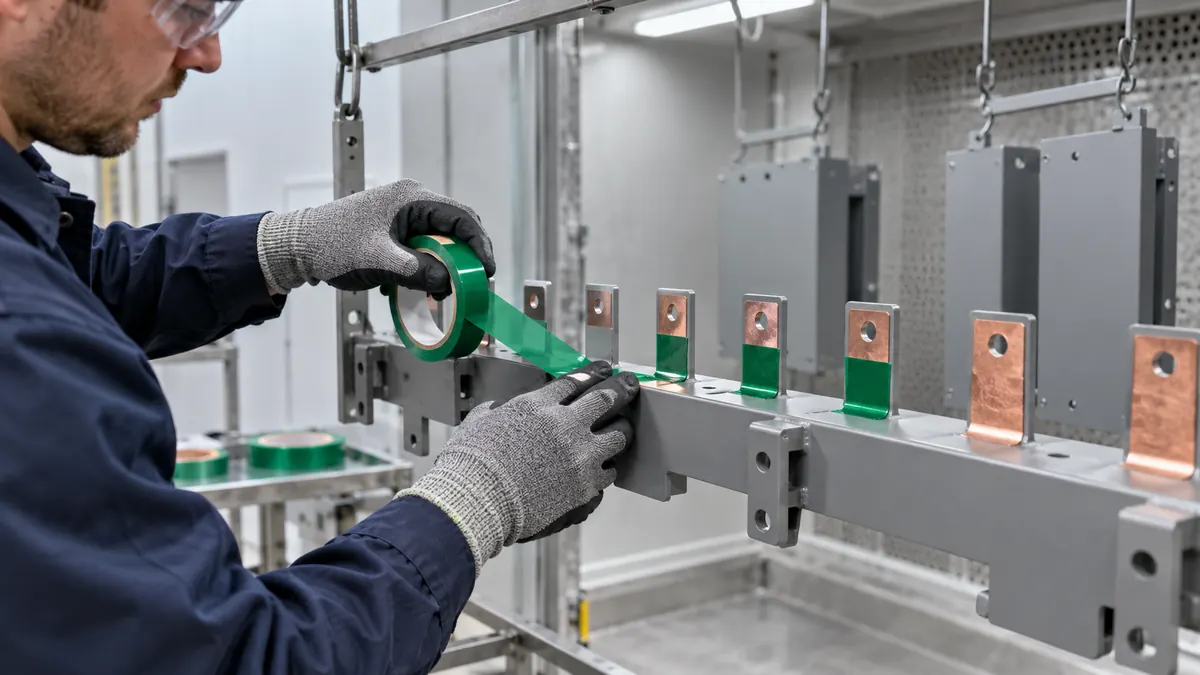
An application guide to defining, applying and validating PET silicone tape masks on busbar contact pads before powder coating.
PET Silicone Tape for Busbar Contact Pad Masking
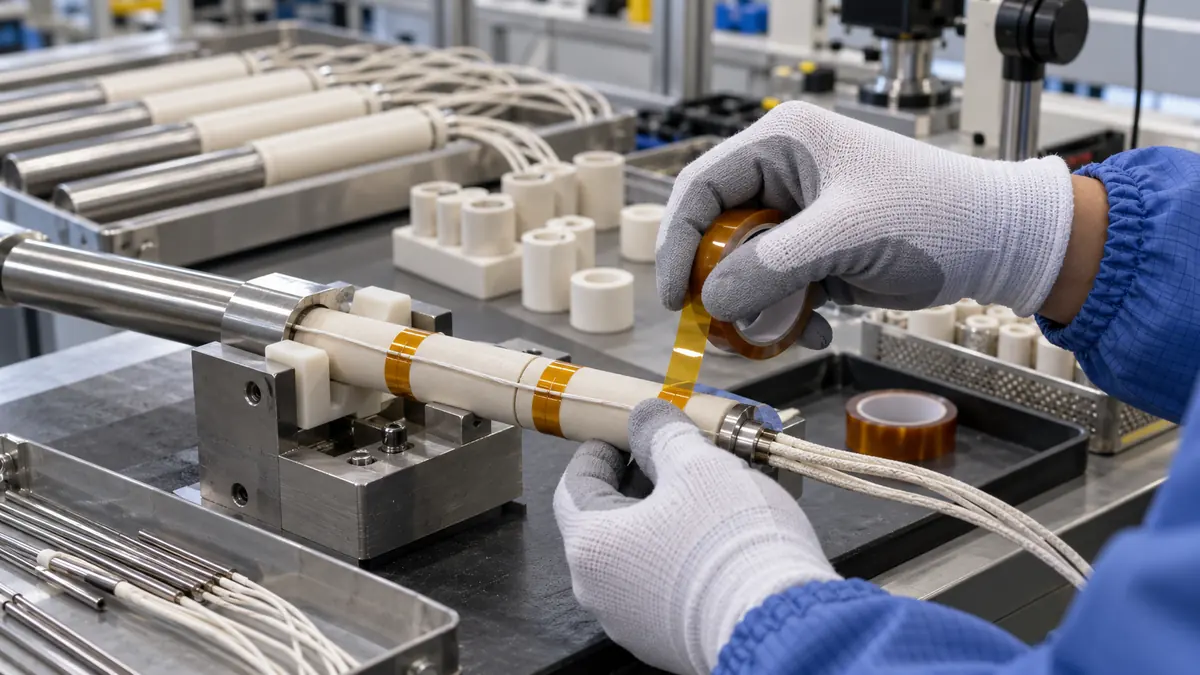
Need help choosing the right industrial tape?
Send us your application details, including temperature, surface material, size, quantity and current problem. Our team will help recommend a suitable tape material or custom die-cut solution.

simon@jiaotaotao.com


+86-136 1277 5969


+86-136 1277 5969
