
How PI Tape Is Used in SMT and PCB Manufacturing
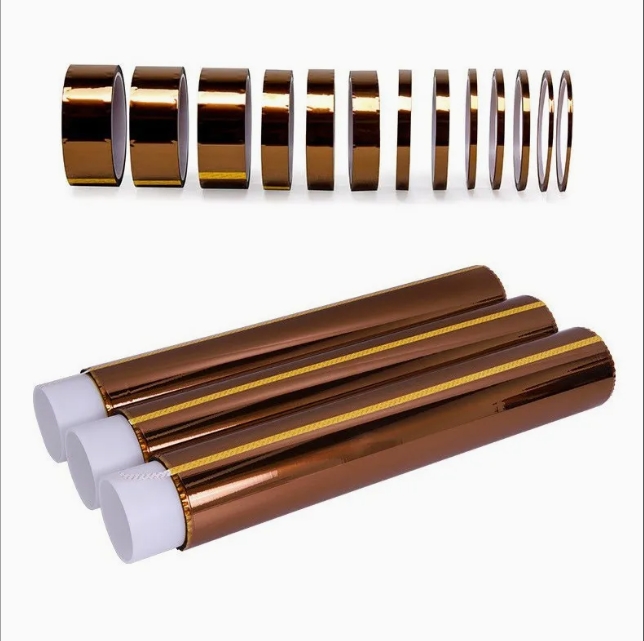
Introduction: Why PI Tape Matters in SMT and PCB Manufacturing
In modern SMT and PCB manufacturing, components are exposed to extreme temperatures during reflow soldering, wave soldering, and thermal curing processes. Improper masking or insulation materials can melt, leave adhesive residue, or cause electrical failures.
This is where PI tape (polyimide tape) plays a critical role. Understanding how PI tape is used in SMT and PCB manufacturing helps electronics manufacturers prevent defects, improve yield rates, and protect sensitive components during high-temperature processes.
What Is PI Tape and Why It Is Used in Electronics Manufacturing
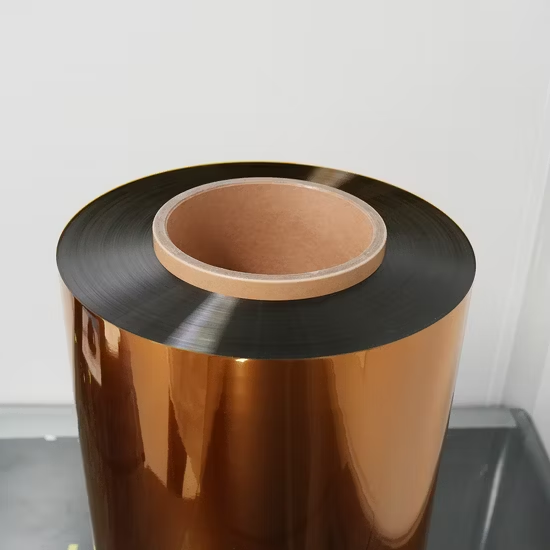
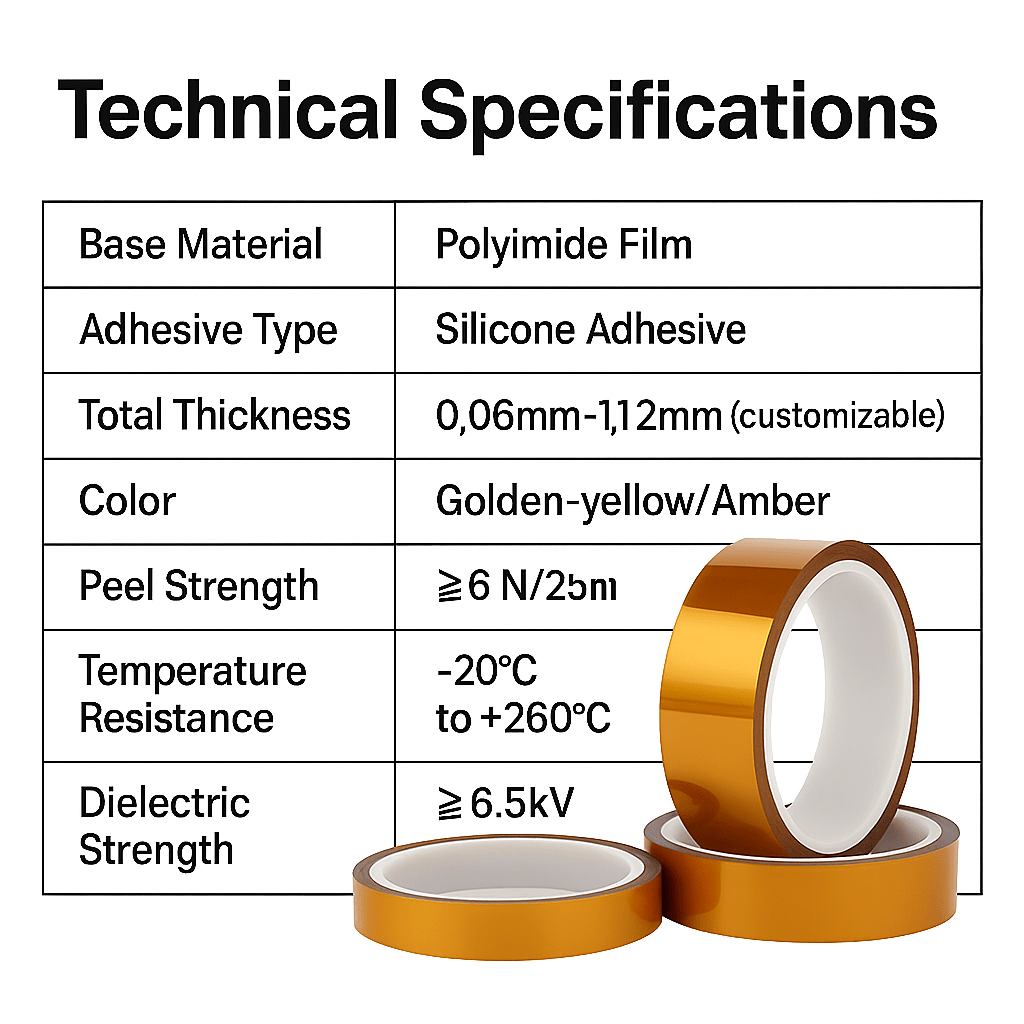
PI tape is made from polyimide film with a high-temperature-resistant adhesive, typically silicone-based. It is widely used in electronics manufacturing due to its:
-
Excellent heat resistance (up to 260 °C short-term)
-
Strong electrical insulation properties
-
Clean removal without residue
-
Dimensional stability during thermal cycling
Because of these properties, PI tape use in SMT and PCB manufacturing has become an industry standard rather than an optional material.

PI Tape Use in SMT Process
1. High-Temperature Masking During Reflow Soldering
One of the most common PI tape uses in the SMT process is masking areas that must not be exposed to solder or flux.
Typical applications include:
-
Masking gold fingers
-
Protecting connectors and sockets
-
Covering sensitive plastic components
Unlike standard masking tapes, PI tape maintains adhesion and shape during reflow soldering at temperatures exceeding 240 °C.
2. Component Protection During Multiple Reflow Cycles
In double-sided PCB assembly, boards may go through multiple reflow cycles. PI tape for SMT applications ensures components remain protected without degradation, shrinking, or adhesive failure.
3. Temporary Fixation of Components
PI tape is also used to temporarily secure small or lightweight components during placement and soldering, especially in prototype or low-volume SMT production.

PI Tape Use in PCB Manufacturing
1. Electrical Insulation on PCB Assemblies
Another major PI tape use in PCB manufacturing is electrical insulation. PI tape provides high dielectric strength, making it suitable for:
-
Insulating exposed conductors
-
Preventing short circuits
-
Protecting flexible circuits (FPC)
2. Wave Soldering and Selective Soldering Protection
During wave soldering, certain areas of the PCB must remain solder-free. Polyimide tape for PCB manufacturing is applied as a temporary solder mask due to its excellent heat resistance and clean removal.
3. Flexible PCB (FPC) Reinforcement
In FPC production, PI tape is commonly used to reinforce solder joints and connector areas, improving mechanical strength and long-term reliability.
Common Mistakes in PI Tape Use
Despite its advantages, improper PI tape use can still cause issues:
-
Using acrylic adhesive PI tape in high-temperature SMT processes
-
Selecting incorrect thickness for insulation requirements
-
Applying tape to contaminated or oily surfaces
Correct material selection is essential for reliable PI tape use in SMT and PCB manufacturing.
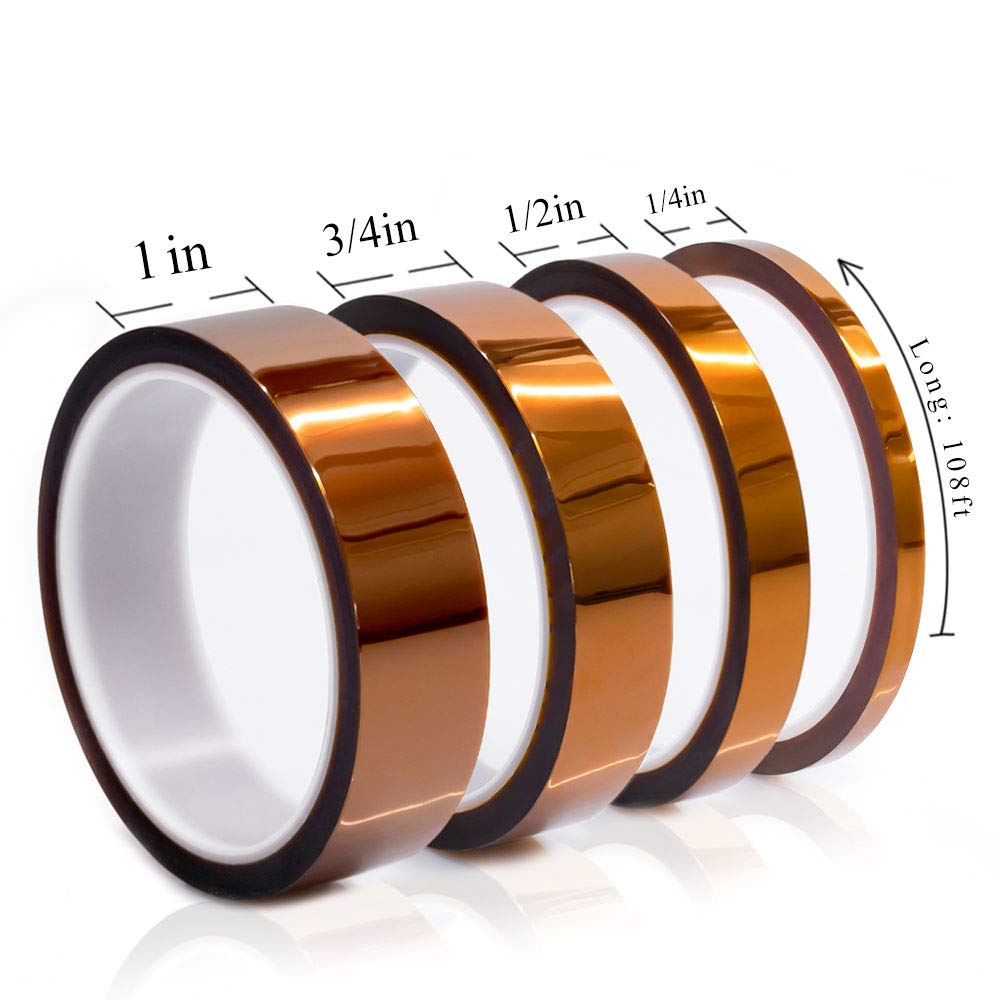
PI Tape vs Other Tapes in SMT and PCB Processes
| Tape Type | Temperature Resistance | Suitability for SMT |
|---|---|---|
| PI Tape | Up to 260 °C | Excellent |
| PET Tape | Up to 180 °C | Limited |
| Masking Tape | <150 °C | Not Suitable |
This comparison clearly explains why PI tape is the preferred choice for SMT and PCB manufacturing.
Choosing the Right PI Tape for Your Application
When selecting PI tape for SMT or PCB use, consider:
-
Maximum process temperature
-
Required thickness
-
Adhesive type (silicone vs acrylic)
-
Electrical insulation requirements
Professional manufacturers often use customized PI tape solutions to match specific production processes.

Conclusion: Why PI Tape Is Essential in SMT and PCB Manufacturing
From high-temperature masking to electrical insulation, PI tape use in SMT and PCB manufacturing is critical for ensuring process stability and product reliability. Its superior thermal and electrical properties make it the safest and most efficient solution for modern electronics production lines.
Gold Finger Tape: Precision Masking Solutions for High-Temperature Applications
Reusable Nano Double-Sided Tape: The Ultimate Guide for Home, Office, and DIY Projects

Need help choosing the right industrial tape?
Send us your application details, including temperature, surface material, size, quantity and current problem. Our team will help recommend a suitable tape material or custom die-cut solution.

simon@jiaotaotao.com


+86-136 1277 5969

+86-136 1277 5969
