
automotive adhesive tape|Types, Applications, and Buying Guide|JIAO TAO TAO
Automotive Adhesive Tape: Types, Applications, and Buying Guide
What is Automotive Adhesive Tape?
Automotive adhesive tape is a specialized type of industrial adhesive tape designed for use in the automotive manufacturing and maintenance industry. Unlike general-purpose tapes, automotive adhesive tape is engineered to meet the strict requirements of the automotive sector, such as resistance to high temperatures, water, UV radiation, and aging. It plays a crucial role in modern car production, enabling lightweight bonding solutions that replace traditional mechanical fasteners like screws and rivets, which helps reduce vehicle weight and improve fuel efficiency (or battery range for electric vehicles).
Common Types of Automotive Adhesive Tape
1. Double-Sided Automotive Adhesive Tape
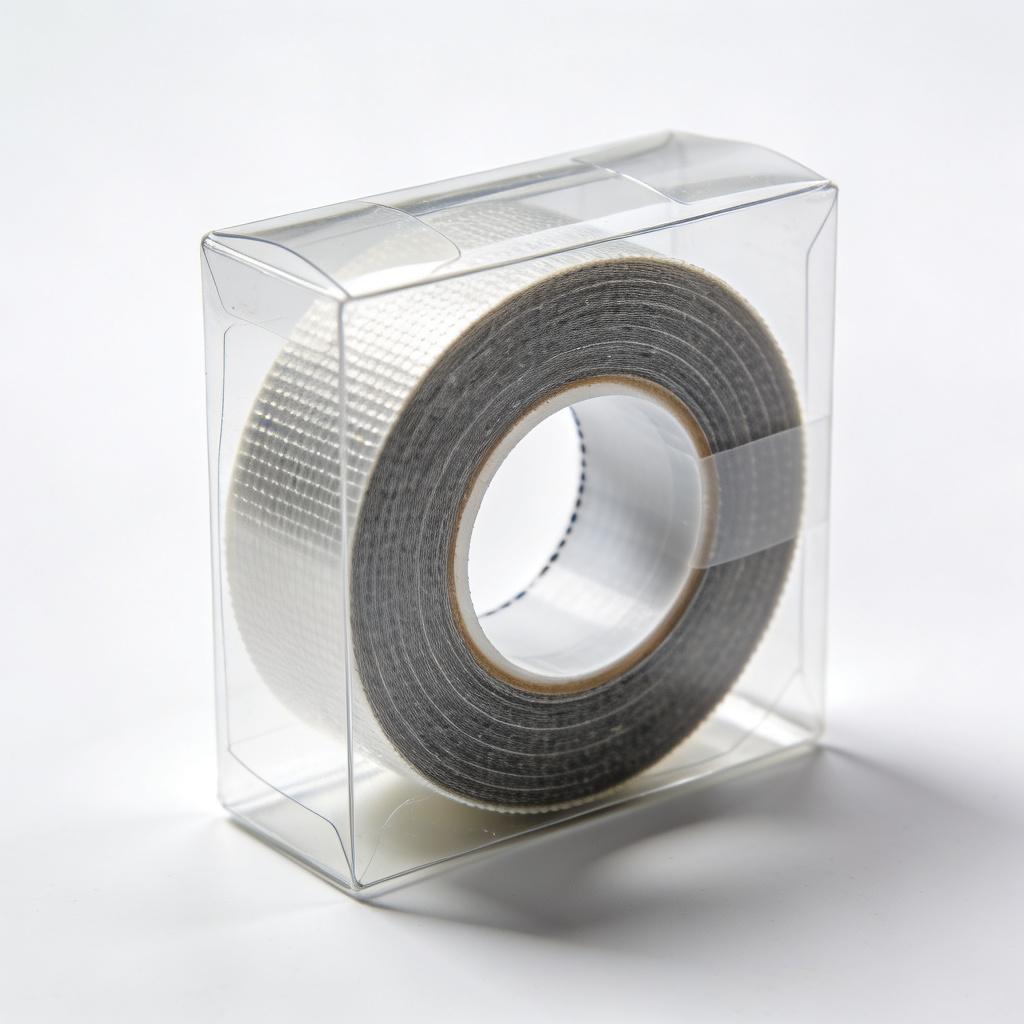
Double-sided automotive adhesive tape is one of the most widely used types in car manufacturing. It features adhesive on both sides, allowing it to bond two different surfaces together without the need for additional fasteners. For example, tesa® ACX⁺ 78xx Black Line tape is a high-quality double-sided automotive adhesive tape for interior components, you can check the official product page here: tesa® ACX⁺ 78xx Black Line tape. This type of tape is ideal for bonding interior components like dashboard trims, door panels, and seat covers, as well as exterior elements like emblems and trim pieces. It provides a strong, permanent bond while maintaining a clean, aesthetic appearance.
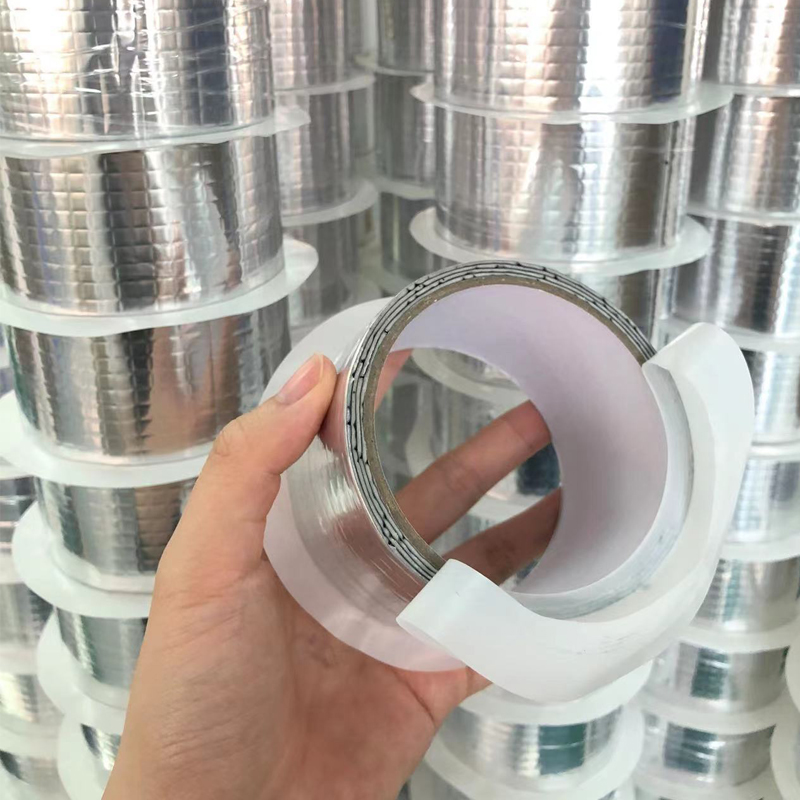 JTT-BT05 - Butyl Rubber Tape – Waterproof Aluminum Foil Tape
2. Heat-Resistant Automotive Adhesive Tape
Heat-resistant automotive adhesive tape is designed to withstand high temperatures, making it suitable for use in engine compartments, battery packs of electric vehicles, and areas near exhaust systems. 3M offers a range of heat-resistant automotive adhesive tapes for these high-temperature scenarios, you can find more details on their official page: 3M Attachment Tapes for Automotive OEM. These tapes can typically withstand temperatures ranging from -40℃ to 260℃ or even higher, depending on the material. They are commonly used for insulating wires, bonding heat shields, and securing components in high-temperature environments.
3. Acrylic Automotive Adhesive Tape
Acrylic automotive adhesive tape offers excellent weather resistance and durability, making it a popular choice for exterior applications. It has strong adhesion to a variety of surfaces, including metal, plastic, and glass, and can withstand exposure to rain, snow, and UV radiation without losing its bonding strength. This type of tape is often used for bonding window seals, body side moldings, and roof racks.
4. Foam-Backed Automotive Adhesive Tape
Foam-backed automotive adhesive tape features a foam core between two adhesive layers, which provides cushioning and sealing properties. It is ideal for bonding irregular surfaces or filling gaps between components, as the foam can conform to the shape of the surfaces. This type of tape is commonly used for bonding door seals, trunk seals, and sound-dampening materials, helping to improve the vehicle's insulation and reduce noise.
Key Applications of Automotive Adhesive Tape in Car Manufacturing
1. Interior Component Bonding
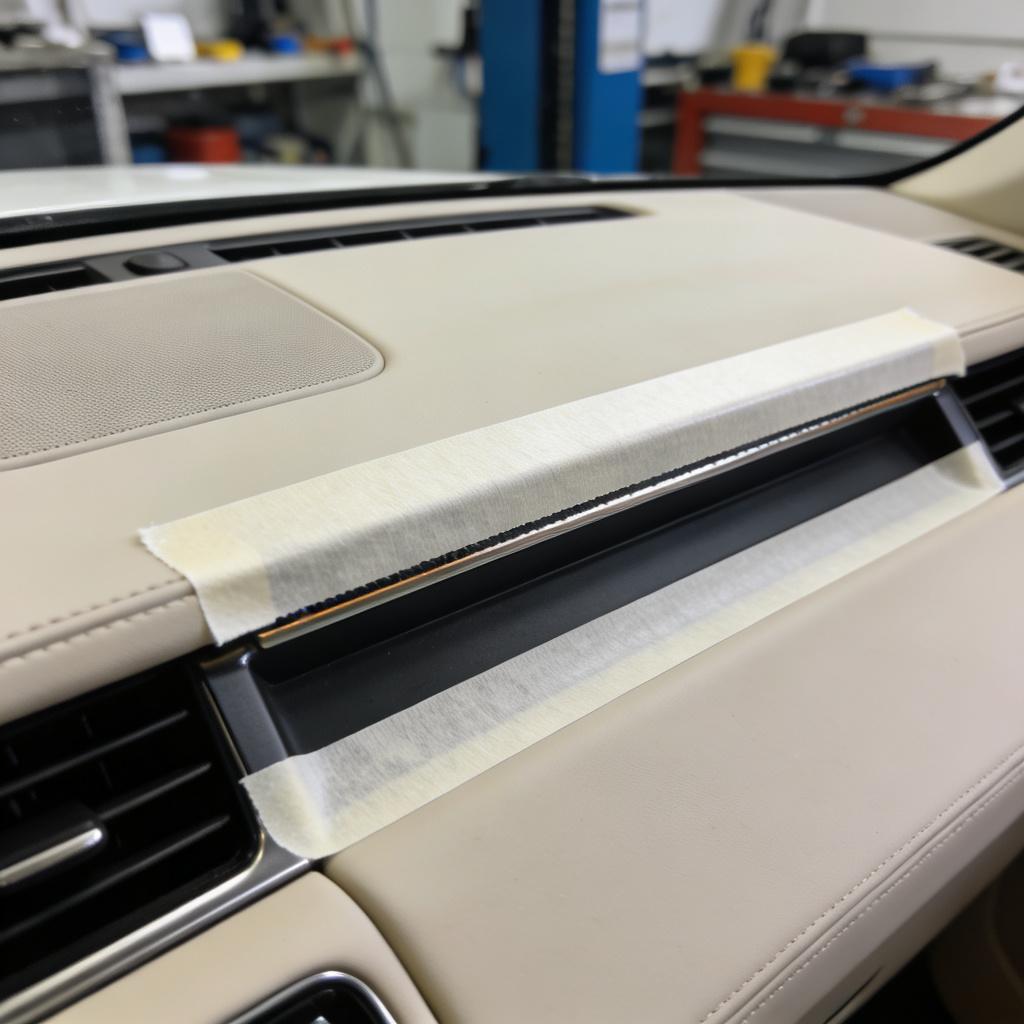
One of the primary applications of automotive adhesive tape is bonding interior components. It is used to attach dashboard trims, door panels, center console parts, and seat covers to the car's frame. The tape provides a secure bond while avoiding the unsightly holes that would be left by screws or rivets, enhancing the interior's aesthetic appeal. Additionally, it helps reduce vibration and noise, improving the overall driving experience.
 High Temperature Customized 180°C – Silicone Masking Tape JTT-HTMT-180
2. Exterior Emblem and Trim Bonding
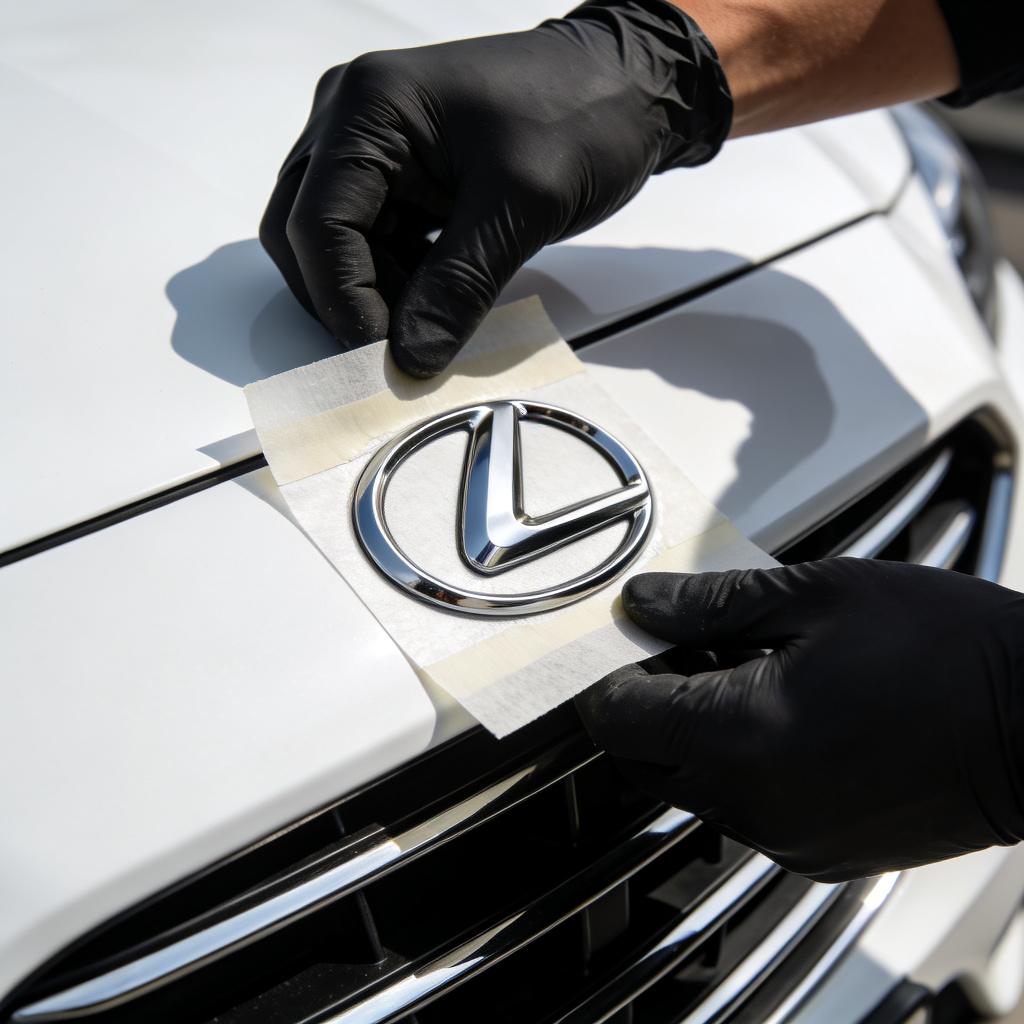
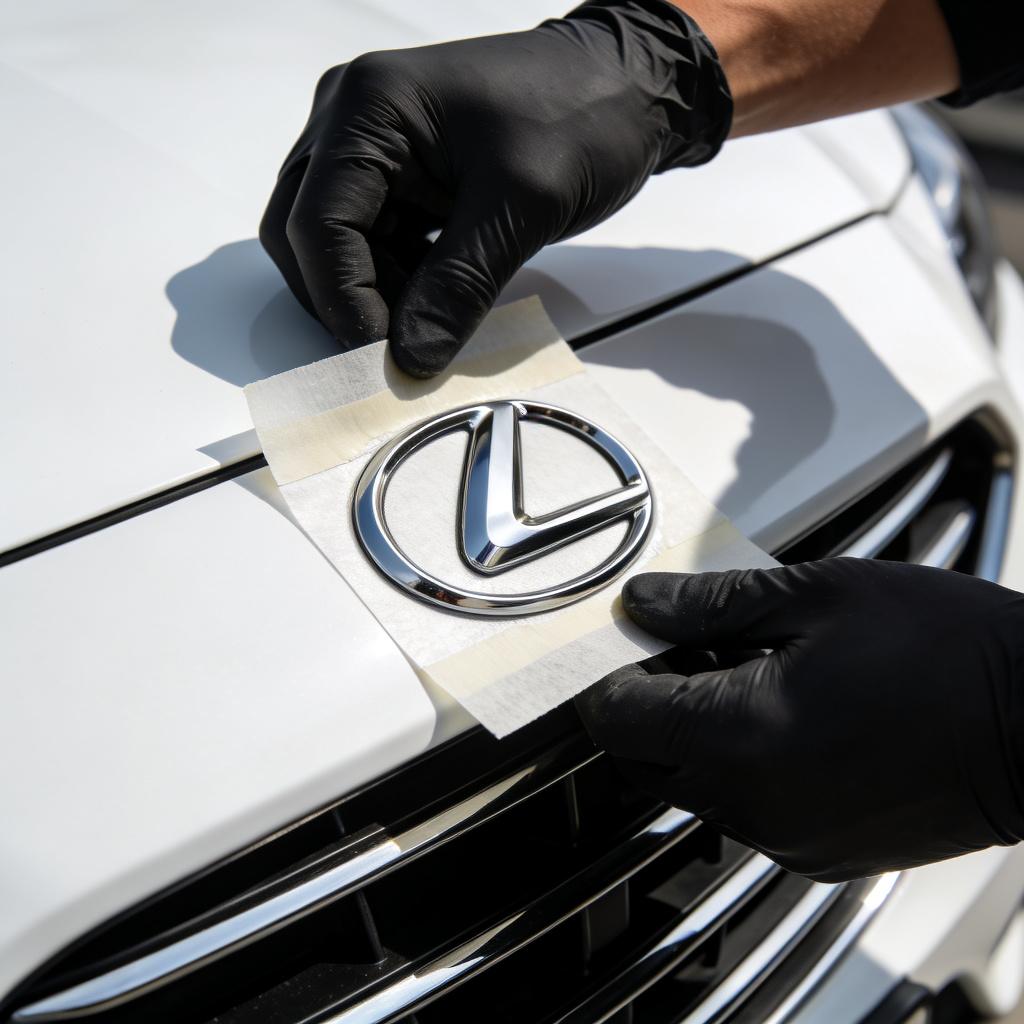
Automotive adhesive tape is widely used for bonding exterior emblems, badges, and trim pieces to the car's body. It offers a strong, permanent bond that can withstand exposure to the elements, ensuring that emblems and trims stay in place for the lifetime of the vehicle. Unlike traditional methods like welding or screwing, adhesive tape does not damage the car's paintwork, making it a preferred choice for automotive manufacturers.
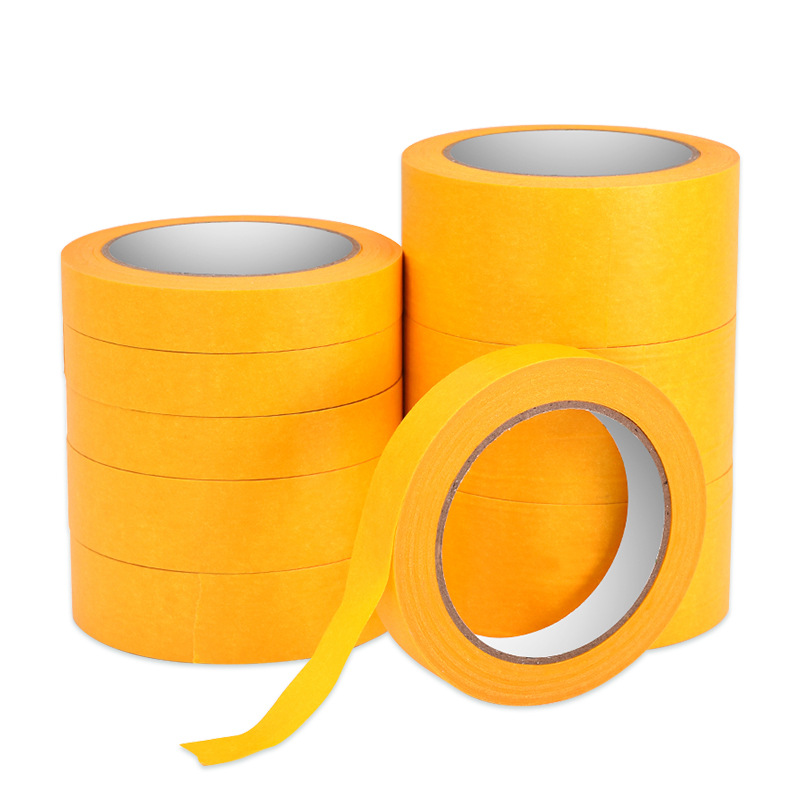 180 ℃-220℃ Paint Tape JTT-MPT150
3. Electric Vehicle Battery Pack Bonding
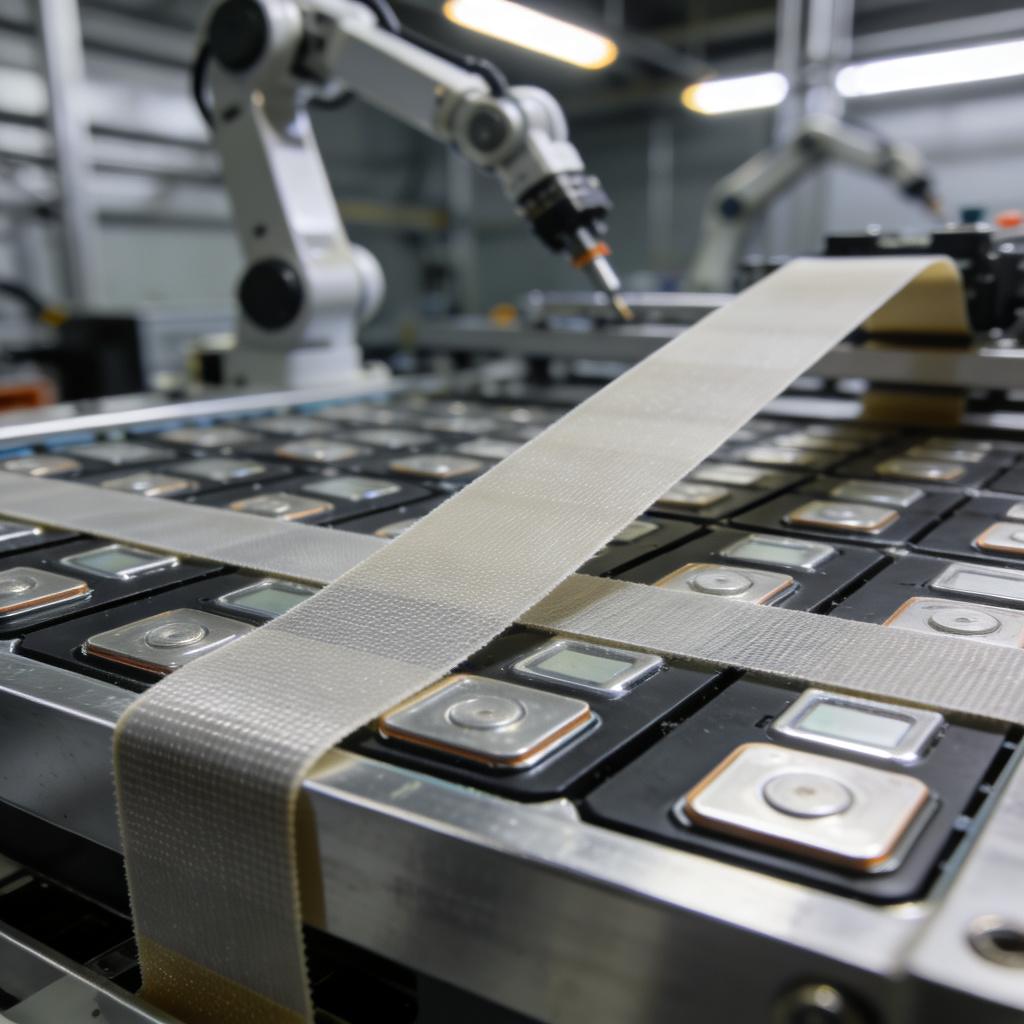
With the rapid growth of the electric vehicle (EV) market, automotive adhesive tape has become an essential component in battery pack manufacturing. Heat-resistant automotive adhesive tape is used to bond and insulate battery cells, as well as to secure components within the battery pack. It helps maintain the structural integrity of the battery pack, while also providing thermal insulation and protection against short circuits.
 JTT-MG018 Double Sided Fiberglass Tape – JIAOTAOTAO
4. Body Coating Masking
During the car painting process, automotive adhesive tape is used for masking off areas that do not need to be painted. High-temperature masking tape can withstand the heat of the paint drying oven, typically around 150℃ to 200℃, without leaving residue on the car's surface. This ensures a clean, precise paint job and reduces the need for post-painting touch-ups.
5. Sealant and Weatherstripping Installation
Automotive adhesive tape is used to install door seals, window seals, and weatherstripping in cars. The tape provides a strong bond between the seal and the car's body, ensuring that the seals stay in place and provide effective protection against water, air, and noise intrusion. This helps improve the vehicle's comfort and energy efficiency by reducing air leakage.
How to Choose the Right Automotive Adhesive Tape
1. Consider the Application Environment
The first step in choosing the right automotive adhesive tape is to consider the application environment. If the tape will be used in a high-temperature area like the engine compartment or battery pack, you should choose a heat-resistant automotive adhesive tape. For exterior applications exposed to the elements, a weather-resistant acrylic automotive adhesive tape is a better choice.
2. Evaluate the Bonding Surfaces
Different surfaces require different types of adhesive tape. For example, bonding metal to plastic may require a tape with strong adhesion to both materials, while bonding irregular surfaces may require a foam-backed tape that can conform to the surface shape. It is important to test the tape on the specific surfaces before making a final decision.
3. Check for Regulatory Compliance
Automotive adhesive tape must comply with industry regulations and standards, such as RoHS (Restriction of Hazardous Substances) and REACH (Registration, Evaluation, Authorization and Restriction of Chemicals). This ensures that the tape does not contain harmful substances that could pose a risk to human health or the environment.
4. Consider the Bond Strength Requirements
The bond strength required will depend on the application. For heavy components like roof racks or body moldings, you will need a high-strength automotive adhesive tape. For lighter components like interior trims, a standard-strength tape may be sufficient.
5. Look for Residue-Free Removal
If the tape may need to be removed for maintenance or repair, choose a residue-free automotive adhesive tape. This type of tape can be removed without leaving adhesive residue on the surfaces, which helps avoid damage to the car's paintwork or components.
Automotive Adhesive Tape Market Trends in 2026
According to the Automotive Adhesive Tape Market Size & Share Analysis Report by Mordor Intelligence, the global automotive adhesive tape market will see significant growth in 2026.
1. Growing Demand from Electric Vehicle Market
The global electric vehicle market is expected to continue its rapid growth in 2026, which will drive the demand for automotive adhesive tape. EV manufacturers require specialized tapes for battery pack bonding, thermal insulation, and electrical insulation, which will create new opportunities for automotive adhesive tape suppliers.
2. Shift Towards Eco-Friendly Tapes
As the automotive industry becomes more focused on sustainability, there is a growing demand for eco-friendly automotive adhesive tape. These tapes are made from recycled materials or are biodegradable, reducing their environmental impact. Additionally, many eco-friendly tapes are designed to be solvent-free, which reduces volatile organic compound (VOC) emissions.
3. Innovation in Adhesive Technology
In 2026, we can expect to see continued innovation in automotive adhesive tape technology. Manufacturers are developing tapes with improved bonding strength, higher temperature resistance, and better UV resistance. Additionally, there is a growing focus on developing tapes that can bond to new materials used in car manufacturing, such as carbon fiber composites and lightweight plastics.
Final Thoughts
Automotive adhesive tape is an essential component in modern car manufacturing, offering lightweight, durable, and aesthetically pleasing bonding solutions. Whether you are a car manufacturer, a repair technician, or a car enthusiast, choosing the right automotive adhesive tape is crucial for ensuring a successful bond.
What are your experiences with automotive adhesive tape? Have you ever used it for a car repair or modification project? Share your thoughts and tips in the comments below!
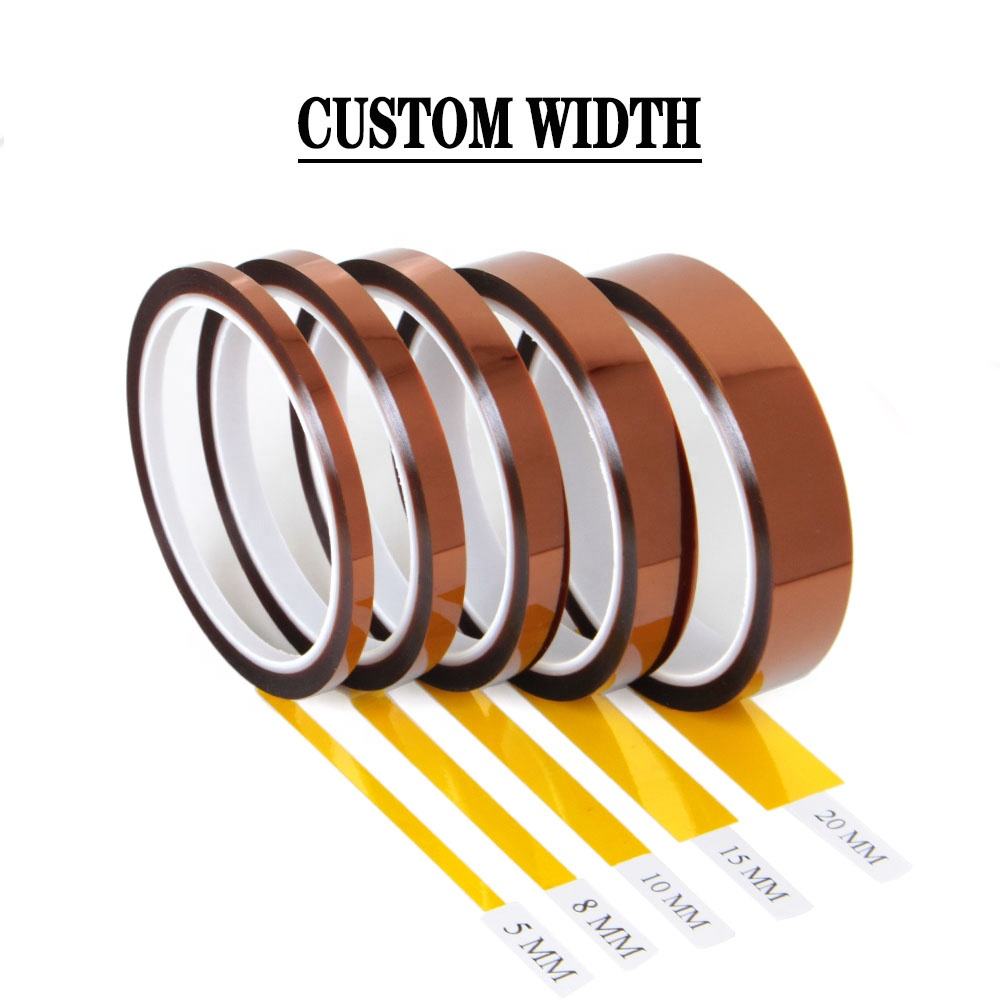
What Is Kapton Tape ?


Need help choosing the right industrial tape?
Send us your application details, including temperature, surface material, size, quantity and current problem. Our team will help recommend a suitable tape material or custom die-cut solution.

simon@jiaotaotao.com


+86-136 1277 5969


+86-136 1277 5969
