
High Temp Masking Tape for Powder Coating Guide
High Temp Masking Tape for Powder Coating Guide
High temp masking tape for powder coating is used to protect critical surfaces during coating and curing while maintaining clean edges and reliable removal after the process. This guide answers a common industry question: what kind of tape works best for powder coating, and why is polyester tape so often recommended? If you work in finishing, fabrication, or industrial production, this article will help you evaluate tape structure, temperature fit, edge performance, and process compatibility before you place an order.
What Is the Best High Temp Masking Tape for Powder Coating?
The best high temp masking tape for powder coating is usually the one that keeps its shape during the cure cycle, seals the masking edge well, resists process contamination, and removes cleanly after cooling. In powder coating, tape is not just a temporary cover. It directly affects finish quality, rework rate, and production efficiency. If the tape shrinks, lifts, leaves residue, or allows powder bleed, the result can be coating defects, edge inconsistency, and extra labor. This is why industrial users generally avoid low-grade general-purpose masking materials when the process includes oven exposure and tight finish requirements.
In most industrial settings, polyester film tape is a leading option for this job because it combines dimensional stability with chemical resistance and good electrical insulation. A proper masking tape for powder coating should also match the substrate, cure temperature, dwell time, and shape complexity of the part. For flat parts with simple masking zones, standard widths may be enough. For threaded holes, curves, cutouts, or repeated geometries, narrow slit rolls or die-cut formats may be more effective. The tape should be selected as part of the process, not as an afterthought.
Why Polyester Tape Is Commonly Used
Polyester tape is commonly used in powder coating because the PET film backing remains stable when exposed to curing temperatures that would deform or weaken many basic tapes. In addition to heat resistance, polyester film offers good tensile strength, a smooth surface, and more controlled edge behavior. These qualities help the tape stay in place during coating application and oven curing, which is especially important when masking threads, contact points, sealing surfaces, identification zones, or bonding areas that must remain coating-free. Clean removal matters just as much. A masking material that survives the oven but leaves adhesive residue behind can create the same kind of costly rework as one that fails during the process.
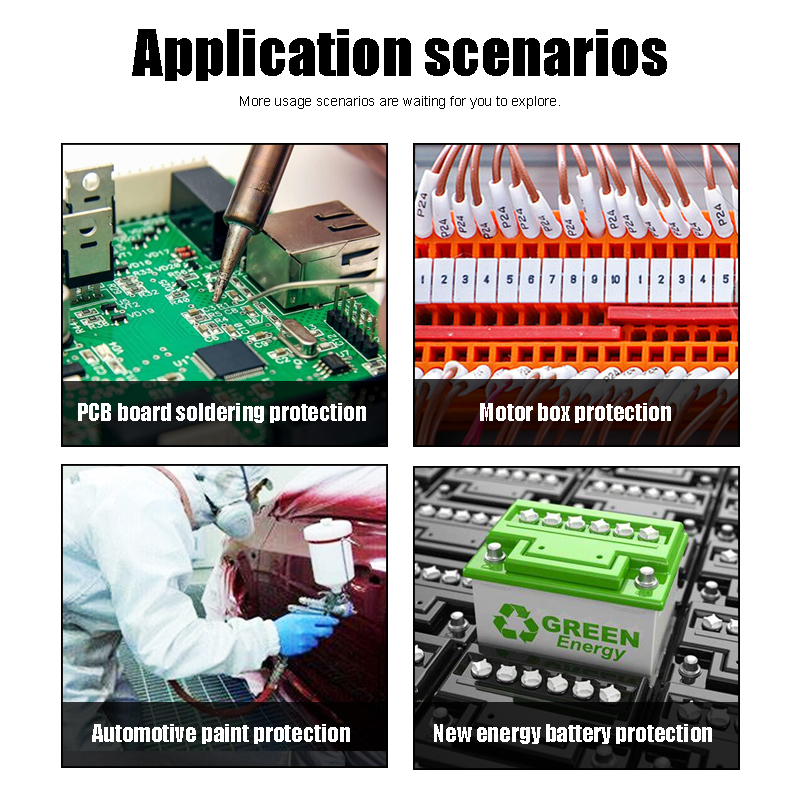
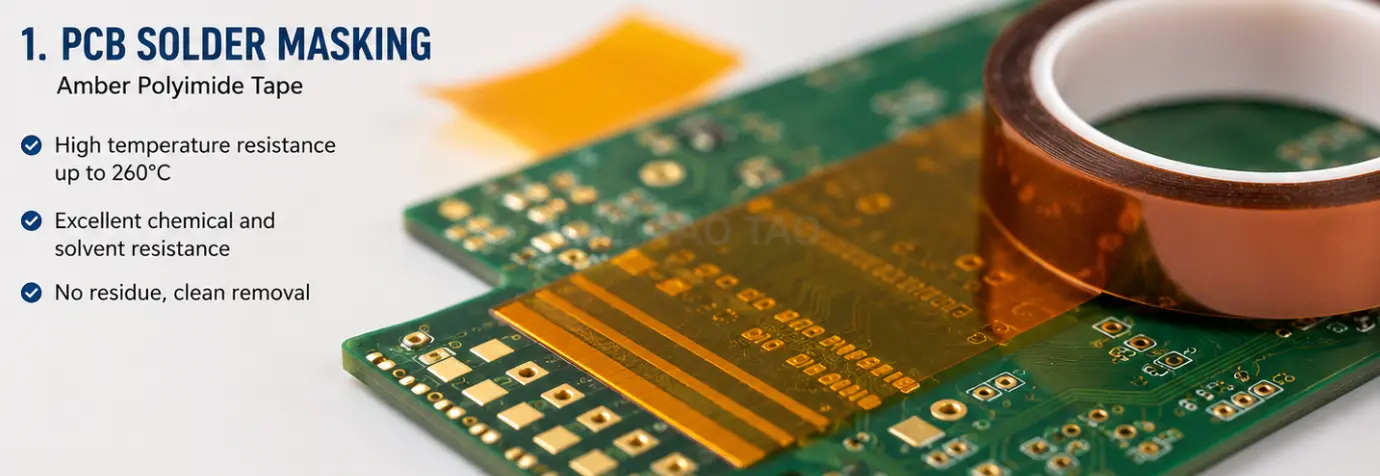
Another reason industry users choose polyester film tape is process versatility. Polyester tape is widely used not only in powder coating, but also across electronics, electrical engineering, automotive applications, and PCB manufacturing. That broader industrial use matters because it shows the material is trusted in environments where heat, insulation performance, and chemical resistance are all relevant. For a shop or production team, that makes polyester film tape a practical option when one material may need to support more than one workflow across the facility.
What to Check Before Buying
If you are sourcing high temp masking tape for powder coating, start with the real operating conditions. Check the cure schedule, including peak temperature, total dwell time, and whether the part goes through one heating cycle or repeated exposures. Some tapes can tolerate short spikes but fail under longer dwell times. Next, review the substrate. Bare metal, treated metal, textured surfaces, and coated parts may all behave differently during masking. Adhesion needs to be stable enough to prevent powder penetration, but not so aggressive that removal damages the part or leaves residue after the cycle. This balance is one of the main reasons industrial buyers compare adhesive systems rather than buying based on color or price alone.
You should also check tape width, thickness, and conversion format. Narrow widths are useful for curves and detailed edges. Thicker constructions may be easier to handle, but they are not always the best choice for sharp masking lines. For repetitive jobs, die-cut shapes or custom slitting can reduce labor and improve consistency. If the operation includes plugs, discs, or precision masking on repeated geometries, standard rolls may not be the most efficient solution even if the base tape material is correct.
Finally, ask whether the tape needs to do more than powder masking. If the same production area also handles insulation, electronic masking, or other high-temperature tasks, polyester film tape can provide added value because it is already widely used in several industrial sectors. A tape that works across multiple production needs can simplify sourcing and reduce the number of SKUs your team has to manage.
Common Powder Coating Masking Problems
One of the most common issues in powder coating is edge failure. If the tape lifts slightly during application or curing, powder can creep underneath and create an uneven masking line. Another frequent problem is residue after removal, which adds cleanup time and can interfere with secondary operations. Shops also see problems when the wrong tape backing is used for the oven profile. Some materials become brittle, distort, or shrink, which makes the final masked edge less accurate. These failures are not always obvious when the tape is applied, but they become very visible after curing.
A second group of problems comes from mismatch between tape format and part geometry. Wide rolls may work on flat panels, but they are inefficient for narrow channels, holes, threads, or complex shapes. In those cases, the right polyester tape still needs the right width or die-cut form to perform well. This is why experienced operators evaluate masking as part of the whole coating process. Good results depend on material choice, part prep, application method, cure profile, and removal timing working together rather than any single factor alone.
Is Polyester Tape Always the Right Answer?
In many cases, yes, but not automatically. Polyester film tape is often the default choice for powder coating because it offers a strong balance of heat resistance, masking precision, and clean removal. However, the best selection still depends on process details. If the part has unusual geometry, requires extremely high heat tolerance, or must resist a specific chemical sequence, you may need to compare adhesive systems, thicknesses, or specialized masking products rather than choosing the first polyester tape available. The goal is not to use the most technical tape on the market. The goal is to use the tape that matches your process reliably and economically.
For industry users, that means testing is still valuable. A short evaluation on the actual part, cure profile, and removal sequence can reveal more than a generic product description. Even when polyester tape is the right family of material, the right specification can vary from one line to another. That is why buyers who treat masking as a quality variable often get better long-term results than those who treat it as a commodity purchase.
Selection tip: When evaluating powder coating masking tape, compare edge sealing, residue-free removal, and stability through the full cure cycle instead of focusing on temperature resistance alone.
Summary
High temp masking tape for powder coating should be chosen based on process fit, not only on a heat label. For many industrial finishing applications, polyester tape is a strong option because PET film offers dimensional stability, electrical insulation, chemical resistance, and broad industrial use. If your goal is cleaner edges, fewer coating defects, and easier post-cure removal, it is worth reviewing substrate type, cure profile, geometry, and conversion format before buying. In practice, the best masking tape is the one that performs consistently on your actual line.
Explore Polyester Tape Options
If you are evaluating high temp masking tape for powder coating, review available polyester tape types and compare product options based on your curing process, masking precision, and production needs.
View Polyester Tape Category Visit Official Website
Contact: simon@jiaotaotao.com
High Temperature Masking Tape: Uses, Types and Selection Guide
Transparent Polyester Acrylic Tape for Clear PET Uses
Related Article

Need help choosing the right industrial tape?
Send us your application details, including temperature, surface material, size, quantity and current problem. Our team will help recommend a suitable tape material or custom die-cut solution.

simon@jiaotaotao.com


+86-136 1277 5969


+86-136 1277 5969
