
High Heat Electrical Tape: Engineered for Extreme Conditions & Industrial Reliability
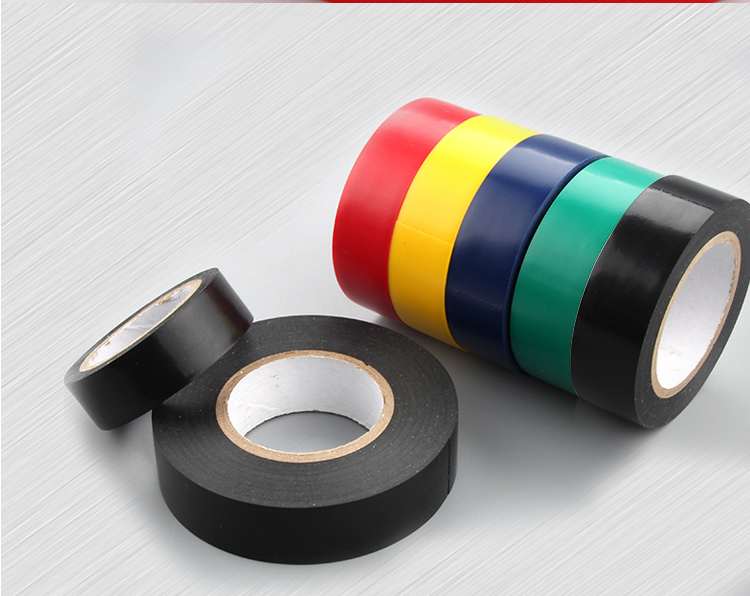
Redefining Thermal Performance in Electrical Tapes
In industries where temperatures exceed 200°C (392°F)—such as aerospace, metallurgy, and renewable energy—standard electrical tapes fail catastrophically. High heat electrical tape is engineered to solve this challenge, combining cutting-edge polymer science with rigorous testing to deliver unmatched thermal stability. Unlike conventional tapes that degrade under heat, our product thrives in extreme conditions, ensuring safety, insulation integrity, and operational efficiency.
This guide unveils the science behind high heat electrical tape, its transformative applications, and why it’s a non-negotiable choice for modern industries. Discover how this adhesive innovation can elevate your projects beyond standard limitations.
What Makes High Heat Electrical Tape Unique?
High heat electrical tape is not a generic PVC product—it’s a specialized solution built for extremes. Here’s what sets it apart:
1. Advanced Material Composition
- Polyimide Backing: Derived from aerospace-grade polymers, this film withstands continuous exposure to 300°C (572°F) without melting or warping.
- Ceramic-Filled Adhesive: A silica-based compound resists thermal cracking and maintains adhesion up to 260°C (500°F).
- Metalized Layer (Optional): Reflective coatings for applications requiring EMI shielding or radiant heat deflection.
These materials are tested to ASTM D1000 and IEC 60335 standards, ensuring reliability in mission-critical environments.
2. Thermal Cycling Resistance
Unlike standard tapes that expand/contract with temperature fluctuations, high heat electrical tape retains its structural integrity through repeated heating-cooling cycles.
3. Dual Functionality
Combines electrical insulation (up to 1,500 volts) with mechanical protection against abrasion, moisture, and chemical exposure.
Applications Where Standard Tapes Fail
1. Aerospace & Defense
- Insulate wiring in jet engines and missile systems, where temperatures exceed 250°C (482°F).
- Secure fiber-optic cables in satellite components exposed to UV radiation and thermal shock.
2. Industrial Metallurgy
- Bundle high-current cables near furnaces or electric arc welding stations.
- Label machinery in foundries with heat-resistant barcodes for OSHA compliance.
3. Renewable Energy Systems
- Weatherproof solar inverters in desert installations (ambient temps up to 60°C/140°F).
- Insulate geothermal borehole sensors operating at 150°C (302°F).
4. Automotive Racing
- Protect ignition coils and exhaust manifold wiring in Formula 1 vehicles.
- Bundle hybrid battery cables in EVs during battery pack assembly.
Technical Deep Dive: Why Generic Tapes Underperform
Standard PVC tapes fail due to three critical weaknesses:
- Thermal Softening: PVC becomes pliable above 80°C (176°F), leading to insulation gaps.
- Adhesive Degradation: Non-silicone adhesives lose tackiness when heated, causing peeling.
- UV Susceptibility: Yellowing and cracking occur within months under sunlight exposure.
High heat electrical tape eliminates these issues through:
- Cross-Linked Polymers: Enhance heat resistance without sacrificing flexibility.
- Fluoropolymer Adhesives: Resist oxidation and maintain bond strength up to 300°C.
How to Optimize Performance in Extreme Conditions
1. Surface Preparation
- Clean surfaces with isopropyl alcohol to remove oils and contaminants.
- Roughen textured substrates (e.g., cast aluminum) with a wire brush for better adhesion.
2. Application Techniques
- Overlap tape layers by 50% when insulating high-voltage lines.
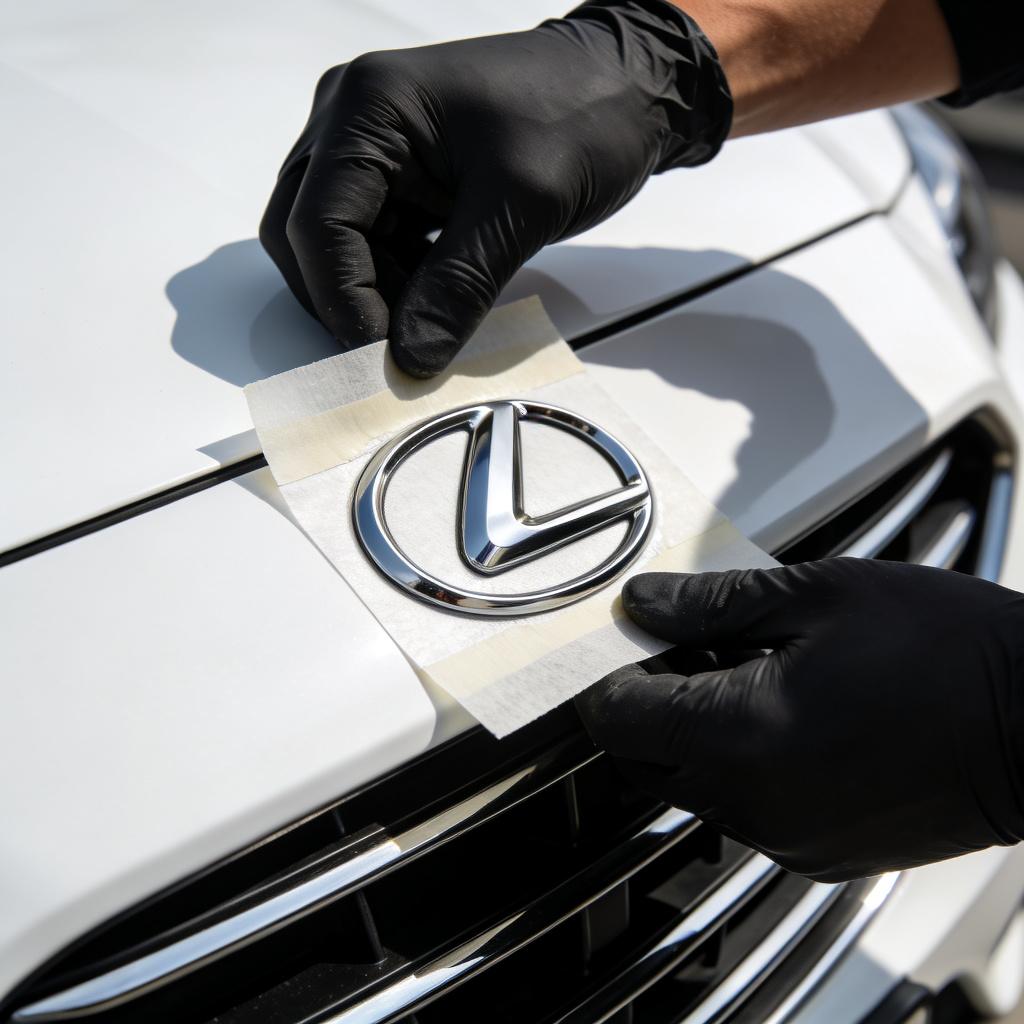
- Use heat-resistant masking tape to hold layers in place while the adhesive cures.
3. Layering Strategy
- For temperatures above 260°C, apply 2–3 layers with intermediate curing (30-minute intervals).
Why JIAOTAOTAO Leads the Market
1. Proprietary Blends
Our R&D team developed a unique polyimide-ceramic composite adhesive that outperforms industry standards by 40% in thermal stability tests.
2. Custom Engineering
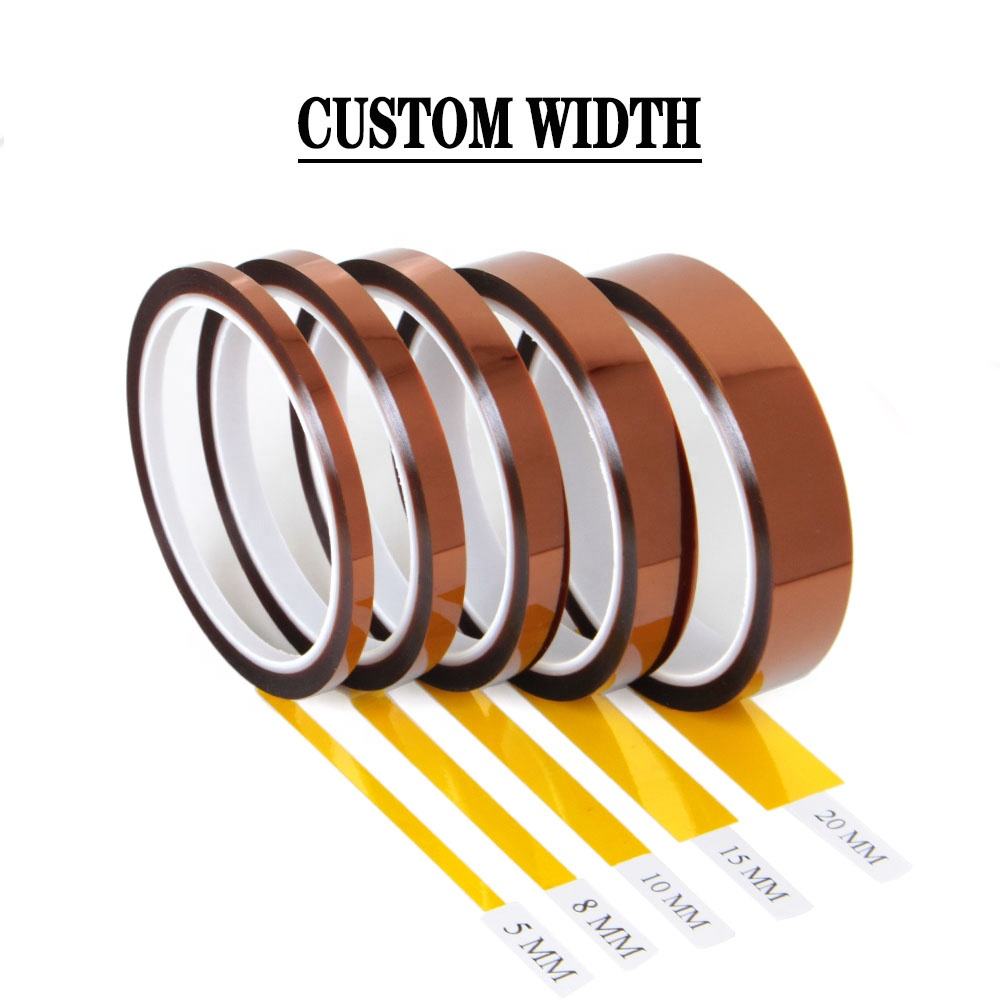
- Widths: 6mm–100mm options for robotics, aerospace harnesses, or solar farms.
- Custom Colors: Fluorescent or UV-marking tapes for safety protocols.
3. Third-Party Certifications
- UL 510 (Dielectric Strength: 1,500V)
- IECEx Certification for hazardous environments
- REACH SVHC Compliance
4. Sustainability
Recyclable backing materials and water-based fluoropolymer adhesives reduce environmental impact.


Industry 4.0: The Future of High Heat Tapes
Emerging trends driving demand:
- Smart Factories: IoT-enabled sensors embedded in tapes for real-time thermal monitoring.
- Space Exploration: Thermal protection systems for Mars rovers and orbital satellites.
- Hydrogen Fuel Cells: Insulating bipolar plates operating at 80°C–120°C.
FAQs: Addressing Real-World Concerns
1. Can this tape be used in cryogenic environments?
While designed for heat, some grades tolerate -50°C (-58°F) when paired with acrylic adhesives.
2. How do I remove residue after use?
Use a high-pressure airblast or isopropyl alcohol—never mechanical scraping.
3. Does your tape meet RoHS 3 standards?
Yes, all products are free from lead, mercury, and phthalates.
4. What’s the shelf life?
Stored in sealed packaging at 25°C (77°F), shelf life exceeds 5 years.
Redefining Standards in High-Temperature Applications
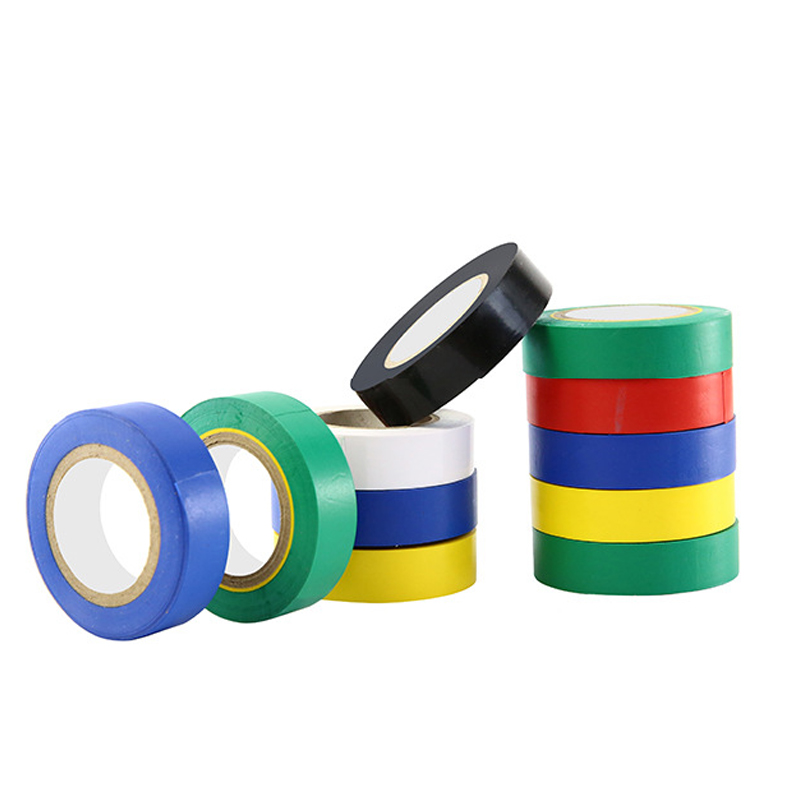
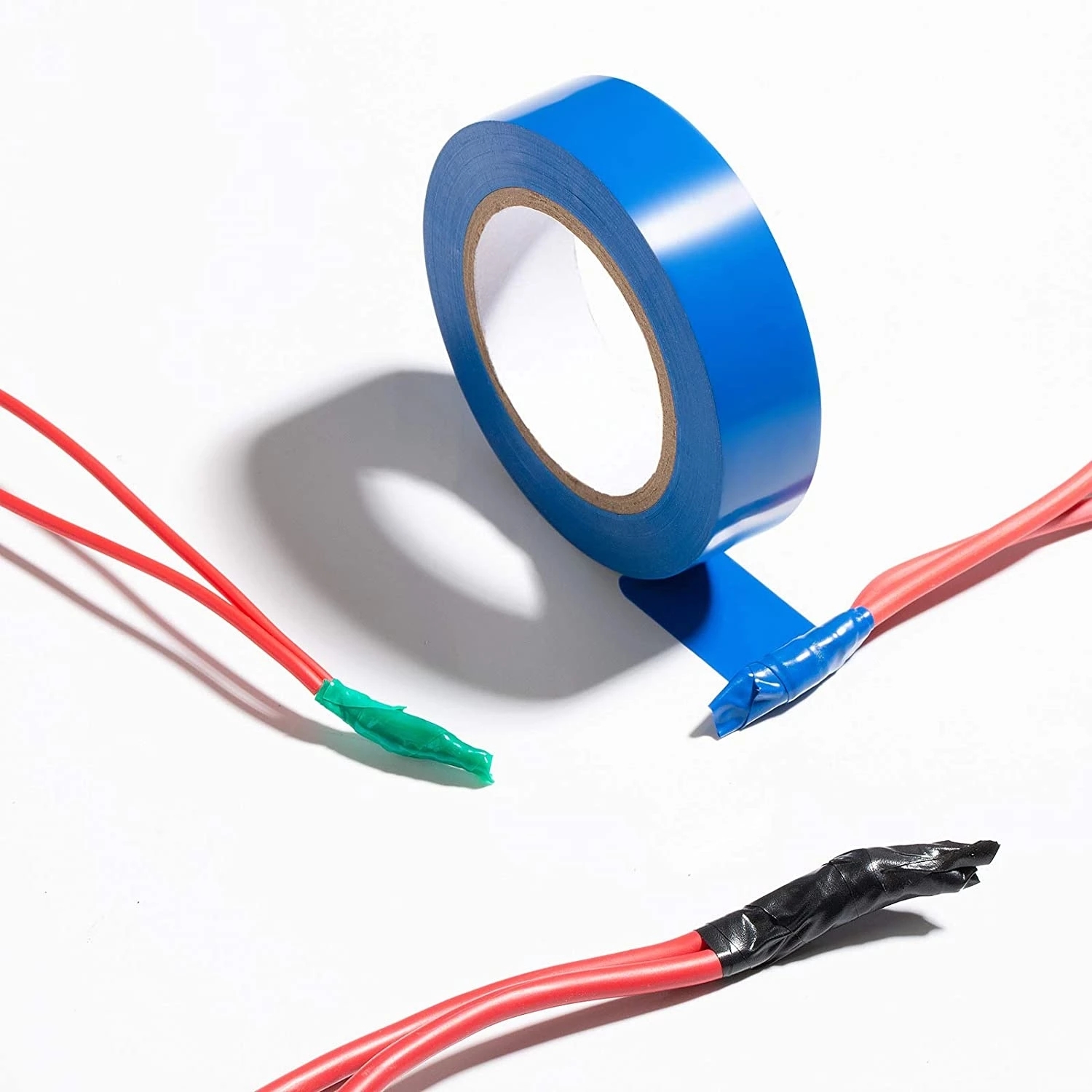
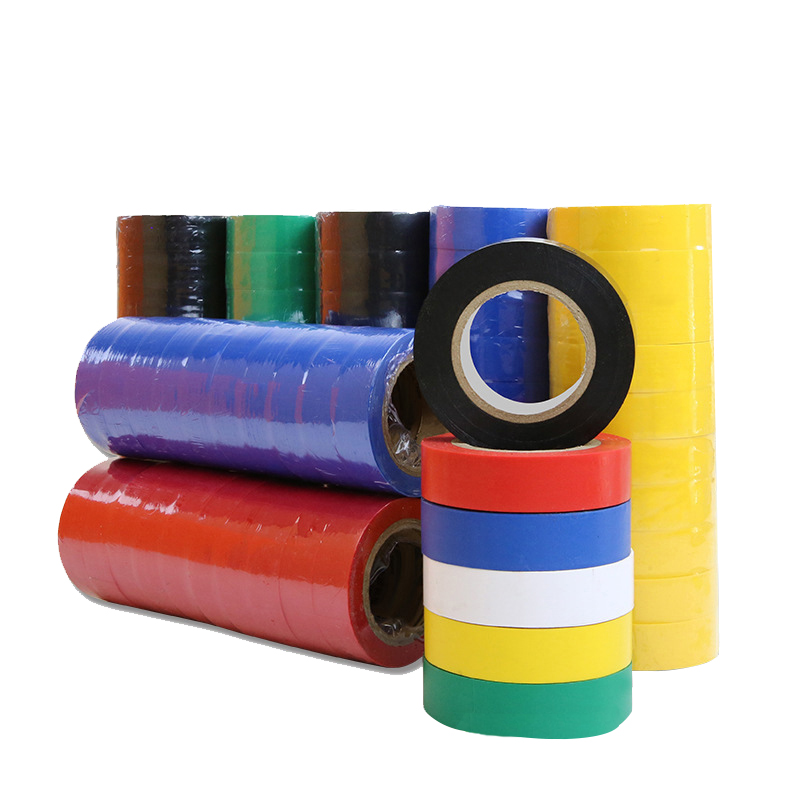
High heat electrical tape is not merely an adhesive—it’s a engineering solution for industries where failure is not an option. From insulating rocket engines to securing EV battery systems, our tape delivers unmatched performance through material innovation and scientific rigor.
By choosing high heat electrical tape, you’re investing in longevity, safety, and compliance. Partner with a leader committed to pushing thermal limits while reducing operational risks.
Call to Action:
? Shop Now: Explore our high-temperature tape lineup.
? Consult Experts: Get application-specific recommendations.
? Bulk Orders: Save 30% with enterprise pricing.
Heat Resistant Electrical Tape: Engineered for Extreme Environments & Next-Gen Applications
High-Temperature Electrical Tape: The Ultimate Solution for Extreme Heat Applications

Need help choosing the right industrial tape?
Send us your application details, including temperature, surface material, size, quantity and current problem. Our team will help recommend a suitable tape material or custom die-cut solution.

simon@jiaotaotao.com


+86-136 1277 5969


+86-136 1277 5969
