
Heat Resistant Electrical Tape: Engineered for Extreme Environments & Next-Gen Applications
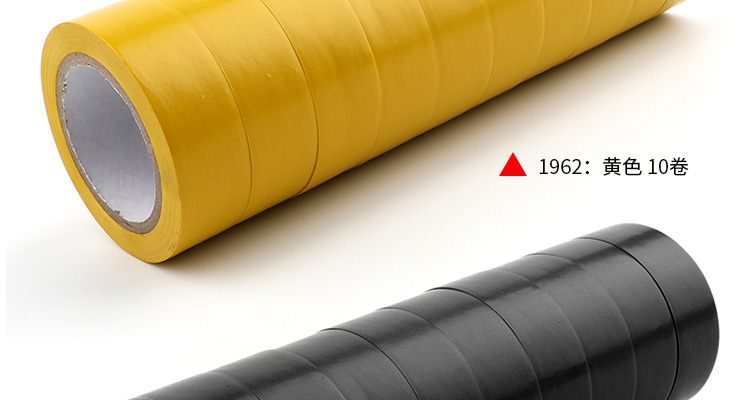
Check Product Specifications ➜
The Science of Thermal Stability in Electrical Systems
In an era of electric vehicles (EVs), renewable energy grids, and smart factories, thermal management has become a critical factor in electrical system reliability. Heat resistant electrical tape is no longer a passive component—it’s a strategic solution engineered to endure temperatures exceeding 300°C (572°F) while maintaining electrical integrity. This guide unpacks the advanced materials, industry certifications, and transformative applications of heat resistant electrical tape, positioning it as a cornerstone for industries where failure is not an option.
Defining Heat Resistant Electrical Tape: Beyond Standard PVC
Heat resistant electrical tape transcends conventional PVC tapes through its multi-layered construction and material innovation. Here’s what differentiates it:
1. Advanced Backing Materials
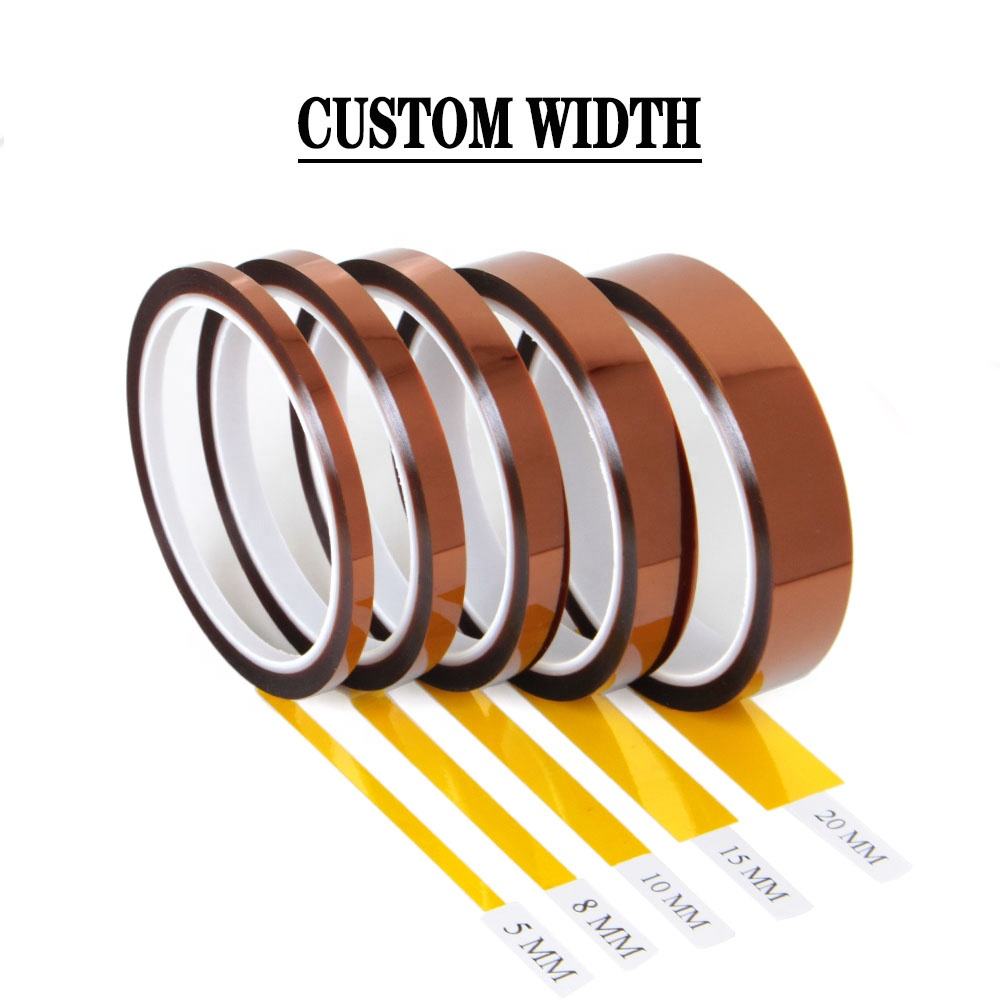
- Polyimide (Kapton): Withstands continuous exposure to 400°C (752°F), ideal for aerospace and semiconductor manufacturing.
- Nomex® Aramid Fiber: A fire-retardant synthetic fiber that self-extinguishes, meeting NFPA 70 (NEC) and IECEx standards.
- Fluoropolymer Coatings: Resist UV radiation, ozone, and chemical corrosion in oil rigs or marine environments.
2. Thermally Stable Adhesives
- Silicone-Based Formulations: Maintain tackiness from -50°C (-58°F) to 300°C (572°F), ensuring adhesion during thermal cycling.
- Ceramic-Infused Adhesives: Reflect radiant heat, reducing surface temperatures by up to 40°C (72°F) in industrial motors.
3. Electrical Performance Metrics
- Dielectric Strength: Up to 30,000 volts, preventing arcing in EV inverters or wind turbine transformers.
- Insulation Resistance: 10^12 ohms·cm, exceeding IEC 60335-1 requirements for household appliances.
Why Generic Tapes Fail Under Thermal Stress
Standard electrical tapes degrade due to three inherent weaknesses:
- Thermal Softening: PVC-based tapes lose rigidity above 80°C (176°F), creating insulation gaps.
- Adhesive Degradation: Non-silicone adhesives release volatiles when heated, causing delamination.
- UV Degradation: Yellowing and cracking within months under sunlight or UV-rich industrial settings.
Heat resistant electrical tape overcomes these limitations through:
- Cross-Linked Polymer Networks: Resist thermal expansion and maintain flexibility.
- Oxidation-Resistant Additives: Extend lifespan in humid or chemically aggressive environments.
Applications Where Standard Tapes Fall Short
1. Electric Vehicle (EV) Battery Systems
- Insulate high-voltage battery packs operating at 800V+ in Tesla Model S Plaid.
- Bundle motor cables in inverters, where temperatures reach 150°C (302°F).
2. Renewable Energy Infrastructure
- Secure solar panel wiring in desert installations (ambient temps up to 60°C/140°F).
- Protect offshore wind turbine generators from saltwater corrosion and thermal fatigue.
3. Aerospace & Defense
- Bundle wiring in jet engines exposed to 250°C (482°F) exhaust gases.
- Label hydraulic lines in F-35 fighter jets per NATO STANAG 4370 standards.
4. Industrial Automation
- Bundle robotic cables near welding stations (temperatures up to 200°C/392°F).
- Label machinery in food processing plants with HACCP-compliant thermal labels.
5. Hydrogen Fuel Cells
- Insulate bipolar plates operating at 120°C (248°F) in Toyota Mirai.
- Bundle cryogenic cooling system cables in liquid hydrogen storage.
Matching Tape to Application
Selecting the right tape requires precision. Key considerations include:
1. Temperature Gradients
- Intermittent Heat (200°C–300°C): Use silicone-adhesive tapes with fiberglass reinforcement.
- Continuous Heat (300°C+): Opt for polyimide-backed tapes with ceramic-filled adhesives.
2. Electrical Load Requirements
- Low Voltage (600V): Household appliances and lighting systems.
- High Voltage (30kV+): Power grids and renewable energy substations.
3. Mechanical Durability
- Tear Resistance: ASTM D1000 ratings for high-abrasion environments (e.g., mining equipment).
- Abrasion Resistance: Pass Taber abrasion tests (CS-10F wheel, 1,000 cycles).
4. Certifications & Compliance
- UL 510: Standard for electrical tape performance.
- IECEx/ATEX: Hazardous area compliance for oil and gas.
- RoHS 3: Free from lead, mercury, and phthalates.
Installation Best Practices for Peak Performance
1. Surface Preparation
- Clean with isopropyl alcohol (90%+) to remove oils and contaminants.
- Roughen smooth surfaces (e.g., aluminum) with 600-grit sandpaper.
2. Application Techniques
- Overlap layers by 30–50% to prevent thermal bridging.
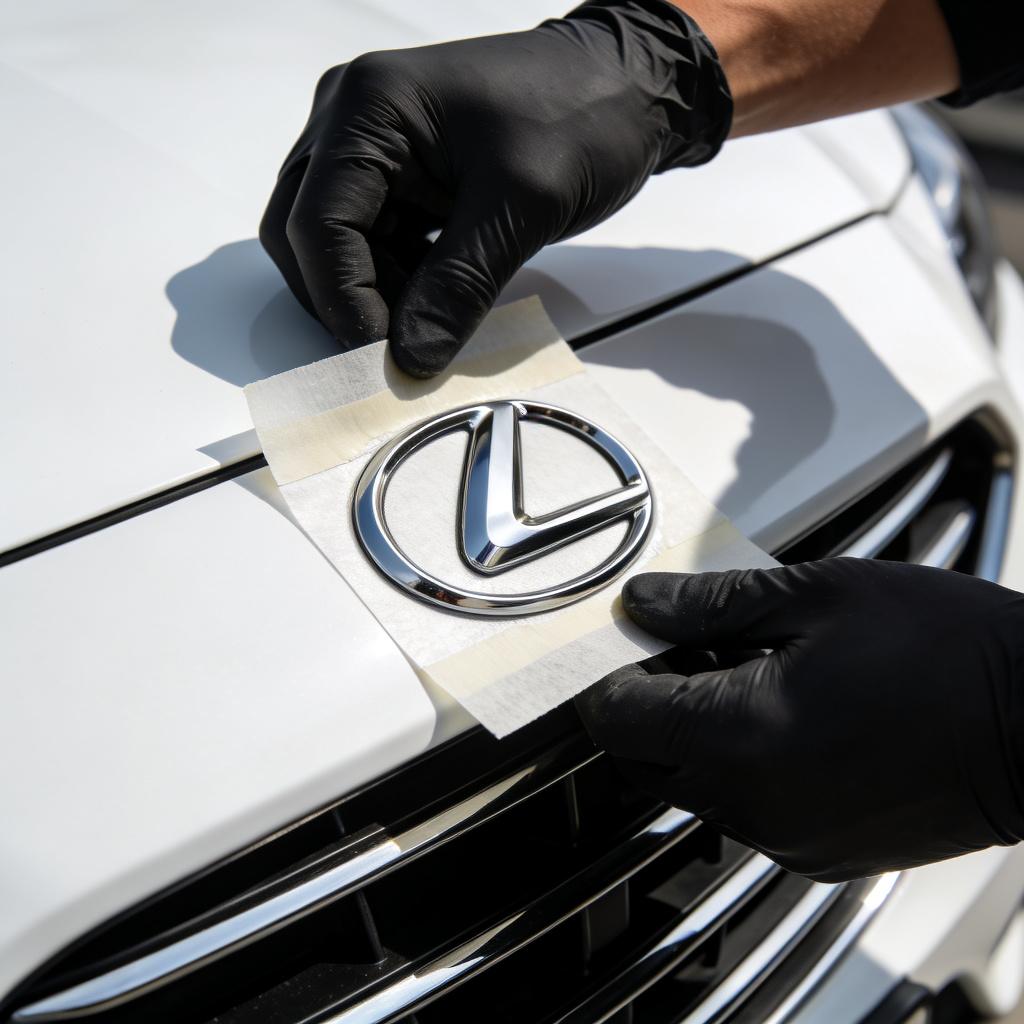
- Use heat-resistant masking tape to hold layers during curing (30-minute intervals).
3. Layering Strategy
- For temperatures above 200°C, apply 2–3 layers with intermediate curing.
- Use fiberglass-reinforced tape in vibration-prone areas (e.g., motors).
Why JIAOTAOTAO Leads the Industry
1. Proprietary Innovations
- NanoThermix™ Adhesive: A ceramic-infused formula that reflects 95% of radiant heat, tested to ASTM E490.
- Cryotherm™ Range: Tapes rated for -100°C (-148°F) in cryogenic systems.
2. Custom Engineering Solutions
- Widths: 3mm–150mm for robotics, aerospace harnesses, or solar arrays.
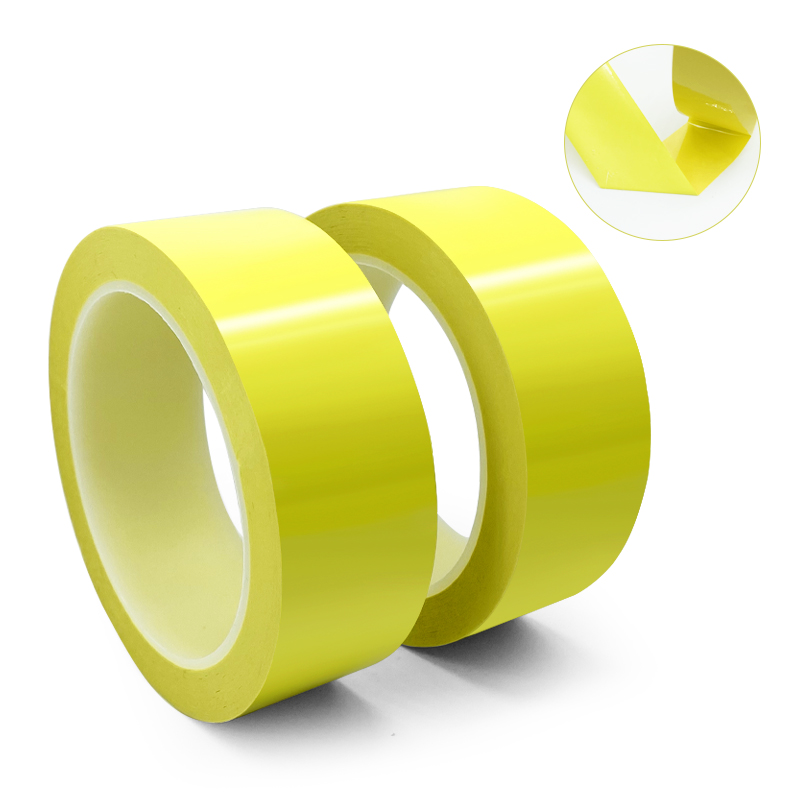
- Custom Colors: High-visibility neon tapes for safety protocols (e.g., NFPA 70E).
3. Third-Party Validation
- Passed 1,000-hour thermal aging tests per ASTM D3330.
- Certified for ATEX Zone 21 (dust explosion risk) in mining applications.
4. Sustainability Initiatives
- Recyclable polyimide films via ISO 14001-certified programs.
- Water-based fluoropolymer adhesives with zero VOC emissions.
The Future of Thermal Management
Emerging trends reshaping the market:
- IoT-Enabled Tapes: Embedded sensors monitor temperature and adhesion in real time.
- Hydrogen Fuel Cells: Insulating bipolar plates operating at 120°C (248°F).
- Space Exploration: Thermal protection systems for lunar rovers (-173°C to 120°C).
FAQs: Addressing Real-World Challenges
1. Can this tape be used in cryogenic environments?
Yes! Select grades tolerate -100°C (-148°F) with acrylic adhesives.
2. How do I remove residue without damaging surfaces?
Use a high-pressure airblast (30 psi) or isopropyl alcohol—avoid mechanical scraping.
3. Does your tape meet IEC 60335-1 standards?
Yes, all products comply with international safety regulations for household appliances.
4. What’s the shelf life?
Stored in sealed packaging at 25°C (77°F), shelf life exceeds 5 years.
Conclusion: Redefining Reliability in Extreme Environments
Heat resistant electrical tape is not merely an adhesive—it’s a strategic asset for industries where failure is unacceptable. From insulating EV battery systems to securing wind turbine components, our tape delivers unmatched performance through material innovation and rigorous testing.
By choosing heat resistant electrical tape, you’re investing in safety, compliance, and operational efficiency. Partner with a leader committed to solving thermal challenges while reducing lifecycle costs.
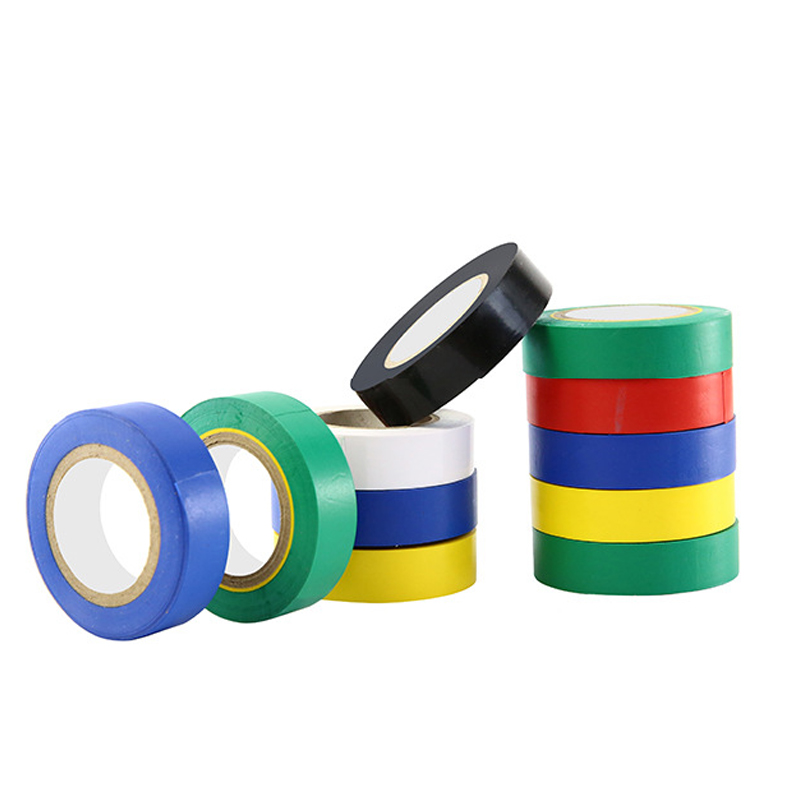
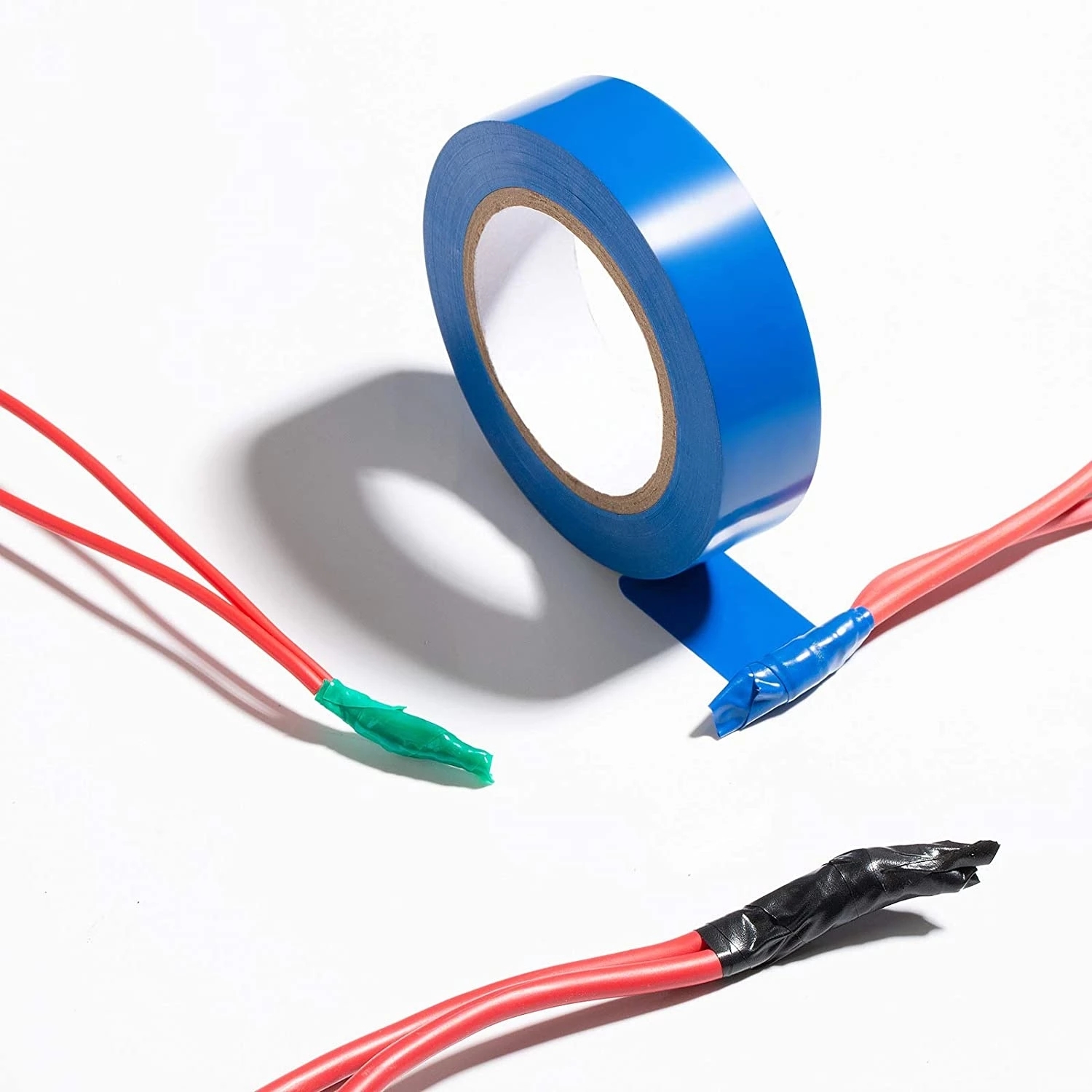
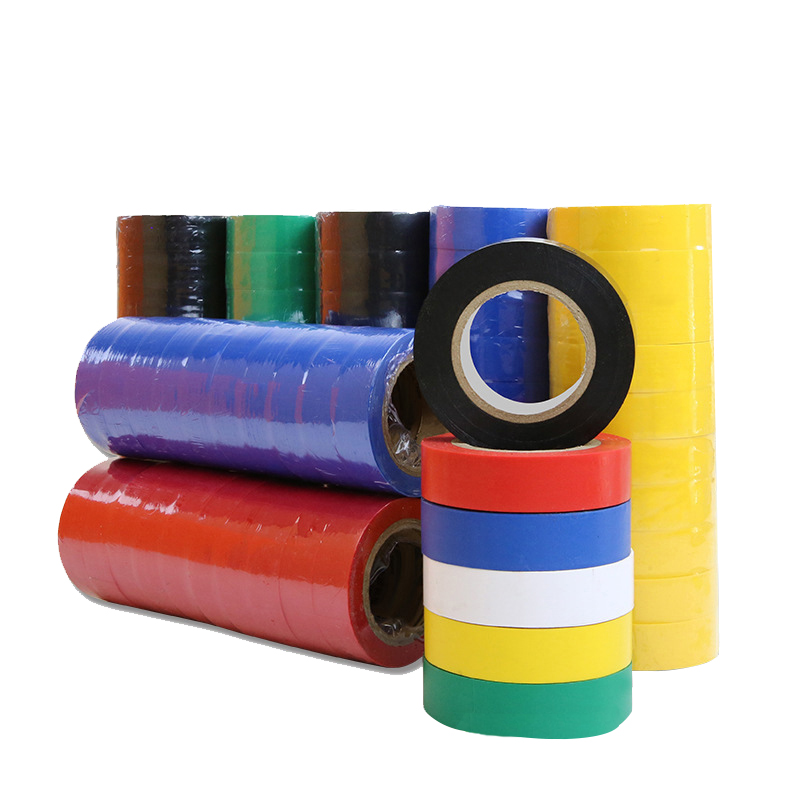
? Shop Now: Explore our heat-resistant tape portfolio.
? Consult Experts: Get application-specific recommendations.
? Bulk Orders: Save 30% with enterprise pricing.
Heat Proof Electrical Tape: Ultimate Guide to Thermal Performance & Industrial Reliability
High Heat Electrical Tape: Engineered for Extreme Conditions & Industrial Reliability

Need help choosing the right industrial tape?
Send us your application details, including temperature, surface material, size, quantity and current problem. Our team will help recommend a suitable tape material or custom die-cut solution.

simon@jiaotaotao.com


+86-136 1277 5969


+86-136 1277 5969
