
Chemical Resistant Tape: A Reliable Shield for Harsh Environments
High Temperature Chemical Resistant Tape
Introduction: Why Chemical Resistant Tape Matters in Industry
In industrial, chemical processing, pharmaceuticals, oil & gas, and many other sectors, equipment and infrastructure are continuously exposed to aggressive environments: acids, bases, organic solvents, corrosive gases, and moisture. Without proper protection, surfaces, seals, and joints degrade prematurely, leading to equipment failure, downtime, maintenance costs, and safety risks. That’s where chemical resistant tape plays a pivotal role. As a barrier and sealing medium, it helps preserve integrity, reduce leaks, and extend service life.
Unlike generic tapes, chemical resistant adhesive tapes are engineered with advanced backings (e.g. PTFE, fluoropolymer, silicone, or high-grade polymers) and specialty adhesives formulated to withstand harsh chemicals without breaking down, swelling, or losing adhesion.
Key Properties & Technical Requirements
Chemical Resistance & Compatibility
A core requirement is compatibility with the target media: acids, alkalis, organic solvents, or salt solutions. For instance, PTFE or fluoropolymer tapes resist many aggressive chemicals because the polymer backbone is inert. CS Hyde lists that chemically resistant tapes can be made with PTFE or tensilized / skived PTFE films to ensure high resistance. :contentReference[oaicite:0]{index=0}
Temperature & Thermal Stability
Many industrial processes operate at elevated temperatures or cycling conditions. The tape must maintain adhesion and structural stability in those ranges. A good example is 3M’s “chemical resistant adhesive transfer tape” series, used in demanding environments such as wearable device bonding, resisting sweat, cleaners, humidity, and more. :contentReference[oaicite:1]{index=1}
Adhesion Strength & Durability
Even with chemical resistance, a tape must bond reliably to common substrate materials (metals, composites, plastics) under stress, vibration, or expansion/contraction. Peel strength, shear strength, and retention after chemical exposure are key metrics.
Flexibility, Thinness & Conformability

For many sealing or overlap applications, a tape must flex around curves or irregular geometry. Thin but strong materials help avoid bulk while maintaining barrier performance.
Common Applications & Use Cases
Pipelines, Valves & Fittings
In oil & gas, chemical processing, water treatment, piping systems are continually exposed to corrosive fluid, salts, and aggressive chemicals. Using a **chemical resistant tape roll** as a wrap or secondary seal can prevent leaks or corrosion under insulation (CUI). The “chemical resistant tape for pipelines” is a valuable search phrase for buyers in these sectors.
Tank Linings, Bund Walls, and Secondary Containment
Bund walls or spill containment zones often require liners and sealing to prevent chemical seepage. In such cases, **industrial chemical protection tape** helps seal seams or attach liner panels securely.
Equipment & Machinery Sealing
Components like pumps, agitators, reactors, heat exchangers may require gasketless sealing or local patches. A high-performance **chemical resistant duct tape** variant might be used as an emergency repair or supplemental seal under controlled conditions.
Electronics, Sensors & Instrumentation
In more delicate environments, electronics might face exposure to cleaning solvents, humidity, or acids. 3M’s chemical-resistant adhesive tape (e.g. series 962CR) is used to bond lens pieces or protect electronics in harsh environments. :contentReference[oaicite:2]{index=2}
PPE & Protective Gear Seams

Kappler’s **ChemTape®** is an example of a specialized chemical-resistant tape used to tape seams of protective suits, boots, gloves, or storm flaps in hazardous environments. :contentReference
How to Choose the Right Chemical Resistant Tape
Define the Chemical Exposure Profile
Begin by listing all chemicals, concentrations, pH, temperature, and duration. Consult chemical resistance charts to select backing/adhesive materials (e.g. PTFE, ETFE, FEP, silicone, fluorosilicone).
Check Temperature Limits
Select tape rated for your highest operating temperature plus safety margin. If your process cycles to high heat, a **high temperature chemical resistant tape** is necessary.
Adhesion to Substrate
Consider surface energy, roughness, cleanliness, and possible primer requirements. Some tapes require primers or surface treatment for long-term adhesion.
Thickness and Flexibility
Balancing barrier performance and flexibility is key, especially in curved or dynamic areas. Ultra-thin tapes are useful for constrained spaces.
Certifications & Compliance

For regulated industries (pharma, food, aerospace), ensure the tape meets relevant standards (e.g. USP Class, FDA, UL, RoHS). Reliable suppliers often publish datasheets and test reports.
Case Study: Chemical Resistant Tape in a Manufacturing Plant
Consider a chemical plant producing specialty acids. The piping network was experiencing leak issues in insulating jackets due to chemical vapor intrusion and corrosion under insulation (CUI). The maintenance team decided to wrap vulnerable joints using a **PTFE chemical resistant tape** of 0.25 mm thickness over a primer-treated metal surface.
Over a six-month trial, the wrapped joints showed no signs of corrosion or degradation under exposure to acid fumes, whereas control joints (no wrap) required repair. The plant reported cost savings by reducing unplanned downtime and maintenance cycles. This real-world outcome underscores the ROI potential for high-quality chemical resistant barrier tapes.
SEO & B2B Marketing Strategy Tips for Selling Chemical Resistant Tape
Use Long-Tail Keywords Strategically
In your product descriptions, blog articles, and landing pages, naturally incorporate long-tail phrases like **“chemical resistant tape supplier,” “acid and alkali resistant tape,” “chemical resistant tape roll”** etc. These help you catch procurement-level search queries. Use them in headings, alt texts of images, meta tags, and internal links.
Provide Technical Resources & Datasheets
Offer downloadable datasheets, chemical compatibility tables, and case studies. This both aids trust and gives content that can attract links and SEO ranking.
Use Product Imagery & Alt Text
Include images of your tape in real environments (e.g. wrapped pipes, lab setups). Use descriptive alt texts containing keywords. Example: `
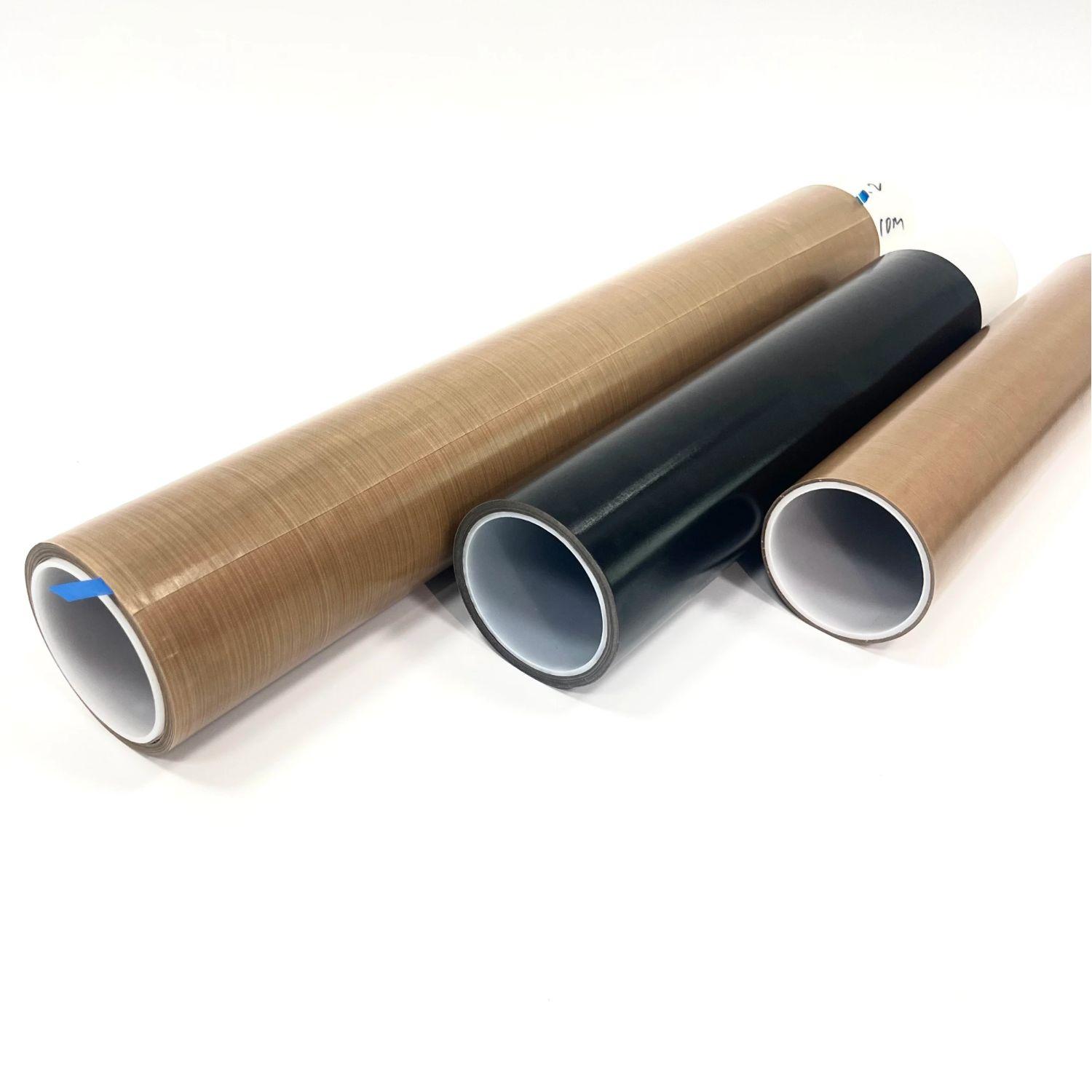
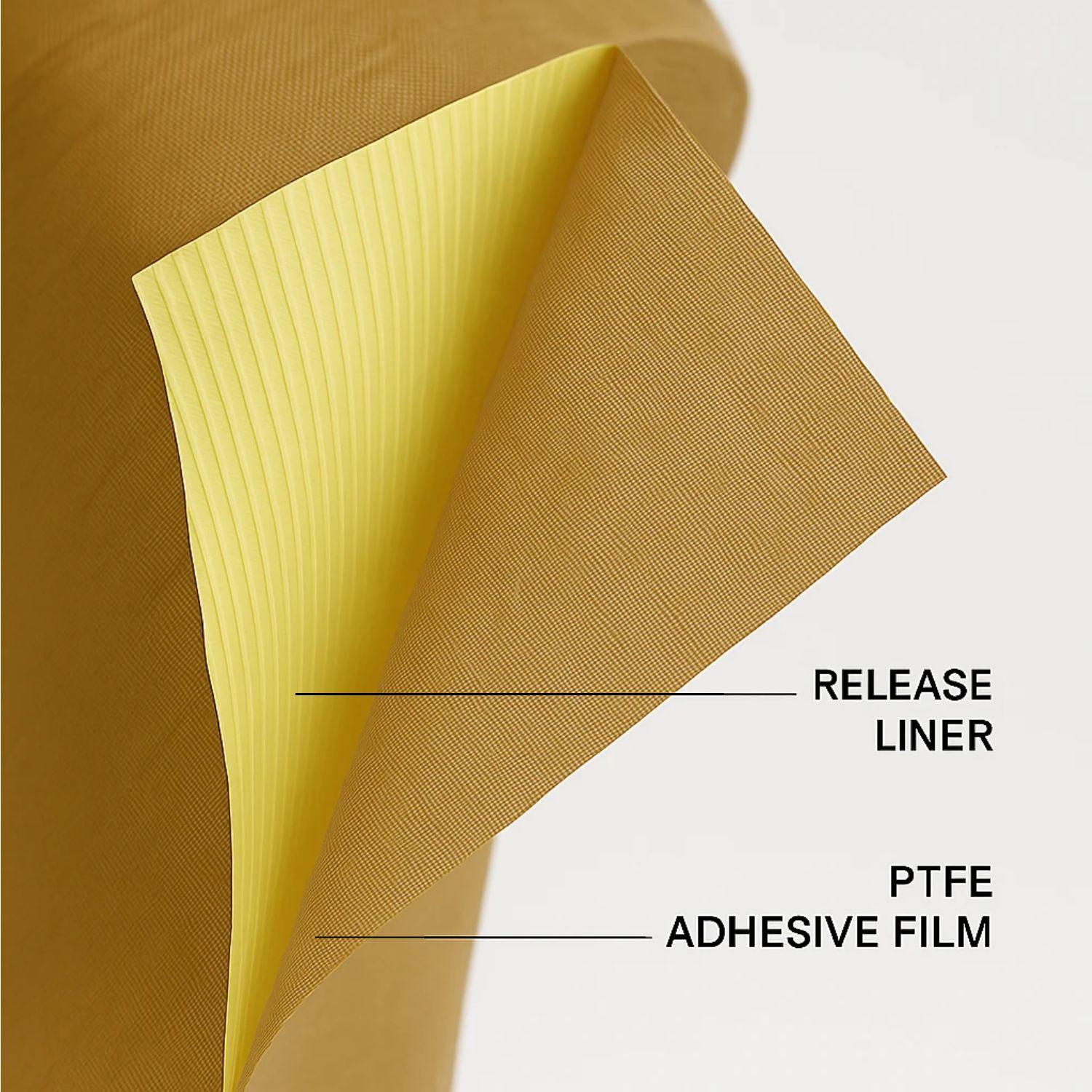
And a close-up view of the adhesive side:
Contact & Ordering Information
If you’re evaluating chemical resistant tape solutions for industrial or commercial use, we welcome your inquiries. We can provide technical consultation, sample testing, and full specification assistance.
Contact Us:
Email: Jiaotaotao01@gmail.com
Phone: +86 136 1277 5969
Company Website: https://www.clothadhesive.com/
We look forward to helping you choose the optimal chemical resistant tape for your project.
Sterilization PI Tape: High-Reliability Polyimide Tape for Industrial Sterilization Processes
Silicone PI Tape – The Ultimate Heat-Resistant Polyimide Solution for Industrial Applications
Related Article

Need help choosing the right industrial tape?
Send us your application details, including temperature, surface material, size, quantity and current problem. Our team will help recommend a suitable tape material or custom die-cut solution.

simon@jiaotaotao.com


+86-136 1277 5969


+86-136 1277 5969
