
Tape for OLED Display: Revolutionizing Flexible Screen Manufacturing with Premium PET Adhesives
In the rapidly advancing world of display technology, OLED (Organic Light-Emitting Diode) screens are dominating the market with their vibrant colors, energy efficiency, and flexibility. However, the production and maintenance of these delicate displays demand specialized materials to ensure durability, precision, and longevity. Enter tape for OLED display—a game-changing solution engineered to meet the unique challenges of flexible screen manufacturing. This article dives into the technical excellence of PET-based tapes, their critical role in OLED production, and why they are the preferred choice for leading manufacturers worldwide.
1. Why Tape for OLED Display is Critical for Modern Electronics
OLED displays are celebrated for their thin, lightweight designs and curved or foldable form factors. However, their sensitivity to heat, moisture, and mechanical stress poses significant challenges during fabrication and end-use. Tape for OLED display addresses these pain points by providing:
- Flexible Adhesion: Conforms to curved surfaces without compromising pixel integrity.
- Thermal Stability: Withstands soldering and laser-cutting processes at high temperatures.
- Electromagnetic Shielding: Protects against signal interference in advanced touchscreens.
- UV and Moisture Resistance: Prevents degradation in diverse environmental conditions.
As the global OLED market grows at a CAGR of 12.3% (2023–2030), driven by demand for smartphones, TVs, and wearables, the need for reliable tapes for OLED display has never been greater.
2. Technical Specifications of Premium PET Tapes for OLED Displays
Our PET tape for OLED display is engineered with precision to exceed industry standards. Below are its key technical features:
| Parameter | Specifications |
|---|---|
| Base Material | High-grade polyethylene terephthalate (PET) |
| Adhesive Type | Acrylic-based, low residue, high tack |
| Thickness | 0.025–0.125 mm (customizable for ultra-thin screens) |
| Temperature Resistance | -40°C to 200°C (continuous); short-term 260°C |
| Dielectric Strength | 5,000 V/mil (per ASTM D149) |
| Optical Clarity | 95%+ light transmission for seamless displays |
| Certifications | RoHS, REACH, ISO 9001, and UL 969 compliance |
Why PET? Unlike traditional PVC or polyimide tapes, PET combines exceptional flexibility with cost-effectiveness, making it ideal for high-volume manufacturing.
3. Applications of Tape for OLED Display in Manufacturing
From assembly lines to consumer use, PET tapes for OLED display are indispensable across multiple stages:
A. Flexible Screen Production
- Pixel Protection: Shields OLED layers during lamination and encapsulation, preventing delamination.
- Edge Sealing: Creates airtight seals to block oxygen and moisture, extending screen lifespan.
- Temporary Fixturing: Holds components in place during laser trimming without residue.
B. Advanced Display Technologies
- Foldable Phones: Maintains adhesion through repeated bending cycles (tested for 100,000+ flexures).
- Transparent Screens: Ultra-clear adhesive preserves screen transparency for AR/VR applications.
- Roll-to-Roll Processing: Compatible with automated roll systems for scalable production.
C. Post-Manufacturing Applications
- Consumer Repairs: Reusable tape for DIY screen replacements without damaging OLED panels.
- Wearable Devices: Lightweight adhesion for curved smartwatches and fitness trackers.

4. Competitive Advantages Over Traditional Solutions
A. vs. Polyimide Tapes
While polyimide tapes excel in high-temperature settings, they are costly and less flexible. Our PET tape achieves similar performance at 40% lower cost, making it ideal for mid-to-high-volume production.
B. vs. Epoxy-Based Adhesives
Epoxy resins cure slowly and require high heat, risking OLED pixel damage. PET tapes offer instant adhesion at room temperature, streamlining workflows.
C. Sustainability
Recyclable PET substrates align with eco-conscious manufacturing trends, reducing electronic waste.
5. How to Choose the Right Tape for OLED Display
Selecting the optimal tape requires careful consideration of:
- Flexibility Requirements: Thinner tapes (0.025mm) suit foldable screens; thicker variants (0.125mm) suit rigid displays.
- Thermal Cycling Resistance: Ensure the tape withstands repeated temperature fluctuations during device use.
- Adhesive Compatibility: Acrylic adhesives bond well with glass, metal, and polymer substrates.
- Certifications: Verify compliance with industry standards (e.g., IEC 61249-2-21 for electromagnetic shielding).
Pro Tip: Partner with suppliers offering sample kits for adhesion and durability testing.
6. Market Trends Shaping Tape for OLED Display Demand
- Mini-LED Integration: Requires tapes that insulate micro-LED arrays without interfering with light uniformity.
- Holographic Displays: Demands ultra-thin, optically clear tapes for 3D layering.
- IoT and Wearables: Growing need for water-resistant tapes in smart jewelry and medical wearables.
According to industry reports, the tape for OLED display market will reach $850 million by 2030, fueled by innovations in foldable and transparent displays.
7. Partnering with a Trusted Manufacturer
When sourcing tapes for OLED display, prioritize suppliers with:
- R&D Expertise: Custom formulations for niche applications (e.g., under-display cameras).
- Scalability: Bulk production capabilities with quick turnaround times.
- Quality Assurance: Advanced testing labs for peel strength, UV resistance, and optical clarity.
Our Commitment: We offer ISO-certified manufacturing, 24/7 technical support, and a 10-year warranty on all tapes for OLED display.
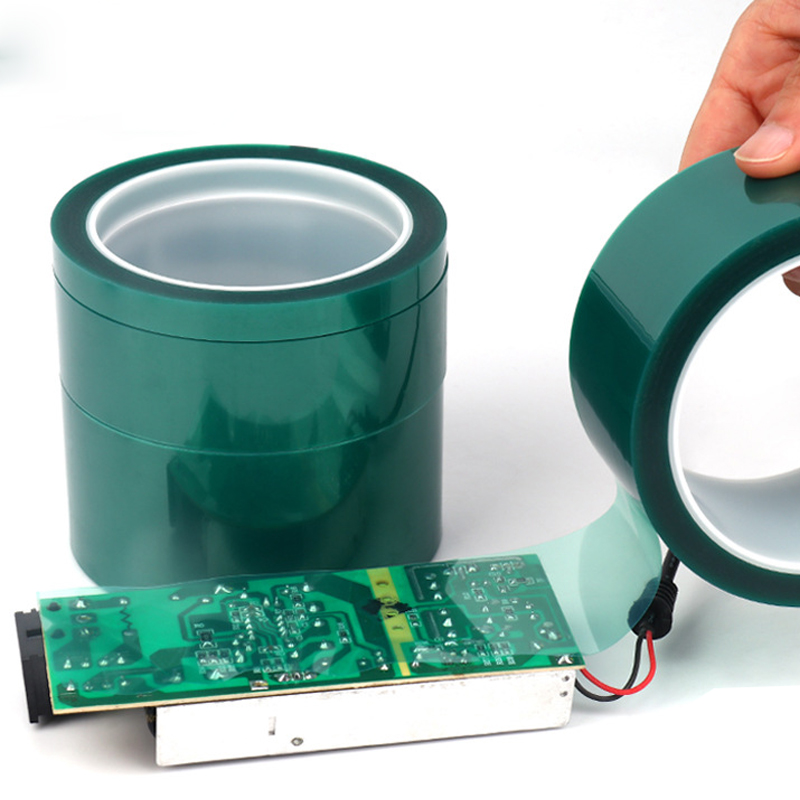
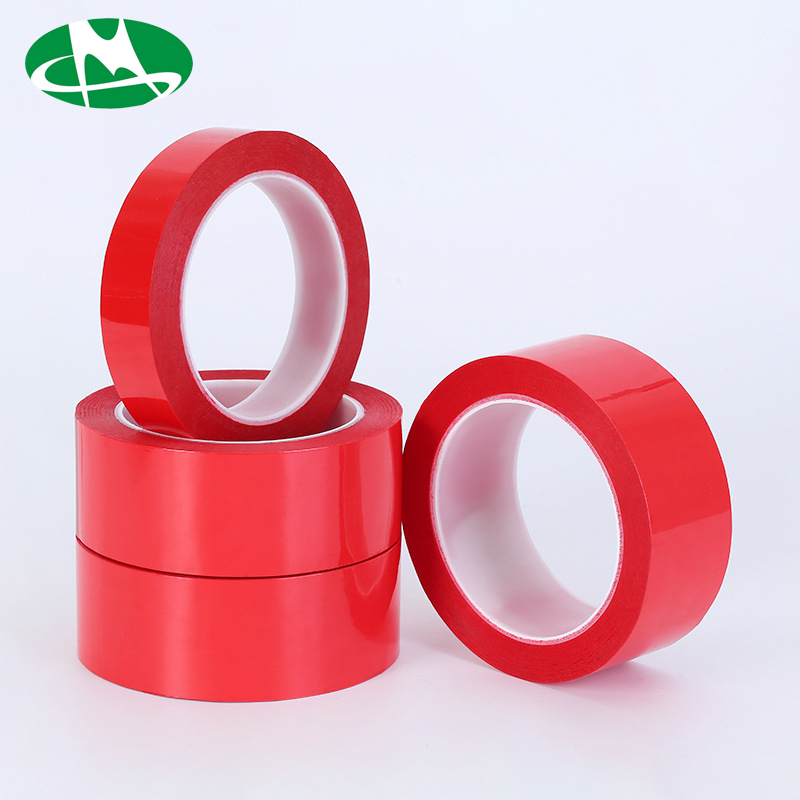
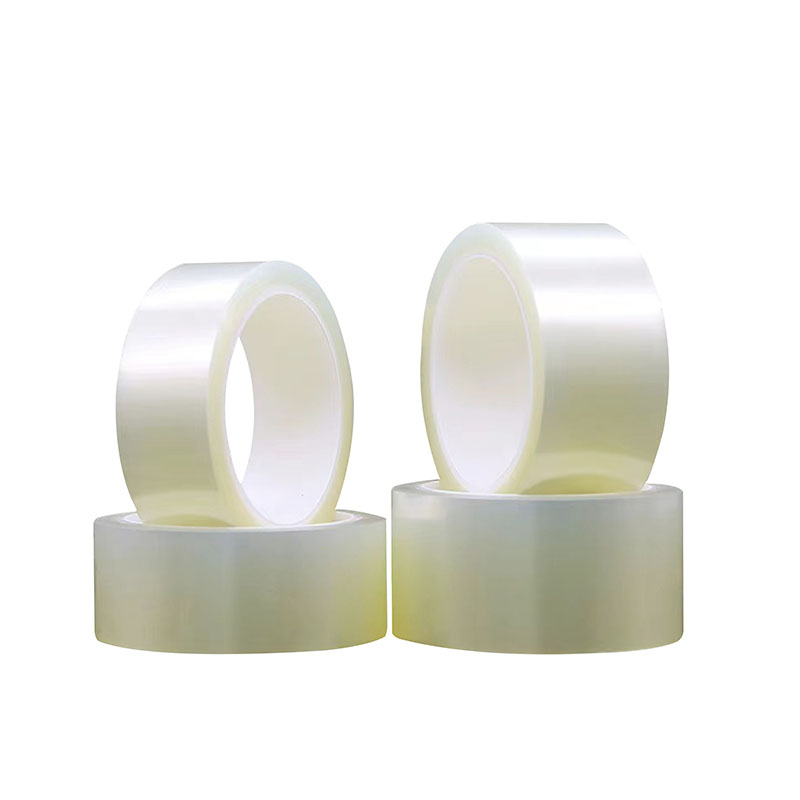
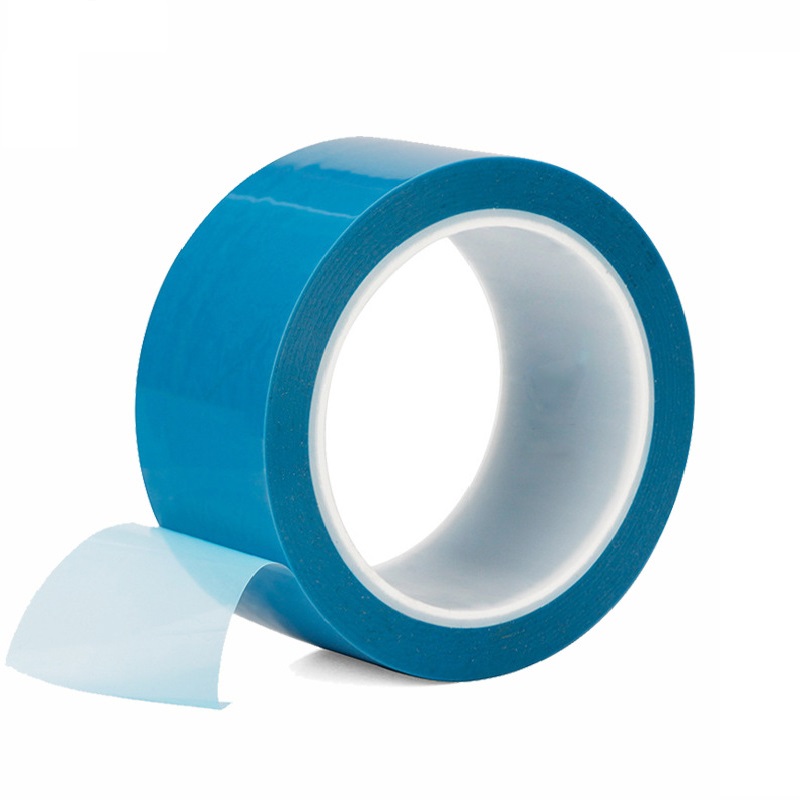
Tape for OLED display is not just an adhesive—it’s a critical enabler of next-gen display technology. By combining flexibility, thermal resilience, and cost-efficiency, PET-based tapes empower manufacturers to innovate faster while delivering superior products to consumers. As the demand for foldable screens, IoT devices, and wearable tech surges, investing in premium tapes for OLED display will be pivotal for staying ahead in the competitive electronics landscape.
Choose a partner that delivers reliability, precision, and future-ready solutions—because every pixel deserves perfection.
FAQs
Q1: Can PET tape for OLED display be used in high-humidity environments?
A: Yes! Its hydrophobic coating resists moisture absorption, ensuring performance in humid or marine conditions.
Q2: How does it compare to UV-curable tapes?
A: Unlike UV tapes, our PET adhesive requires no curing time, simplifying production and reducing energy costs.
Q3: Is it safe for consumer repairs?
A: Absolutely! Our reusable tapes are non-toxic and leave zero residue when removed.
Q4: Does it interfere with touch sensitivity?
A: No. The ultra-thin design preserves touchscreen responsiveness with minimal thickness (<0.05mm).
Q5: Are there custom sizes or shapes available?
A: Yes! We provide die-cut solutions for unique display geometries.
Tape for Lithium Battery Insulation: Elevating Safety & Efficiency with Premium PET Adhesives
Premium PET Tape for FPC Flexible Circuit Bonding: Technical Insights and Industry-Proven Applications

Need help choosing the right industrial tape?
Send us your application details, including temperature, surface material, size, quantity and current problem. Our team will help recommend a suitable tape material or custom die-cut solution.

simon@jiaotaotao.com


+86-136 1277 5969

+86-136 1277 5969
