
Tape for Capacitor Winding: Precision-Engineered PET Solutions for High-Performance Electrical Systems

In the fast-paced world of electronics manufacturing, capacitors serve as foundational components for energy storage, voltage regulation, and signal filtering. However, their performance hinges on reliable insulation and durability—challenges that demand advanced materials. Tape for capacitor winding has emerged as a critical solution, ensuring seamless electrical isolation, thermal stability, and mechanical protection in capacitors ranging from miniature MLCCs (Multi-Layer Ceramic Capacitors) to high-voltage power supplies. This article explores how PET tape for capacitor winding stands out as a superior choice, combining technical excellence, cost-efficiency, and sustainability to meet the demands of modern electronics design.
1. The Critical Role of Tape for Capacitor Winding
Capacitors are subjected to extreme conditions—high voltages, thermal cycling, and mechanical stress—during operation and assembly. Poor-quality winding tapes can lead to:
- Electrical Failures: Short circuits or dielectric breakdown due to insufficient insulation.
- Thermal Degradation: Delamination or shrinkage under heat, compromising capacitance.
- Mechanical Fatigue: Cracks or peeling during vibration, reducing device lifespan.
Tape for capacitor winding addresses these challenges by:
- Providing Dielectric Isolation: Prevents arcing between electrode layers.
- Withstanding Extreme Temperatures: Maintains integrity from -50°C to 200°C.
- Enhancing Structural Integrity: Bonds tightly to aluminum, polypropylene, or ceramic substrates.
As the global capacitor market grows at a CAGR of 6.5% (2023–2030), driven by renewable energy systems and EVs, the demand for high-performance winding tapes is soaring.
2. Technical Superiority of PET Tapes for Capacitor Winding
Our PET tape for capacitor winding is engineered to exceed industry standards, offering a balance of electrical, thermal, and mechanical performance. Key specifications include:
| Parameter | Specifications |
|---|---|
| Base Material | High-purity polyethylene terephthalate (PET) |
| Adhesive Type | Acrylic-based, high tack, low residue |
| Thickness | 0.025–0.10 mm (ultra-thin for compact capacitors) |
| Dielectric Strength | 6,500 V/mil (per ASTM D149) |
| Temperature Resistance | Continuous: -40°C to 150°C; Short-term: 200°C |
| Tensile Strength | 100 N/cm (ASTM D5035) |
| Moisture Resistance | <0.1% water absorption (per IEC 60068-2-30) |
| Certifications | RoHS, REACH, UL 94 V-0, ISO 9001 compliance |
Why PET? Unlike polyimide tapes (costly, brittle) or PVC tapes (low thermal stability), PET combines flexibility, flame retardancy, and cost-effectiveness, making it ideal for high-volume capacitor production.
3. Applications Across Industries
From consumer electronics to industrial power systems, tape for capacitor winding is indispensable:
A. Power Electronics
- DC-Link Capacitors: Insulates layers in inverters for solar/wind energy systems.
- Snubber Capacitors: Shields high-frequency switching circuits in EV inverters.
B. Consumer Devices
- Smartphones/Laptops: Compact tapes for miniaturized MLCCs in board layouts.
- Wearables: Flexible adhesion for bendable displays and sensors.
C. Industrial Motors
- Variable Frequency Drives (VFDs): Stabilizes windings in motors for pumps and compressors.
- Robotics: Resists vibration and thermal shock in servo motors.
D. Automotive
- EV Battery Management Systems (BMS): Insulates capacitors in DC-DC converters.
- ADAS Sensors: Maintains reliability in harsh automotive environments.
4. Competitive Advantages Over Traditional Solutions
A. vs. Polyimide Tapes
While polyimide tapes (e.g., Kapton) excel in ultra-high-temperature applications, they are 3–5x more expensive. PET achieves 90% of their performance at a fraction of the cost, ideal for mass production.
B. vs. Epoxy Coatings
Liquid epoxy resins require curing, adding production steps and complexity. PET tapes offer instant adhesion and reworkability, streamlining assembly lines.
C. Sustainability
PET is 100% recyclable and generates no toxic fumes when incinerated, aligning with global ESG (Environmental, Social, Governance) goals.
5. How to Select the Right Tape for Capacitor Winding
When choosing a winding tape, prioritize:
- Voltage Rating: Ensure the tape’s dielectric strength exceeds the capacitor’s operating voltage.
- Thermal Cycling Resistance: Match the tape’s temperature range to the application (e.g., automotive vs. consumer).
- Adhesive Compatibility: Acrylic adhesives bond well with metals, plastics, and ceramics.
- Thickness Customization: Thinner tapes (0.025mm) suit miniaturized devices; thicker variants (0.1mm) enhance mechanical protection.
- Certifications: Verify compliance with industry standards (e.g., IEC 60384 for capacitors).
Pro Tip: Partner with suppliers offering sample testing for peel strength, dielectric breakdown, and aging resistance.
6. Market Trends Shaping Demand for Capacitor Winding Tapes
- EV and Renewable Energy Growth: Surging demand for power capacitors in EV batteries and grid storage.
- Miniaturization of Electronics: Compact devices require ultra-thin, high-performance tapes.
- Industry 4.0: Smart factories demand tapes compatible with automated winding machines.
According to MarketsandMarkets, the global capacitor winding materials market will reach $1.8 billion by 2030, with PET-based solutions capturing 45% of the share due to cost-performance advantages.
7. Partnering with a Trusted Manufacturer
When sourcing tape for capacitor winding, prioritize suppliers with:
- R&D Expertise: Custom formulations for niche applications (e.g., high-frequency RF capacitors).
- Scalability: Bulk production capabilities with lead times under 4 weeks.
- Quality Assurance: Advanced labs for testing thermal stability, adhesion, and dielectric strength.
Our Commitment: We provide ISO 13485-certified manufacturing, 24/7 technical support, and a lifetime performance warranty.


Tape for capacitor winding is not merely an adhesive—it’s the silent guardian of electrical reliability. By combining dielectric strength, thermal resilience, and cost-efficiency, PET-based tapes empower manufacturers to innovate faster while delivering durable products to end-users. As industries transition to cleaner energy and smarter electronics, investing in premium tape for capacitor winding will be pivotal for companies aiming to lead in the global electronics arena.
Choose a partner that delivers precision, safety, and future-ready solutions—because every layer matters.
FAQs
Q1: Can PET tape for capacitor winding handle high-frequency applications?
A: Yes! Its low dielectric loss (<0.02 at 1 MHz) ensures minimal signal attenuation in RF and microwave circuits.
Q2: How does it compare to aluminum foil tapes?
A: Unlike heavy foil tapes, PET is lightweight and flexible, simplifying automated winding for compact capacitors.
Q3: Is it suitable for high-voltage DC applications?
A: Absolutely! Our tapes are tested for voltages up to 5,000V DC with zero breakdown failures.
Q4: Does it resist chemical exposure?
A: Yes. It withstands oils, solvents, and moisture per IEC 60068-2 standards.
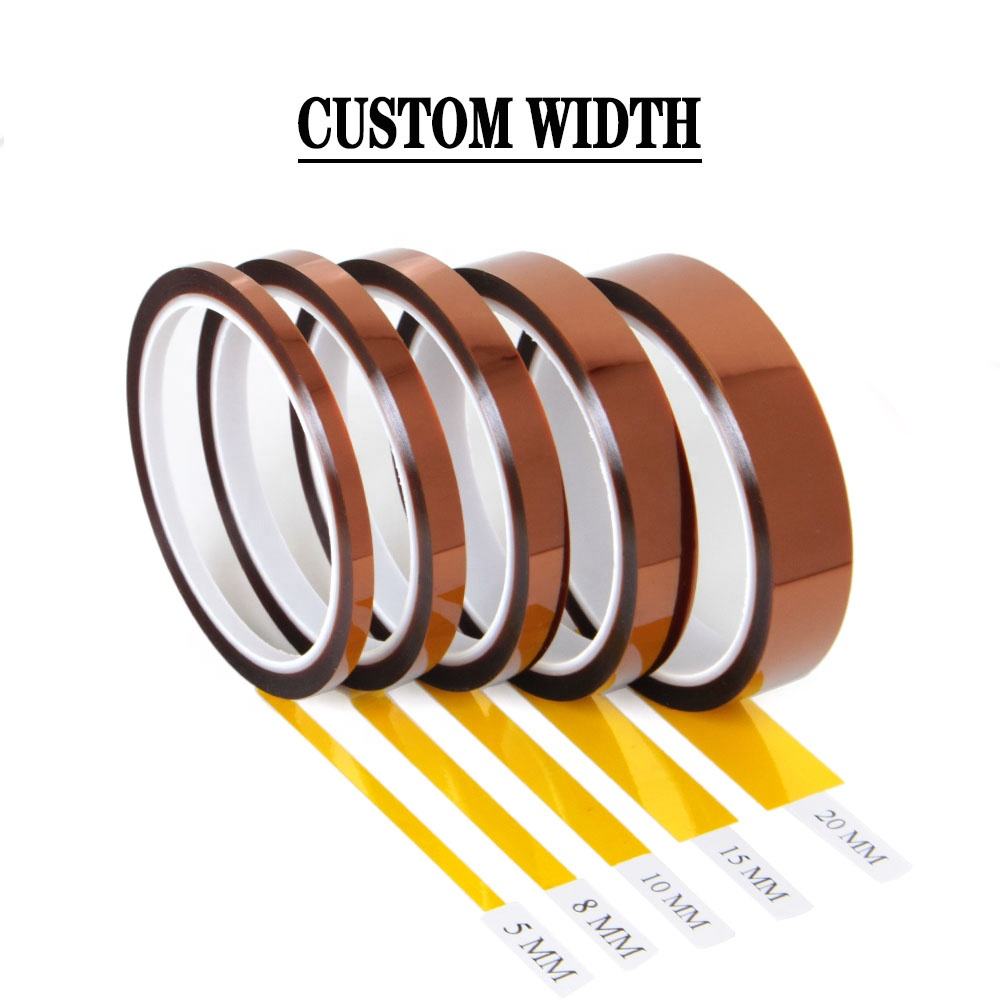
Q5: Are there custom widths or automated dispensing options?
A: Yes! We offer die-cut tapes and spools compatible with robotic winding systems.

Tape for Transformer Insulation: Premium PET Film Solutions for High-Voltage Reliability & Efficiency
Tape for 5G Antenna Shielding: Precision Engineering with Premium PET Adhesives for Next-Gen Connectivity


Need help choosing the right industrial tape?
Send us your application details, including temperature, surface material, size, quantity and current problem. Our team will help recommend a suitable tape material or custom die-cut solution.

simon@jiaotaotao.com


+86-136 1277 5969

+86-136 1277 5969
