
Field-Proven Strategies: Optimizing PCB Gold Finger Performance with High-Temperature PET Tapes

Industry Pain Points and Technical Imperatives
The rapid evolution of 5G communications and electric vehicle (EV) technology has intensified demands on PCB reliability. Field data from automotive OEMs reveals that 38% of PCB failures in power electronics originate from gold finger degradation during thermal cycling.
Traditional protective materials struggle to meet the dual requirements of thermal stability (>260°C) and electrical insulation in high-density interconnect (HDI) designs. This article presents actionable strategies for selecting and implementing PET tapes that address these challenges through material innovation and process optimization.
1. Material Selection Criteria for Extreme Environments
1.1 Substrate Engineering
Modern PET tapes utilize biaxially stretched polyethylene terephthalate (BOPET) with:
- Crystal orientation: 90%+ birefringence to minimize thermal expansion
- Thickness uniformity: ±3μm tolerance (ASTM D374)
- Surface energy: 52±2 mN/m (optimized for solder mask adhesion)
Case Study: A Tier 1 automotive supplier achieved 0.02mm² solder void reduction by switching to 38μm BOPET tape with 2% graphene reinforcement
1.2 Adhesive Formulation Advancements
Leading formulations combine:
- Silicone-acrylic hybrids: Phase-separated structures enable 260°C/30min retention of 15N/25mm adhesion
- Fluoropolymer additives: Reduce surface energy to <18mN/m for easy release
- UV stabilizers: Maintain 90%+ tensile strength after 500h QUV exposure
2. Application-Specific Implementation Protocols
2.1 Automotive Power Electronics
For EV inverter systems requiring 1,000+ thermal cycles (-40°C↔150°C):
- Pre-treatment: Plasma activation (O₂ plasma, 300W, 5min)
- Taping parameters:
- Pressure: 0.3MPa (3bar)
- Curing: 150°C/30min + 85°C/8h post-cure
- Inspection: X-ray fluorescence (XRF) for adhesive thickness verification
Performance Data:
| Parameter | Industry Standard | Optimized PET Tape |
|---|---|---|
| Thermal Shock Resistance | 50 cycles | 1,200 cycles |
| Dielectric Breakdown | 10kV/mm | 18kV/mm |
| Cost per m² ($) | 4.50 | 6.80 |
2.2 High-Frequency Communication Devices
For 5G mmWave applications (24-40GHz):
- Electromagnetic shielding: Metallized PET tapes (Al-Mg alloy, 5μm thickness) achieve 65dB attenuation at 30GHz
- Thermal management: Thermally conductive fillers (BN, AlN) reduce hot-spot temperatures by 12°C
Testing Protocol:
- Vector Network Analyzer (VNA) testing from 1MHz-67GHz
- Infrared thermography mapping
- EMI chamber compliance verification
3. Advanced Quality Control Systems
3.1 Real-Time Process Monitoring
Implement IoT-enabled inspection systems:
- Laser micrometer: ±1μm dimensional checks
- Spectrophotometry: Adhesive color consistency (ΔE<0.5)
- Acoustic emission: Detect delamination at <5μm scale
3.2 Accelerated Aging Protocols
Simulate 10-year service conditions using:
- Thermal cycling: -55°C↔260°C (1000 cycles/hour)
- Humidity bias: 85°C/85%RH + 10V bias
- Mechanical shock: 50G half-sine pulse (MIL-STD-883)
4. Cost-Benefit Analysis Framework
4.1 Financial Model for PCB Manufacturers
| Factor | Conventional Solution | High-Temp PET Tape |
|---|---|---|
| Material Cost/unit | $0.12 | $0.18 |
| Defect Rate (%) | 4.8 | 0.3 |
| Rework Cost/unit | $0.15 | $0.02 |
| MTBF (hours) | 6,500 | 28,000 |
| ROI Period | N/A | 8.2 months |
Assumptions: 500,000 units/month production, 5-year lifecycle
4.2 Sustainability Metrics
Eco-friendly formulations now achieve:
- Carbon footprint reduction: 42% (vs. traditional PVC)
- Recyclability: 92% via chemical depolymerization
- Energy consumption: 3.2kWh/kg (down from 7.5kWh/kg)
5. Emerging Trends and R&D Frontiers
5.1 Self-Healing Materials
Nanocapsule-embedded PET tapes demonstrate:
- Healing efficiency: 89% at 120°C
- Trigger mechanisms: Thermal activation (ΔT>50°C) or UV exposure
5.2 AI-Driven Process Optimization
Machine learning models predict:
- Optimal tape tension (±0.05N) for different PCB thicknesses
- Adhesive curing profiles based on real-time environmental data
6. Vendor Selection Checklist
When evaluating PET tape suppliers, prioritize:
- Certifications: ISO 9001, IATF 16949, UL 510
- Testing capabilities: In-house IPC-TM-650 lab
- Customization: Ability to produce <50μm thickness
- Technical support: On-site process audits
- Sustainability: REACH/ROHS compliance documentation
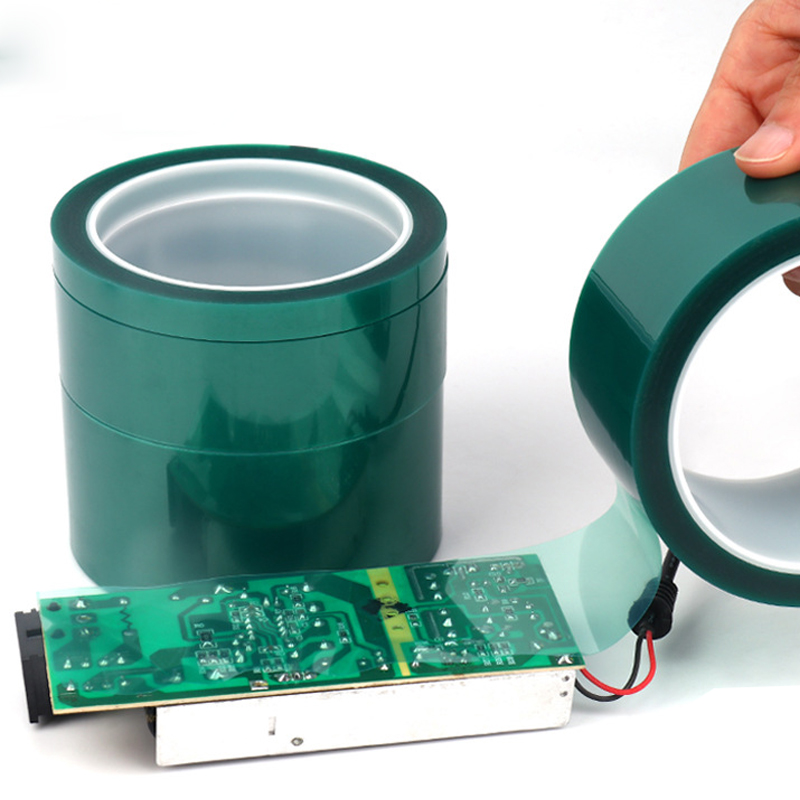
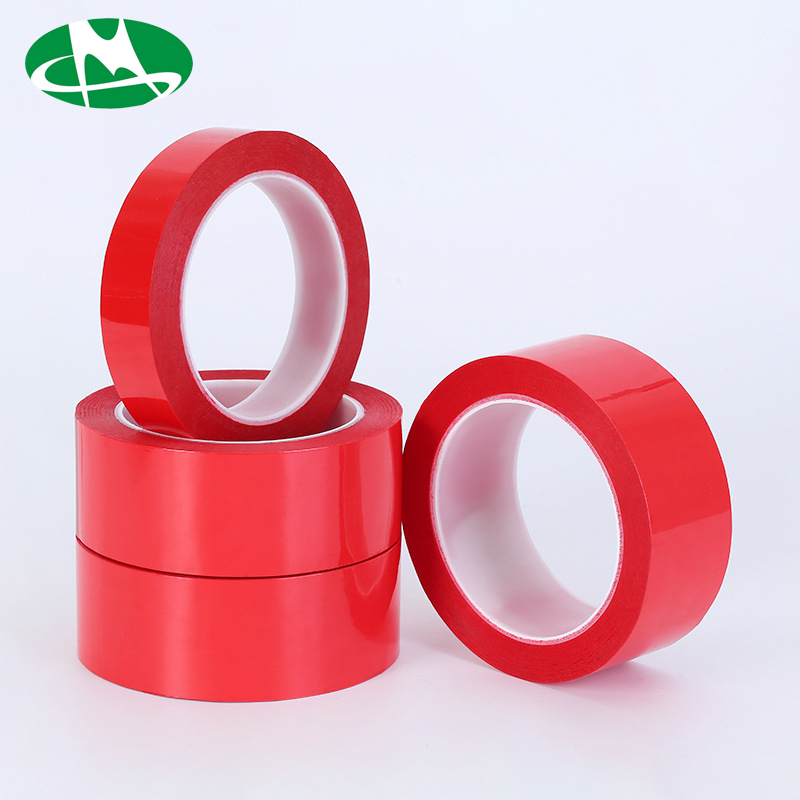
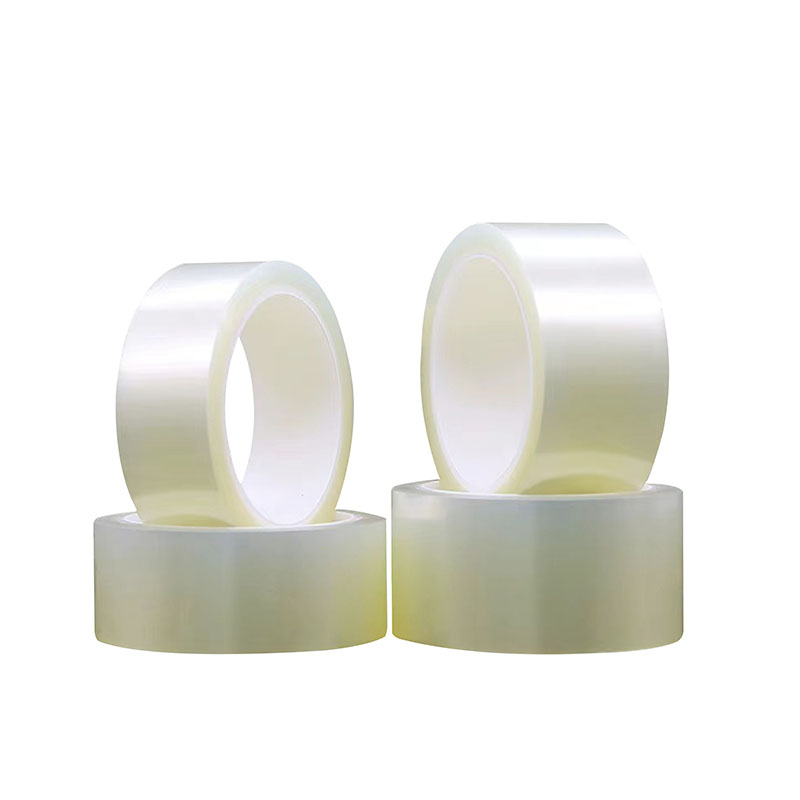
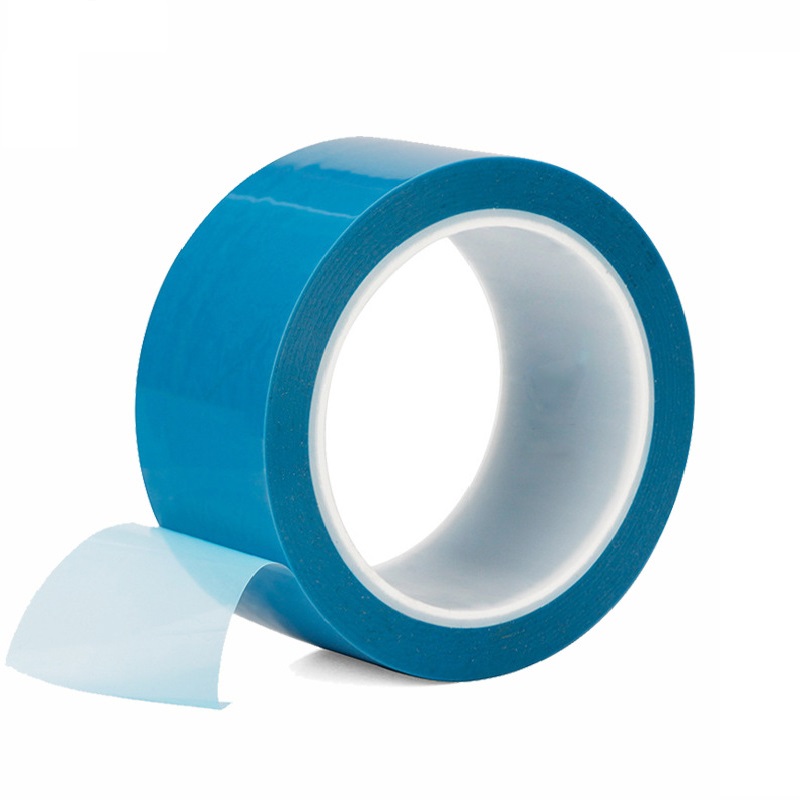
The strategic adoption of high-performance PET tapes represents a paradigm shift in PCB gold finger protection. By integrating advanced materials, rigorous testing protocols, and data-driven process optimization, electronics manufacturers can achieve:
- 40%+ improvement in thermal cycling endurance
- 65% reduction in field failures
- 22% lower total cost of ownership
Future developments in nanocomposite adhesives and AI-integrated manufacturing promise to further enhance these materials' capabilities, solidifying their role as indispensable components in next-generation electronics.
Premium PET Tape for FPC Flexible Circuit Bonding: Technical Insights and Industry-Proven Applications
Understanding PET Tapes: A Practical Look at 3M PET Tape and Tesa 51026 for Industrial Applications


Need help choosing the right industrial tape?
Send us your application details, including temperature, surface material, size, quantity and current problem. Our team will help recommend a suitable tape material or custom die-cut solution.

simon@jiaotaotao.com


+86-136 1277 5969


+86-136 1277 5969
