
Mastering Critical Insulation & Protection: The Definitive Guide to Mylar Tape
In the demanding arenas of electronics, aerospace, industrial manufacturing, and advanced energy systems, where electrical integrity, thermal management, and material stability are paramount, Mylar Tape emerges as an indispensable engineered solution. Far exceeding the capabilities of ordinary plastic tapes, this specialized material – technically known as BoPET (Biaxially Oriented Polyethylene Terephthalate) – delivers unparalleled performance in critical applications demanding precision, durability, and reliability. Understanding the unique properties, diverse formulations, and optimal deployment scenarios for Mylar Tape is essential for engineers, technicians, and procurement specialists aiming to enhance product performance and longevity.
The Science Behind Mylar Tape: Engineered for Excellence
Mylar Tape derives its exceptional characteristics from its base material: a polyester film stretched biaxially during manufacturing. This orientation process aligns the polymer chains in both machine and transverse directions, resulting in a film with superior:
- Mechanical Strength: High tensile strength and dimensional stability, resisting stretching, tearing, and puncturing under stress.
- Electrical Insulation: Outstanding dielectric strength and volume resistivity, making it ideal for insulating wires, coils, transformers, and PCBs.
- Thermal Stability: Exceptional resistance to heat, maintaining structural integrity and electrical properties across a wide temperature range (typically -70°C to +150°C / -94°F to +302°F, with specialized grades exceeding +180°C / +356°F).
- Chemical Resistance: Inertness to most solvents, oils, acids, and bases, ensuring long-term performance in harsh environments.
- Moisture Barrier: Extremely low moisture vapor transmission rate (MVTR), protecting sensitive components from humidity and corrosion.
- Optical Clarity & Reflectivity: Available in clear, metallized (reflective), or colored variants for diverse functional and aesthetic needs.
Adhesive Systems: Tailoring Performance
The core BoPET film is laminated with pressure-sensitive adhesives (PSAs) chosen for specific application requirements:
- Acrylic Adhesives: The most common choice, offering excellent balance of adhesion, temperature resistance, UV stability, and long-term aging performance. Ideal for general electrical insulation and bundling.
- Silicone Adhesives: Provide superior performance at extreme temperatures (both high and low), excellent chemical resistance, and ease of clean removal. Crucial for aerospace, high-temp motor windings, and semiconductor processing.
- Rubber-Resin Adhesives: Offer very high initial tack for quick fixturing but generally have lower temperature and environmental resistance compared to acrylics or silicones.
- Conductive Adhesives: Specialty formulations incorporating carbon or metal particles to provide electrical conductivity or EMI/RFI shielding capabilities.
Why Mylar Tape Outperforms Alternatives
- vs. PVC Electrical Tape: Mylar Tape offers vastly superior temperature resistance, dielectric strength, moisture resistance, and dimensional stability. PVC tape can soften, flow, or become brittle over time or under thermal stress.
- vs. Cloth Tape: Mylar Tape provides consistent electrical insulation, moisture barrier properties, and cleaner application/removal. Cloth tape can absorb moisture and lacks inherent dielectric strength.
- vs. Polyimide (Kapton) Tape: While polyimide offers higher continuous temperature resistance (often >200°C), Mylar Tape is significantly more cost-effective for applications within its thermal range and provides superior moisture barrier properties and clarity. Polyimide is hygroscopic.
- vs. Paper Tape: Mylar Tape provides dramatically better mechanical strength, moisture resistance, and dielectric properties.
Critical Applications Demanding Mylar Tape
- Electronics & Electrical Engineering:
- Transformer & Inductor Insulation: Layer insulation between windings, core wraps, and lead anchoring due to high dielectric strength and thermal class.
- Motor & Generator Windings: Slot liners, phase insulation, and end turn lashing for motors operating at elevated temperatures.
- Capacitor Winding: Dielectric film in film capacitors.
- PCB Protection: Conformal coating masks, solder mask protection, temporary component securing.
- Wire & Cable Harnessing: Bundling, identification (colored tapes), and supplemental insulation.
- Coil Wrapping: Securing and insulating electromagnetic coils.
- Aerospace & Defense:
- Wire Harness Protection: Lightweight, high-performance insulation and bundling in aircraft and spacecraft.
- Component Insulation: Protecting sensitive avionics from heat and electrical interference.
- Thermal Management: Reflective tapes (metallized Mylar) for thermal control blankets (MLI).
- Industrial Manufacturing:
- Motor & Generator Repair: Essential insulation material in rewinding shops.
- HVAC Systems: Insulating wiring in motors, compressors, and control systems.
- Power Supplies & Inverters: Internal insulation and component securing.
- Industrial Equipment Wiring: Reliable insulation in harsh factory environments.
- Renewable Energy:
- Solar Panel Manufacturing: Backsheet components, junction box sealing, internal wiring insulation.
- Wind Turbines: Generator and transformer insulation, nacelle wiring protection.
- Medical Devices:
- Insulation in diagnostic equipment, imaging systems, and surgical tools requiring reliability and biocompatibility (specific adhesive grades).
- Specialized Applications:
- EMI/RFI Shielding: Metallized Mylar Tape with conductive adhesive.
- Thermal Insulation/Reflection: Metallized Mylar Tape in appliances, lighting, and packaging.
- Decorative & Protective Trim: Colored or metallized tapes for appliances, displays, and automotive interiors.
Selecting the Optimal Mylar Tape: Key Considerations
Choosing the right Mylar Tape requires careful evaluation:
- Dielectric Strength (V/mil or kV/mm): Critical for electrical insulation applications. Higher voltage demands higher dielectric strength.
- Temperature Rating: Match the tape's thermal class (e.g., Class B, F, H) to the operating temperature of the component/environment. Consider peak temperatures.
- Adhesive Type:
- Acrylic: General purpose, good balance.
- Silicone: Extreme temperatures, easy release.
- Rubber-Resin: High initial tack, lower temp.
- Conductive: EMI/RFI shielding.
- Thickness: Impacts dielectric strength, flexibility, and conformability. Common thicknesses range from 0.5 mil to 5 mil (0.0127mm to 0.127mm).
- Tensile Strength & Elongation: Important for mechanical stress applications like coil lashing.
- Surface: Clear, matte, metallized (single/double-sided), colored.
- Flammability Rating: UL 510, UL 1441, or other relevant standards may be required (e.g., VTM-0).
- Chemical Resistance: Verify compatibility with expected solvents, oils, or cleaning agents.
Best Practices for Application & Reliability
- Surface Preparation: Clean, dry, and grease-free surfaces are essential. Use isopropyl alcohol (IPA) for degreasing. Roughening smooth surfaces can improve adhesion for some tapes.
- Application Temperature: Apply within the tape manufacturer's recommended temperature range (often 15°C to 40°C / 60°F to 105°F). Cold surfaces reduce adhesion.
- Pressure: Apply firm, even pressure using a roller or squeegee to ensure optimal adhesive wetting and bond formation. Avoid trapping air bubbles.
- Overlap: Ensure sufficient overlap (typically 50% of tape width) for continuous insulation or sealing.
- Storage: Store Mylar Tape rolls vertically in a cool, dry place away from direct sunlight and heat sources to preserve adhesive properties.
The Future of Mylar Tape: Innovation on the Horizon
- Higher Temperature Grades: Development of films and adhesives stable beyond 200°C for next-generation electric vehicles and aerospace.
- Enhanced Flame Retardancy: Meeting increasingly stringent safety standards without compromising electrical properties.
- Sustainable Formulations: Increased focus on recycled PET content and bio-based adhesives.
- Functional Coatings: Integration of nanocoatings for self-healing properties, superhydrophobicity, or enhanced thermal conductivity/insulation.
- Smart Tapes: Incorporating sensing capabilities or indicators for condition monitoring.
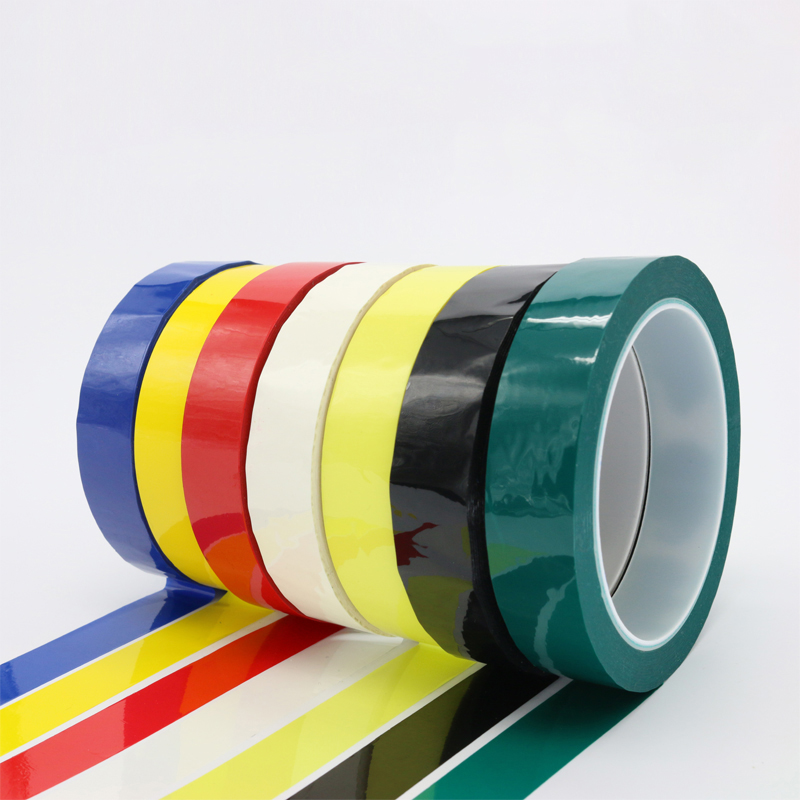


Mylar Tape transcends the role of a simple adhesive product. It is a precision-engineered component critical to the safety, performance, and longevity of countless electrical and electronic systems across diverse industries. Its unique combination of high dielectric strength, exceptional thermal stability, robust mechanical properties, and chemical resistance makes it the material of choice where failure is not an option.
By understanding the core properties, adhesive options, and rigorous selection criteria outlined in this guide, engineers and technicians can confidently specify and apply the optimal Mylar Tape for their demanding applications. Whether insulating a multi-megawatt transformer, protecting wiring in a jet engine bay, securing components on a high-density PCB, or reflecting heat in a solar array, Mylar Tape delivers proven, reliable performance. Embrace the engineered advantages of Mylar Tape – the foundation for building robust, efficient, and enduring electrical systems.
The Ultimate Solution for Overheating Electronics: Jiaotaotao® Heat Dissipation Tape
Unlock Superior Sealing & Mounting Performance: The EVA Foam Tape Advantage

Need help choosing the right industrial tape?
Send us your application details, including temperature, surface material, size, quantity and current problem. Our team will help recommend a suitable tape material or custom die-cut solution.

simon@jiaotaotao.com


+86-136 1277 5969

+86-136 1277 5969
