
Understanding PET Tapes: A Practical Look at 3M PET Tape and Tesa 51026 for Industrial Applications
In this article, I want to walk through what makes PET tapes different, why many engineers prefer 3M PET tape, and how Tesa 51026 became a trusted name in the automotive world.
What Exactly Are PET Tapes?
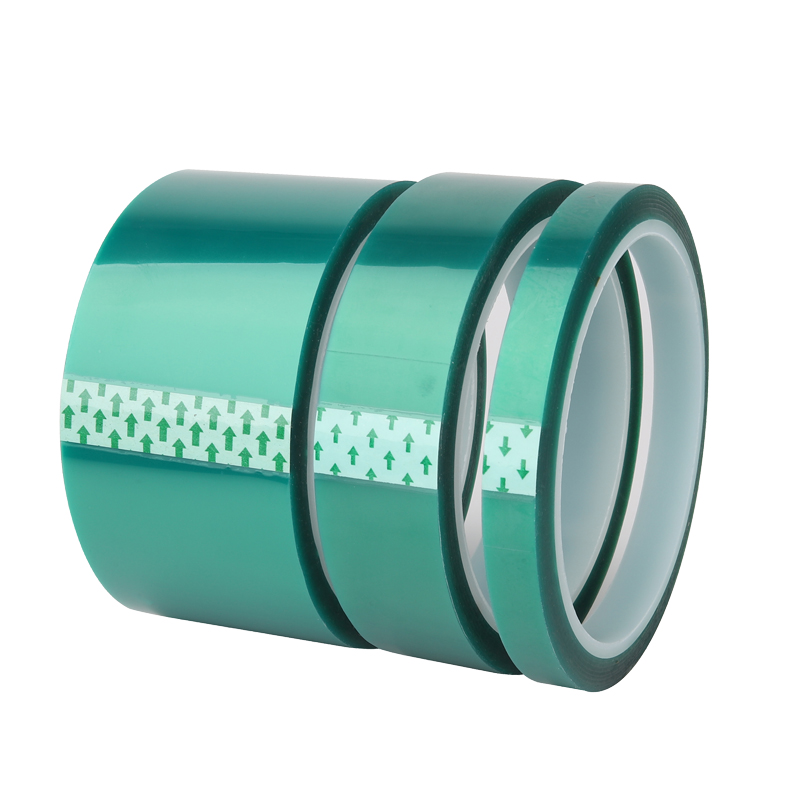
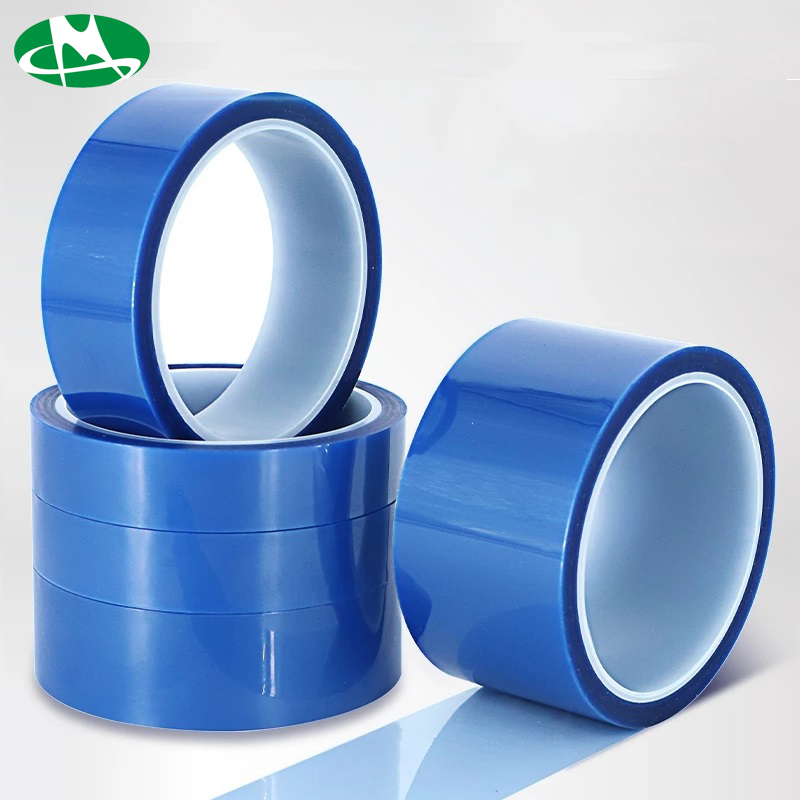
PET tapes are made from polyester (polyethylene terephthalate) film, known for its dimensional stability, tensile strength, and resistance to chemicals. Unlike ordinary packaging tape, PET tapes perform well in harsh conditions such as:
-
Long-term exposure to temperatures above 100°C
-
Environments requiring low stretch and minimal shrinkage
-
Places where chemical or abrasion resistance matters
The film backing gives PET tape a crisp, smooth appearance, but more importantly, it ensures the tape doesn’t degrade easily, making it suitable for both insulation and structural bonding tasks.
Why Many Engineers Choose 3M PET Tape
When discussing PET tapes, it’s impossible not to mention 3M. Their PET tape series is widely used across electronics and general industrial fields, mainly because of its balance of shear strength, heat resistance, and adhesive stability.
Typical advantages of 3M PET tape include:
1. Stable adhesion over time
Even in warm or humid environments, the adhesive rarely softens or fails.
2. Consistency across batches
For factories running long-term production, this is extremely valuable—3M tapes behave predictably.
3. Heat resistance
Many 3M PET tapes handle temperatures from 120°C–150°C depending on the grade.
4. Clean removal
Engineers appreciate that the tape leaves minimal residue after long exposure to heat.
Common applications include splicing films, coil insulation, electronic component fixation, and high-temperature masking during metal processing.
A Closer Look at Tesa 51026
Another name that keeps appearing in automotive workshops is Tesa 51026—a PET fleece tape known for cable wrapping inside vehicle cabins and engine compartments.
Unlike the glossy surface of traditional PET film tapes, Tesa 51026 has a soft, abrasion-resistant fleece backing, which gives it unique advantages:
Key features of Tesa 51026:
-
Excellent noise damping
Ideal for reducing rattling and friction noise in car interiors. -
High abrasion resistance
The fleece protects cables from rubbing against metal frames or dashboards. -
Heat endurance up to 150°C
Suitable for engine compartment wiring harnesses. -
Flexible and easy to wrap
Even in tight curves or awkward angles, the tape conforms well.
This tape has become a standard material for many OEMs because it supports long-term vehicle reliability while simplifying cable management for technicians.
PET Tape vs. PVC Tape: When PET Wins
Although PVC tape is cheaper and more common, PET tape is the better choice in scenarios like:
-
Environments where heat resistance is crucial
-
Applications requiring long-term dimensional stability
-
Projects needing strong tensile performance
-
Places where chemical exposure cannot be avoided
PET tape’s performance-to-cost ratio makes it a favorite among high-spec industries.
How to Choose the Right PET Tape for Your Application
When selecting a PET tape—whether it's 3M, Tesa, or a custom industrial brand—consider these key factors:
-
Temperature range
How hot will the environment get on average and at peak? -
Backing thickness
Thicker backings offer better mechanical protection but may reduce flexibility. -
Adhesive type
Acrylic for long-term stability, silicone for release properties, rubber for initial tack. -
Special functions
Noise reduction, electrical insulation, or chemical resistance. -
Certification and consistency
For industries like automotive or electronics, certified materials reduce risk during audits.
Final Thoughts
PET tapes might look simple, but in industrial settings they solve problems that ordinary adhesive materials cannot. Whether you choose a 3M PET tape for its stability or a Tesa 51026 for cable protection, the real value lies in understanding how each material behaves in your specific environment.
With the growing demands of electric vehicles, precision electronics, and automated manufacturing, PET tapes will only become more essential to engineers and production teams worldwide.
Field-Proven Strategies: Optimizing PCB Gold Finger Performance with High-Temperature PET Tapes
The Ultimate Guide to Polyimide Tape PI for Gold Finger Protection in PCB Applications

Need help choosing the right industrial tape?
Send us your application details, including temperature, surface material, size, quantity and current problem. Our team will help recommend a suitable tape material or custom die-cut solution.

simon@jiaotaotao.com


+86-136 1277 5969


+86-136 1277 5969
